


ai assistant, ai agent and ai-driven logistics: automate workflow to reduce costs in intermodal freight
AI acts as a virtual coordinator across rail, road and sea to automate routine decisions and speed responses. In intermodal networks, an ai assistant helps teams handle booking queries, match carriers, and pre-fill documentation. This reduces back-and-forth calls and email cycles. As a result, teams automate workflows and cut operational cost. For example, companies that use autonomous quotation and procurement tools reported up to 80% year‑on‑year growth in cited examples (‘AI Technologies in Intermodal Freight Transport’ Webinar). That is a concrete metric. It shows how ai agent approaches can impact freight margins and business scale.
AI agents connect datasets from TMS, ERP and terminal systems. Then they propose carrier matches based on cost, transit time and service history. This process helps logistics companies reduce costs and improve carrier fit. For teams, the outcome is faster tendering, fewer phone/email cycles, and faster turnarounds. Also, the system can automate quotation generation so carriers respond instantly. That reduces manual bidding work and speeds procurement. Our platform, for example, focuses on email automation and context-aware replies so teams handle inbound mail quickly; see our guide to an AI assistant for logistics and fast replies.
AI supports decision rules that reflect business goals. It applies routing constraints, carbon targets, and capacity limits. Then it scores options and surfaces the best mix. In short, AI is transforming how teams automate routine tasks across intermodal chains. If your goal is to reduce logistics costs, start by automating repetitive emails, tendering and document pre-fill. Also consider pilots for autonomous quotation to test ROI. Finally, integrate ai agent pilots with existing systems to minimise disruption and show quick wins.
predictive shipment and ai tools for transportation management and alerting
Predictive models forecast ETAs, dwell and disruption risk so teams can act before a delay affects the network. By combining telematics, schedule feeds and historical performance, a predictive score signals risk early. Then teams receive an alert and can reroute or add buffers. This proactive approach reduces detention and penalty costs. It also reduces empty moves and supports sustainability goals, which drives lower inventory holding costs and better resource use. Studies highlight AI for sustainable routing and emissions reduction (Artificial Intelligence in Logistics Optimization with Sustainable Criteria). That research shows the link between smarter routing and lower emissions.
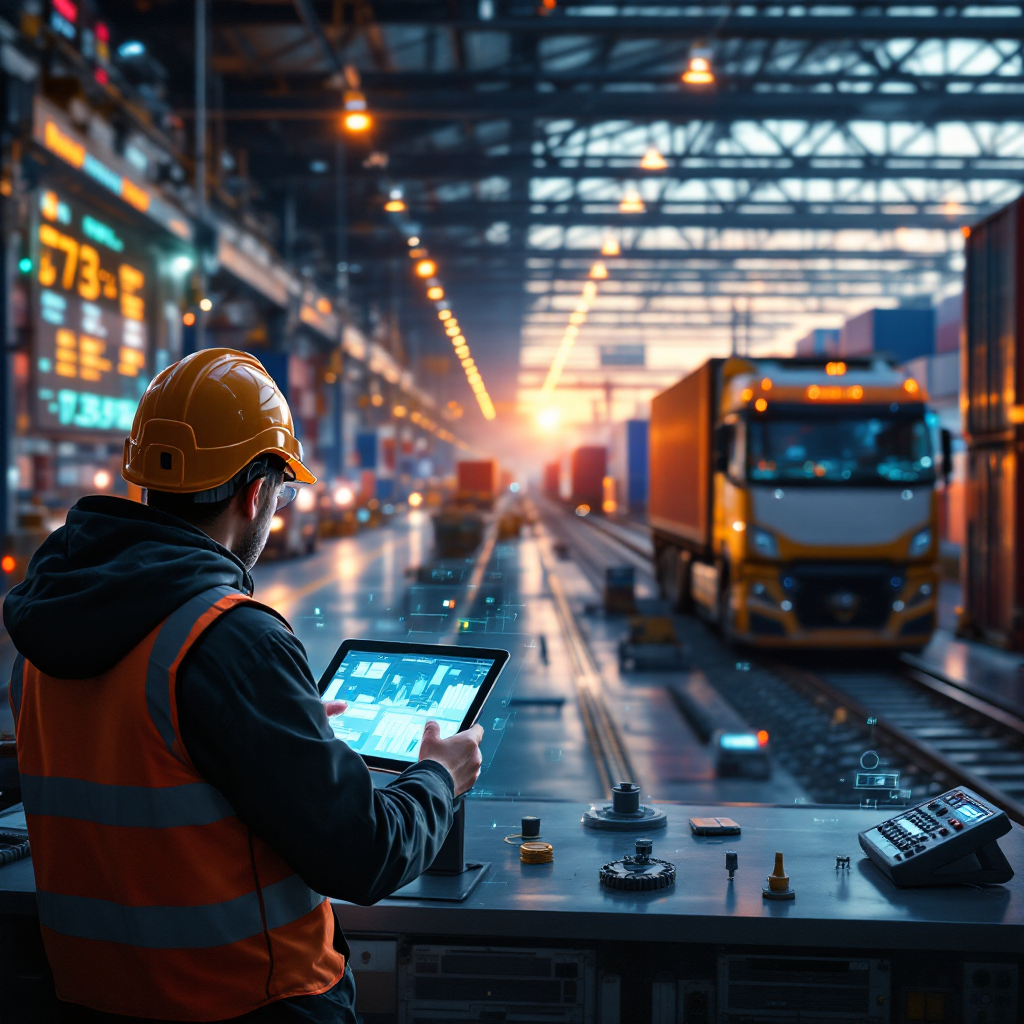
To deliver accurate ETA predictions you need real-time telematics and historical data. The model must process GPS, terminal gate times and schedule feeds. Then it predicts arrival windows and flags outliers. This predictive analytics approach helps freight teams avoid reactive firefighting. For example, a system can issue an alert when dwell exceeds a threshold and propose a reroute. Teams then confirm or override the suggestion. This reduces manual exception handling and speeds recovery.
Operational gains show up in on-time percentage and lower detention fees. Verizon Connect notes the problem well: “There’s so much data, it can be difficult to navigate the noise and find the cost-saving, productivity-boosting, efficiency-driving insights” (AI Fleet Analytics with Operational Insights). Advanced AI and machine learning turn noisy feeds into actionable insights. Also, these tools tie into transportation management and fleet management systems so alerts flow into workflow engines. Use cases include predictive ETAs for yard planning and automated triggers for carrier messages. For teams that want to reduce logistics costs, a targeted pilot on ETAs yields measurable cost savings and improved customer satisfaction. Finally, integrating AI-powered alerts with your transportation management system creates a single loop from detection to execution.
Drowning in emails?
Here’s your way out
Save hours every day as AI Agents label and draft emails directly in Outlook or Gmail, giving your team more time to focus on high-value work.
management platform and freight management for supply chain visibility and optimisation
A single management platform creates a single source of truth for booking, tracking, billing and KPIs. That visibility reduces exceptions and manual reconciliations. It also raises invoice accuracy and shortens cycle times. End-to-end visibility across intermodal legs helps staff spot chokepoints and improve utilisation. Track metrics like cost per TEU, dwell time, utilisation rate and on-time percentage to measure optimisation gains. When teams measure these metrics, they can prioritise high-impact fixes and achieve significant cost savings.
Combine a management platform with analytics and you transform daily decisions. The platform aggregates data from TMS, terminal operating systems and ERP. It then feeds analytics and AI models. The result is improved forecasting, smarter carrier allocation and better capacity planning. For managers, this reduces operational cost and improves customer satisfaction. In practice, freight management and visibility tools reduce manual work and let logistics managers focus on exceptions. Our team wrote about how to scale logistics operations without hiring; that resource explains practical adoption steps (how to scale logistics operations without hiring).
Visibility also supports tighter invoice control. When data flows through the platform, invoice mismatches fall. That lowers disputes and speeds payment cycles. It also reduces audit work. For supply chain management, the platform supports better procurement strategies and route optimisation. Across intermodal lanes, it makes capacity visible and costs transparent. Companies that instrument these KPIs see improved decision speed and better utilisation. If you need a hands-on start, pilot a management platform with a small lane set and measure cost per TEU and on-time percentage. Then scale the platform with APIs to existing systems. This approach helps teams integrate ai and keep momentum.
automation, data entry and ai agent: cut manual work and improve throughput
Manual data entry and fragmented systems slow operations and create errors. Staff copy and paste booking details between ERP, TMS and email. That takes time and introduces mistakes. Automation reduces that burden. AI OCR and automated EDI mapping cut keystrokes. Then an ai agent pre-fills documents and validates shipments. This reduces input time and mistakes. For teams, this means faster booking-to-departure cycles and fewer touch points.
Use tools that integrate with existing systems and your email. For many operations teams, the email thread holds context that systems miss. virtualworkforce.ai, for example, drafts context-aware replies inside Outlook and Gmail and grounds every answer in ERP, TMS and historical email memory. That cuts handling time from about four and a half minutes to about one and a half minutes per email. This no-code approach speeds rollout and keeps control in business hands. See our resource on logistics email drafting AI for examples.
The effect on throughput is clear. AI agents parse bills of lading, extract container numbers, and reconcile arrival times. Then they flag exceptions for human review. This automation of routine work lowers error rates. It also reduces repetitive tasks and improves throughput. Areas to automate include customs emails, carrier confirmations and container release forms. When you automate repetitive tasks you free staff for higher-value work like exception management. That minimal human intervention model still allows overrides, so control remains strong. Finally, automation improves customer service and reduces operational cost. The result is faster cycles, fewer disputes and improved customer satisfaction.
Drowning in emails?
Here’s your way out
Save hours every day as AI Agents label and draft emails directly in Outlook or Gmail, giving your team more time to focus on high-value work.
adopting ai and stay ahead: adoption rates, barriers and practical steps for logistics teams
The reality is that many firms are cautious about adopting ai. A 2025 study found roughly 25% of supply chain organisations actively use new AI applications or insights (Hype vs. Reality). So most teams remain early adopters. Barriers include legacy systems, integration effort, data quality and user trust. These issues slow pilots and stall scale. Research on barriers to digital transformation in transit freight documents these challenges (Barriers to Digital Transformation in Transit Freight). That study is a practical reminder to design pilots that address integration and change management.
Start small. Pilot quotations, ETA alerts or email automation. Measure ROI and iterate. Then scale via APIs and a modular management platform. For many logistics teams, that path reduces risk. Also, focus on data quality early. Clean master data and consistent EDI mappings ease integrations. Train users on simple dashboards so adoption grows quickly. When teams see real gains, they support broader rollouts. Additionally, include security and governance in the plan. Role-based access and audit logs keep control while enabling benefits.
Generative AI can help with email drafting and exception notes. However, business rules must ground responses. That balance prevents errors and builds trust. For operational leaders, the recommendation is to instrument one or two KPIs. Then show improvements in cost reduction and customer satisfaction. As you scale, integrate AI with warehouse management, transportation management and container booking systems. This approach lets your firm stay ahead and transform operations at a sustainable pace. Finally, document wins so the logistics market can see measurable impact and more teams start adopting ai across intermodal lanes.

revolutionize optimisation with ai-driven shipment workflows: measurable wins and next steps
AI-driven shipment workflows revolutionize optimisation by focusing on measurable wins. Start by prioritising high-value workflows such as procurement, routing and exception handling. Instrument metrics and iterate. In practice, some markets still report low use of digital route planners. For example, a Polish study found only 20% used planning tools and only about 10% were satisfied with their performance (Digital Planning Tools in Intermodal Transport). That gap shows opportunity. You can win by building targeted pilots that show clear cost savings and improved customer service.
Combine AI with existing management systems and you will analyze your data faster. Agents analyze feeds from GPS, IoT devices and carrier APIs. Then they propose actions that reduce empty moves and optimise loads. This boosts utilisation and lowers logistics costs. For example, better planning cuts inventory holding costs and reduces emissions. These gains add up to significant cost savings and improved customer satisfaction. Use predictive analytics to pick the right lanes to pilot. Then expand to adjacent lanes once the metrics track.
Next steps include selecting the right ai solution, enforcing data quality, and training staff on new roles. Ensure minimal human intervention for routine approvals but keep clear escalation paths for exceptions. Also leverage natural language processing to automate emails while keeping audit trails. If you want to revolutionize your workflow start with a tight use case, measure cost per TEU improvement, then scale through APIs and modular platforms. For teams that need help with email and correspondence automation, see our guide on automated logistics correspondence. Finally, remember that combining ai, automation and a management platform reduces delays, cuts logistics costs, and makes freight management more predictable across intermodal chains.
FAQ
What is an AI assistant for intermodal logistics?
An AI assistant for intermodal logistics is a software agent that helps coordinate activities across rail, road and sea. It automates workflow tasks, drafts emails, and integrates data from TMS and ERP so teams act faster and with fewer errors.
How do predictive models improve shipment ETAs?
Predictive models use historical data, real-time telematics and schedule feeds to forecast arrival windows and dwell risk. They then issue alerts so teams can reroute proactively and reduce detention fees.
Can AI reduce invoice errors and reconciliation time?
Yes. A management platform that consolidates booking, tracking and billing reduces manual reconciliation. That improves invoice accuracy and shortens payment cycles.
What is the role of an ai agent in data entry?
An ai agent automates data entry by using OCR, automated EDI mapping and pre-filling documents. This cuts keystrokes, lowers error rates and speeds booking-to-departure cycles.
How should logistics teams start adopting AI?
Begin with small pilots such as quotations, ETA alerts or email automation. Measure ROI, fix data quality issues, and scale using APIs and modular management platforms. This approach minimises risk and shows quick wins.
Are there measurable business outcomes from AI in logistics?
Yes. Case studies show firms achieving strong growth and cost savings. For instance, firms using autonomous quotation tools reported up to 80% year‑on‑year growth in cited examples. Also, predictive routing lowers empty moves and detention costs.
Will AI replace human planners?
No. AI reduces repetitive tasks and automates routine decisions, but human intervention remains key for complex exceptions and negotiations. AI frees planners to focus on strategy and exception handling.
How does AI support sustainability goals?
AI optimises routes and load planning to reduce empty miles and fuel use. Predictive routing and better utilisation lower emissions and inventory holding costs across the entire supply chain.
Is it hard to integrate AI with existing systems?
Integration can be challenging if data quality or legacy systems are poor. The practical path is to start with targeted APIs, clean master data, and no-code connectors to reduce integration effort.
Where can I learn more about automating logistics emails?
For hands-on examples and tools, check resources on logistics email drafting and automated correspondence that explain how AI email agents cut handling time and improve customer service. See our resources on logistics email drafting AI, AI for freight forwarder communication, and automate logistics emails with Google Workspace.
Drowning in emails?
Here’s your way out
Save hours every day as AI Agents label and draft emails directly in Outlook or Gmail, giving your team more time to focus on high-value work.