


How ai agent improve forecasting and inventory across the retail industry
Forecasting and inventory management sit at the heart of distribution. First, an AI agent can analyze sales, returns, promotions, and supplier lead times. Then it updates replenishment priorities and adjusts safety stock. As a result, retailer teams see fewer stockouts and lower holding costs. Leading retailers such as Walmart and Levi Strauss use AI models for real‑time demand prediction and stock visibility, which reduces errors and shortens response times that protect delivery promises. In practice, many retailer operations now use daily models, and about 76% plan to raise AI investment focused on customer service and distribution (source). However, full-scale roll‑out at enterprise scale still sits in single‑digit to low‑teens percent for many companies, so pilots remain critical.
For teams that want measurable gains, track service level, days of inventory, and forecast error. Also measure time to detect demand shifts and the reduction in emergency shipments. Practical pilots start small. First, pick a high-volume SKU family. Next, connect point‑of‑sale and warehouse feeds to an AI platform and run a parallel forecast for 60 days. Finally, compare the AI agent output with historical forecasts and tune thresholds.
Retailers that implement an AI agent quickly notice that replenishment cycles shorten. Retail operations benefit because agents analyze site-level velocity as well as channel trends. In addition, virtualworkforce.ai helps ops teams reply faster to supplier and carrier emails by grounding answers in ERP/TMS/WMS sources, which reduces the manual work required to act on new forecasts (see ERP email automation). To pilot, ensure you have clean SKU hierarchies and an inventory management feed. Then run a control group to validate improvements.
Finally, use simple governance. Create alert rules for when an AI agent suggests a stock transfer or emergency PO. Also require human sign‑off for decisions that exceed financial or service thresholds. This approach helps retailers scale while limiting risk, and it shows how intelligent agents can become a dependable part of replenishment workflows.
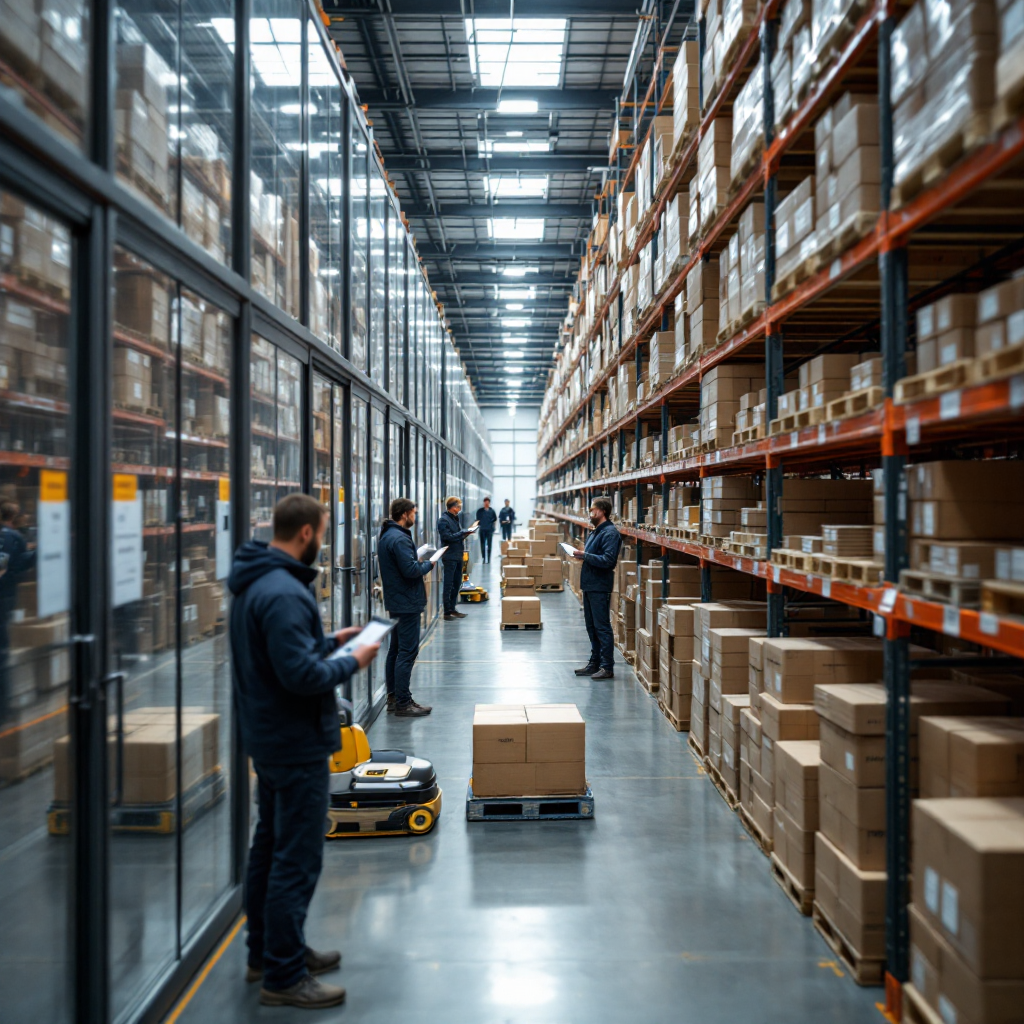
Agentic systems and ai agents in retail for personalised fulfilment
Agentic commerce shifts how orders are fulfilled. An AI agent acts like an autonomous buyer or seller and manages personalisation. For shoppers, the result often improves the shopping experience by offering tailored reorders, subscription adjustments, and delivery choices. McKinsey describes an era when “the technology anticipates consumer needs, navigates shopping options, negotiates deals, and executes transactions autonomously” (quote). In practical terms, agentic systems route orders to the fastest fulfillment node and can pick alternatives when a SKU runs out.
Many shoppers say convenience matters. Therefore, agentic AI that can reorder staples or negotiate on price finds traction. Retailers must design clear consent and transparency. For example, allow customers to opt into automatic reorders and show audit trails of decisions. Also provide a simple fallback that escalates to human agents when the agentic agent cannot complete a rule‑based task.
Retail businesses that embrace agentic solutions should build explicit guardrails. First, define data a virtual agent may use. Second, set spending and substitution rules. Third, log every transactional step. Our virtualworkforce.ai no-code approach helps set user‑controlled behavior and guardrails so teams can configure tone, templates, and escalation paths without engineering tickets (learn more). This makes it easier to integrate AI shopping agents into existing customer workflows.
Moreover, designers should test for customer satisfaction and retention. Track conversion lift from personalised offers and the percentage of orders completed without human help. Also consider how agents understand and respond to edge cases; human oversight remains essential. Finally, include an opt‑out pathway and clear language about what the agent will do. That clarity improves trust and increases the chance that both the retailer and the customer benefit.
Drowning in emails?
Here’s your way out
Save hours every day as AI Agents label and draft emails directly in Outlook or Gmail, giving your team more time to focus on high-value work.
retail ai agent use case: autonomous routing, robotic fulfilment and real‑time visibility
Distribution centers and last‑mile fleets gain from autonomous routing and robotic fulfilment. An AI agent can select the best route by combining traffic, weather, and vehicle telematics. For example, dynamic rerouting protects delivery promises when roads close or a vehicle breaks down. A retailer that uses route optimisation often reduces fuel use and delivery time. Robotic picking in the warehouse improves throughput and reduces picking errors. Real‑time visibility also raises customer satisfaction by feeding ETAs into retailer portals and customer service agents.
To pilot autonomous fulfilment, you need vehicle status, traffic feeds, and order priorities. Then you can let an autonomous agent propose route changes and allow operators to approve or decline. This staged approach balances speed with control. Also deploy telematics and camera data to improve safety and to refine the AI models. When agents gain visibility into the full delivery chain, they can prioritise high‑value slots and reroute lower-value loads.
Key KPIs include on‑time delivery, miles per stop, pick rate per hour, and exception handling time. Further, integrate event feeds into customer‑facing systems so that shoppers get proactive updates. Our automated logistics correspondence pages show how AI can draft carrier or customs emails automatically and reduce manual steps for logistics teams (example). For many retailers, this reduces email handling time from minutes to under two minutes per message.
Finally, consider safety and compliance. Autonomous agent actions must log decisions for audits. Also test how agents behave during disruptions. Real‑world examples include agents that temporarily disable certain fulfillment options to protect customer promises, and agents that route parcels via hubs that reduce transit time (case). These pilots show measurable improvements and provide a roadmap to scale.
How retailers scale ai agents for retail: adoption barriers and change management
Scaling requires more than pilots. Many retailers face fragmented systems and poor data integration. Therefore, clean data, robust APIs, and governance are non‑negotiable. Central teams must own master data and define an integration strategy for ERP, TMS, and WMS feeds. Also, decide early whether to buy an AI platform or build in‑house. Each approach has cost and control trade‑offs. Vendors can accelerate time to value. Conversely, in‑house builds give tighter proprietary ai control but require engineering investment.
Change management matters. Start with a three‑quarter roadmap that focuses on data plumbing, security, and staged roll‑outs. First quarter: connect core feeds and run shadow mode. Second quarter: expose a limited set of actions to power users. Third quarter: broaden deployment and add monitoring. A checklist should include role‑based access, audit logs, and escalation paths. Also ensure you track metrics such as forecast error, on‑time percentage, and email handling time.
Many retailers fail because they skip the human element. Train human agents on new workflows and create escalation rules that require sign‑off for financial exceptions. Use pilot agents to show early wins. For example, a staged roll‑out used by leading retailers reduces risk and helps teams adopt ai tools without major disruption. Our guidance on how to scale logistics operations with AI agents explains practical steps and risk controls (guide). Also include legal and privacy reviews early to ensure compliance with EU and local regulations.
Finally, governance must align with business outcomes. Set targets for adoption and for agent accuracy. Also identify metrics to decide when to let an autonomous agent act and when to require human approval. These rules help retailers move from a pilot to enterprise scale while protecting customer trust and operational continuity.

Drowning in emails?
Here’s your way out
Save hours every day as AI Agents label and draft emails directly in Outlook or Gmail, giving your team more time to focus on high-value work.
Generative ai and ai agents use: new services, automation and customer impact
Generative AI augments conversational agents and content workflows. Retailers can use generative ai to draft personalised product descriptions, promotional emails, and complex order replies. When used well, these models boost engagement and reduce bounce rates, and shoppers react positively to more relevant messaging (source). However, generative outputs need strong guardrails. For example, ensure factual grounding to avoid errors that hurt customer trust.
One practical use case is automated replies to logistics queries. An AI agent drafts context‑aware emails by referencing ERP and shipment feeds. Our virtualworkforce.ai solution shows how no‑code connectors ground replies in systems like ERP/TMS/WMS and email history to reduce manual copy‑paste and speed responses (logistics drafting). This reduces handling time and improves customer service agents’ consistency.
Design guardrails around sensitive outputs. First, require citations for inventory or ETA claims. Second, add human review for any message that includes policy changes or refunds. Third, run A/B tests to quantify uplift. Measurable use cases include personalised offers, draft product content, and end‑to‑end handling of complex returns. Track conversion, reply accuracy, and reduction in escalations as ROI metrics.
Additionally, use generative ai carefully for voice agents and chat. Combine conversational AI with retrieval systems so agents do not hallucinate. Also record interactions for quality control. Finally, implement a testing plan that covers bias, safety, and performance. That way retailers can use generative ai to improve the shopping journey while maintaining control and trust.
Building future systems: powered by ai, autonomous ai and how to use ai responsibly
Architecture for resilient retail must balance autonomy and oversight. Design layers that separate models from decision logic. Use monitoring and drift detection so teams can spot when agents behave unexpectedly. Also include human‑in‑the‑loop workflows for high‑risk actions. This makes the system robust and auditable. Transparency, privacy, and resilience determine customer trust and regulatory compliance. Sustainability benefits follow when agents choose carbon‑aware routes and optimise inventory to reduce waste.
Decide when to let an agent act autonomously. Create a one‑page decision framework that lists thresholds for automatic fulfillment, thresholds for human approval, and KPIs to monitor. For example, allow autonomous AI for low‑value substitution but require human sign‑off for refunds over a set amount. Also ensure agents log evidence and that operators can replay decisions. These controls help ensure agents align with corporate policy and local laws.
Finally, plan for scale. Adopt APIs and event streaming to integrate AI across retail systems. Embed role‑based access and audit trails. Train staff on new workflows and ensure agents access only approved data sources. Our container shipping and customs automation pages illustrate how grounded agents can reduce friction in cross‑border flows (see customs automation). When retailers build with care, the future of retail will include advanced AI that improves service while keeping human judgment front and center.
FAQ
What is an AI agent in retail?
An AI agent is a software entity that performs tasks autonomously or semi‑autonomously for a retailer. It can forecast demand, suggest stock moves, and draft customer or supplier emails while following business rules.
How do AI agents improve inventory management?
AI agents analyze sales, lead times, and returns to refine forecasts and trigger replenishment. They reduce stockouts and overstock by recommending transfers and smarter order timing.
Are AI agents safe for customer data?
Yes, when retailers apply proper governance, encryption, and role‑based access. Ensure systems log decisions and that agents cite sources for claims to preserve trust.
How quickly can a retailer pilot an AI agent?
Many pilots run in 60–90 days when data feeds exist. Start with a narrow SKU set, feed POS and WMS data, and run the AI agent in shadow mode before live actions.
Can AI agents handle complex customer service emails?
Yes. Modern AI assistants draft context‑aware replies by pulling data from ERP and shipment feeds. Human review remains recommended for exceptions and policy changes.
What is agentic commerce and should I adopt it?
Agentic commerce uses autonomous agents to purchase or manage subscriptions on behalf of customers. Retailers should adopt it if they can clearly define consent, fallback rules, and audit trails to maintain trust.
How do I measure ROI from AI agents?
Track metrics such as forecast error, days of inventory, on‑time delivery, email handling time, and conversion lift from personalised content. Compare pilot and control groups to quantify gains.
Will AI agents replace human agents?
AI agents automate repetitive tasks and free human agents to focus on complex issues. Human judgment remains critical for escalations and high‑risk decisions.
What systems must integrate to enable AI agents?
Integrate ERP, TMS, WMS, POS, and email history for best results. Event streams and APIs accelerate real‑time decisions and reduce latency in actions.
How does generative AI fit into retail workflows?
Generative AI powers personalised content, product descriptions, and conversational replies. Use it with retrieval and grounding to avoid factual errors and to maintain compliance.
Drowning in emails?
Here’s your way out
Save hours every day as AI Agents label and draft emails directly in Outlook or Gmail, giving your team more time to focus on high-value work.