


ai agent and agentic ai: How AI agents transform mining operations and supply chain
An AI agent is an autonomous software system that senses, reasons, and acts across complex environments. First, it collects operational data from sensors, logs, and enterprise systems. Next, it analyzes that data and then triggers actions. In mining operations this flow covers exploration, processing, logistics, and delivery. For instance, agents analyze geological surveys to identify potential mineral deposits and then feed prioritised targets to drilling teams. In addition, agents re-plan haulage routes in response to weather, road closures, or equipment status. For example, automated route re-planning for haulage can reduce fuel use and downtime while improving safety.
Mining firms face fragmented data, slow decisions, and safety risks. Therefore, agentic AI provides a problem → solution arc. First, it unifies data. Second, it automates routine coordination. Third, it enables real-time decision-making that reduces delays and human error. EY explains that “agentic AI enables real‑time decisions and resilience in complex supply chains” and that it will automate routine processes and enhance collaboration across stakeholders Revolutionizing global supply chains with agentic AI | EY – US. Also, the autonomous AI market outlook points to large investment and rapid adoption; the market may reach about US$156 billion by 2034 The Complete Guide to Agentic AI in Industrial Operations – xmpro.
Concretely, agents across the mine value chain operate as follows. During exploration they combine satellite, drill, and geophysical feeds to identify ore targets. Then, during processing they optimise throughput by tuning circuits and suggesting maintenance windows. Next, during logistics they coordinate trucks, rail, and port slots to streamline handoffs. Finally, at delivery they provide actionable delivery ETAs to customers and clearance teams. In practice, AI agent teams trigger supplier risk alerts and perform autonomous scheduling for maintenance to reduce unplanned downtime. virtualworkforce.ai supports ops teams by automating data-dependent emails that connect ERP, TMS, and WMS systems, which helps reduce manual copy-paste and speeds exceptions handling; see our virtual assistant for logistics use cases for details virtual assistant for logistics.
To summarize, agents built for mining work across assets and systems. They operate with minimal human intervention yet keep humans in the loop when thresholds require escalation. Consequently, leading mining companies that adopt agentic systems can improve safety, streamline workflows, and improve operational efficiency while reducing inefficiency and reduce costs.
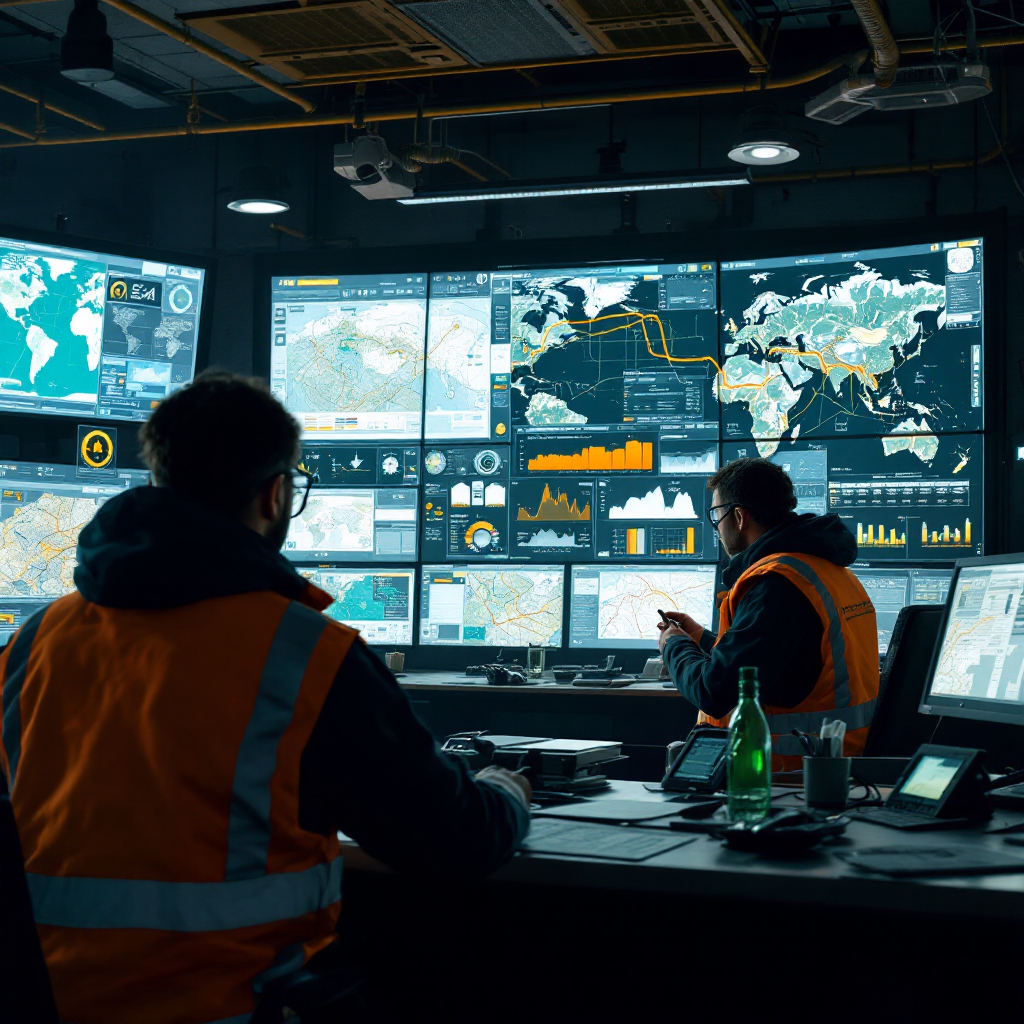
genai and agentic ai: generative, generative ai and genai use cases for modern mining
Generative AI and agentic systems serve distinct but complementary purposes. First, generative models create outputs such as reports, images, or synthetic data. Second, agentic AI orchestrates tasks, embeds outputs into workflows, and triggers operational actions. For instance, a generative model can draft a geological report and suggest likely mineral zones. Then an agentic pipeline validates the output against sensor feeds, schedules a field survey, and notifies planners. This separation matters because teams must know when to use a model for content and when to embed that content inside automated task execution.
Use cases prove the point. Generative AI speeds geological interpretation and reduces report turnaround. For example, generative models can produce exploration summaries, drill-hole narratives, and compliance documentation in a fraction of the time compared with manual drafting. In addition, synthetic data from generative models helps train detection systems when labeled examples are scarce. Next, generative copilots assist planners by answering natural language queries about inventory, shipment status, and processing capacity. After that, agentic orchestration integrates those replies into operational plans and control-room schedules. This combination lets teams move from insight to execution faster, which helps mining companies respond to market shifts and environmental conditions.
Practically, genai accelerates content. Meanwhile, agentic AI operationalises the content. For example, an agent accesses a generative model, reviews an exploration summary, then creates tasks for drilling, procurement, and permitting. In some cases, AI agents analyze market signals and combine generative outputs into supplier negotiation drafts. To see how automation and email orchestration reduce manual work across logistics and customs, read our piece on automating logistics correspondence automated logistics correspondence. Finally, teams should adopt a pattern: use generative models for draft content, then let agents validate, integrate, and trigger actions. This approach reduces rework, ensures compliance, and speeds decision-making while keeping humans in the loop.
Drowning in emails?
Here’s your way out
Save hours every day as AI Agents label and draft emails directly in Outlook or Gmail, giving your team more time to focus on high-value work.
ai agent solutions and enterprise ai: optimisation, predictive maintenance and ai in mining for mining companies
Enterprise AI programmes must map to concrete AI agent solutions that deliver measurable outcomes. First, predictive maintenance reduces failures before they occur by monitoring vibration, temperature, and oil analysis. For example, sensor-based systems predict bearing or motor faults and recommend interventions, which cuts downtime and lowers maintenance cost. Research shows that AI-driven predictive maintenance extends equipment lifecycles and reduces failures, translating into significant cost savings AI-Driven Predictive Maintenance in Mining: A Systematic Literature Review. Therefore, companies that deploy predictive maintenance agents often report fewer breakdowns and longer machine uptime.
Second, optimization agents handle fuel and fleet optimisation, inventory management, and demand forecasting. Agents analyze historical sales, market trends, and weather to optimize stock levels and reduce obsolescence. In addition, agents optimize truck cycles and route plans to lower fuel consumption and improve cycle time. For instance, better scheduling can shorten cycle times and increase tonnes moved per hour. Third, ai agent solutions can automate procurement workflows and supplier risk checks to reduce lead times and support supply chain management. To explore practical AI email drafting and logistics copilots, check our logistics email drafting AI resource logistics email drafting AI.
How do you measure impact? Use clear KPIs. Track uptime improvement, maintenance cost reduction, and cycle time shortening. For example, predictive programs aim to cut downtime and planned maintenance costs while increasing overall levels of efficiency. Also track environmental metrics like emissions and water use to support ESG and compliance goals. In practice, vendors offer different procurement models. You can buy software, subscribe to agent services, or build in-house with cloud LLMs and IoT platforms. Many teams choose a hybrid model: they deploy vendor agents for quick wins and then extend them with internal data layers. Finally, enterprise AI governance, access control, and training for mining professionals help sustain results and develop AI talent across the organisation.
deploy ai agents: integrate, deploy and framework to deploy ai in mining sector
Deploy AI agents with a clear, staged framework. First, assess data readiness. Then standardise sensors and integrate OT, ERP, and TMS feeds. Next, run a pilot, measure results, and scale successful agents across sites. This framework balances speed with control and ensures that safety validation and human oversight remain central. A good pilot covers one fleet, one processing line, or one logistics corridor and uses measurable kpis to judge success.
Implementation steps include data pipeline and sensor standardisation, API layers, and safety validation. For example, standardise telemetry schemas from mining equipment and connect them to a secure API layer. Then integrate agent accesses to ERP and WMS so agents can update inventory management records and trigger procurement. Also, design human-in-the-loop thresholds for high-risk actions. In addition, include explainability and governance controls so teams can audit agent decisions and ensure regulatory compliance. To help scale without adding headcount, see our guide on how to scale logistics operations with AI agents how to scale logistics operations with AI agents.
Risks and mitigation matter. Legacy systems create integration work. Fragmented data slows training and increases initial errors. Therefore, plan cleaning, indexing, and metadata tagging. Also, cyber security controls must protect endpoints and agent credentials. Use role-based access, audit logs, and test environments before production. For governance, define escalation paths and update policies as agents learn. Finally, recommend a pilot scope: one mine fleet or one logistics corridor with clear success metrics like reduced downtime, faster permit approvals, and lower transport costs. This approach helps mining sector teams deploy AI agents at scale while containing operational risk and ensuring compliance with local regulations.
Drowning in emails?
Here’s your way out
Save hours every day as AI Agents label and draft emails directly in Outlook or Gmail, giving your team more time to focus on high-value work.
copilot, ai chatbot and ai solution: collaboration, safety and accelerate use ai in mining practices
Human-facing interfaces accelerate adoption. Copilot tools and AI chatbots improve collaboration, reduce cognitive load, and speed routine decisions. For example, a shift engineer uses a copilot to summarise overnight alarms and then prioritise tasks. Meanwhile, a supplier-facing ai chatbot handles routine order exceptions and provides ETAs. These tools help teams follow SOPs and maintain consistent, auditable replies.
Use cases include operations copilots for shift engineers, safety chatbots for incident triage, and customer-facing bots that answer queries about shipments. Also, copilots that integrate with email and ERP systems can draft context-aware responses and update records automatically. virtualworkforce.ai offers no-code AI email agents that draft accurate replies from ERP/TMS/WMS and email history, which reduces handling time and keeps context in shared mailboxes; this approach addresses the problem of manual copy-paste and lost context in high-volume inboxes. For practical deployment, see our resource on AI for freight forwarder communication AI for freight forwarder communication.
Design tips matter. First, prioritise UX and simple flows. Second, include clear escalation paths to human operators. Third, train copilots on domain templates to ensure correct tone and compliance. Fourth, build audit trails and redaction to protect sensitive data. These steps reduce errors and support compliance and esg reporting. Finally, copilots help reduce human intervention on routine work while ensuring experts focus on exceptions. As a result, teams achieve faster decisions, improved safety, and higher morale among mining professionals.
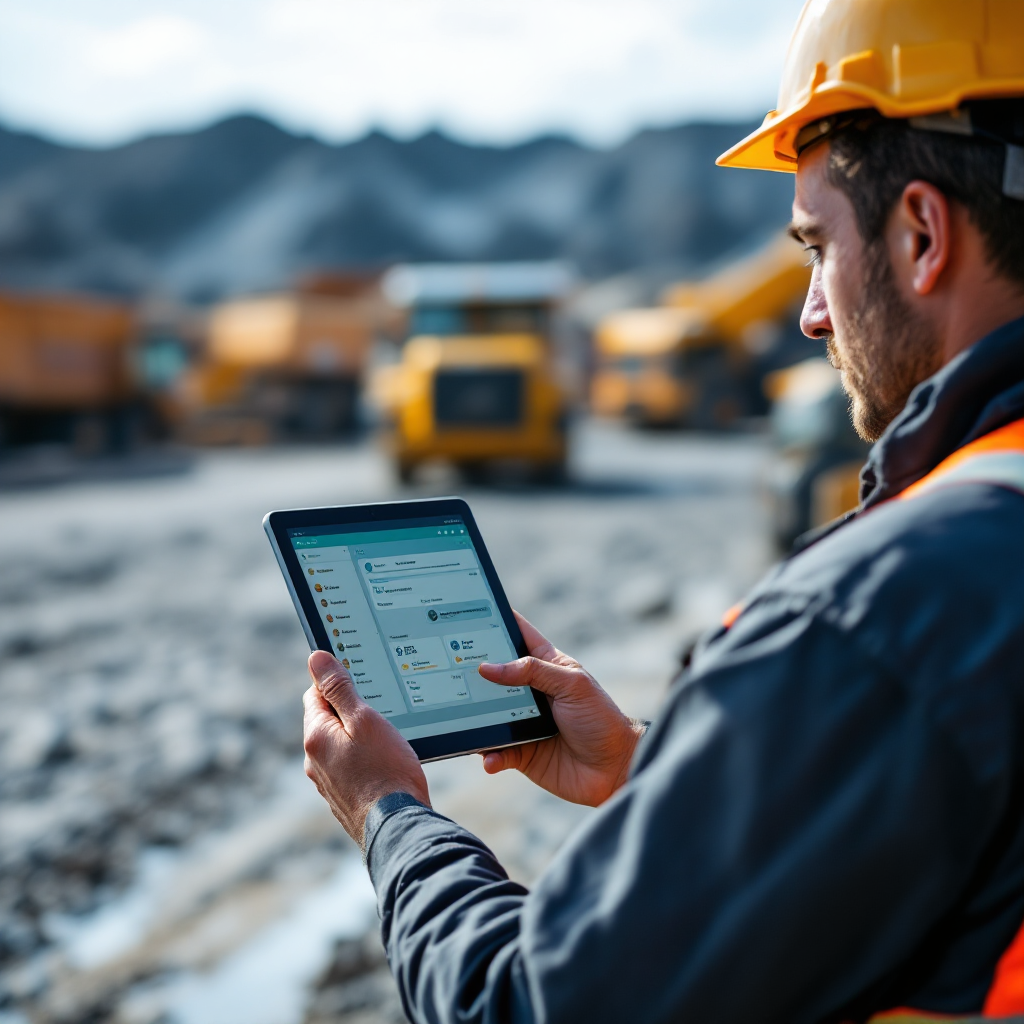
revolutionize: ai agents for mining, unlock ROI and transforming mining supply chain
AI agents for mining can unlock significant ROI through cost savings, faster time to market, and better compliance. First, optimisation agents lower fuel, reduce cycle times, and manage inventory more efficiently. Second, predictive maintenance cuts failures before they occur and prolongs component life. For example, companies that adopt AI-driven predictive maintenance report measurable reductions in unplanned downtime and maintenance spend AI-Driven Predictive Maintenance in Mining. Third, genai and agentic ai pairing accelerates exploration decisions and shortens report cycles, which improves the speed of discovery and the path from ore to sale.
Build a business case with clear KPIs. Track cost savings from fuel and labour, revenue upside from faster exploration to market, and compliance benefits such as reduced environmental impact and better reporting for ESG. Also measure levels of efficiency and the number of supplier exceptions resolved per day. To help operations teams convert email volume into automation, our ROI case studies show how no-code email agents cut handling time and reduce errors; see our virtualworkforce.ai ROI resource virtualworkforce.ai ROI for logistics. In addition, tie agent outcomes to corporate KPIs such as reduced carbon intensity or improved on-time delivery in global supply chain contexts.
Next steps for scaling include federated data strategies, continuous learning agents, and integration with cloud LLMs and Microsoft Azure OpenAI services for safe model hosting. Use a priority roadmap: data hygiene → pilot → scale → enterprise AI governance. Also, recruit and develop ai talent and operational champions to ensure sustained adoption. Finally, track three KPIs: uptime improvement, cycle time reduction, and cost savings per tonne. If teams follow this path, they can transform supply chain management, support sustainable mining, and help mining companies deliver on both commercial and compliance goals.
FAQ
What is an AI agent and how does it work in mining?
An AI agent is an autonomous software component that senses data, decides, and acts. It ingests telemetry from mining equipment and systems, analyses that operational data, and triggers tasks or notifications while keeping humans in the loop.
How do generative models differ from agentic systems?
Generative models create content such as reports or synthetic training data. Agentic systems orchestrate tasks, validate model outputs, and integrate them into workflows for task execution and compliance.
What are common use cases for AI in mining?
Common use cases include predictive maintenance, inventory management, optimized haulage, automated reporting, and safety monitoring. Each use case aims to streamline operations and reduce downtime.
How quickly can a pilot project show benefits?
A focused pilot on one fleet or one logistics corridor can show benefits in weeks to months depending on data quality. Typical early wins include faster email handling, fewer manual errors, and reduced unplanned downtime.
What data do teams need to deploy AI agents?
Teams need standardised sensor feeds, integrated ERP/TMS/TOS/WMS data, and historical maintenance logs. Clean, continuous, and labelled data speeds training and reduces initial integration work.
How do AI chatbots and copilots improve safety?
AI chatbots and copilots provide consistent SOP guidance, rapid incident triage, and timely escalation. They reduce cognitive load on frontline staff and ensure that safety steps are followed under pressure.
Can AI agents help with regulatory compliance and ESG reporting?
Yes. Agents monitor emissions, energy use, and waste streams and compile evidence for audits. They support compliance by automating documentation and providing timestamped logs for inspections.
What risks should mining companies consider when deploying AI?
Risks include fragmented legacy systems, data quality gaps, and cyber security exposures. Mitigation includes strong governance, role-based access, and staged pilots with safety validation.
How do I measure ROI from AI agent programs?
Measure uptime improvement, cycle time reduction, and cost savings per tonne or per operation. Also include softer metrics like faster report turnaround and improved supplier responsiveness.
Where can operations teams start with no-code AI solutions?
Start with repetitive, data-heavy tasks like email handling and order exceptions. No-code email agents that integrate ERP and TMS data can cut handling time and reduce errors, which provides quick wins and builds momentum for broader agent deployments.
Drowning in emails?
Here’s your way out
Save hours every day as AI Agents label and draft emails directly in Outlook or Gmail, giving your team more time to focus on high-value work.