


ai in the food industry: how AI transforms food production and the food industry
AI in the food industry refers to data-driven agents that ingest sensor, machine and ERP data to optimize lines and decisions. These agents run on machine learning models and connect to PLCs, MES and ERP feeds. As a result, teams see faster fault detection, clearer insights, and steady yields. For example, systems that use computer vision report fewer rejects and steadier yields on packing and sorting lines. A central metric is OEE, and operators track yield, downtime and reject rate to measure impact. Ultra Consultants explains how AI technologies analyze production data from machines and IoT sensors to streamline manufacturing execution systems and enable faster decision-making source.
On the plant floor, AI complements human operators. First, sensors feed real-time data and AI flags anomalies. Next, it suggests corrective steps that operators accept or adjust. Then, logs create audit trails for traceability. This pattern reduces manual checks and boosts throughput. Manufacturers can also connect AI to historical batch records to spot drift in recipes or cook profiles. In practice, that lowers reject rates and shortens cycle times.
Key success metrics include yield percentage, unplanned downtime, reject rate and throughput per hour. Operational teams should measure baseline values for a period and then run pilots on one line. After a 30–90 day pilot, compare results and validate with quality teams. When teams test AI, they should also test AI models against edge cases and maintain human oversight.
AI tools do not replace quality engineers. Instead, they give engineers better alerts and richer data. For example, an operator who receives an alert about a temperature spike can see the sensor history, related ERP batch notes and corrective-action templates. This speeds resolution and reduces variation. Finally, plant managers who combine AI with clear KPIs see consistent improvements in throughput and product consistency. The power of AI and good governance together transform food production in measurable ways.
ai in the food: cutting waste and optimising the supply chain
AI cuts food waste and optimizes the supply chain by improving demand signals and replenishment. Retailers and grocers use demand forecasting models to align orders with true consumption. As a result, some stores report waste falls of roughly 15–50% after deploying forecasting and replenishment models that match product shelf life to demand source. Also, 79% of U.S. restaurants now use some form of AI, showing broad adoption of automation across related channels source.
Common use cases include dynamic ordering, shelf-life prediction using IoT cold-chain data, and route optimisation for perishable goods. Dynamic ordering changes order quantities and cadence as demand shifts. Shelf-life prediction uses data from temperature loggers and humidity sensors to forecast decay and prioritize rotation. Route optimisation minimizes time in transit and keeps product fresher on arrival. These tactics together cut spoilage and lost sales. Measure success with tonnes of waste avoided, inventory days on hand, and lost-sales reduction.
In warehouses, AI improves inventory management by predicting stock-outs and overstocks. The system suggests transfers across stores, and it flags items that will expire soon. This reduces markdowns and shrink. Vendors can also use AI to group promotions by region and channel to make sure offers match demand. For logistics teams, this reduces emergency shipments and lowers transport carbon. In short, AI helps streamline replenishment and route planning while protecting margins.
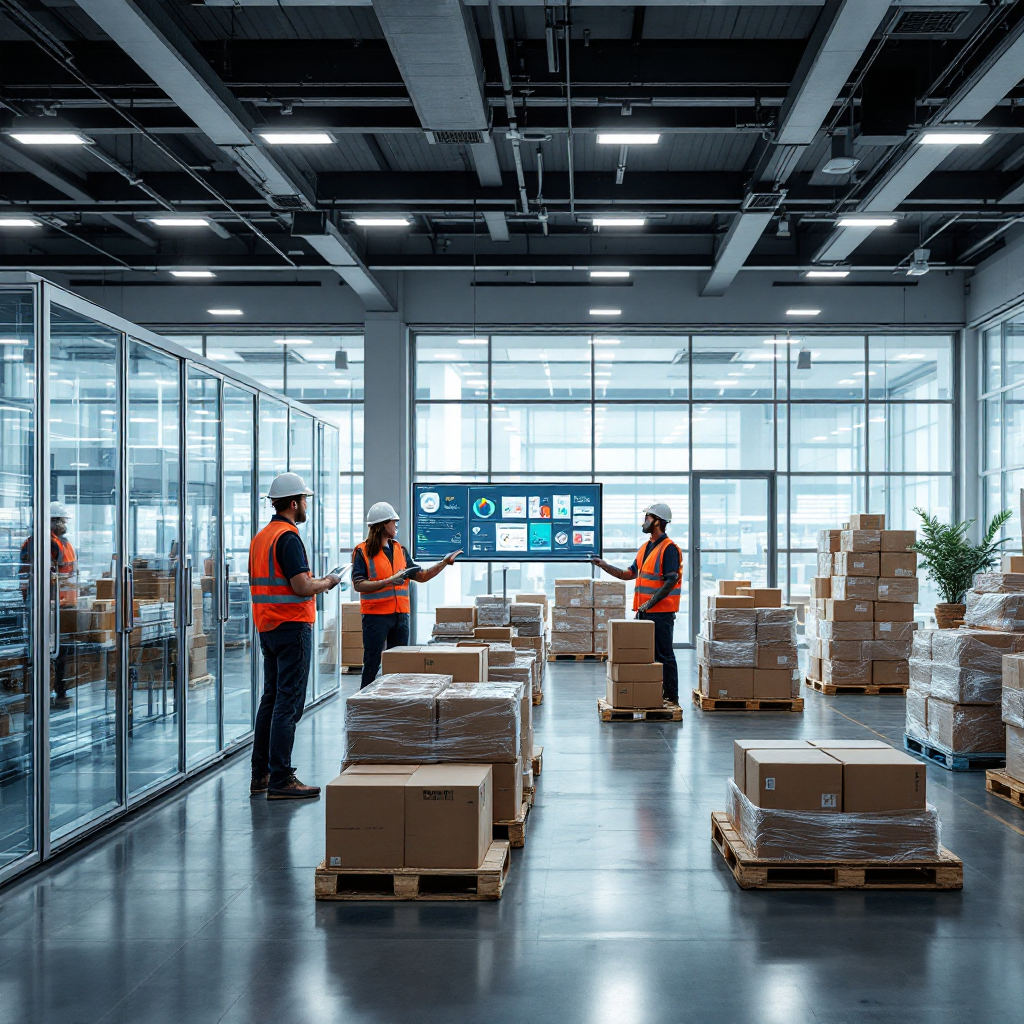
Finally, companies that integrate AI with their ERP systems see faster decisions. For example, a virtual email assistant that reads ERP and TMS data can approve or escalate last-minute replenishment emails in seconds. Learn how virtual assistants for logistics tie data together in practice virtual assistant for logistics. Overall, AI reduces waste, improves freshness and helps teams react faster to demand swings across the food supply chain.
Drowning in emails?
Here’s your way out
Save hours every day as AI Agents label and draft emails directly in Outlook or Gmail, giving your team more time to focus on high-value work.
food safety and quality control: ai tools, virtual assistant and computer vision in practice
Computer vision inspects products on the line faster and more consistently than manual checks. Major processors now use vision to flag defects, contamination and foreign objects. Vision systems capture thousands of images per minute, score each item and route anomalies to quality teams. Virtual assistant roles include guiding operators through HACCP checks, logging corrective actions, and surfacing anomalies to quality leaders. These assistants can also attach machine data and photos to quality logs. This makes audits faster and more transparent.
However, food safety teams must validate AI outputs. Experts warn that “food safety experts often aren’t well-versed in AI, making it tough to validate results,” and teams need training to interpret model signals source. Maintain human oversight and audit trails. Build validation plans that include edge cases, seasonal shifts and supplier variability. When AI flags a potential contamination, operators should follow predefined corrective actions that the virtual assistant logs automatically.
Computer vision excels on repetitive tasks such as food sorting and package seal checks. Vision reduces human fatigue and produces consistent sampling. For batch release, AI can correlate imaging results with in-line sensors and lab samples to speed approvals. For example, a combined system that links vision results, temperature history and lab data can reduce false positives while keeping safety standards high.
Virtual assistants also improve communication. A no-code AI email agent can draft data-grounded replies for quality exceptions and instructions, reducing handling time and errors. Explore how automated logistics correspondence speeds replies and logs actions automated logistics correspondence. To retain control, log every AI suggestion and require operator sign-off for critical decisions. This approach preserves accountability while benefitting from AI speed.
food and beverage industry: personalize offerings, food innovation and generative ai for product R&D
The food and beverage industry uses AI to personalize offers, speed product innovation and support R&D. AI analyses consumer and sensory data to suggest formulations and packaging variants. In fact, 41% of consumers see AI as useful for product innovation according to market research source. Firms use AI to parse feedback, reviews and purchase data to spot emerging food trends and to design new SKUs. Generative AI accelerates ideation for recipes, labels and marketing copy, but companies must verify outputs for safety and compliance.
Use cases include tailored recipes and regional packaging variants. Brands can personalize meal kits and promotions by region. For instance, CRM signals, point-of-sale data and social listening feed models that recommend which promotions to run. This lets teams personalize assortments for specific channels or customer segments. AI can also suggest portion sizes to reduce waste and match local preferences.
In R&D, combining artificial intelligence and machine learning with sensory panels speeds formulation cycles. Models propose ingredient swaps that keep taste profiles but cut cost or allergens. Yet, sensory verification remains mandatory. Companies must also ensure regulatory compliance for new formulations before launch. While generative ai can write concept copy and generate label drafts, legal and regulatory review should approve every change.
Food manufacturers and brand teams should use AI to test concepts quickly, then send winning ideas to sensory and regulatory teams. This two-step method reduces time to market and keeps risk in check. Overall, AI supports creativity and speed while preserving human judgment in product development and customer experience.
Drowning in emails?
Here’s your way out
Save hours every day as AI Agents label and draft emails directly in Outlook or Gmail, giving your team more time to focus on high-value work.
using ai and ai agent on the shop floor: predictive maintenance, smart ai and powerful ai for operations
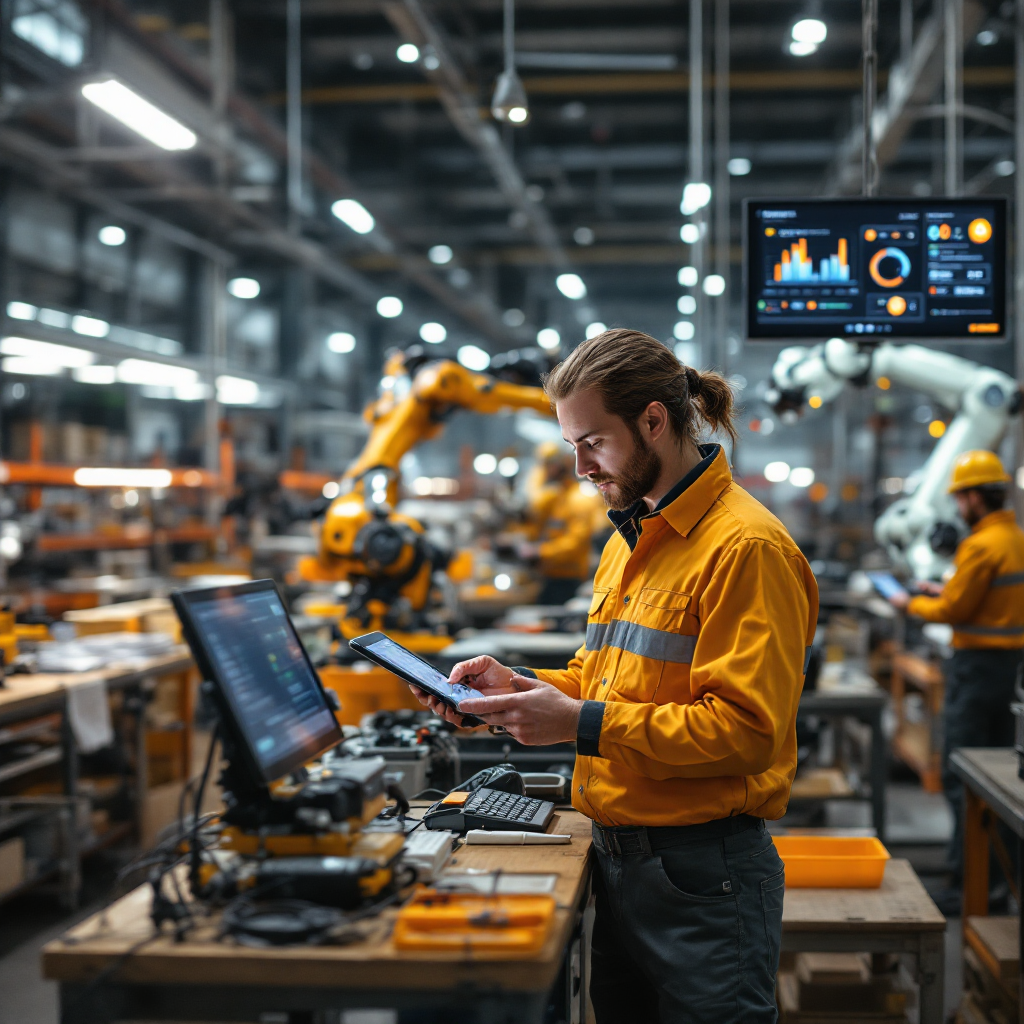
Predictive maintenance uses vibration and temperature sensors to forecast failures and cut unplanned downtime. Machine learning models detect patterns that precede motor failures or bearing wear. In practice, plants see double-digit drops in outage time after deploying predictive maintenance pilots. AI agents can then trigger work orders in the CMMS and route tasks to maintenance crews. This reduces MTTR and keeps lines running.
An ai agent on the shop floor can do more than schedule maintenance. Autonomous schedulers can reschedule batches when a line slows. Conversational voice ai or chat agents can answer operator queries in real time about setpoints, changeover steps and batch history. For email-based exceptions, a no-code AI email agent can draft data-grounded replies using ERP and TMS context, reducing handling time dramatically. See how teams scale logistics operations without hiring by using AI agents how to scale logistics operations with AI agents.
Start with pilots on one line. Measure MTTR, mean time between failures and labour hours saved. Track improvements in uptime and compare to baseline. Then iterate on model thresholds and alerting rules. Smart AI helps teams avoid unnecessary interventions while flagging real risks. Powerful AI tools also integrate with quality and safety workflows so that maintenance actions update batch records automatically.
Teams should safeguard data and keep human-in-the-loop checks for safety-critical steps. Implement role-based approvals, audit logs and escalation paths. When operators trust the system, adoption grows. As adoption spreads, companies convert sporadic gains into plant-wide performance improvements. In sum, using ai on the shop floor modernizes operations and brings measurable benefits to food processing and production lines.
integrate ai, ai applications in food and the future of ai: deployment, ROI, governance and food service opportunities
To integrate AI successfully, follow practical rollout steps. First, map use cases and prioritize by ROI and ease of data access. Second, clean and label data so models learn from accurate records. Third, run pilots with cross-functional teams including quality, ops and IT. Finally, scale once pilots validate savings and safety. This staged approach lowers risk and speeds adoption across the plant and the wider food supply chain.
Calculate ROI using waste reduction, labour savings, improved yield and fewer recalls. Present short (6–12 months) wins such as reduced reply times or fewer emergency shipments. Then show medium (12–36 months) gains from yield improvements and lower maintenance costs. For example, many teams find fast wins by automating repetitive communications with an email agent that reads ERP and shipping systems. A no-code AI email assistant can cut handling time per message from ~4.5 minutes to ~1.5 minutes in logistics workflows, turning email from a bottleneck into a reliable workflow.
Governance matters. Test for false data and keep audit trails. Train staff on AI outputs and create clear escalation paths. Partner with vendors for domain expertise and to ensure models respect safety standards and regulations. Use versioned models and rollback plans so you can revert quickly if issues arise. Also, integrate AI systems with existing IT controls and access policies to protect sensitive batch and supplier data.
Looking ahead, the future of ai includes wider adoption across food service and tighter farm-to-fork traceability. AI solutions will connect growers, processors and retailers for better forecasting and freshness. Using ai-powered decision support, companies can cut food waste and improve customer experience across channels. The power of AI will help teams transform operations, improve safety and drive food innovation while keeping humans firmly in control.
FAQ
What is an AI assistant in food manufacturing?
An AI assistant is a software agent that ingests sensor, machine and ERP data to help operators make faster, data-driven decisions. It can alert teams to faults, draft context-aware communications and log actions so humans can review and approve them.
How does computer vision improve quality control?
Computer vision inspects items at high speed and flags defects consistently, which reduces human fatigue and sampling errors. It also ties images to batch and sensor data so quality teams can approve or quarantine affected lots quickly.
Can AI really cut food waste?
Yes. When linked to demand forecasting and inventory management systems, AI helps reduce over-ordering and spoilage. Some deployments show waste reductions in the range reported by retailers and grocers when forecasting and replenishment models run in production source.
What role do virtual assistants play in food safety?
Virtual assistants guide operators through HACCP steps, log corrective actions and surface anomalies to quality teams. They reduce documentation gaps and speed audits while maintaining traceability and human sign-off.
Are AI models safe for regulatory compliance?
AI models can assist compliance but do not replace regulatory review. Teams must validate model outputs and keep human oversight for safety-critical decisions. Training and audit trails support compliance.
How should manufacturing teams start implementing AI?
Begin with a focused pilot on one line, map data sources, clean data and involve quality, ops and IT for validation. Measure baseline KPIs, then compare after the pilot to quantify ROI before scaling.
What is predictive maintenance and how does it help?
Predictive maintenance uses sensor data to forecast equipment failures and schedule repairs before breakdowns occur. This reduces unplanned downtime and lowers maintenance costs while improving throughput.
Can AI help with product innovation?
Yes. Generative AI and machine learning analyze consumer data to suggest formulations and packaging variants. However, outputs require sensory testing and regulatory checks before market launch source.
How do AI email agents fit into operations?
AI email agents read ERP, TMS and email history to draft accurate, context-aware replies and log actions in systems. This saves time, reduces errors and keeps a clear audit trail for exceptions and logistics queries automated logistics correspondence.
Where can I learn more about scaling AI for logistics?
Explore practical guides on piloting AI agents and scaling operations that include cross-functional validation and governance. For a deeper look, see resources on scaling logistics operations with AI agents how to scale logistics operations with AI agents.
Drowning in emails?
Here’s your way out
Save hours every day as AI Agents label and draft emails directly in Outlook or Gmail, giving your team more time to focus on high-value work.