


virtual assistant: why a virtual assistant for architects delivers benefits of a virtual
Firms save time with faster replies, fewer missed items, and clearer ownership. For example, teams that adopt AI tools report a 30–40% reduction in time spent on email. Also, a survey found that 65% of professionals say AI tools improve client responsiveness. Therefore, architects get back more hours to focus on design.
A virtual assistant manages email, scheduling and client comms for an architecture practice. First, it triages new messages and flags urgent queries. Second, it drafts routine replies and schedules meetings. Third, it follows up on outstanding items and syncs calendars. As a result, project timelines move more predictably and teams meet each deadline more often. In practice, communications automation links to about a 20% improvement in project delivery efficiency. This boosts client confidence and helps the architecture firm win repeat work.
Main email tasks to automate include triage and prioritisation, drafting standard replies, follow‑ups, meeting scheduling and calendar sync. For example, a virtual assistant can label messages by project, create an email list for consultants, and auto‑populate meeting invites. Also, it can insert project codes and BIM references to reduce errors. A skilled virtual assistant or AI agent reduces time-consuming tasks and stops small delays becoming major problems. In short, the immediate value is faster client response, fewer missed deadlines and more architect time for design.
When you evaluate options, consider how the solution handles shared inboxes, escalation logic and audit logs. virtualworkforce.ai offers AI agents that automate the full email lifecycle for ops teams and can be adapted for architectural workflows. For background on using AI agents to scale operations, see a practical guide on how to scale operations with AI agents. Also, if you want examples of end-to-end email automation, review case studies about automated correspondence and routing in complex teams.
architect: choosing an architect virtual assistant with a background in architecture — an architectural virtual assistant explained
Choosing a virtual assistant with a background in architecture speeds onboarding and reduces mistakes. A VA who understands terms like RFI, BOQ and BIM will sort and respond faster. Also, they will read brief formats and know stakeholder roles. For that reason, an architectural virtual assistant brings immediate value. They cut the learning curve for project emails and help maintain professional tone.
Roles a specialist can cover include project‑based email threads, consultant coordination, proposal emails, change‑order queries and recordkeeping. For example, a virtual assistant architect can track consultant replies, log approvals and chase missing documents. Additionally, the assistant can prepare a draft response for an architect to approve. This AI + human model keeps quality high. First, AI drafts replies and suggests templates. Second, a human VA with architectural knowledge checks accuracy and tone. The result is speed plus professional care.
When you hire, use a selection checklist. Ask for sample tasks, a portfolio or references from other architecture firms. Also, require a confidentiality agreement and a short test task that mirrors typical project email. Next, set clear SLAs for response times and error rates. A trial period of 2–4 weeks helps both sides evaluate fit. If you prefer tools, explore virtual assistant services that combine AI and specialist humans. For more on end-to-end email automation and routing logic, see virtualworkforce.ai’s explanation of automated logistics correspondence and its approach to thread-aware email memory here.
Drowning in emails?
Here’s your way out
Save hours every day as AI Agents label and draft emails directly in Outlook or Gmail, giving your team more time to focus on high-value work.
architecture firm: how architecture virtual assistants fit into an architectural firm and free staff time
An architecture firm often has partners, project managers and juniors who all handle email. A virtual assistant replaces routine admin work so staff can focus on design tasks and client strategy. For example, the VA can clear shared inboxes, route messages to the right project code, and attach BIM file links. As a result, staff reclaim hours weekly. Firms typically track hours reclaimed per week, reduced backlog and improved meeting setup speed.
Where does a VA sit in the workflow? It plugs into existing systems and maps emails to project management tools like ClickUp or Asana. The assistant can push structured data back into your PM system and tag items by urgency. Additionally, it can update project timelines and notify the team when a decision is needed. This creates a seamless flow between email and project documentation. To learn how AI agents can automate email lifecycles in operations, and how that applies to design teams, see an operational example on virtual assistant logistics here.
Data security matters. Require encryption, role-based access, GDPR‑style compliance and audit logs for BIM and client drawings. Also, use secure platforms for file sharing and record every access. Next, agree how sensitive attachments are handled. You should measure outcomes with clear KPIs. Track hours reclaimed, backlog drop, meeting punctuality and client satisfaction. In many cases firms to enhance their client relationship and build trust quickly when email becomes reliable and traceable. Finally, this approach allows architects to focus on design and client work while the assistant manages routine correspondence.
hire a virtual: how to hire a virtual assistant, hire a virtual assistant, hire an architect or vas — when to delegate
Deciding when to hire a virtual assistant is simple. Delegate repetitive emails, scheduling, standard client updates, document requests and basic invoice chasing. If your team spends more than a few hours a week on those tasks, consider hiring. Also, if missed deadlines or slow replies harm client relationships, act quickly. Hiring a VA reduces time lost on triage and manual lookup and helps the firm scale without extra office space.
Options include freelance VAs, specialised agency VAs, part‑time in‑house assistant, or hiring an architect for admin tasks. Each option has pros and cons. Freelancers offer flexibility and lower fixed costs. An in-house assistant provides immediate presence and closer control. Agency VAs or specialised remote professionals who support architecture projects provide domain knowledge and scalable support. For examples of how companies choose between hiring virtual support and traditional outsourcing, read about virtualworkforce.ai vs traditional outsourcing in operations contexts.
Follow a clear hiring process. First, define scope and key performance indicators. Second, run a trial period of 2–4 weeks with test tasks. Third, perform security checks and sign NDAs. Fourth, set SLAs for response times. Also, include a handover process for sensitive projects. A short onboarding checklist helps. Include access limits, sample email templates, escalation paths and a contact matrix. Finally, consider hybrid models: keep an in‑house assistant for high‑touch client liaison and outsource routine work to VAs. This mix gives control and flexibility while cutting costs and improving time management.
Drowning in emails?
Here’s your way out
Save hours every day as AI Agents label and draft emails directly in Outlook or Gmail, giving your team more time to focus on high-value work.
benefits of hiring: benefits of hiring a virtual vs in‑house assistant — compare costs and control
Hiring a virtual assistant offers cost and flexibility advantages. Virtual assistants reduce fixed payroll costs and scale with demand. In contrast, an in‑house assistant gives closer control and immediate presence. For many firms a hybrid approach works best. Keep a small in‑house team for core client relationships and outsource routine email and scheduling to specialist remote professionals.
Control and quality differ by model. An in‑house assistant suits high‑touch client liaison and contract negotiation. Meanwhile, virtual assistants offer out‑of‑hours coverage and scalable support during peak loads. Also, specialised remote professionals who support architecture or engineering projects bring domain knowledge without the overhead of extra office space. The benefits of hiring a virtual assistant include lower overhead, flexible coverage and quick ramp-up. Conversely, the benefits of hiring an in‑house assistant include tighter integration with internal processes and culture.
Governance keeps things safe. Set access boundaries, regular reporting and a clear handover if an assistant leaves. Also, define acceptable error rates and response KPIs. For finance, compare hourly costs, expected hours saved and ROI. Many teams see measurable time savings within 4–8 weeks of onboarding. Also, virtual assistants work well with tools like shared calendars, secure file stores and automated email drafting systems. If you want a practical comparison of automating email workflows in operations, see virtualworkforce.ai’s note on ROI and full email lifecycle automation for ops teams.
virtual architect assistant: workflow, virtual meetings and video conferences — what architects can handle and frequently asked questions about virtual assistant for architecture
A typical VA workflow for a project email cycle is simple and consistent. Receive an email, classify it by project and urgency, draft a suggested reply or flag for review, schedule or close the loop, and log the action into the project management system. This predictable loop saves time and reduces friction. Also, it keeps a clear record for audits and client queries. The assistant ensures smoother handoffs and helps teams manage project timelines more reliably.
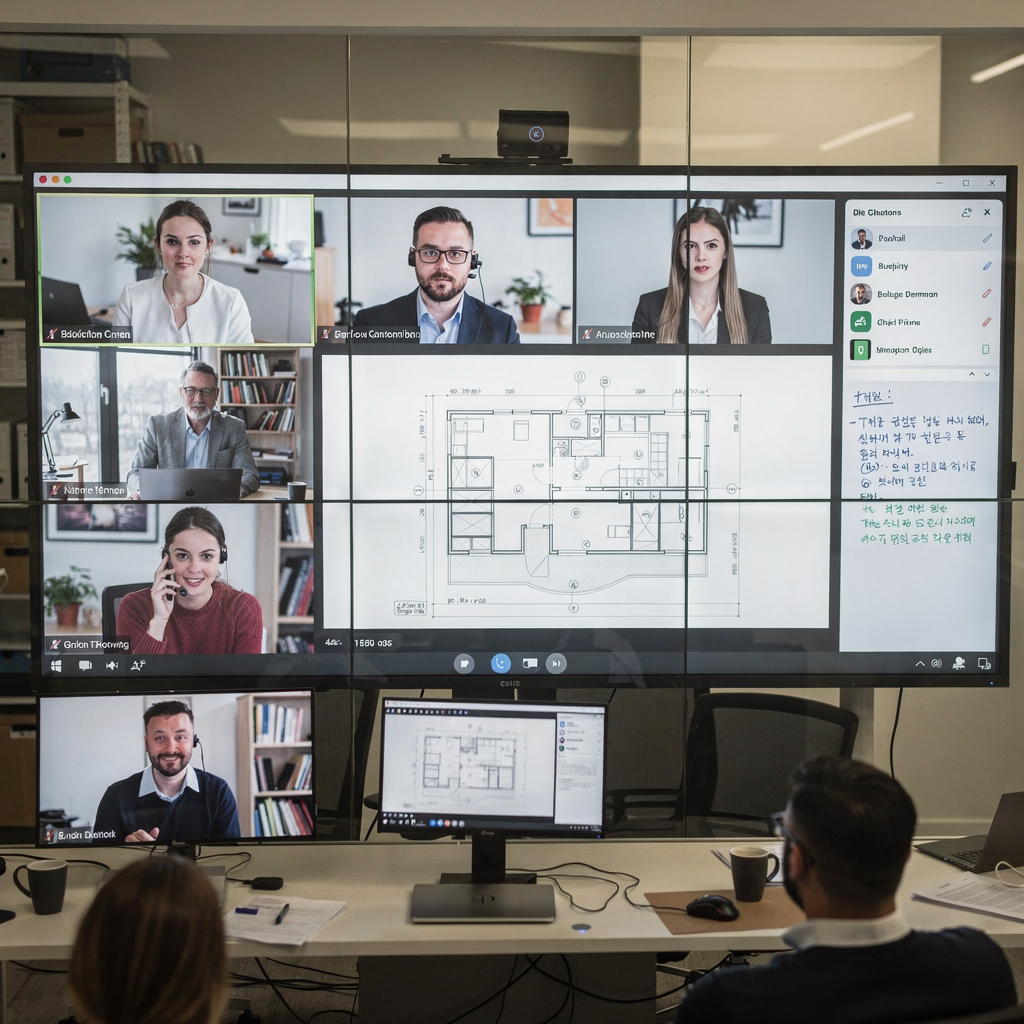
For virtual meetings and video conferences the VA can schedule calls, send agendas, prepare meeting packs and manage join links. After meetings, the assistant can record minutes and send follow-ups. This frees architects to focus on creative and technical decisions during calls. The assistant can also manage an email list for consultants and ensure all stakeholders receive the right documentation on time.
What should architects keep? Final design decisions, contract negotiation, technical sign‑offs and client strategy should remain with licensed professionals. Everything else you can delegate. Use AI for draft replies, but have a human review technical content or contract language. Finally, to measure success track hours saved, reduced email backlog, meeting punctuality and client satisfaction. For a view of how AI agents automate correspondence in operations and reduce per‑email handling time, consult research on AI agents and practical case studies here.
FAQ
What tasks can a virtual assistant handle for an architect?
A virtual assistant can manage routine email, schedule meetings, prepare agendas and follow up on document requests. They can also draft standard replies and log items into project systems, allowing architects to focus on design and client strategy.
Will a VA handle confidential drawings?
Yes, with correct NDAs, role‑based access, encryption and audit logs a VA can safely handle sensitive files. Always define secure platforms and strict access policies before granting permissions.
How fast will we see a return on investment?
Many firms notice measurable time savings within 4–8 weeks of onboarding a VA. For example, teams that adopt complete email automation report 30–40% reductions in email time, which quickly translates into reclaimed design hours.
Can AI draft client replies safely?
Use AI for drafts and templates, but have a human review technical or contractual content. This AI + human model keeps speed high and error rates low.
How do we measure VA success?
Track hours saved, reduced email backlog, meeting punctuality and client satisfaction scores. Also, monitor response SLAs and error rates to ensure quality control.
Should we hire a freelancer or an agency VA?
Choose freelancers for flexibility and lower cost, and agencies for scale and domain expertise. A hybrid model often gives the best balance of control and scalability.
Can a VA manage calendars across consultants?
Yes — calendar sync and meeting proposals cut scheduling time and reduce clashes. A VA can also attach meeting packs and manage join links for virtual meetings and video conferences.
What security checks should we require?
Require NDAs, encryption, role-based access, GDPR-style compliance and audit logs. Also, test access to BIM and client files in a controlled way during onboarding.
When should architects not delegate a task?
Do not delegate final design decisions, professional sign‑offs, contract negotiation or client strategy. Keep those activities with licensed architects and senior staff.
How do we start onboarding a VA?
Define scope, run a 2–4 week trial, set SLAs and provide a short onboarding checklist with templates, escalation paths and access rules. This streamlines the process and reduces risk.
Drowning in emails?
Here’s your way out
Save hours every day as AI Agents label and draft emails directly in Outlook or Gmail, giving your team more time to focus on high-value work.