


AI agent — what “ai agent” and “ai agents work” mean, and the role of “ai and the human”
An AI agent is software that can perform tasks, learn from data, and interact with people or systems. For nonprofits this includes chatbots, predictive models, and robotic process automation. Also. Next. Then. AI agents work by combining data, models, and integrations. First, data feeds train a model. Second, models can include natural language processing and supervised learning. Third, integrations connect to CRM, payment gateways, and operational systems.
An AI agent uses ai models to classify messages, extract intent, and make decisions in guided ways. Also. Next. These agents often include human oversight, called human-in-the-loop, so staff can review edge cases. This preserves accountability and reduces risk. The system design expects human intervention when outcomes affect rights or safety. In research, experts stress that “Responsible AI is not just about technology but about ensuring that innovation aligns with ethical standards and social values” in a Tehran study.
Also. Then. For example, a donor-facing chatbot can answer basic questions and route complex queries to a person. Another example is a predictive donor score. These scores help fundraising teams prioritise outreach and retain supporters. AI agent use often depends on continuous learning and monitoring to avoid model drift. Also. Finally. This mix of AI and human oversight keeps nonprofits safe and effective as they adopt AI.
Where nonprofits and “nonprofit” teams use “ai tools” and why NGOs adopt them
Many nonprofits use AI to automate admin work and to improve programme outcomes. First, donor management and fundraising automation reduce manual steps. Next, programme monitoring and beneficiary targeting become more accurate with analytics. Also. Platforms and partnerships show adoption across the sector. For example, Omdena has worked with over 40 NGOs to build AI solutions tailored to nonprofit needs Omdena case studies. Also. This illustrates how collaborative models help organisations adopt ai.
Also. Then. Humanitarian groups use predictive tools as well. A predictive migration model reached up to 80% accuracy in forecasting movement patterns, which helps planners allocate resources better migration research. Next. That capability frees teams to act earlier and with confidence. Many nonprofits face resource constraints and seek solutions that fit existing systems. Therefore, nonprofits often integrate AI with their CRM or Nonprofit Cloud tools to avoid duplicated workflows. For example, teams can connect operational email handling to automation platforms to reduce time spent triaging messages. Learn how operational email automation fits logistics and service teams in our guide on scaling operations with AI agents how to scale logistics operations with AI agents.

Drowning in emails?
Here’s your way out
Save hours every day as AI Agents label and draft emails directly in Outlook or Gmail, giving your team more time to focus on high-value work.
Donor and “fundraising” systems: how ai agents for nonprofits help “donor” engagement and giving
AI agents for nonprofits assist donor engagement and fundraising in clear ways. First, they segment donors by behaviour. Then, they personalise appeals and automate follow-ups to increase response rates. Also. Donor scoring predicts which supporters will renew or upgrade. This improves donor retention and saves staff time. For instance, Nonprofit CRM platforms offer predictive donor scoring that helps teams decide who to call first. Also. Fundraising teams use these insights to plan campaigns and measure results.
Also. Next. An automated chat assistant can guide a donor through a donation flow, answer tax receipt questions, and create structured data for the CRM. This reduces repetitive tasks and improves reply speed. For operational email use cases you can explore how AI drafts logistics and customer service messages when integrating with Gmail or Outlook automate logistics emails with Google Workspace and virtualworkforce.ai. Also. A fundraising agent can tailor language by segment and channel to personalise outreach and build stronger donor relationships. This helps with relationship building and increases average gift size.
Also. Metrics to track include retention rate, average gift, response time, and time saved per staff member. For many nonprofits, early pilots show measurable uplift. For example, organisations that adopt targeted appeals often report higher conversion. Also. These pilots help teams decide whether to scale automation across other donor processes.
Implementing ai: how to “implementing ai” and how nonprofits “embrace ai” responsibly to “help ngos” and “help nonprofits”
Implementing ai starts with one clear use case. First, clarify the problem you want to solve. Second, assess data readiness and privacy constraints. Also. Then choose a pilot scope that fits current staff capacity. Next, decide whether to hire a vendor, partner with a collaborative group, or use off-the-shelf tools. For example, virtualworkforce.ai focuses on automating the full email lifecycle for ops teams, which reduces handling time and increases consistency. See our approach to logistics email drafting to understand data grounding and governance logistics email drafting AI.
Also. Next. Governance matters. NGOs must perform bias testing, protect personal data, and communicate transparently with stakeholders. The UN report on AI governance offers frameworks for responsible deployment and accountability Governing AI for Humanity. Also. Ensure ai models have monitoring and audit trails so teams can detect model drift. Adopt clear human oversight rules for decisions that affect beneficiaries.
Also. Finally. Start small with pilots, measure KPIs, then scale. When you adopt ai, plan budgets for data work, model maintenance, and change management. Also. Consider hybrid delivery: work with vendors for complex integrations and quick wins. That makes implementation smoother and preserves organisational trust. Also. If you need examples of AI systems integrating with operations, review case studies that show how platforms link to ERP and shared inboxes to route emails and create structured data ERP email automation logistics.
Drowning in emails?
Here’s your way out
Save hours every day as AI Agents label and draft emails directly in Outlook or Gmail, giving your team more time to focus on high-value work.
The “power of ai agents” to “amplify” mission work and “benefits of ai agents” for a “greater impact”
The power of AI agents lies in their ability to amplify mission work. First, they free staff to focus on strategies and human-centred services. Also. By automating repetitive tasks, nonprofits can redeploy personnel to higher-value work. For example, automated email handling reduces triage time and brings clarity to ownership. Next. This frees nonprofit staff and supports relationship building with beneficiaries and donors. Also. AI agents can streamline workflows that once required heavy manual input.
Also. The systemic benefits include scaling programmes without linear staffing increases. Predictive models improve response times for humanitarian crises, with some migration forecasting tools reaching about 80% accuracy in trials predictive migration accuracy. Also. That improvement helps NGOs allocate scarce resources more effectively. AI agents offer data-driven decisions based on predefined rules and model outputs. Also. They are built to escalate only when needed, preserving human intervention for complex cases.
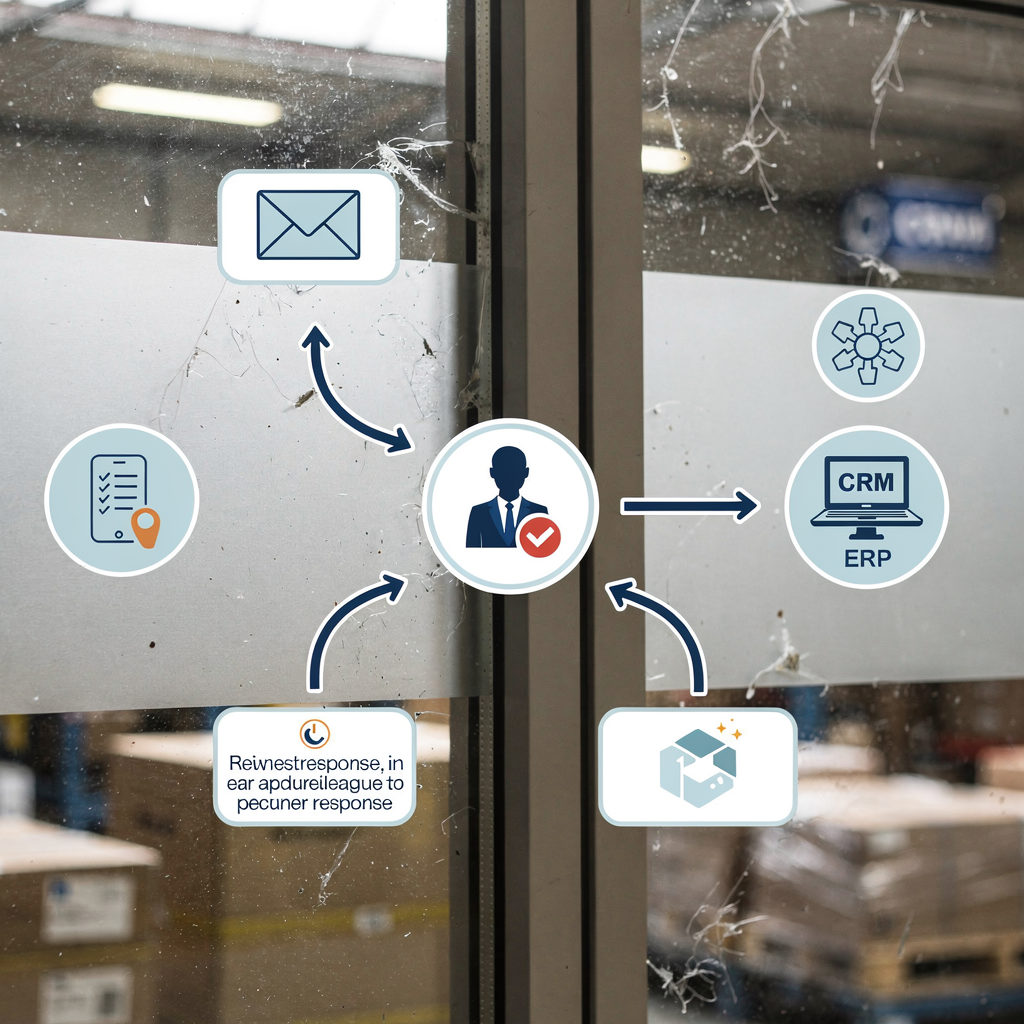
Also. Finally. The benefits of ai agents include faster decisions, better targeting, and higher reporting quality for funders. Also. To amplify your impact, pick projects that save time and measure outcomes. For example, virtualworkforce.ai helps teams reduce email handling time from about 4.5 minutes to 1.5 minutes per message. Also. This kind of saving leads to greater impact in the field and better service to communities. Therefore, leaders should test small, measure results, and scale what works.
“frequently asked questions” NGOs ask about “ai agents work” and next practical steps
Frequently asked questions drive practical adoption. Also. Below are concise answers and next steps. First, pick one pilot that solves clear pain. Then, secure data access and assign an owner. Also. Next, define KPIs and governance. Finally, plan a review cadence and stakeholder communication. For a runway, most pilots take three to six months from scoping to measurable results. Also. When choosing vendors, compare zero-code connectors, data grounding, and escalation paths. You can learn about our end-to-end email automation approach and ROI for ops teams in our ROI discussion virtualworkforce.ai ROI.
Also. Here is a short checklist leaders can use. First, identify the top repetitive processes. Second, confirm data sources and privacy constraints. Third, run a short pilot with clear KPIs. Fourth, include human oversight and reporting. Also. Suggested initial projects include a donor chat assistant, a donor scoring pilot, or an automated grant reporting dashboard. For teams handling logistics or operations email, consider how agents can support routing and drafting to improve service speed improve logistics customer service with AI. Also. Agents can help make quicker decisions and keep context attached to escalations. Finally, remember that the age of AI offers tools to help nonprofits better serve their communities while ensuring transparency and safety.
FAQ
What is an AI agent and how does it differ from other AI systems?
An AI agent is software designed to perform tasks, interact with people, and learn from data. It differs from static AI models because agents can act autonomously within defined rules and escalate to humans when needed.
How can AI agents help nonprofits with donor management?
AI agents can automate segmentation, score donors, and personalise outreach to increase retention. They also draft replies and log interactions, which saves time for fundraising teams.
What data do NGOs need to run a pilot?
NGOs typically need clean supporter records, interaction logs, and campaign history. They also need permissions and privacy safeguards to ensure compliance with local rules.
How long does an AI pilot usually take?
Most pilots take three to six months from scoping to measurable results. They include data preparation, model tuning, and setting up governance and KPIs.
Are AI agents safe to use with vulnerable populations?
They can be safe if you apply strict governance, bias testing, and human oversight. Always design escalation paths and consent processes when services touch sensitive groups.
Should NGOs build AI in-house or work with a vendor?
That depends on skills and budget. Vendors speed implementation, while in-house work offers control. A hybrid approach often works best for mid-sized organisations.
How much does AI implementation cost for nonprofits?
Costs vary by scope, data complexity, and integrations. Start with a small pilot to test ROI and then scale based on measured impact and cost per outcome.
Can AI agents replace staff?
No. They automate repetitive tasks and free staff to focus on higher-value work. Human oversight remains essential for complex decisions and ethics reviews.
What are quick wins for AI in the nonprofit sector?
Quick wins include donor chat assistants, donor scoring pilots, and automated reporting dashboards. These projects deliver measurable time savings and improve service quality.
Where can I learn more about responsible AI for NGOs?
Start with sector reports and governance frameworks, such as the UN’s report on AI governance. Also, review case studies from collaborative platforms like Omdena to see practical examples and lessons learned Omdena case studies.
Drowning in emails?
Here’s your way out
Save hours every day as AI Agents label and draft emails directly in Outlook or Gmail, giving your team more time to focus on high-value work.