


1. ai in government: adoption, use cases and impact on public sector
Governments now use AI to manage records, answer questions, and speed decision-making. A 2026 study reports that nearly 90% of U.S. government agencies already apply AI in some form. That adoption creates scale. For example, document and data processing makes up roughly 54% of reported use cases, which shows where early returns appear most often.
At the same time, citizen-facing work still has room to grow. A U.S. survey found only about 4% of AI projects targeted direct public services. That gap means agencies can shift resources to make more services self-service and responsive. First, agencies should map current processes. Next, they should pick clear pilot projects that show measurable gains for citizens.
Researchers also note reuse of internal platforms. A federal case study found more than 35% of AI implementations reuse enterprise data and production code. Reuse lowers time to value. It also reduces risk because teams build on tested systems.
Agencies must balance scale with trust. As the cloud public sector research phrased it, “Accelerating AI adoption in government requires not only technology but also a new mindset focused on trust, transparency, and ethical use” source. Therefore, any roadmap should include governance, audit trails, and clear service-level metrics. Public sector leaders should also track operational efficiency, citizen satisfaction, and error rates. In short, this chapter sets a baseline: AI sits at scale in back-office tasks, citizen-facing work lags, and reuse of government platforms speeds deployment.
2. ai assistant and chatbots: improving citizen services and customer experience
Chatbots and virtual assistants deliver 24/7 access to public information and reduce waits. For example, chatbots can field routine inquiries, guide applicants, and route complex cases to staff. When well designed, a chatbot cuts call volumes and frees staff for high‑value work. An IBM study shows many citizens support the use of generative AI by governments when agencies apply clear controls and guardrails IBM. That public support makes it easier to pilot conversational services with clear privacy rules.
An ai assistant for government must balance speed with accuracy. First, it must link to reliable data sources. Second, it should escalate when a case becomes complex. Third, it should record interactions for public records. Metrics matter. Teams should track response time, first-contact resolution, citizen satisfaction, and the percentage of inquiries that the chatbot resolves without human help.
Practical examples exist. A municipality can deploy a chatbot to handle permit questions and appointment scheduling. The bot answers common queries, checks document lists, and books slots. As a result, staff see fewer repeat calls and faster processing. Also, agents like the ones VirtualWorkforce builds show how AI can handle structured communications such as email. For more on practical email automation that parallels government inbox problems, see how operations teams automate message handling in logistics automated logistics correspondence.
Design must remain human-centered. Use plain language. Offer clear redress paths. Label bot interactions so citizens know when they interact with AI. Finally, monitor for bias and adjust training data if particular groups receive poorer answers. Good governance and active monitoring will keep citizen services reliable, fair, and respectful.

Drowning in emails?
Here’s your way out
Save hours every day as AI Agents label and draft emails directly in Outlook or Gmail, giving your team more time to focus on high-value work.
3. ai-powered workflow to streamline government operations and boost operational efficiency
AI-powered automation transforms back-office workflows. Agencies automate case routing, records intake, and compliance checks. That automation reduces manual triage and speeds outcomes. For repetitive tasks, AI can classify documents, extract fields, and populate case files. Staff then focus on review and judgment rather than clerical work. This change helps increase productivity and reduce costs at scale.
Data shows reuse helps. More than one-third of federal AI projects reuse existing enterprise analytics and production code to accelerate deployment source. In practice, agencies combine RPA with AI models to automate approvals and document processing. That pairing improves throughput while keeping human review where needed. For internal messaging and email-heavy workflows, virtualworkforce.ai automates the full lifecycle of operational email. That solution reduces handling time dramatically and preserves audit trails; it mirrors how government inboxes can be tamed ERP email automation for logistics.
Where to apply automation first? Start with high-volume, low-complexity processes. Examples include FOIA triage, benefits intake, licensing renewals, and payment processing. Pilot a single process, measure time saved and error reduction, then expand. A modern call center example shows throughput gains when agents offload routine questions to AI: average handle times fall and resolution rates rise. Track KPIs such as cycle time, manual touches per case, and percentage of automated resolutions.
Finally, protect government data. Build connectors that respect access controls. Log every action for audit. Use role-based approvals so staff can override automated outcomes. With those safeguards, agencies can streamline operations while keeping accountability and public trust intact.
4. ai platform and ai agent design: generative ai, third-party integration and data sources
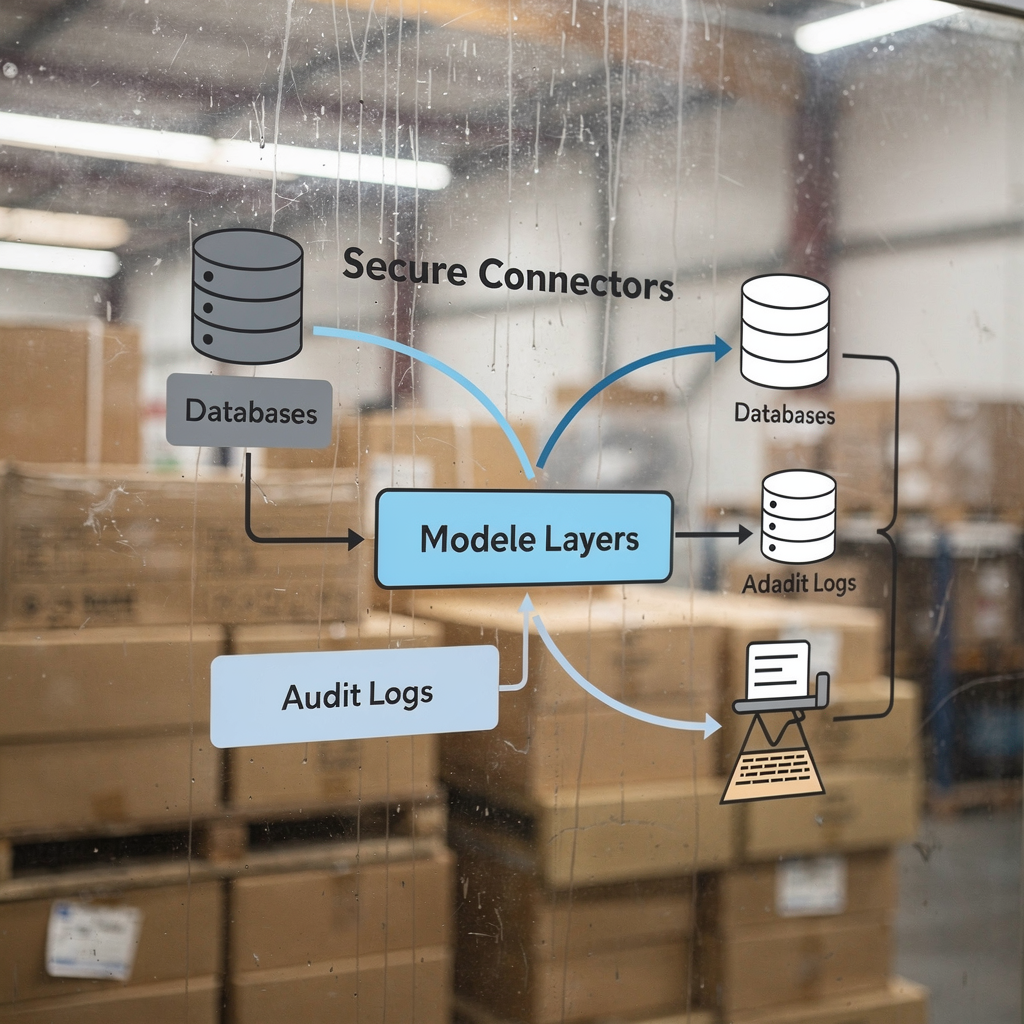
Choosing an AI platform and designing AI agents matters. A platform must show data lineage, audit logs, and secure connectors to third-party systems. It should also support model choice: closed models for sensitive tasks or open models where transparency matters. For generative AI one must balance creativity and accuracy. Agencies should prefer models that allow provenance and grounding against authoritative data sources.
Architectures that combine a large language model with retrieval of public records and internal data work well. That design gives answers that cite sources and reduces hallucination. When teams build an ai agent they must define clear scopes, escalation paths, and monitoring rules. Also, consider prompt engineering but rely more on structured grounding and verification. Unlike generic ai, government agents must attach evidence and time-stamped records to outputs.
Technical checks help. First, verify data sources and their update cadence. Second, secure personally identifiable information and other sensitive information with encryption and strict access controls. Third, log every model input and output for audits. Agencies can choose off‑the‑shelf components for speed, but they must assess vendor lock-in, contract terms, and compliance. A practical checklist for platform selection includes data lineage, auditability, third‑party contract terms, and redress mechanisms.
Also, treat genAI and LLMs as components, not magic. Use robust testing against public records and high-stakes scenarios. For example, test a model on permit denial explanations and confirm accuracy before deployment. Finally, involve stakeholders early: IT, legal, and business owners must approve connectors and retention policies. That approach builds solutions that scale and remain accountable.
Drowning in emails?
Here’s your way out
Save hours every day as AI Agents label and draft emails directly in Outlook or Gmail, giving your team more time to focus on high-value work.
5. human-centered approach for access to government: public information, public records and trust
A human-centered approach improves access to government while protecting rights. Design conversational paths that use plain language and guide users step by step. When a system handles public information and public records it should log actions and make clear what data the user provided. Also, provide simple feedback channels so people can request corrections and file complaints.
Bias remains a core risk. Training data must reflect diverse populations and audited outcomes. Agencies need regular bias testing and clear redress paths. For decisions that affect benefits or legal status, keep a human in the loop. Explainability matters. Citizens must understand why a decision happened and how to challenge it. For this reason, policies around personally identifiable information and data minimisation must be strict.
Accessibility is part of trust. Offer multiple channels: web chat, phone, and in-person options. That design avoids exclusion and improves uptake. Track metrics for equity such as complaint rates across groups and differential response times. Also, make records retention transparent so that public records and sensitive information follow retention schedules and privacy rules.
Finally, involve stakeholders in governance. Invite civil society, legal experts, and frontline staff into review panels. That input helps shape consent rules and onboarding processes. A human-centered design reduces friction and builds acceptance. It also strengthens ai safety by ensuring systems focus on real user needs and not only on efficiency.
6. roadmap to transform government with artificial intelligence: use cases, chatbot deployment and measurable outcomes
This roadmap gives a phased path to transform government with AI. First, pilot a narrow use case with clear metrics. Second, measure outcomes and refine controls. Third, formalize governance and audits. Finally, scale successful pilots across departments. That sequence prevents costly mistakes and keeps trust intact.
Phase one should pick a low-risk, high-volume task. Examples include information-on-services pages, appointment scheduling, and simple licensing renewals. Measure time saved, reduction in manual touches, and citizen satisfaction. Phase two adds integration with backend systems and expands coverage. Use reuse of enterprise assets to accelerate rollout, because many agencies already repurpose code and data to reduce build time source.
KPIs work best when tied to real outcomes: operational efficiency, reduced processing time, improved customer experience, and reduced costs. Track error rates and escalation frequency. Monitor for bias and maintain audit logs. For email-heavy workflows, operational email automation shows clear ROI in logistics and can apply to government inboxes to increase productivity and reduce repetitive work how to improve logistics customer service with AI. Also, document every decision and keep a public index of deployed agents so people know where AI handles services.
Finally, make governance continuous. Regular audits, stakeholder reviews, and public reporting keep momentum. This roadmap helps agencies transform government services safely, with measurable improvement for citizens and staff. Agencies that follow it will increase productivity and deliver clearer, faster results.
FAQ
What is an AI assistant for government?
An AI assistant for government is a purpose-built system that helps citizens and staff find information, complete forms, or route requests. It often combines conversational interfaces with secure access to government data and workflows.
How common is AI in government today?
Adoption has risen quickly; a recent study shows nearly 90% of U.S. government agencies use AI in some capacity source. Most deployments focus on internal processing and records work.
Can chatbots improve government services?
Yes. Chatbots can provide 24/7 answers and reduce call center loads while improving response times. Agencies must configure clear escalation paths so complex cases involve staff.
What safeguards protect citizen data?
Safeguards include encryption, role-based access controls, audit logs, and data minimisation policies. Agencies should also avoid storing unnecessary personally identifiable information.
How should agencies pick an AI platform?
Choose a platform that shows data lineage, auditability, and secure connectors to third-party systems. Assess vendor lock-in risk, contract terms, and the ability to run audits.
How do you measure success for AI pilots?
Use KPIs like time saved, reduction in manual touches, first-contact resolution, citizen satisfaction, and error rates. These metrics show operational efficiency and service delivery impact.
What about bias and fairness?
Address bias with diverse training data, regular audits, and human oversight for high-stakes decisions. Provide transparent redress paths and monitor outcomes across demographics.
Can AI streamline government email and inboxes?
Yes. AI agents can classify, route, and draft replies for operational email, reducing handling time and improving consistency. That approach mirrors solutions used in logistics to automate the full email lifecycle example.
What role do stakeholders play in deployment?
Stakeholders such as legal teams, frontline staff, and citizens should review use cases and governance. Their input helps tune user journeys and builds trust in deployed systems.
How does an agency scale successful AI projects?
Start with pilots, measure impact, codify governance, and then reuse enterprise data and production code to speed rollout. Reusing tested infrastructure shortens time to value and reduces risk source.
Drowning in emails?
Here’s your way out
Save hours every day as AI Agents label and draft emails directly in Outlook or Gmail, giving your team more time to focus on high-value work.