


AI to transform public transport and transit operations (ai; transform; public transport; transit operations; ai in transit; ai-driven)
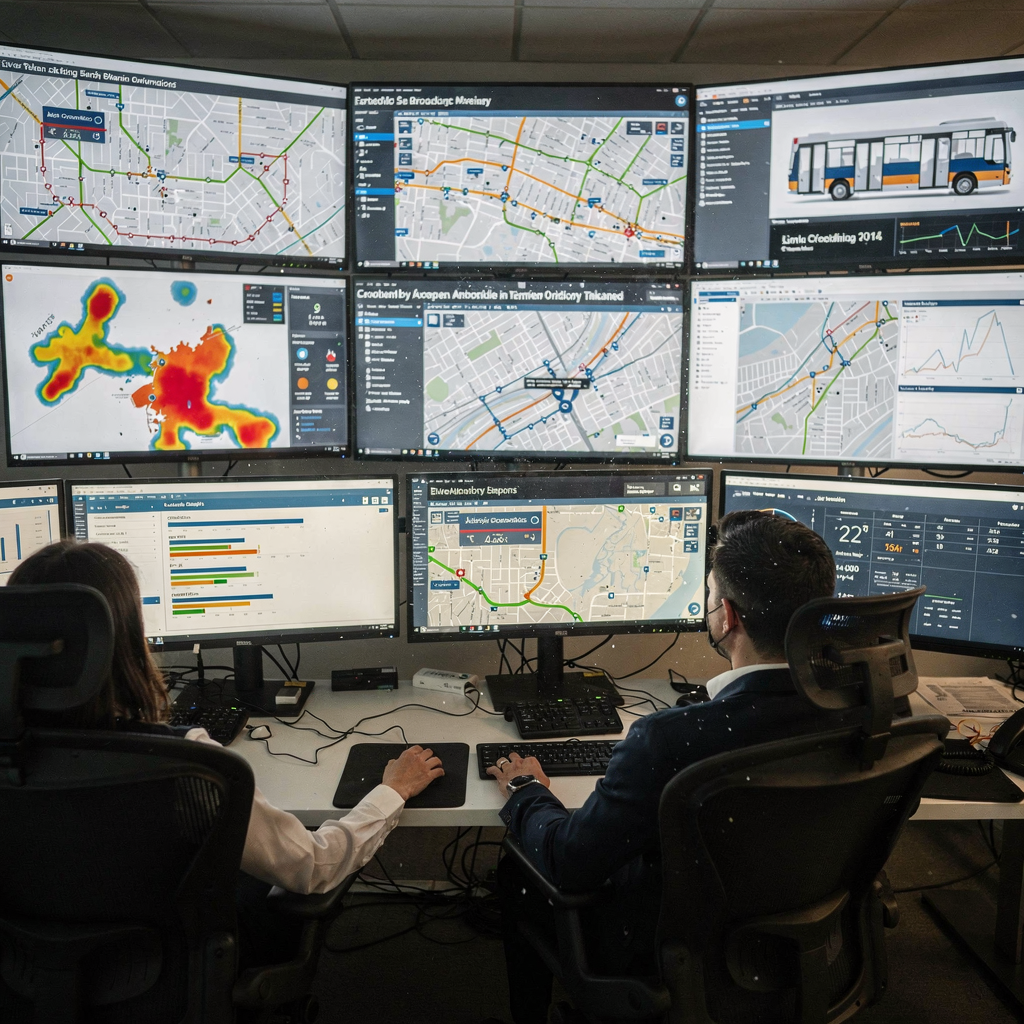
AI assistants now define new workflows for transit operations and operator teams. For clarity, AI in this chapter refers to NLP chatbots, real‑time data analytics and machine learning models used by operators and passengers. These systems take sensor streams, ticket records and scheduling feeds to create automated actions. As a result, operators reduce triage overhead and speed decisions. For example, implementations linked to operational cost reductions up to ~20% and punctuality gains around 15% are reported across several cities (AI in Public Transport: Navigating Urban Mobility Challenges). Also, adoption reached roughly 60% of urban transit agencies by 2025 according to recent industry reporting (AI in Transportation: How Artificial Intelligence Transforms Mobility). The combination of sensor feeds and ticketing data can trigger automated delay responses and crew reassignments within minutes. This reduces wait times and helps maintain service reliability. The technical picture includes edge analytics, cloud model inference and event-driven orchestration. Transit planners will want to see concrete KPIs. Key metrics include on‑time performance, cost per service‑hour and downtime reduction. In practice, agencies deploy AI models that score congestion risk and recommend route adjustments. These models consume vast amounts of data from vehicle telematics and passenger counts, using historical data to spot patterns. Many transit agencies are also testing conversational AI for trip information and thumb‑tap rebooking. For teams overwhelmed by operational email and manual routing, virtualworkforce.ai demonstrates how AI agents can automate repetitive workflows and speed response times to riders and partners; see our virtual assistant for logistics for a related use case virtual assistant for logistics. Overall, this chapter delivers a concise technical picture and measurable benefits that help transform public transit and inform policy makers about scaling ai-driven systems while protecting service quality.
Real-time AI-powered passenger assistance for improving rider experience (real-time; ai-powered; passenger; improving rider; public transit)
Real‑time passenger assistance changes how riders make choices. AI-powered chatbots and voice agents answer questions, suggest alternative routes and handle simple ticket and booking tasks. They remove friction, and they reduce the load on contact centres. For example, pilots by major operators showed faster response times and improved passenger satisfaction. Transport for London, RATP and the MTA report clear improvements in response times in early tests (AI in Public Transport: Navigating Urban Mobility Challenges). A travel assistant that integrates live vehicle locations and crowding feeds can warn commuters before a planned change. This providing real-time information helps commuters plan and reduces last‑minute rushes. A smart assistant also supports accessibility by offering step‑free route options and voice interaction for riders with reduced mobility, improving rider access and service reliability. To track success, monitor answer time, resolution rate, reduction in agent load and app engagement. Also measure accessibility reach to ensure equitable benefits. Implementers must connect timetable feeds, crowding analytics and payment systems to deliver accurate replies. Conversational AI and conversational assistants can handle common queries in seconds. For agencies that need to streamline operational email and passenger messages, virtualworkforce.ai shows how AI agents classify intent and draft grounded responses from ERP and operational data; explore our Outlook and Gmail automation guide for operations teams automate logistics emails with Google Workspace. By combining natural language understanding and real‑time feeds, a single interface can serve journey planning, disruption alerts and ticket support. This approach makes public transit easier to use and helps transit agencies reduce contact centre costs while enhancing passenger experience and accessibility.
Drowning in emails?
Here’s your way out
Save hours every day as AI Agents label and draft emails directly in Outlook or Gmail, giving your team more time to focus on high-value work.
Predictive maintenance and optimisation using machine learning (predictive; machine learning; optimization; using ai; ai adoption)
Predictive maintenance applies machine learning to sensor streams and inspection logs to forecast faults. The method reduces unscheduled downtime and lowers emergency repair costs. Studies find predictive maintenance can reduce vehicle downtime by about 25% (A Review of Smart Public Transport Systems). Models learn from vibration, temperature and historical failure patterns. Then they predict the need for parts replacement and schedule targeted interventions. A typical pipeline ingests telemetry at high cadence, cleans it and trains an ai model to flag anomalies. Validation uses holdout intervals and live shadow testing. Generative AI and large language models can summarise maintenance logs for technicians. However, care must be taken with agentic AI decisions; human oversight remains essential. Implementation steps include sensor selection, data cadence definition and model retraining plans. For example, track and vehicle diagnostics pilots improved reliability in multiple trials, lengthening asset life and cutting emergency interventions. The analytics output feeds scheduling systems to book maintenance windows with minimal service impact. For agencies planning ai adoption, create a clear ROI model. Include parts lead times, labour cost savings and improved uptime. Also define governance for data access and explainability. Deploying AI in maintenance often requires integration with existing systems and payment systems for procurement. Teams that automate email and operational tasks will also find value in AI agents that surface maintenance alerts directly into operations workflows; see our guide on scaling operations without hiring for a practical angle how to scale logistics operations without hiring. Overall, predictive approaches deliver tangible reliability gains and support long-term optimization of transit assets.
Optimising transit operations and fleet management with ai-driven public systems (transit; optimization; ai-driven public; public transit; transit agencies)
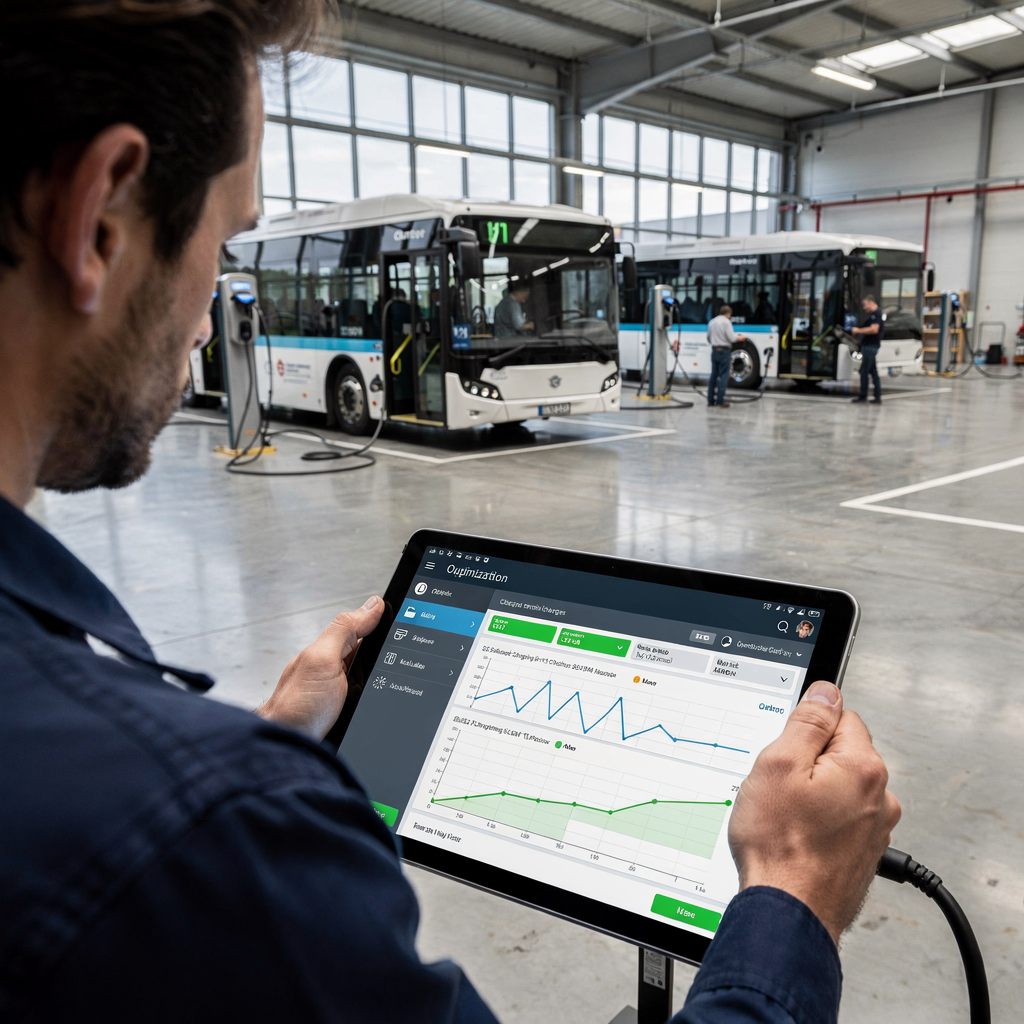
AI helps optimise routing, dispatch and energy use across fleets. Use cases include dynamic dispatch, demand‑responsive routing and timetable optimisation. AI-driven public systems can reduce idle miles and improve headway adherence. For electrified fleets, energy management algorithms schedule charging to minimise peak demand. Pilots such as DRT and bus network retiming show clear reductions in fuel and energy consumption. Route optimisation and optimization across corridors also reduce emissions. Agencies can combine telematics, fare platforms and scheduling systems to orchestrate better service. Practical rollout requires robust APIs and cross‑agency data sharing. Transit agencies must test dynamic dispatch in limited zones first. This prevents service disruption and lets planners refine models. Key benefits include improved vehicle utilisation, lower fuel and energy use and better service quality. For many transport companies, these gains map directly to reduced operating costs and higher customer experience scores. Integrate ai agents that automate routine operational emails and notifications so dispatchers can focus on exceptions; our case studies on automating logistics correspondence show how to cut handling time by minutes per message automated logistics correspondence. Demand forecasting models use historical data and current occupancy to suggest scaled service levels. Then operators adjust frequency or deploy microtransit to match demand. The approach also supports alternative routes for disrupted corridors and offers personalized travel suggestions for frequent riders. To succeed, maintain continuous model retraining and a clear maintenance budget. Governance must cover system interoperability and explainability. With careful rollout, ai in transit enables measurable operational efficiency and a better transit experience for commuters and passengers alike.
Drowning in emails?
Here’s your way out
Save hours every day as AI Agents label and draft emails directly in Outlook or Gmail, giving your team more time to focus on high-value work.
Implementing AI: stepwise plan for transit agencies and governance (implementing ai; transit agencies; ai adoption; public transportation)
Implementing AI requires a clear stepwise plan. First, run a pilot with defined KPIs and a short timeline. Second, set data governance and privacy rules. Third, decide build versus buy and embed stakeholder engagement. Fourth, scale and monitor continuously. Typical pilots run 6–12 months before scale decisions. Define KPIs such as on‑time performance, downtime reduction and customer experience. Staff retraining and role redesign are essential to manage change. Deploying AI must include fallback human procedures, with clear escalation for edge cases. Procurement models should ensure vendors provide explainability and compliance. Governance issues cover data privacy, system interoperability and ethical use policies. Also consider how automation affects workforce roles. For example, virtualworkforce.ai automates operational email lifecycles, cutting manual triage and preserving human oversight for exceptions. This reduces time spent finding data across ERP and SharePoint while keeping full control under IT and business teams ERP email automation for logistics. Build an ROI model early. Include operational savings, reliability gains and improved passenger information. Risk controls should mandate phased roll‑outs, monitoring and the ability to revert. Implementing ai must also integrate with existing systems and payment systems. Finally, set a governance board that includes legal, operations and rider advocates. That board reviews model drift, fairness and accessibility. With structured governance and practical pilots, transit agencies can scale AI adoption while protecting riders and improving public transportation system outcomes.
Measuring impact and scaling AI in public transport (ai in transit; ai-driven; public transport; ai adoption; real-time)
Measure impact with clear KPIs and continuous feedback. Core KPIs include on‑time performance, downtime reduction, cost per service‑hour and passenger satisfaction. Also track response times for real-time advice and reductions in contact centre load. The transportation industry shows strong investment in AI; market projections forecast rapid growth and a broad vendor ecosystem (AI worldwide – statistics & facts). A scaling checklist should cover robust APIs, cross‑agency data standards and continuous model retraining. Budget for maintenance and explainability. Also include integration plans for autonomous vehicles and multimodal orchestration. For effective scale, ensure your ai systems connect to telematics, ticketing platforms and scheduling tools. That connection makes personalized travel suggestions and alternative routes possible in live trips. Track model health and introduce retraining windows. Include passengers in testing, and measure accessibility outcomes to avoid bias. Tools such as conversational AI and large language models can improve passenger information and journey planning, but they require governance and transparency. For agencies looking to help transit agencies with communication automation, our guide on scaling operations with AI agents outlines steps to reduce manual load while maintaining control how to scale logistics operations with AI agents. Finally, expect that today’s AI will integrate with vehicle autonomy and fare platforms to make public transport more efficient. With a rigorous measurement program and phased scaling, AI is transforming public transport and supporting a fairer, greener future of transit.
FAQ
What is an AI transit assistant?
An AI transit assistant is a software agent that uses artificial intelligence to support transit operations and passenger interactions. It can answer queries, help with journey planning and automate routine operational tasks for teams.
How does AI improve passenger experience?
AI improves passenger experience by providing fast answers, alternative routes and accessibility support. It reduces wait times and helps passengers make better trip decisions through real-time updates.
Can AI reduce operational costs for transit agencies?
Yes. Studies show AI implementations can reduce operational costs by up to 20% while improving punctuality (AI in Public Transport). Savings come from optimized schedules, fewer emergency repairs and automated communications.
What is predictive maintenance and how does it work?
Predictive maintenance uses machine learning to analyse sensor data and predict failures before they happen. Agencies using predictive approaches can cut downtime by roughly 25% (A Review of Smart Public Transport Systems).
How do agencies start implementing AI?
Start with a pilot, define KPIs, set data governance and then scale. Include stakeholder engagement and staff retraining. Typical pilots run 6–12 months before scaling decisions.
Are there privacy risks with AI in transit?
Yes. AI systems collect sensitive movement and account data. Transit agencies must create privacy policies and limit access to protect riders and comply with regulations.
Will AI replace transit staff?
AI will automate repetitive tasks, but human oversight remains essential for exceptions and ethical decisions. Many agencies reassign staff to higher‑value roles rather than cut jobs.
How do I measure AI impact on transit performance?
Use KPIs such as on‑time performance, downtime reduction, cost per service‑hour and passenger satisfaction. Also track response time for real-time advice and agent load reductions.
Can AI help with accessibility for disabled passengers?
Yes. AI assistants can offer step‑free routes, voice interfaces and ticketing help tailored to accessibility needs. This improves inclusivity and passenger information reach.
Where can I learn more about operational automation for transit emails?
Our resources explain how AI agents automate the full email lifecycle for operations teams. See guides on ERP email automation and automated logistics correspondence for practical steps ERP email automation for logistics and automated logistics correspondence.
Drowning in emails?
Here’s your way out
Save hours every day as AI Agents label and draft emails directly in Outlook or Gmail, giving your team more time to focus on high-value work.