


procurement and ai in aerospace: integrate to transform workflow
Procurement teams in aerospace face tight timelines and strict standards. They must manage RFQs, review contracts and create PO documents with care. AI can shorten cycle time and cut errors. An AI assistant can draft contract clauses, suggest standard operating procedures and pre-fill a PO for review. For example, a generative ai system drafts contract language. Then procurement reviews, adjusts and signs off. This pattern speeds approvals and improves consistency.
Many organizations report using AI in service and product operations, and pilots show measurable reductions in time-to-order and errors. One industry survey finds that 63% of organizations incorporating AI apply it in service and product operations. So teams that run short pilots often see clear gains. First, map your current workflow. Next, pick one high-volume PO type. Then run a 3-month pilot with human oversight and strict KPIs. Finally, compare cycle time, error rates and PO-to-invoice lead time.
Practical steps are simple. Map the email and approval flow. Identify repetitive tasks and line item checks. Configure rules to flag exceptions and route complex items to specialists. Use a knowledge base to store approved clause language and onboarding notes. virtualworkforce.ai automates the full email lifecycle for ops teams so that repetitive tasks are reduced and staff can focus on higher-value work. For teams that need ERP grounding, our work with ERP email automation links documentation and order data for accurate drafts; see an example of ERP email automation for logistics here.
Keep pilots small and measurable. Track PO accuracy, time saved per RFQ and user experience. Train users on exception handling and approval thresholds. Use the power of generative ai to generate drafts, but keep humans in the loop for legal and compliance reviews. These steps help procurement teams become smarter, faster and more compliant while they launch automated procurement capabilities.
supply chain and aviation insight: automate source and optimize resilience
Supply networks in the aviation sector run on signals from telemetry, demand forecasts and external news. AI can turn those feeds into actionable insight. An AI agent can scan telemetry and trade reports, then flag at-risk suppliers. It can suggest alternatives and create alerts for buyers. This reduces stockouts and unscheduled delays. Predictive tools and monitoring cut risk by spotting trends early, and they help operations teams prioritize scarce parts and plan shipments.
Airlines and OEMs already use data to better manage parts and logistics. For example, combining telemetry with trade data creates a layered view of risk and readiness. An ai agent can watch geopolitical alerts, port congestion and transport anomalies. Then it sends escalation emails or draft supplier queries. These alerts let procurement act fast. For context on AI and trusted data, see a discussion on building resilient operations here.
Supply chain resilience depends on source diversity, lead-time visibility and accurate forecasts. To implement quickly, connect internal supplier data, set risk thresholds and automate escalation to procurement teams. Use thresholds to trigger follow-ups, and use alternate supplier rules to expedite RFQs. Integrate supplier performance metrics with dashboards so buyers have a live view. For a look at generative AI in aviation data insights, consider this analysis from Cirium.

Quick wins include automated supplier scoring, real-time alerts and alternative sourcing lists. These features optimize inventory and cut downtime. They also give buyers instant access to critical information. Start with the highest-risk parts and scale to more categories. Use external news feeds, telemetry and demand signals to make alerts actionable. This approach helps teams optimize resilience and make faster, data-driven decisions within the aviation industry.
Drowning in emails?
Here’s your way out
Save hours every day as AI Agents label and draft emails directly in Outlook or Gmail, giving your team more time to focus on high-value work.
mro and erp: ai is becoming a single source of truth for maintenance, parts and PO flows
Digital twins and sensor analytics now feed maintenance systems, and they can feed ERP and MRO workflows too. When condition data, work orders and inventory are linked, orders align with actual need. Predictive maintenance reduces unscheduled downtime and excess stock. For instance, engine health models push parts orders into ERP for timed delivery. This is a common pattern in advanced maintenance programs and it reduces lead times for critical spares.
To enable this, integrate condition feeds with ERP and MRO systems. Define authorised auto-reorder rules and keep full audit trails for compliance. A single source of truth for parts and work orders helps prevent duplicate orders and saves labor on invoice reconciliation. Vendors, buyers and technicians all see the same data. That shared visibility improves readiness and cuts downtime.
Practical steps start small. Connect one sensor cluster to MRO and ERP. Then validate signals and set tolerance bands. Next, let the system suggest part orders and route approvals. Use rule-based escalation for exceptions. Track metrics like unscheduled downtime, mean time to repair and parts turnover. Predictive maintenance, when integrated with procurement, lowers stockouts and overstock, and it improves aircraft maintenance planning.
ERP vendors and software solutions now offer connectors for condition data. Use them to ground drafts and POs in live telemetry. virtualworkforce.ai helps by extracting requests from inbound emails and drafting grounded replies with data from ERP and MRO systems. That reduces manual lookup and speeds parts procurement so that work orders match parts arrival. Over time, this alignment supports better forecasting and improved operational efficiency across the fleet.
procurement teams driving innovation: smarter automation for PO accuracy and compliance
Procurement teams can push automation beyond drafts and into compliance checks and three-way matching. AI-powered validation can compare purchase orders, receipts and invoices to ensure first-time accuracy. This reduces manual invoice reconciliation and improves PO-to-invoice lead time. Teams then spend less time chasing mismatches and more time on supplier relationships.
AI models can score suppliers, detect non‑compliant clauses and recommend remediations. For example, a system flags a non-standard warranty clause and suggests alternate text that keeps the contract compliant. Procurement teams review the suggestion and approve the change. This speeds approvals and keeps contracts audit-ready.
Generative ai platforms can also help draft SOPs and standard clauses. Use a generative ai platform for initial drafts, then use legal reviews to sign off. Training teams on exception handling matters. Set clear rules for what the system can auto-approve and what requires human signoff. That balance keeps the process fast and compliant.
Quick steps: deploy automation to validate three-way matches. Train staff on exception handling. Measure PO accuracy and invoice reconciliation time. Track productivity gains and first-pass match rates. virtualworkforce.ai reduces handling time on operational emails and automates routing and replies so teams can focus on exceptions. This helps procurement teams adopt smarter automation and improve compliance across sourcing and RFQs.
Drowning in emails?
Here’s your way out
Save hours every day as AI Agents label and draft emails directly in Outlook or Gmail, giving your team more time to focus on high-value work.
integrate erp and workflow automation: transform data into real‑time insight
Integration patterns matter. APIs, middleware and a central data lake can provide a single source of truth for parts, orders and supplier metrics. When systems integrate, buyers get real-time dashboards and alerts. They can act on analytics and make informed decisions. Clean master data and governance are essential for reliable results.
First, perform data quality cleansing. Then establish master data governance and publish canonical records. Next, expose key events from ERP and MRO to an AI assistant or ai copilots. This yields consistent status updates and a unified view for operators. With real-time feeds, a buyer can see delivery ETA changes and approve expedited POs quickly.
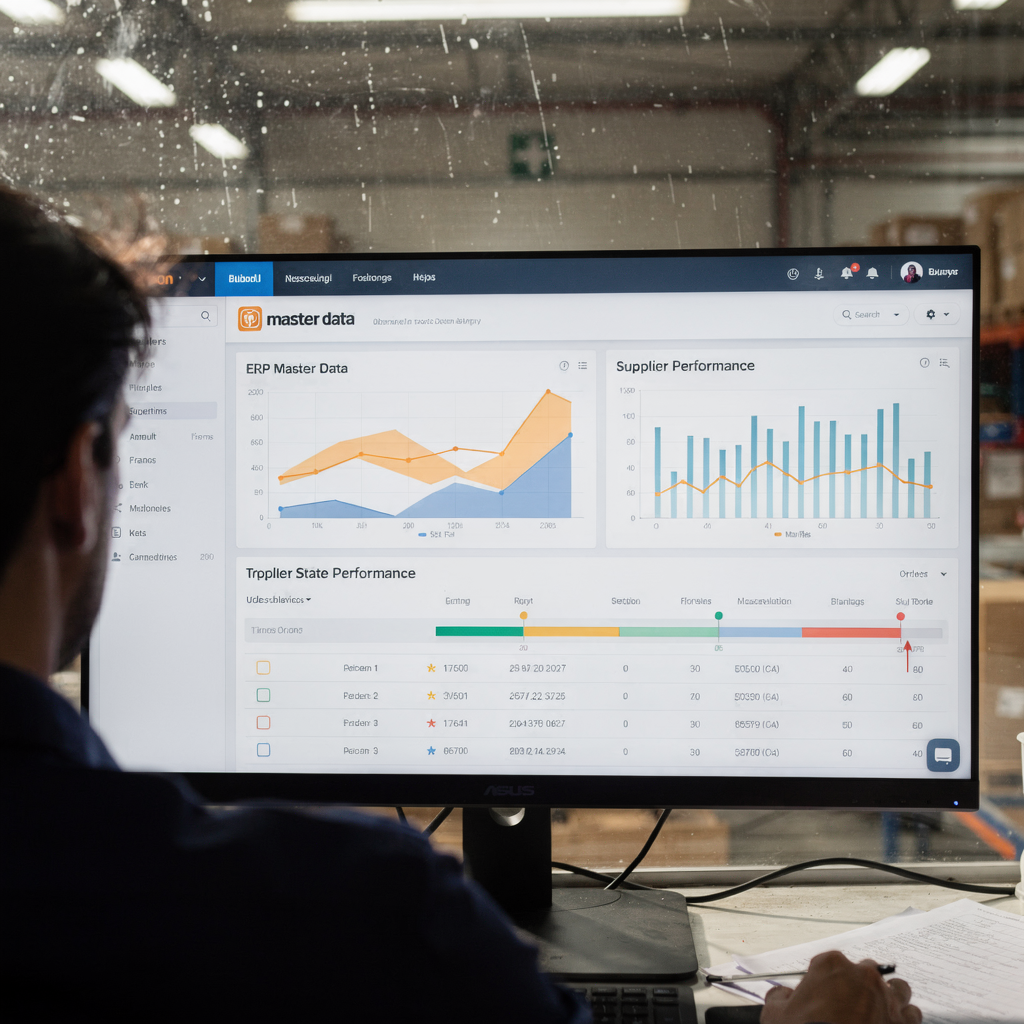
Use natural language queries to let users ask the system for line item status or supplier performance. A conversational chatbot can retrieve invoices, show outstanding RFQs and suggest next steps. This improves user experience and reduces manual searches. Configure role-based views so operators see only relevant critical information. For teams onboarding new users, keep templates and a knowledge base ready to speed adoption.
Expose key events to downstream software solutions and automate common approvals. That reduces repetitive tasks and ensures traceability. The result is a more data-driven procurement function that runs with greater operational efficiency and less manual effort. For teams looking to scale logistics without hiring, see a guide on how to scale logistics operations with AI agents here.
shaping the future of aerospace: automation and ai is becoming central to safer, faster supply operations
Suppliers that combine predictive maintenance, ERP integration and AI-driven procurement will improve resilience and competitiveness. In short, expect lower costs, faster time-to-order, fewer outages and a stronger compliance posture. The trend is clear: ai is becoming a central part of operations in many firms. As Michael Bruno notes, “Artificial intelligence is coming to aerospace companies not as a futuristic concept but as an immediate catalyst for operational excellence and innovation” source.
Risk areas include data security, legacy integration and workforce change. Mitigate risk with staged pilots, clear KPIs and governance. Prioritise high-impact use cases first, such as MRO auto-reorder, contract automation and supplier risk monitoring. Measure ROI, then scale what works. Make sure systems remain compliant and auditable while you scale.
Start with small, scalable pilots. Validate the business case with KPIs like reduced downtime, faster PO cycles and improved first-pass match rates. Use a mix of ai copilots for inbox automation, predictive maintenance models for parts forecasting, and analytics for supplier scoring. The combination will enable more informed decisions and greater readiness across the network. Finally, suppliers that adopt this roadmap will be better positioned to compete across aero and airline markets while supporting oems and carriers with compliant, data-driven services.
FAQ
What is an AI assistant for aerospace suppliers?
An AI assistant is software that automates routine tasks, drafts messages and pulls data from systems like ERP and MRO. It helps teams respond faster, reduce errors and focus on exceptions.
How can AI shorten procurement cycle times?
AI can pre-fill PO templates, draft contract clauses and match invoices to receipts automatically. These actions reduce manual editing and speed approvals so orders move faster.
Are there measurable benefits to using AI in procurement?
Yes. Many organizations report using AI in service and product operations, and pilots often show clear reductions in time-to-order and error rates. See the industry statistic that 63% of organizations incorporate AI.
How do I start a supply chain resilience pilot?
Map your critical parts, connect supplier feeds and set risk thresholds. Then run a 3-month pilot that automates alerts and suggests alternatives for at-risk suppliers. Measure stockouts and delays.
What role do digital twins play in MRO?
Digital twins provide condition-based insight that feeds MRO planning and ERP orders. They help schedule work, auto-trigger parts orders and reduce unscheduled downtime through predictive maintenance.
Can an AI system ensure compliance in contracts?
AI can flag non-compliant clauses and suggest compliant alternatives for reviewer approval. That accelerates contract turnaround while keeping legal and audit controls intact.
How does integration improve decision-making?
When ERP, MRO and supplier data connect, buyers see a single source of truth that supports real-time dashboards. This reduces manual lookups and enables data-driven actions.
What quick wins should procurement teams pursue first?
Start with high-volume PO types, three-way match automation and email triage for repetitive requests. These areas typically yield rapid productivity gains and fewer errors.
Is security a major concern with these systems?
Yes. Protecting sensitive operational data requires strong access controls, encryption and governance. Run staged pilots and involve IT to define clear policies before scaling.
How do AI assistants affect staff roles?
AI reduces repetitive tasks so staff can focus on exceptions, supplier strategy and higher-value work. Provide training for exception handling and define new KPIs to measure impact.
Drowning in emails?
Here’s your way out
Save hours every day as AI Agents label and draft emails directly in Outlook or Gmail, giving your team more time to focus on high-value work.