


ai in apparel manufacturing
AI is reshaping how apparel companies move from design to delivery. This chapter explains where AI fits across the production process and gives measurable outcomes for cost, speed and waste. AI supports trend forecasting, inventory optimisation, quality control and customer feedback loops. It works by analysing large datasets, running ai algorithms and generating actionable signals that reduce overproduction and lower lead times. For example, AI-driven trend forecasting can cut unsold inventory by up to ~30% AI Fashion Trend Forecasting Assistant Development Guide. The market outlook underlines the opportunity: the value of AI in fashion is projected to reach about USD 4.4 billion by 2027 12 Ways AI is Revolutionizing the Fashion Industry. Adoption signals are strong. Around 42% of retailers already use some form of AI, and large retailers show higher rates of integration AI Use-Case Compass — Retail & E-Commerce. Meanwhile, 87% of retail leaders view generative AI and automation as crucial for loss reduction and efficiency gains Zebra Study: 87% of Retailers Believe Gen AI to Have Significant Impact. Practical business levers where AI delivers ROI include fewer physical samples, faster time-to-market and lower markdowns due to better demand alignment. AI helps streamline sourcing and production and allows brands to tailor assortments to actual demand. For operations teams, AI can also streamline repetitive communications and help teams scale. To learn how email-heavy logistics workflows can be automated, see a practical guide on how to scale logistics operations with AI agents how to scale logistics operations with AI agents. Action step: run a 90-day pilot that focuses on forecasting plus one inventory node, measure sample reduction and markdown change, and then scale the successful model across another SKU cluster.
fashion design and ai design
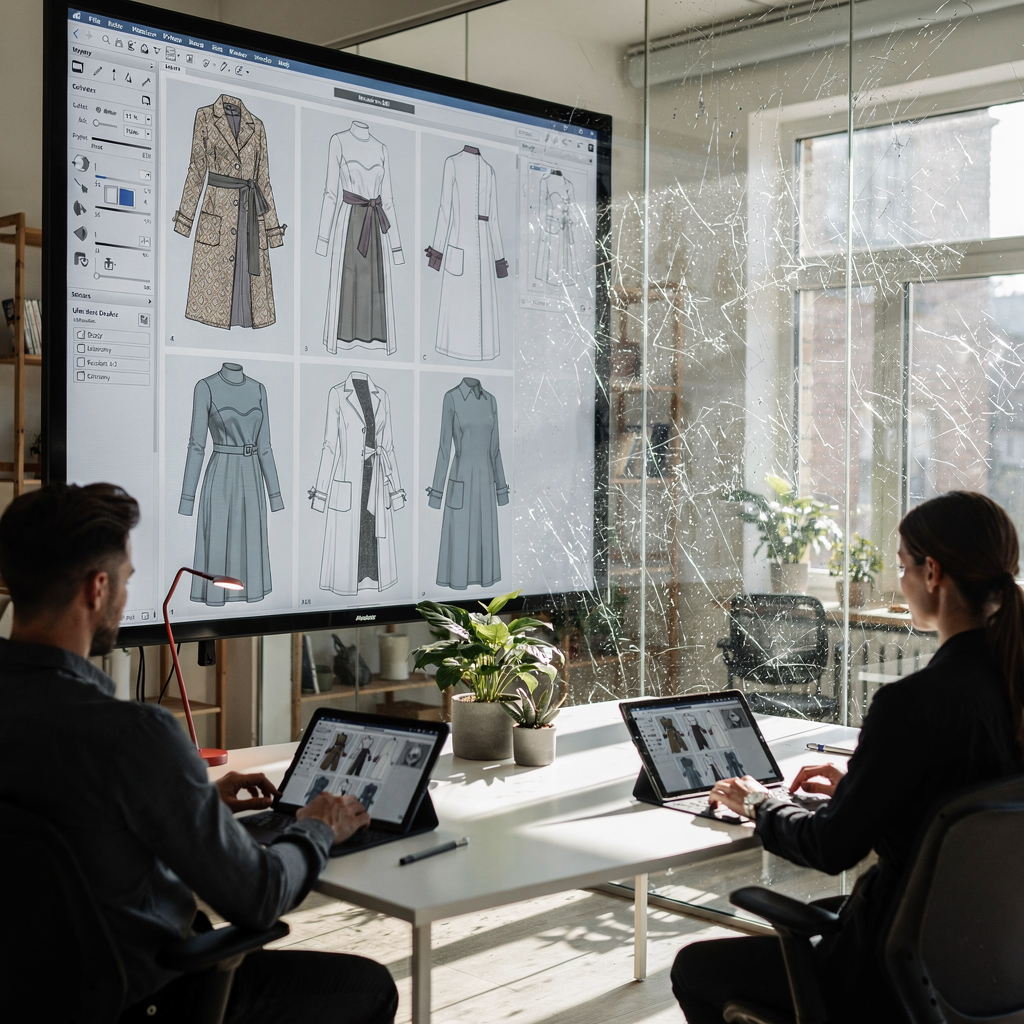
Design teams use AI to accelerate ideation, iterate variants and feed production-ready specifications into tech packs. Generative AI tools can turn sketches into multiple visuals and produce 3D mock-ups for fit checks and virtual clothing trials. As McKinsey puts it, “AI agents enrich product ideation by generating creative options from data, accelerating the design process and expanding creative possibilities” Generative AI: Unlocking the future of fashion. In practice, an AI design assistant converts mood boards and trend signals into several pattern options and suggests fabric matches. It can then export measurements and construction notes into design software and tech packs so factories receive fewer ambiguous handoffs. Tools that automate sketch-to-image, 3d design and virtual clothing reduce the number of physical samples required and shorten production timelines. For example, agentic generative platforms can create production-ready visuals from a seed sketch, produce colourways and then output a basic pattern file. Designers who use this workflow report faster iteration cycles and more confident design decisions. AI generates many variants, and the team chooses the best ones to prototype. Practical workflow: input historical styles and trend data → prompt or seed a generative model → review outputs with the design lead → validate one sample for fit and production. This simple sequence keeps human judgment central and uses AI to accelerate routine tasks. Use an ai-powered tool initially on one capsule collection. Track time saved on ideation, number of samples avoided and changes to cycle time. Action step: run a controlled pilot that integrates one generative AI tool into the tech-pack handover process and measure sample count and average time-to-market improvement.
Drowning in emails?
Here’s your way out
Save hours every day as AI Agents label and draft emails directly in Outlook or Gmail, giving your team more time to focus on high-value work.
ai tools and design tools — best ai tools for fashion
This chapter maps categories of ai tools and design tools and suggests which to try first. Categories include generative design platforms, sketch-to-image converters, 3D prototyping systems, pattern automation and trend analytics. Each category addresses a specific pain point in the design and development cycle. For sketch-to-image, NewArc.ai and The New Black-style platforms convert hand sketches into high-fidelity visuals. For pattern automation, specialists like FashionINSTA accelerate grading and marker making. For trend analytics and team collaboration, Onbrand-type workspaces combine market signals with brand rules. When selecting tools, focus on data compatibility, PLM/ERP integration and the potential to reduce samples and rework. Look for an ai platform that offers an API for lightweight connections to existing systems and support for standard file formats. Also test design software that supports 3d design exports so factories receive clear fit guidance. A practical shortlist: a generative ai tool for ideation, a 3D prototyping service for visual fit, and a pattern automation tool for industrialising the chosen designs. For small teams, pick one ai-powered tool that integrates with current workflows and delivers quick wins. Remember to evaluate vendor SLAs and governance. The best ai tools for fashion are those that reduce ambiguity and lower sample counts while keeping creative control with designers. Action step: run a 90-day evaluation using a checklist that includes data import, API connectivity, PLM export, sample reduction forecast and pricing. Also consider how the tool will tailor outputs to your brand voice and construction standards.
supply chain and use ai
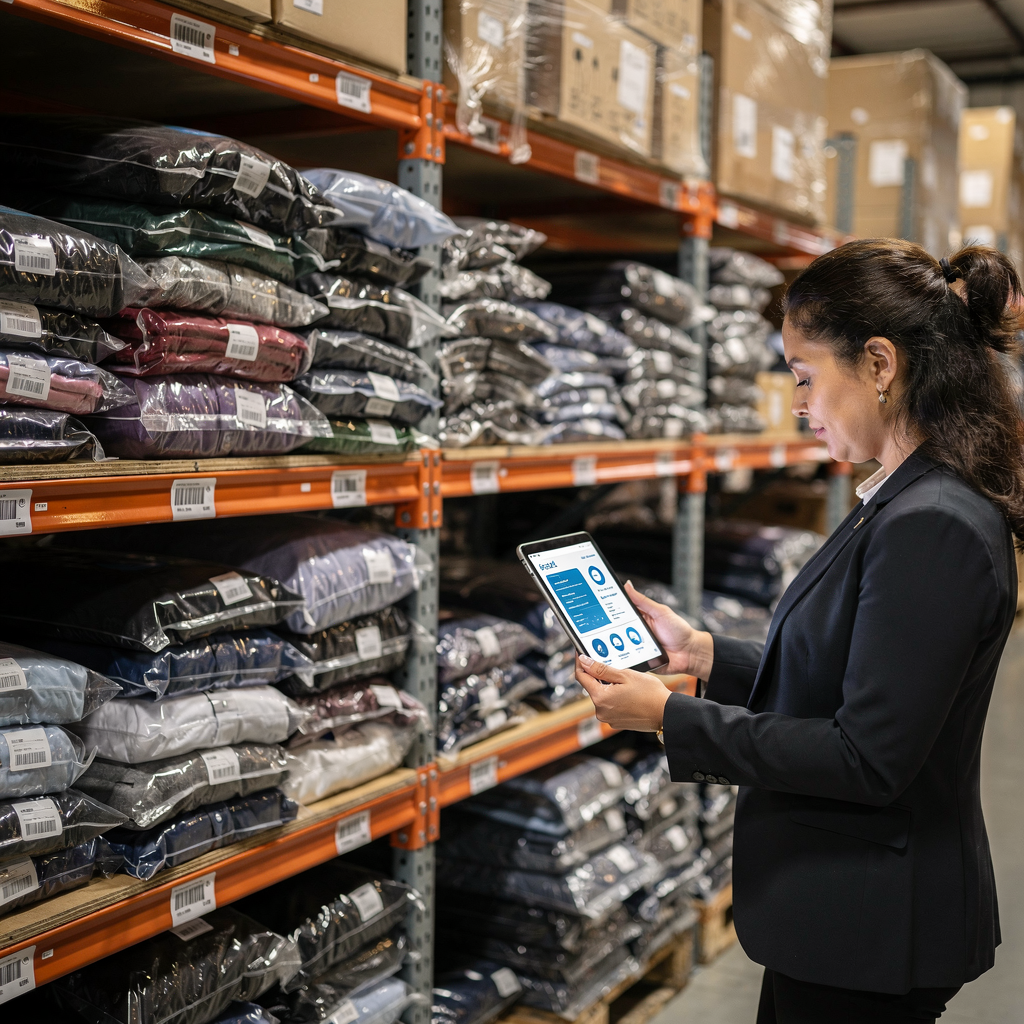
AI improves sourcing, demand forecasting, inventory management, supplier matching and traceability across the supply chain. Accurate forecasting reduces overproduction and waste. Brands such as Zara, H&M and Nike apply AI across inventory and logistics to increase agility and reduce markdowns. AI models and ai algorithms analyse sales, returns and external trend signals to produce actionable forecasts. These forecasts enable smarter supplier selection and routing, and they improve transparency for sustainability reporting across textile and apparel suppliers. AI provides prioritised supplier lists that consider cost, lead time, emissions and compliance. That helps brands find faster or more sustainable partners and streamline procurement. In operations, automating the email lifecycle can also shorten response times and cut manual triage for orders and delivery issues. For teams that want to automate transactional communications grounded in ERP and TMS, see the ERP email automation resource ERP email automation for logistics. Start with forecasting and supplier scoring in a phased plan. Next, add routing optimisation and then traceability to verify claims across the production process. AI can help predict delays and recommend contingency suppliers, so production timelines become more reliable. Practical example: run forecasting on a high-volume SKU cluster and compare buy quantities and markdowns before and after. Use supplier scoring to shorten lead time variance. Action step: deploy a forecasting pilot, link results to a supplier scoring model, and measure on-time delivery and reduction in excess inventory.
Drowning in emails?
Here’s your way out
Save hours every day as AI Agents label and draft emails directly in Outlook or Gmail, giving your team more time to focus on high-value work.
apparel brands — brands using ai
This chapter gives short case studies of brands using AI and their outcomes. Stitch Fix uses AI for personalisation and generative styling to deliver personalised clothing recommendations in a scaleable way. Its models combine style data with fit metrics to recommend items that lower return rates and improve customer satisfaction, which enhances the customer experience. Zara and Inditex apply forecasting models and rapid replenishment to shorten lead times and reduce stockouts. H&M uses AI to support sustainability-focused forecasting and assortment planning. Nike uses automation and personalised assistants to improve manufacturing automation and direct-to-consumer services. These brands using AI illustrate both scale effects and focused pilots. Smaller fashion companies can still extract value. For example, a mid-sized brand can use generative AI tools to produce seasonal concepts, reduce samples and accelerate design-to-production cycles. Brands that embrace this approach see faster decision-making and fewer unsold items. When reading a case study, map the outcome to your size and vertical. Ask: do we have the data volume to replicate the result? Is our supplier base able to accept digital tech packs? What are our average production timelines? For small brands, pick use cases that lower immediate costs — for example, a design pilot or a forecasting pilot focused on a single region. Action step: choose one case study that matches your scale, create a two-month adaptation plan, and pilot the same toolset on a comparable SKU set. This exercise will show whether you can tailor learnings and whether the potential of AI matches your business needs.
challenges of using ai — help of ai and best ai
AI offers value but also poses realistic limits and risks. The main challenges of using AI are data quality, integration complexity, a skills gap and model bias. Practitioners report that complex systems demand skilled operators and clear governance How AI practitioners view the impact of Artificial Intelligence on Fashion. Vendors vary in how well they support deployment. To mitigate risk, run smaller pilots, maintain hybrid human+AI workflows and evaluate vendors thoroughly. Governance should include data lineage, privacy controls and model audits. For operational teams that handle many emails tied to orders and exceptions, AI agents can reduce handling time and improve traceability. Our company, virtualworkforce.ai, automates the full email lifecycle in operations so teams can focus on exceptions rather than repetitive lookup and triage; this approach reduces handling time and increases consistency automate logistics emails with Google Workspace and virtualworkforce.ai. When selecting the best AI partner, ask for evidence of domain experience, audit trails and clear SLAs. Upskilling is crucial. Create an upskilling plan that teaches staff to interpret outputs, test ai models and manage vendors. Finally, set a governance checklist: data mapping, privacy impact, bias testing and escalation paths. Action step: run a three-month pilot with a single use case, document integration tasks, assign an AI owner and schedule monthly model reviews to ensure performance and safety.
FAQ
What is an AI assistant for apparel manufacturers?
An AI assistant is a software agent that helps with tasks in the design to production lifecycle. It can automate data analysis, draft replies to routine emails, suggest design variations and surface supplier options.
How does AI reduce unsold inventory?
AI improves demand forecasting by combining sales data, trend signals and external indicators. As a result, brands can align buys to expected demand and reduce overproduction, sometimes by around 30% for forecasted styles AI Fashion Trend Forecasting Assistant Development Guide.
Can small brands benefit from AI?
Yes. Small brands can pilot a single use case, such as a design generator or demand forecast for a core SKU. This reduces samples and shortens production timelines without large upfront investment.
What tools should I try first?
Start with one generative AI tool for ideation and one 3D prototyping service for virtual clothing. Then add pattern automation and a trend analytics workspace. Evaluate API connectivity and PLM export capability.
How do I integrate AI with existing systems?
Integration usually uses APIs and connectors to PLM, ERP or TMS. Begin with read-only data pulls for forecasting and then move to two-way integrations as confidence grows.
Are there risks to AI in design?
Yes. Risks include model bias, poor data quality and over-reliance on automated suggestions. Maintain human review in the workflow and perform regular model audits to mitigate these risks.
Which brands are examples of successful AI use?
Examples include Stitch Fix for personalised clothing recommendations, Zara/Inditex for fast replenishment and H&M for sustainability forecasting. Each applied AI to areas matching their scale and supply base.
How does AI affect supply chain sustainability?
AI enables better supplier selection and demand alignment, which reduces waste and improves traceability across the textile and apparel supply chain. Use supplier scoring to prioritise lower-emission partners.
Can AI automate my operations emails?
Yes. AI agents can understand intent, draft grounded replies and create structured data from email threads. For logistics teams, there are solutions that automate the full email lifecycle and reduce handling time significantly ERP email automation for logistics.
What is the first action to implement AI?
Choose a narrow, measurable pilot such as forecasting for a single category or automating a standard email workflow. Define success metrics, assign an owner and run the pilot for 60–90 days to evaluate results and plan scale.
Drowning in emails?
Here’s your way out
Save hours every day as AI Agents label and draft emails directly in Outlook or Gmail, giving your team more time to focus on high-value work.