


ai agent and corporate training: what it is and why it matters
An AI AGENT is an autonomous, LLM‑powered assistant that can tutor, curate content and run admin tasks. It behaves like a digital teammate. It personalizes learning paths, answers questions and grades assessments without constant human input. For CORPORATE TRAINING teams, that matters because programs must reach more people with higher quality and repeatability. Surveys show more than 80% of firms now use the latest generation of AI in business functions, with training a frequent application (McKinsey). That level of ai adoption signals a shift in how organizations think about skills and scale.
AI delivers PERSONALIZED TRAINING at scale. It adapts pacing and content to each new hire, helping them achieve role readiness faster. For example, a tech firm cut average ONBOARDING time by about 30% after using customized paths and just‑in‑time practice exercises. That kind of result improves time to productivity and lowers churn among new hires. AI also makes it easier to run frequent compliance refreshers. Compliance teams can push short, scenario‑based modules and track completion automatically, which helps maintain corporate compliance records.
Training teams benefit from fewer repetitive tasks and more time for coaching. An AI AGENT can draft learning activities, suggest assessments and even recommend micro content based on observed knowledge gaps. While some organizations still prefer TRADITIONAL TRAINING in certain cases, the combination of human coaches and AI yields better outcomes. L&d leaders who blend human oversight with agent support report higher learner satisfaction and stronger learning outcomes. For organizations that must scale rapidly, an AI AGENT delivers consistent, role‑based instruction and helps deliver personalized coaching without multiplying headcount.
training agent and ai-powered tools: key capabilities and agent works
Key capabilities matter when you evaluate a TRAINING AGENT. Top features include content creation, assessment, real‑time feedback, analytics, scheduling and natural conversation by chat or voice. These are the key capabilities that training teams ask for. An ai-powered tools stack adds connectors to LMS, HRIS and internal knowledge bases so content delivery stays current. In practice, agents analyze user activity and performance to recommend the next learning step. In short, agents analyze progress, identify knowledge gaps and suggest micro‑learning modules to reinforce key concepts.
Here is how the agent works in real life. First, it continuously profiles each learner and their progress. Then it adapts content dynamically, so weaker areas receive extra practice and stronger areas skip ahead. The agent also supports 24/7 help via chat, and it can hand off to a human instructor when needed. That blend increases engagement levels and supports long learning journeys that mix human coaching with scalable automation.
Leaders already use generative AI several times a week, which makes adoption easier when you add a training agent (BCG). For voice and role‑play, a voice agent can simulate customer conversations and help sales team members practice responses. The agent works best when teams provide clear TRAINING DATA and rules, and when humans retain final review for sensitive topics. At scale, this approach improves learning experiences and supports personalized training that mirrors on‑the‑job tasks. If you want a hands‑on example of automation in operations email and how it ties to training, see how virtualworkforce.ai automates email workflows across ERP data and operational systems for more context.

Drowning in emails?
Here’s your way out
Save hours every day as AI Agents label and draft emails directly in Outlook or Gmail, giving your team more time to focus on high-value work.
workflow and ai-powered workflows: how automation and automate scale training programs
WORKFLOW design defines how training scales. AI can remove manual steps for enrollment, reminders and evidence collection. When you design an automated workflow, the system handles course assignment, followup and compliance evidence logging. The result: trainers spend less time on clerical work and more on coaching. An agent to automate those repetitive actions frees up training teams and speeds course roll‑out.
Practical outcomes are measurable. Organizations report faster roll‑out of new training programs, higher completion rates and fewer admin hours. You can monitor time to competency, TRAINING COMPLETION and completion rates to quantify impact. For example, a retail chain used analytics from ai‑powered workflows to identify weak service skills, then pushed targeted micro lessons; service scores rose after the agent intervened. This data‑driven approach lets L&D managers iterate quickly.
To streamline operations, connect the agent to internal systems and ERPs so progress data flows back to HR and operational dashboards. That integration lets managers track training across teams and reconcile workforce capability with business needs. A well‑designed workflow reduces human error, lowers compliance risk and keeps learning journeys consistent for all employees. If your ops team handles a high volume of repetitive emails, consider how similar automation reduced handling times at virtualworkforce.ai and freed staff for higher‑value tasks (example case). Finally, track admin hours saved, completion rates and time to competency to build a solid case for further investment.
use ai to build ai agents and deploy: integration with management platform and training data
To build AI AGENTS, follow a clear path. Define the use case first and map learner journeys. Next, prepare training data and label content for quality. Select specific models and prototype in a sandbox before you deploy. This process reduces risk and keeps iterations fast. When you build ai agents, focus on data readiness, privacy and connectors to your MANAGEMENT PLATFORM. That ensures a seamless flow of content and assessment results between LMS, HRIS and other INTERNAL SYSTEMS.
Integration requires solid technical planning. You need APIS for single sign‑on, content sync and progress reporting. The agent platform should support no‑code configuration so business users can set tone, routing and escalation without deep prompt engineering. Also plan for enterprise‑grade security and clear governance rules. Versioning matters: static content, like compliance slides, should be locked while dynamic scenarios can update based on recent incidents.
Agent training must include human review workflows and bias checks. Run fairness tests on models and keep an audit trail for every update. Start with a focused pilot that targets a single cohort, then measure outcomes and scale progressively. If you want hands‑on examples of agents grounded in operational systems, see our resources on automated correspondence and logistics email drafting to understand connector patterns (internal link). Finally, maintain feedback loops: collect learner feedback, retrain models on new training data and redeploy with clear changelogs. This cycle ensures your AI remains accurate and aligned with business goals.
Drowning in emails?
Here’s your way out
Save hours every day as AI Agents label and draft emails directly in Outlook or Gmail, giving your team more time to focus on high-value work.
ai voice and voice agent: compliance, agent training and static content for learning and development
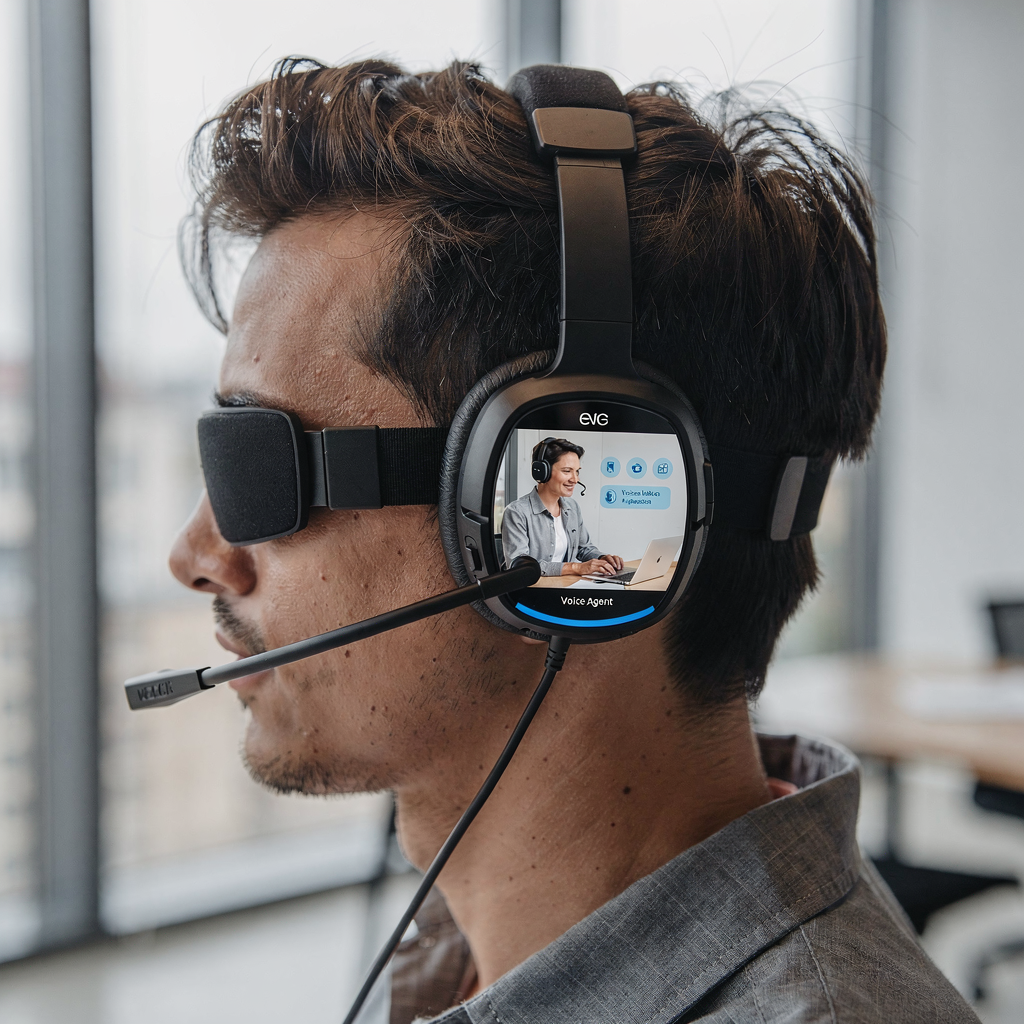
AI VOICE and a VOICE AGENT add realism to practice and assessment. They enable conversational coaching and role‑play simulations. Learners can practice responses in a simulated interaction that mirrors customer calls. Voice simulations are powerful for sales team role‑play and for testing safety protocols in field roles. For COMPLIANCE TRAINING, voice agents can simulate ethical dilemmas and log responses as evidence for audits. That helps maintain compliance and provides richer audit trails than check‑the‑box tests.
Use voice for micro‑learning modules and accessibility. Audio lessons support learners who prefer listening or who need hands‑free study. However, speech accuracy varies by accent and background noise. Always combine voice outputs with human validation for sensitive content. When you produce STATIC CONTENT for mandatory policies, lock it and require human signoff. Agent training should include human‑review stages for any content that impacts safety or compliance.
Voice also supports followup practice and reinforcement. A voice agent can quiz a learner after a scenario to reinforce key concepts and record responses for quality review. Pair voice coaching with text transcripts to improve knowledge retention and to feed back into content creation cycles. For tips on designing role plays and scenario libraries, use a management platform that can version audio clips and link them to assessments. Finally, remember that a balanced, human + agent model drives trust. Salesforce found that most workers expect humans to remain central to successful AI integration (Salesforce).
roi and measurement: what to measure to deploy successfully
Measuring ROI requires a tight set of metrics. Start with time to proficiency, completion and pass rates, reduction in admin cost, and compliance risk incidents. These metrics link directly to business outcomes. Run controlled pilots and compare cohorts to isolate the effect of the AI agent. Collect learner satisfaction and business KPIs alongside system logs.
Also track data‑driven indicators like engagement levels, training completion and knowledge retention. Those numbers show whether personalized training actually improves performance at scale. For ROI, quantify hours saved by automation and translate them into capacity for higher‑value work. For example, teams that automate routine correspondence, like the email lifecycle handled by virtualworkforce.ai, free operations staff for escalations and strategic tasks (case study). Use those savings to build a payback model.
Governance matters for long‑term value. Tie agent retraining cadence to performance metrics, and set retention windows for training data. Have an AI TEAM or steward who owns model updates and audits. Expect agentic ai to augment trainers, not replace them: ai agents aren’t substitutes for human judgment in sensitive contexts. Finally, iterate. Use analytics from ai-powered workflows to refine content, improve completion rates and demonstrate measurable training impact. If you want to discover how ai can improve operational and learning outcomes, consider a phased pilot that measures both qualitative and quantitative benefits.
FAQ
What exactly is an AI agent in training?
An AI agent is an autonomous software assistant powered by LLMS and machine learning that can tutor, curate and run administrative tasks. It interacts with learners, recommends content and executes workflows with minimal human input.
How does a training agent improve onboarding?
A training agent personalizes learning paths for new hires and delivers just‑in‑time modules. That reduces time to productivity by tailoring content to role and prior knowledge.
Can AI help maintain compliance training records?
Yes. Agents can assign mandatory modules, log completion and supply auditable evidence for audits. They also schedule reminders and followup so compliance status stays current.
Are voice agents reliable for assessments?
Voice agents work well for role‑play and conversational coaching, but accuracy varies by accent and environment. Always pair voice evaluations with human review for high‑stakes assessments.
How do I measure ROI for an AI training pilot?
Measure time to proficiency, completion rates, admin hours saved and incident reductions. Run controlled pilots and compare cohorts to calculate a reliable ROI figure.
What risks should we guard against?
Key risks include data privacy, algorithmic bias and weak integration with internal systems. Implement human review workflows and bias checks before full deployment.
How do AI agents integrate with LMS and HR systems?
Integration uses APIs and single sign‑on to sync assignments and results with LMS and HRIS. A robust agent platform supports connectors and data mapping for seamless operation.
Do AI agents replace trainers?
No. AI agents augment trainers by handling routine tasks and personalizing practice. Human coaches remain essential for mentorship and judgment on complex topics.
How do we start building an agent?
Define a clear use case, prepare training data, prototype with small cohorts and then deploy while measuring outcomes. Pilot, iterate and scale based on metrics.
Where can I learn more about operational automation that supports L&D?
Explore resources on automated logistics correspondence and ERP email automation to see how operational automation frees time for training and coaching (internal resource). These examples show how automating repetitive tasks supports better training outcomes.
Drowning in emails?
Here’s your way out
Save hours every day as AI Agents label and draft emails directly in Outlook or Gmail, giving your team more time to focus on high-value work.