


hospitality: ai agents for hospitality automate booking and guest service
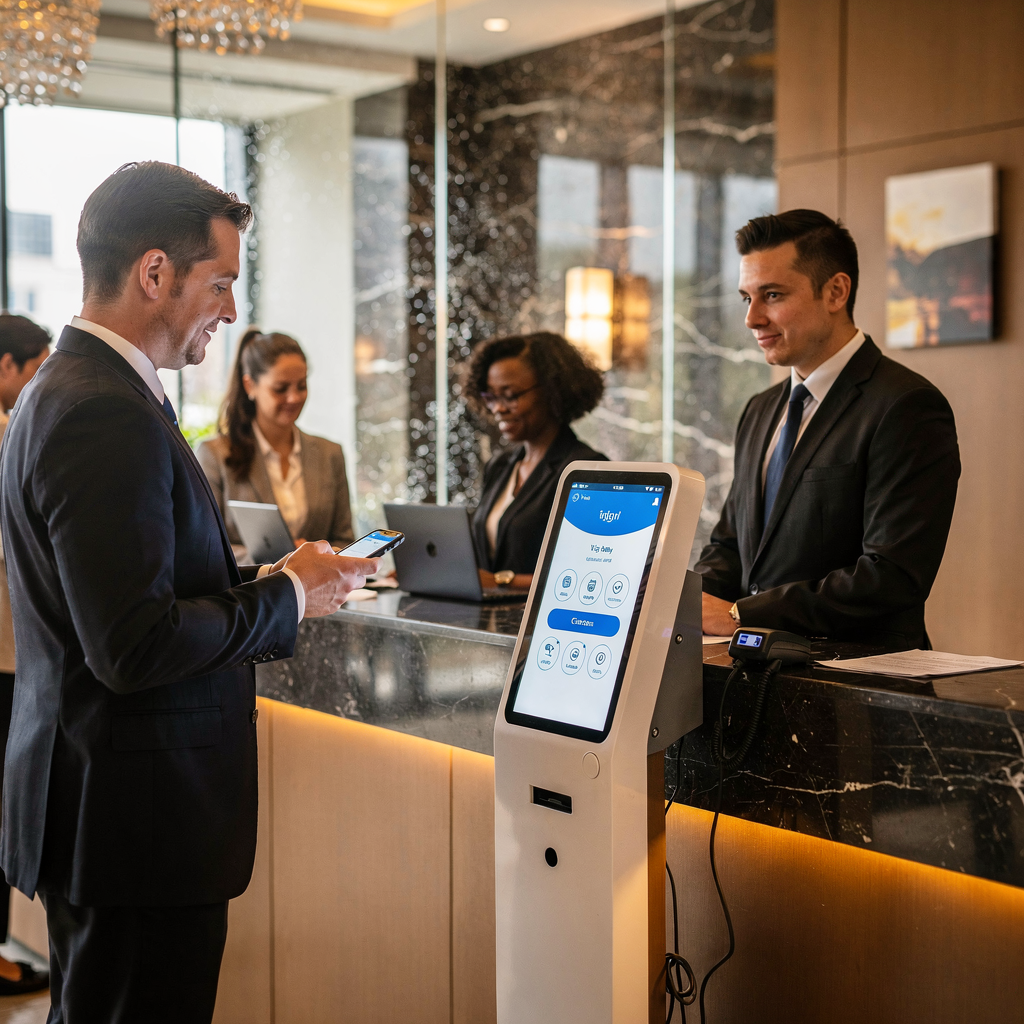
What operational tasks should hotels automate first? First, map routine booking paths and repeatable guest service tasks. AI agents for hospitality automate booking flows, run 24/7 chat, power in-room assistants, and send upsell prompts that convert. Also, they free hotel staff for high-touch work and improve operational efficiency across front desk and back office systems. For example, hotels using AI agents report about a 20% increase in direct bookings when they present personalized offers and smooth checkout paths (State of Hotel Guest Technology, 2025).
Next, define the scope of automation. Define which booking touchpoints you will automate, which inquiries require human review, and which data sources the ai agent must access. Then, connect the agent to your booking engine and property management systems. Also, use agent rules to preserve brand tone and guard guest trust.
Practical steps matter. First, map the most common inquiry and booking flows. Then, pilot an ai agent that ties into your CRS and pms to complete reservations and issue confirmation emails. Third, measure conversions and direct revenue uplift. Also, plan handoffs so hotel staff receive clear alerts when a human must step in. Finally, test multilingual support to serve global guests.
Teams often ask if AI will replace front desk roles. It will not. AI handles routine tasks, while hotel staff focus on complex guest needs and guest service recovery. For more detail on operational email and inbox automation for teams, see how operations teams automate email with AI agents in logistics and operations (how to scale logistics operations with AI agents).
guest experience and guest journey: how ai agent improves personalisation and response times
How does an ai agent improve guest experience across the guest journey? First, it personalizes messages, remembers preferences, and shortens response times at every touchpoint. Also, AI chatbots can cut response times by up to 50%, which improves guest satisfaction and speeds booking completion (AI Agent Use Cases by Industry: 13 Examples for 2025).
Next, use guest profiles and guest history to create one-to-one offers. For example, a pre-arrival email that references past dining choices can increase conversion and F&B spend. Also, provide in-stay recommendations through an ai concierge or conversational ai in the guest room and mobile app. So, guests get relevant suggestions in real time and staff avoid repetitive asks.
Practical team action: start with a single personalized use case. First, choose the data points you will use: room type, loyalty tier, past spend, and guest preferences. Then, test a targeted pre-arrival offer and track uplift. Also, ensure consent and loyalty links are mapped so personalization respects privacy. For handling email and complex, multi-step guest inquiries, operations teams can automate the full email lifecycle to draft, route, and resolve guest messages using grounded data sources; see our guide on using virtual assistants for repetitive correspondence (virtual assistant logistics).
Finally, remember multilingual support matters. AI can offer multilingual support and consistent replies across channels. As a result, hotels and resorts improve guest engagement and guest loyalty while keeping staff focused on in-person service.
Drowning in emails?
Here’s your way out
Save hours every day as AI Agents label and draft emails directly in Outlook or Gmail, giving your team more time to focus on high-value work.
pricing and revenue management: ai-powered pricing to optimize direct bookings
How can AI improve pricing and boost direct booking revenue? First, AI-powered models help revenue teams set dynamic rates, test offers, and target promotions to likely bookers. For example, AI-driven pricing models have improved revenue management efficiency by about 15% in deployments that combine data feeds and demand signals (How AI is changing the hospitality industry).
Next, deploy real-time pricing that reacts to local events, occupancy, and channel mix. Also, combine rate moves with personalized promotion codes to encourage direct booking over travel platforms. Then, track uplift by channel and adjust algorithms that optimize for direct revenue and customer loyalty.
Team action: integrate the ai pricing tool with your PMS and CRS so the agent can push rate changes and inventory updates. Also, set guardrails for minimum rates and approval thresholds. Then, monitor revenue management KPIs and optimize model inputs. For hotels that combine traditional yield teams with AI tools, use A/B tests to measure the impact of targeted offers versus broad discounts.
Finally, align pricing models with loyalty and guest segments. Advanced AI can suggest special offers to past guests or high-value guest segments while protecting profitability. Also, make sure the system logs decisions so hotel management can audit moves and explain pricing to stakeholders. If you need practical examples of automating repetitive messages that support revenue management, see our resources on automating logistics correspondence and email drafting for operations (automated logistics correspondence).
ai agents in hospitality and hospitality ai: how ai agents work for hotel management and hospitality professionals
Where do ai agents sit and what tasks do they handle for hotel teams? First, they connect to property management systems, CRS, CRM, and booking engines. Also, they act in shared workflows where human staff handle exceptions. According to McKinsey, roughly 62% of organisations experiment with AI agents, though many pilots remain unscaled (The state of AI in 2025).
Next, define clear responsibilities. AI systems may parse emails, label inquiry intent, synthesize guest data, and draft replies. Then, escalate only when needed. For hotel operations, ai agents handle routine confirmations, simple concierge requests, and inventory checks so hotel staff focus on complex guest needs and recovery.
Example workflow: a conversational ai triages an inquiry, checks room availability in the PMS, applies a rate from the revenue management model, and then completes the booking or routes the task to a human. Also, dashboards flag exceptions and show the context so handoffs stay fast and accurate. This mix reduces waiting time and raises guest satisfaction scores.
Team action: define SLAs, handover rules, and escalation paths before full rollout. Also, standardize data models and the single source of truth for guest profiles and loyalty data. Finally, remember that ai agents aren’t replacements for staff. Instead, they make hotel teams more productive and help deliver consistent personalized service across channels.
Drowning in emails?
Here’s your way out
Save hours every day as AI Agents label and draft emails directly in Outlook or Gmail, giving your team more time to focus on high-value work.
guest data, ai solutions and automation: turning to ai while meeting privacy and scale ai challenges
What data do ai solutions need and how do you avoid common automation pitfalls? First, AI needs clean guest data, consent records, and linked loyalty identities. Also, you must map guest history and guest profiles into a single source of truth so personalization stays accurate. If data stays fragmented, personalization fails and guest trust erodes.
Next, run a privacy impact assessment before live deployment. Then, standardize consent and retention rules across loyalty, CRM, and booking systems. Also, choose ai tools that support data governance and traceability. For instance, operations teams use advanced ai to ground replies in ERP and document history when automating email. Our platform automates the full email lifecycle, grounding replies in operational systems to reduce errors and handling time—this model fits hotel ops that face high inbound email volumes (ERP email automation logistics).
Practical steps: audit your data sources, tag consent, and create identity mapping that links reservations to loyalty accounts. Also, set escalation rules when the agent lacks confidence. Then, measure automation outcomes and adjust models. Finally, appoint a governance lead to manage vendor access, data sharing, and compliance with regional rules such as EU privacy laws.
Scaling AI remains a challenge. Many enterprises struggle to integrate systems and maintain brand consistency. However, careful planning, strong data hygiene, and clear governance let hospitality businesses deploy ai solutions that improve guest engagement while protecting guest trust.

future of hospitality: agentic ai, agentic and hospitality leaders planning to scale ai
How will agentic AI change hotel operations and guest service? First, agentic AI moves agents from assistants to proactive collaborators. For example, autonomous agents could rebook disrupted stays, coordinate cross-property service, and reallocate inventory without human prompts. Also, agentic ai will let hotels respond faster to complex guest asks and coordinate multi-step service recovery.
Next, hospitality leaders should build a roadmap: pilot, integrate, govern, and scale. Also, set measurable KPIs: direct bookings, response time, and revenue uplift. McKinsey notes most firms have not yet scaled AI enterprise-wide, which leaves room for leaders to capture advantage (The state of AI in 2025).
Practical team action: pilot an ai-powered booking assistant, then integrate with property management systems and your CRM. Also, define governance and SLAs that enforce brand voice and guest expectations. Then, expand to agentic workflows that handle complex guest journeys and automate repetitive communications. For hotel groups, focus on common data models so you can scale faster across properties.
Finally, invest in staff training and change management. As AI becomes more autonomous, hotel staff need new skills to manage exceptions and maintain hospitality excellence. Also, use metrics to prove value. As hotels that combine advanced ai with human judgment scale ai, they will drive higher guest satisfaction and stronger customer loyalty in the travel and hospitality industry.
FAQ
What are AI agents in hospitality?
AI agents are software assistants that automate routine booking and guest service tasks. They connect to booking engines and property management systems to complete reservations, answer questions, and route complex requests to staff.
How do AI agents improve booking conversion?
They personalize offers, speed response times, and streamline checkout paths. For example, some hotels reported around a 20% increase in direct bookings after deploying personalized agent workflows (State of Hotel Guest Technology, 2025).
Can AI agents handle guest emails and complex inquiries?
Yes. Advanced ai systems can parse intent, pull data from ERP or CRM, draft replies, and escalate when needed. For teams that face high email volumes, automating the email lifecycle reduces handling time and errors (ERP email automation logistics).
Do AI agents replace hotel staff?
No. They handle routine tasks so hotel staff can focus on complex guest needs and personalized service. AI agents make staff more efficient while helping hotels deliver consistent guest experiences.
What data do ai agents need to personalize service?
They need clean guest data, consent records, and linked loyalty information. Mapping guest history and creating a single source of truth helps agents avoid personalization errors and protect guest trust.
Are AI pricing tools reliable for revenue management?
Yes, when integrated with historical demand and channel data. Some deployments report about a 15% efficiency gain in revenue management when AI pricing models run alongside human oversight (How AI is changing the hospitality industry).
How do hotels ensure privacy when deploying AI?
They run privacy impact assessments, standardize consent, and restrict vendor access to data. Also, governance leads should audit data flows and ensure compliance with regional rules such as EU privacy laws.
What is agentic AI in hospitality?
Agentic AI refers to more autonomous agents that can act proactively across systems. They can rebook disrupted stays or coordinate multi-step service tasks without continuous human prompts.
How can a small hotel team start with AI agents?
Start with a defined use case, such as automated booking confirmations or a single personalized pre-arrival offer. Then, pilot the agent, measure uplift, and expand after proving clear KPIs.
Where can I learn about operational email automation for hotel teams?
Explore resources on automating operational email and correspondence to see how agents draft and route replies using grounded data. Our material on automated logistics correspondence and email drafting illustrates these practices in ops contexts (automated logistics correspondence, logistics email drafting AI).
Drowning in emails?
Here’s your way out
Save hours every day as AI Agents label and draft emails directly in Outlook or Gmail, giving your team more time to focus on high-value work.