


ai + hospitality: what an ai email assistant is and why it matters for the hospitality business
An email assistant for hotels is a focused tool that automates routine guest messages and frees teams to do higher value work. It covers booking replies, pre-arrival information, post-stay surveys and even gentle upsells. The tool integrates with property systems and centralises guest data so staff see the full guest journey. For hotel teams the value is clear. AI speeds routing and helps hotels keep a consistent brand voice across every email.
AI sits at the core of this assistant. It reads incoming messages, classifies intent and drafts personalised replies. Then, based on rules, it can route complex cases to a human agent or escalate to reservation teams. The assistant links to PMS and CRM records to insert booking details and loyalty status. This reduces manual lookup and avoids errors that damage guest satisfaction.
Transactional emails are especially powerful. For example, automated confirmations and reminders have a much higher engagement rate than generic promotions. The data shows transactional mail has a unique open rate of about 47.1% when done well (Cvent). Hotels that seize that moment often convert more direct bookings and boost ancillary revenue.
Audience matters. Revenue managers, reservation teams, hoteliers and marketing leads use these assistants to raise conversion rates and improve guest experience. A short example flow clarifies the value. Inquiry → instant automated reply with rate options → personalised upsell offer → booking confirmation with extras. Each step runs in seconds, not hours. The assistant also supports a seamless handover to the reservation assistant when questions become complex. For hoteliers who want to increase direct booking revenue, the assistant is a pragmatic tool that helps hotels scale personalised guest communication without growing headcount.
email automation + ai models: how ai email automation personalises replies, newsletters and follow-ups
AI models power modern email automation by turning guest signals into timely and relevant messages. First, models craft subject lines that lift open rates. Then they generate email body text that aligns with the hotel’s brand voice. They can personalise offers and create timed follow-ups that nudge guests toward a booking. This approach reduces workload for marketing teams. It also raises conversion rates, because messages reach guests with context and value.
Start with templates and expand into dynamic content. Templates give structure and speed. Dynamic blocks then insert guest name, loyalty tier, room preferences or past stays. AI suggests personalised upsells and packages based on those fields. For example, a pre-arrival upsell can change tone and offer depending on whether a guest already added breakfast. Before, teams would send one generic pre-arrival email. After, the email can mention a room upgrade or a spa credit when data shows interest. That simple shift increases prospects for ancillary revenue.
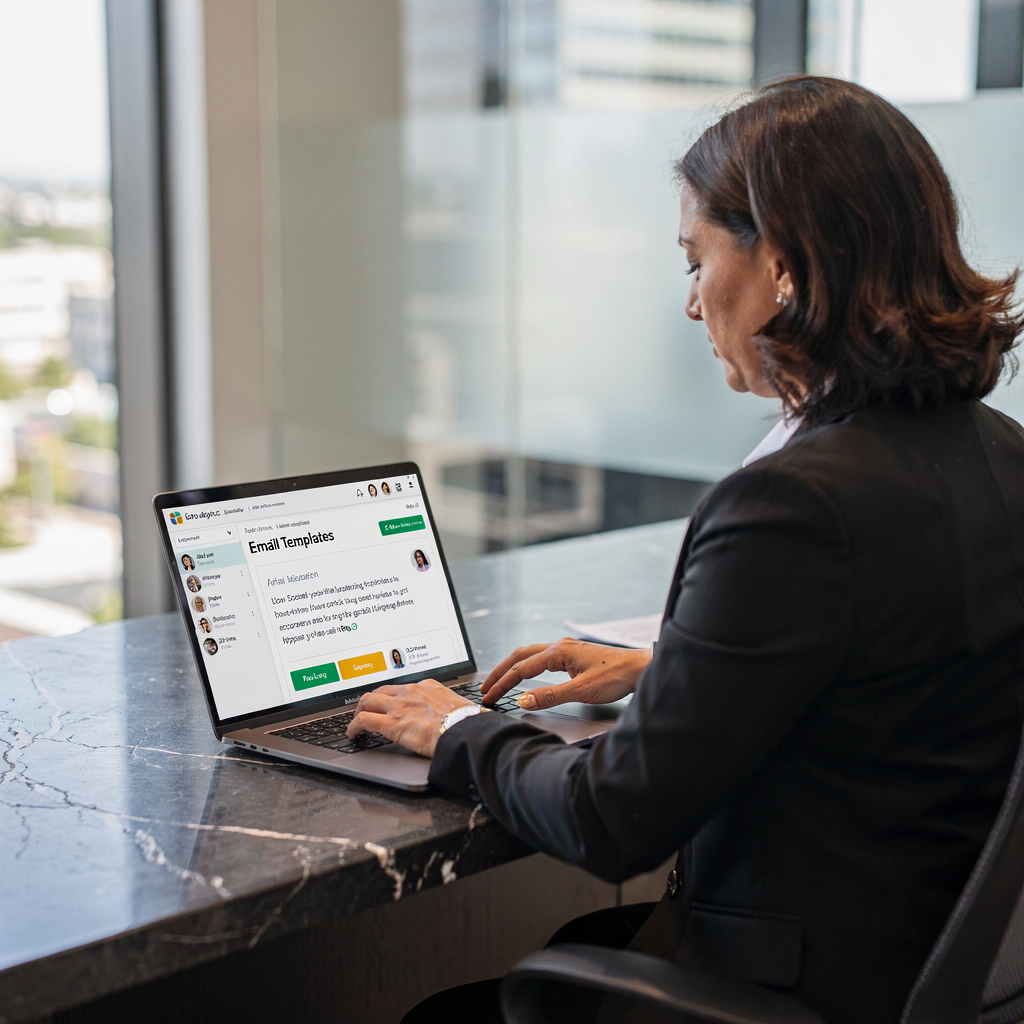
Metrics improve fast. AI cuts reply time from hours to minutes and drives higher CTR on transactional messages. Studies report that AI-driven follow-ups can increase direct bookings by up to 20% (Asksuite). Use A/B testing to refine subject lines, timing and offers. Track KPIs such as open rate, conversion rate, direct booking count and ancillary revenue on a single dashboard. A sample KPI dashboard should list open rate, CTR, booking conversion, revenue per email and bookings attributed to email.
Practical tips help teams adopt AI models. First, choose a small set of pre-built templates and then let the model personalise content. Second, run A/B tests for subject lines and offers. Third, monitor outputs and retain human review for first campaigns. Finally, keep a knowledge base of preferred language and escalation rules. When teams pair templates with intelligent AI, they reduce manual drafting and keep brand voice consistent. That leads to faster campaigns and better guest satisfaction overall.
Drowning in emails?
Here’s your way out
Save hours every day as AI Agents label and draft emails directly in Outlook or Gmail, giving your team more time to focus on high-value work.
integration + crm + api: connecting the reservation assistant, bot and omnichannel hotel ecosystem
Integration ties the email assistant to the rest of the hotel ecosystem. A clear link from PMS to CRM and then to the email assistant ensures each message carries accurate context. Connectors use API keys and sync fields such as booking ID, check-in/out, room type and preferences. This single guest view cuts duplication and helps teams personalise at scale. Without integration, teams manually copy data and risk errors that hurt guest satisfaction.
Design the flow so the reservation assistant uses data from the PMS in real time. The assistant can then trigger messages when bookings change status. For example, it sends confirmation after a booking is placed and a pre-arrival upsell seven days before check-in. Integration also allows the assistant to update the CRM after each interaction. That produces a complete thread-aware history inside shared inboxes.
Security and data privacy matter. Implement strict access controls and encryption. Ensure compliance with local data privacy laws and EU GDPR if applicable. Define which data fields sync and how long the email history is retained. Common pitfalls include mismatched field formats, timestamp conflicts and partial syncs. To minimise errors, use test bookings, reconcile daily sync logs and create fallbacks for missing fields. Reservation teams should monitor sync errors and run a validation checklist after each deployment.
Practical implementation steps include API key setup, mapping required data fields, testing webhook triggers and defining escalation rules to human agent owners. Also, plan for CRM updates and how to centralise guest data to prevent fragmentation. If you want examples from operations teams that automated email drafting and routing, our case studies on virtual assistants show how teams moved from high manual workload to fast, consistent replies. For more on ROI and scaling, see our guide to assessing outcomes and instrumenting analytics (virtualworkforce.ai ROI guide).
multilingual + chatbot + whatsapp: supporting reservation teams and multilingual guests across channels
Guests expect fast replies across channels. An omnichannel approach combines email, chatbot, WhatsApp and voice so hotels meet that expectation. The email assistant pairs with chatbots and local WhatsApp numbers to provide 24/7 response. This reduces pressure on reservation teams and shortens response time for common questions. It also helps capture guests who prefer messaging apps over email.
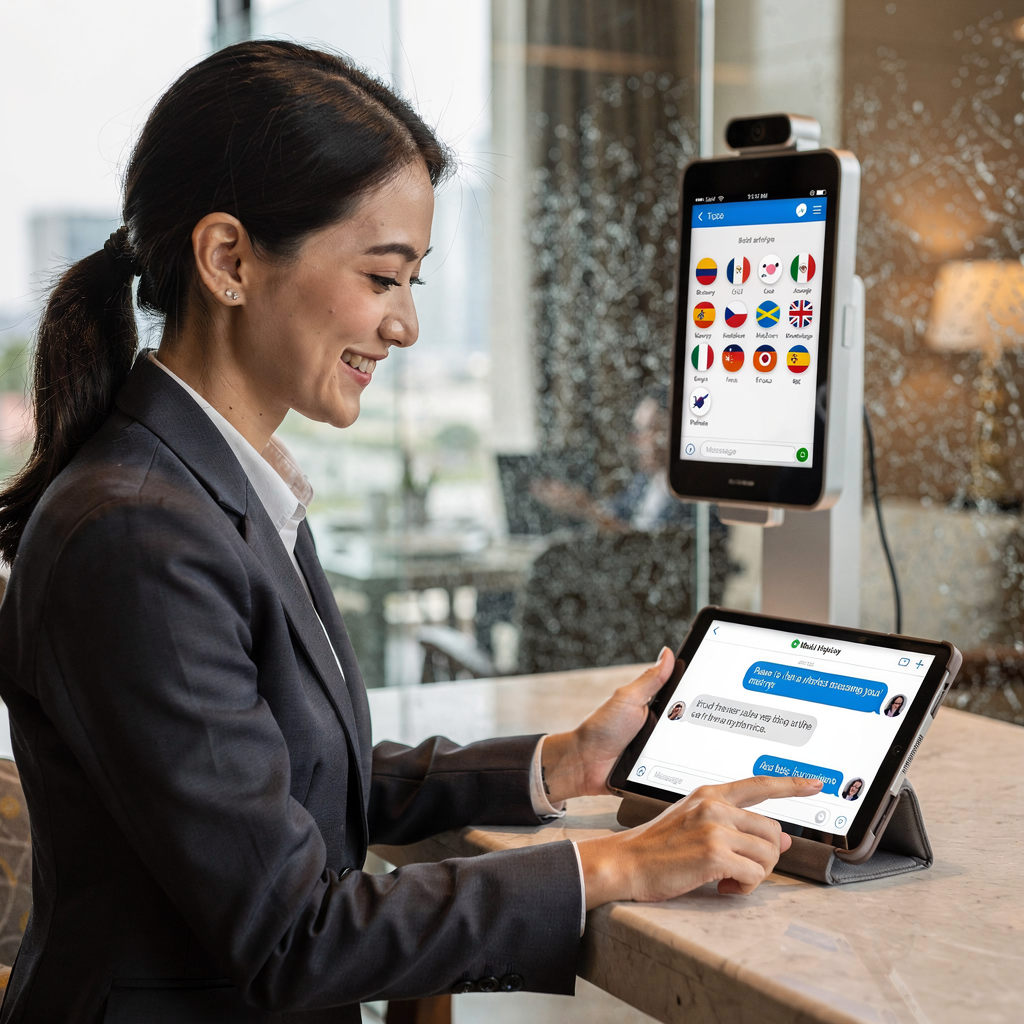
Use language models that support localisation. The bot can detect preferred language and switch templates accordingly. For example, when a guest sets a preferred language, the email assistant sends pre-arrival content in that language. This creates a better guest experience and lifts conversion. Escalation rules send complex requests to a human agent. The bot flags intent and attaches the guest’s message, booking details and recent messages so the handover is fast and accurate.
Practical templates for WhatsApp and chatbots include quick replies for rate enquiries, modification requests and payment links. Also, build fallback scripts when the bot cannot resolve an issue. For sensitive conversations, route to a human agent with full context. Use simple SLA rules that define response windows for human follow-up. This prevents issues from stalling and keeps the guest satisfied.
Language coverage and handover rules are critical. Train models on local phrasing and tests in the top languages for your market. Post-deployment, track average response time, resolution rate and guest satisfaction per channel. Many hotels using chatbots and WhatsApp find they reduce simple incoming requests and lower the workload for reservation teams. This allows staff to focus on complex cases that truly need human attention.
Drowning in emails?
Here’s your way out
Save hours every day as AI Agents label and draft emails directly in Outlook or Gmail, giving your team more time to focus on high-value work.
intelligent ai + chatgpt + roi: measurable impact on reservations, direct bookings and the hotelier
Intelligent AI drives measurable hotel outcomes. Hotels using AI-powered email follow-ups report up to a 20% lift in direct bookings through timely reminders and personalised offers (Asksuite). In addition, loyalty and repeat bookings often rise when messages feel relevant. Some properties see a 15–25% increase in loyalty program sign-ups after introducing personalised campaigns (Master of Code).
Build an ROI model before launching. Compare the monthly cost of the tool to labour savings and recovered commissions from OTAs. Include direct revenue from increased direct booking channel conversions and extra ancillary revenue from targeted upsells. For quick validation, run a 90-day pilot. Track bookings and revenue per available room that come through direct channels. Also track conversion rates and average revenue per email.
Use ChatGPT style models for draft generation and then ground replies with operational data. Grounding prevents hallucinations and keeps replies accurate. Our platform virtualworkforce.ai uses AI agents that draft replies directly in Outlook and Gmail, grounded in ERP and PMS data. That allows teams to resolve questions faster and keeps a traceable audit of decisions. For evidence on OTA influence and distribution, review industry studies that describe how channels affect revenue (ResearchGate).
Finally, set pilot KPIs. Measure direct booking lift, conversion rates, booking confirmations attributed to email and reduced handling time per message. Then iterate. Continuous monitoring of model outputs ensures quality and protects data privacy. This approach produces clear ROI and a more consistent customer experience for guests.
best ai, common questions and next steps for hoteliers
Choosing the best AI tool requires a checklist. Look for deep PMS and CRM integration, multilingual support, a clear API and secure data handling. Ensure the tool can centralise guest data and operate as an outlook plugin or within your inbox. Also check for pre-built templates, analytics and thread-aware memory so every email retains context. For hoteliers seeking practical automation that helps operations and reservations, review enterprise cases and feature lists before you sign.
Common questions often focus on data privacy and accuracy. Vendors must explain data security measures and compliance with local law. Expect clarity on how the model handles PII and how long email history is retained. Ask for sample outputs and a plan for human oversight. Also confirm handover rules for complex requests so the human agent receives full context and the right attachments.
Next steps for a quick pilot are straightforward. Select one or two properties. Define KPIs such as open rate lift, booking conversion, and handling time reduction. Integrate with PMS via API and map essential fields. Run the pilot for 8–12 weeks and evaluate ROI. Ask vendors for SLAs about uptime, error handling and escalation. Include items such as guaranteed API response times, support windows and data export options.
virtualworkforce.ai helps hotels move from heavy manual email workflows to automated, traceable replies. If your operations team handles 100+ inbound messages per day, an email lifecycle automation can cut handling time and improve consistency. For examples of how automation supports logistics and operations email drafting, see our detailed resources on automated logistics correspondence and virtual assistants for operations (automated logistics correspondence, virtual assistant logistics). When evaluating vendors, include a trial checklist that asks for API mapping, data security guarantees and a dashboard for analytics so you can prove ROI.
FAQ
What is an AI email assistant for hotels?
An AI email assistant automates and drafts guest emails from inquiry to post-stay follow-up. It connects to PMS and CRM so messages include accurate booking details and personalised offers.
How does AI improve booking confirmations and transactional emails?
AI speeds the creation and delivery of transactional emails and increases open rates by tailoring subject lines and content. For instance, transactional emails can achieve a unique open rate near 47.1% when optimised (Cvent).
Can these systems integrate with our PMS and CRM?
Yes. Most modern assistants connect via API keys and sync booking ID, check-in/out dates and preferences. Proper integration centralises guest data and reduces manual lookup.
Do AI agents replace reservation teams?
No. AI agents automate routine work and escalate complex requests to human agent staff. This reduces workload and frees reservation teams to focus on high-value tasks.
Will multilingual support help international guests?
Absolutely. Multilingual models and chatbots respond in a guest’s preferred language and improve the guest experience. They also route cases to local staff when needed.
How soon can we measure ROI?
Run a 90-day pilot with clear KPIs like direct booking lift and reduced handling time to measure ROI. Track conversions and revenue per email to validate impact.
Are these systems secure and GDPR compliant?
Vendors should provide encryption, access controls and data retention policies. Always request documentation on data privacy and how PII is handled to ensure compliance.
Can the assistant work directly in Outlook or Gmail?
Yes. Some tools draft replies directly in Outlook or Gmail and include an outlook plugin for seamless workflow. This supports quick review and traceability inside the inbox.
How do AI models avoid writing incorrect details?
Good systems ground replies in operational data from ERP and PMS to prevent hallucinations. They also include human review for sensitive or unusual cases to ensure accuracy.
What are recommended next steps to start a pilot?
Select a small set of properties, define KPIs, integrate with PMS via API and run the pilot for 8–12 weeks. Request SLAs on uptime and data security, and set up a dashboard for analytics to monitor results.
Drowning in emails?
Here’s your way out
Save hours every day as AI Agents label and draft emails directly in Outlook or Gmail, giving your team more time to focus on high-value work.