


hotel ai in hospitality: how guest communication improves guest experience
AI assistants like chatbots, virtual concierges, and AI voice systems run around the clock, and they change how hotels handle guest communication. For example, many systems answer routine questions instantly, and they reduce wait times dramatically. Industry reports show that an AI chatbot can handle up to 70% of routine inquiries, and that frees staff for higher-value work (kilde). Today, hotels can provide 24/7 help, and they can keep service consistent across shifts and locations.
Faster response times boost the guest experience, and studies link service efficiency to perceived service quality. A recent analysis found that AI-driven service efficiency had a positive effect on guest perceptions of quality (β = 0.251, p < 0.05) (studie). That finding supports the idea that automation can lift guest satisfaction by improving speed and accuracy. In addition, 68% of hospitality companies expect AI to significantly improve guest experiences over the next five years (rapport), and hotels are investing accordingly.
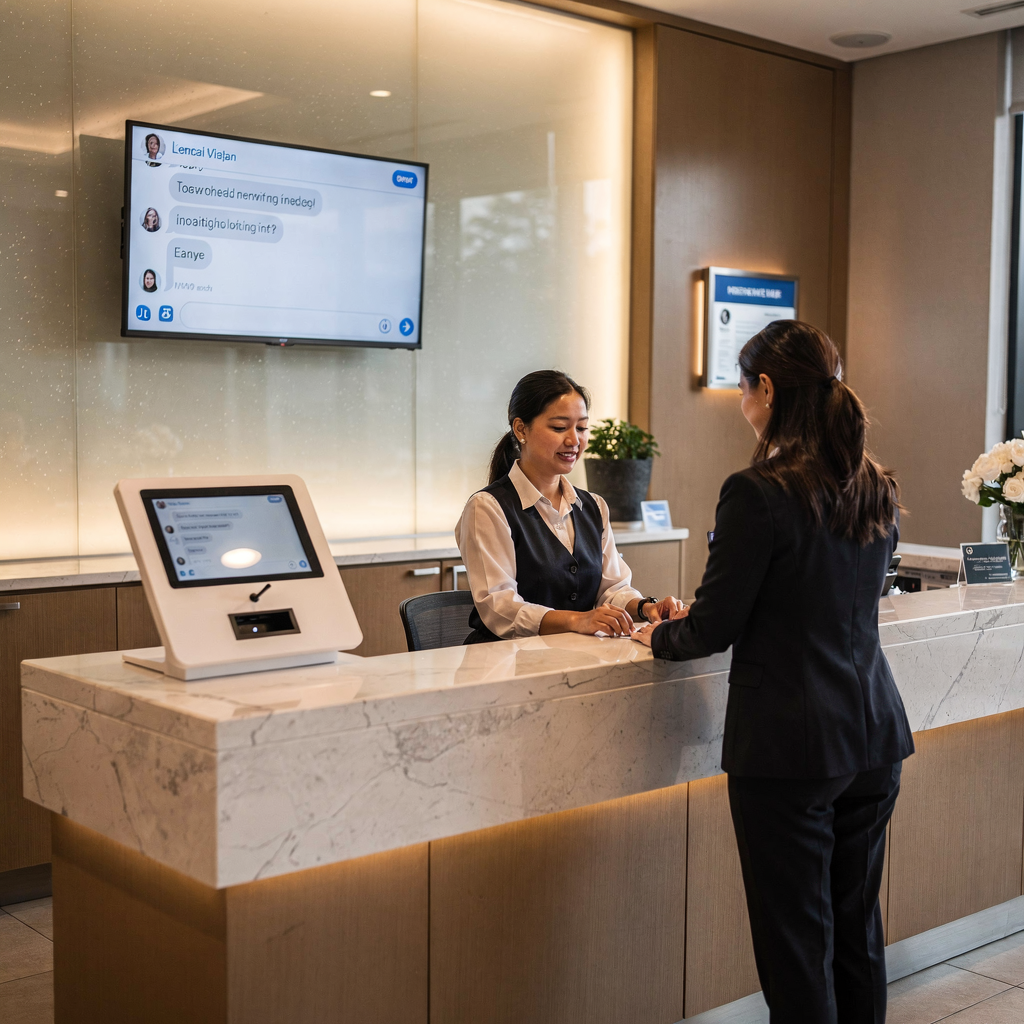
Large chains and boutique groups both deploy systems to handle check-in messages, room-service requests, and local recommendations, and they report measurable gains. For instance, some chain deployments cut front desk queues and reduced phone volume, and they let staff focus on complex guest interaction and special requests. This reduces the workload at peak times, and it improves the consistency of replies. Hotels that set clear escalation rules see better handoffs, and guests still get human help when needed.
Design matters. Keep flows short, and make escalation points obvious, and you will boost containment and reduce unnecessary transfers. Use conversational ai to provide natural replies, and use property data to personalize answers. For example, linking AI to property management systems (PMS) gives context about a reservation and about guest preferences. That context helps an ai assistant deliver accurate responses and a more personalized experience. In short, AI can enhance guest experience while letting staff focus on high-touch moments.
frequently asked questions, booking and booking to checkout: automating routine tasks to save time
Automating routine tasks across the booking to checkout path reduces friction, and it cuts manual work for staff. Start by automating frequently asked questions, basic booking changes, check-in confirmations, invoice requests, and simple room-service orders. These are high-volume tasks that a chatbot or ai chatbot can resolve quickly. A well-built chatbot solution improves first-response speed, and it increases self-service completion. Hotels should track metrics like resolution rate, time-to-first-response, self-service completion, and reduction in front desk calls to measure value.
For example, many properties use automated workflows to confirm STAY details, to manage early check-in requests, and to share key arrival instructions. This lowers the number of phone calls to the front desk. Chatbots also drive direct bookings when integrated with booking engines, and they help cut third-party commission costs. You can measure conversion uplift from direct bookings by tracking the source of reservation links and the conversion rate after AI prompts.
Metrics matter. Monitor average time-to-first-response and track how many guests complete a step without human help. Also watch containment rate, since a higher rate shows the bot is resolving issues without transfer. Then measure upselling conversion and revenue per resolved interaction to show ROI. A focused approach helps independent hotels and large chains alike. virtualworkforce.ai helps teams automate email-heavy workflows across operations, and similar principles apply to guest messaging; you can route, resolve, and draft replies using live data from your systems læs mere om integration af AI i service‑workflows.
When you automate guest messages, keep personalization on. Use guest preferences, past stays, and room type to tailor offers. For example, suggest an in-room breakfast for a guest who previously ordered room service. That kind of tailored nudge can boost upselling and increase revenue. Overall, automation should save time, and it should improve accuracy and the guest experience across the full booking to checkout journey.
Drowning in emails?
Here’s your way out
Save hours every day as AI Agents label and draft emails directly in Outlook or Gmail, giving your team more time to focus on high-value work.
hotel chatbot, conversational ai and chatbots: design for every guest and better service
Design matters for every guest. Start with short, clear flows for FAQs, and then add escalation points to a hotelier for complex needs. Use multilingual replies and accessible UI so every guest can get relevant help. For example, a conversational ai should detect language and switch to a guest’s preferred tongue automatically. This removes friction for international guests and improves inclusivity. In addition, use tone of voice templates so messages match your brand and feel human when needed.
Always include an explicit handover path. A bot should ask, “Would you like me to connect you to the front desk?” when it cannot help. That builds trust. Also, log the conversation in property management systems or PMS so staff arrive with context. That reduces follow-up questions and speeds resolution. Use escalation tags for urgency and send alerts to the right team member. This kind of integration creates smoother guest interaction and higher first-contact resolution.
Measure the right KPIs. Track containment rate to see how many contacts stay within the bot. Track handover quality and guest satisfaction for bot interactions. Track response times and resolution time to quantify service gains. These KPIs show where to tune flows and when to add human oversight. A single ai assistant can answer many queries, and when you combine that with staff escalation rules you get a seamless balance of automation and human care.
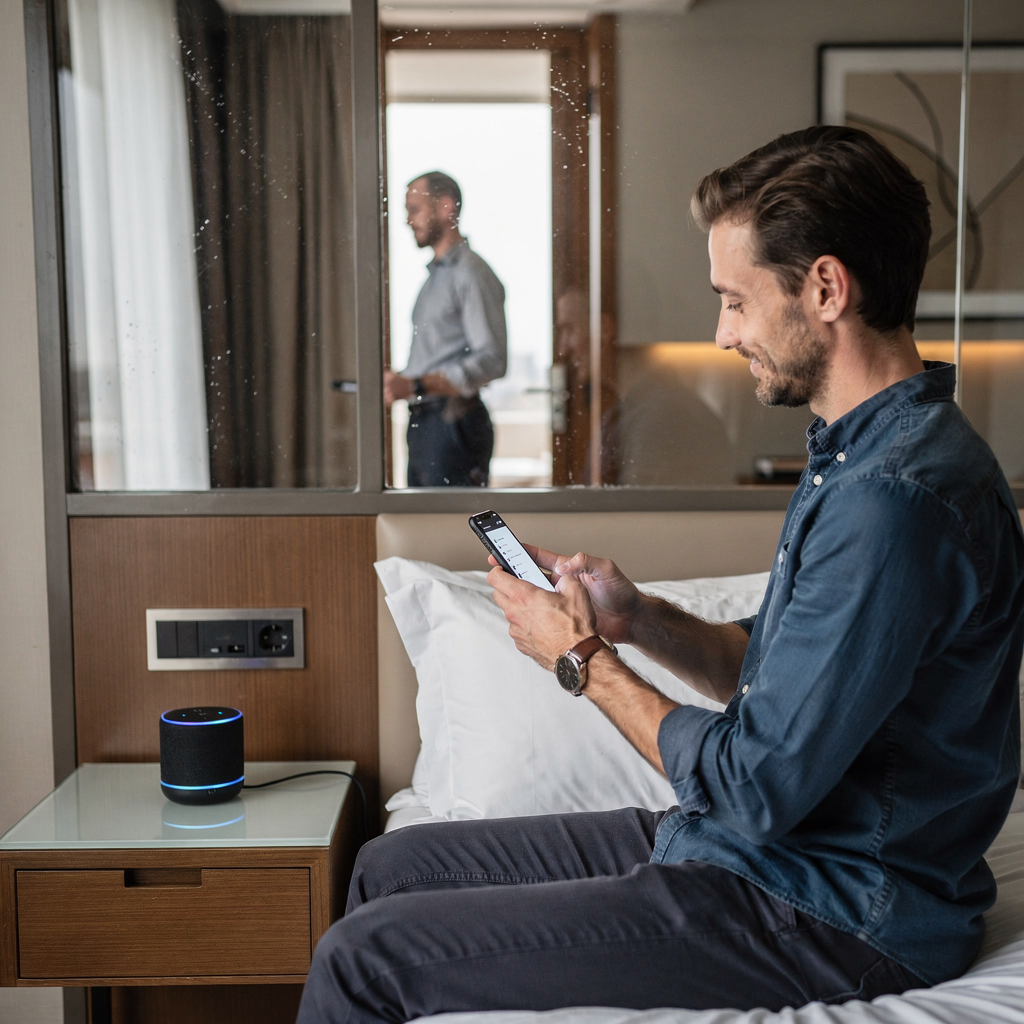
Use inclusive design to help guests with disabilities and guests who prefer voice. A hotel voice bot or hotel voice assistant in the room offers hands-free control for lighting, for check-in status, and for room service requests. Also, test for edge cases so the bot does not repeat loops. Unlike generic scripts, a well-trained ai hotel system can offer personalized experience based on your property’s data and a guest’s previous stays. Finally, consider platforms that let you tailor offers and that integrate with existing management systems so the bot never replies with out-of-date availability.
concierge, whatsapp and omnichannel guest assistant: seamless omni‑channel experiences
Guests use multiple channels, and hotels must meet them where they are. Build an omnichannel strategy that includes WhatsApp concierge, web chat, in-room ai voice, SMS, and a mobile app. WhatsApp is widely adopted by guests for quick messaging, and it works well for arrival updates and for brief concierge tasks. Voice ai in rooms increases hands-free convenience, and it helps guests place service requests while relaxing.
Make channel handoffs seamless. A guest might start on WhatsApp and then continue on the in-room voice assistant. Keep context across communication channels, and resume the conversation where it left off. Integrate the communication platform with PMS and CRM so details like room number, reservation, and guest preferences are available. That level of context enables personalized responses, and it avoids repetitive verification questions.
Integrate with point-of-sale and room-service systems so requests show up for staff to fulfill. Also, link with back-office management systems to automate status updates and billing. If you want examples of cross-functional automation, see how operational teams use AI agents to reduce email handling and to create structured data from messages læs om AI‑agenter, der automatiserer operationelle beskeder. That same idea applies to guest messaging: unify channels and data so the guest assistant becomes a real-time source of truth.
Omnichannel gives guests choice and improves uptake of self-service. Offer the same core capabilities on each channel, and be sure to support multilingual replies for international guests. A seamless experience reduces repeat contacts, and it frees staff to focus on special requests and on improving the guest journey.
Drowning in emails?
Here’s your way out
Save hours every day as AI Agents label and draft emails directly in Outlook or Gmail, giving your team more time to focus on high-value work.
ai voice, hotel voice assistant and front desk: boost staff efficiency while keeping the human touch
AI voice and chat handle routine requests, and the front desk and concierge focus on nuanced, emotional, or complex cases. This split lets teams deliver better service, and it helps staff save time. For instance, a hotel voice assistant can confirm a wake-up call, change a booking time, or request extra towels. These are tasks that free up your team, and they let hoteliers concentrate on high-touch guest service.
Define handover rules clearly. When the bot cannot resolve a request, transfer context and a short summary to the front desk and concierge. Use templates that staff can adapt quickly, and maintain a consistent tone of voice. This reduces repetition, and it speeds up meaningful interactions. Also, ensure agents have access to the conversation history in the PMS so they know what was already tried.
The benefits are measurable. Teams save time, and they report a rise in overall productivity. For operations that handle many repetitive tasks, AI agents can triage and route requests, and they can draft replies or escalate only when needed. virtualworkforce.ai demonstrates similar gains for email workflows where handling time drops from roughly 4.5 minutes to about 1.5 minutes per email when automation is applied se casestudier om automatisering af operationelle e‑mails. Apply the same logic to guest inquiries to reduce staff workload and to boost response times.
Keep human oversight. Train front desk staff to manage escalations and to use escalation prompts. Track handover quality and guest satisfaction, and iterate. When done right, the system offers both speed and warmth, and it helps staff focus on the moments that matter most in the guest journey.
guest expectations, boost ROI and implementation: metrics, privacy and rollout checklist for hoteliers
Guests expect fast, accurate, and often multilingual replies. They also value human help for more complex needs. Set clear expectations publicly so guests know when to use self-service and when to contact staff. Track metrics like cost per resolved query, upsell conversion from AI prompts, occupancy impact from direct bookings, and customer satisfaction. These numbers show ROI and guide further investment.
Privacy and data governance matter. Ensure compliance with EU rules and with local laws, and limit data sharing to what’s necessary. Adopt role-based access for guest data, and log actions for traceability. Also, test multilingual and ai voice flows to confirm accurate responses for international guests. A good rollout includes testing and staff training so the team knows when to step in and how to maintain brand tone.
Use a practical checklist during rollout. First, choose an omnichannel platform that supports WhatsApp, SMS, web chat, voice ai, and mobile app integration. Second, test frequently asked questions and edge cases, and then connect to property management systems and CRM. Third, train staff on escalation rules and on using conversation summaries. Fourth, monitor KPIs and iterate on flows. Fifth, ensure privacy, and document governance for guest data. If you need operational parallels, virtualworkforce.ai shows how AI can automate repetitive tasks and streamline workflows across systems, which helps teams scale without hiring more staff se eksempler på automatisering af operationelle beskeder.
Finally, balance automation with human care. Use ai-powered tools for routine service requests and for answering faqs quickly. Then route nuanced or emotional issues to people. That approach helps hotels boost guest satisfaction and increase revenue through better upselling and more accurate responses. As new ai tools appear, test them, measure them, and adapt them to your property’s needs. With careful integration, AI will enhance guest service and will help hotels meet guest expectations while saving time and costs.
FAQ
What is a hotel chatbot and how does it help?
A hotel chatbot is an AI-driven chat tool that answers common guest questions and automates routine tasks. It helps by reducing response times and by handling high volumes of guest queries so staff can focus on complex service requests.
Can AI handle booking changes and the full booking to checkout process?
Yes, AI can automate many steps from initial booking questions to checkout confirmations. It can process simple booking changes, send invoices, and confirm check-in details while integrating with property management systems for accuracy.
How do I measure the success of an ai assistant in my hotel?
Track KPIs like containment rate, time-to-first-response, self-service completion, upsell conversion, and customer satisfaction. Also measure cost per resolved query to understand ROI and whether the system helps reduce workload.
Will guests miss human interaction if we automate too much?
Guests still value human touch for emotional or complex issues, and automation should complement human teams. Design clear escalation paths so front desk and concierge staff handle sensitive cases.
Do AI systems support multilingual communication for international guests?
Many systems include multilingual capabilities to translate messages and reply in the guest’s language. That feature improves access for international guests and boosts inclusivity.
What channels should a hotel include in an omnichannel strategy?
Include WhatsApp concierge, web chat, SMS, mobile app, and in-room voice ai to meet guests on preferred channels. Ensure context flows across communication channels for a seamless guest journey.
How does integration with PMS and CRM improve AI responses?
Integration gives the ai assistant context like room number, reservation status, and guest preferences, which leads to more accurate and personalized replies. This reduces repetitive verification and speeds up resolution.
What privacy steps should hotels take when deploying AI?
Implement data governance, role-based access, and logging of actions. Ensure compliance with local regulations and with EU requirements when applicable, and minimize data retention to what is necessary.
Can AI boost direct bookings and increase revenue?
Yes, AI can present targeted offers and booking links to convert conversations into direct bookings. It can also support upselling by suggesting relevant services at the right moment to increase revenue.
How do I start implementing AI without disrupting operations?
Begin with a pilot focused on frequently asked questions and high-volume tasks, and then integrate with your systems step by step. Train staff on escalation rules, monitor KPIs, and iterate. You can also review case studies on automating operational messages to guide rollout decisions læs mere om at skalere operationer med AI‑agenter.
Drowning in emails?
Here’s your way out
Save hours every day as AI Agents label and draft emails directly in Outlook or Gmail, giving your team more time to focus on high-value work.