


ai email automation for hotel guest communication: assistant, reply, draft, multilingual, ai email automation
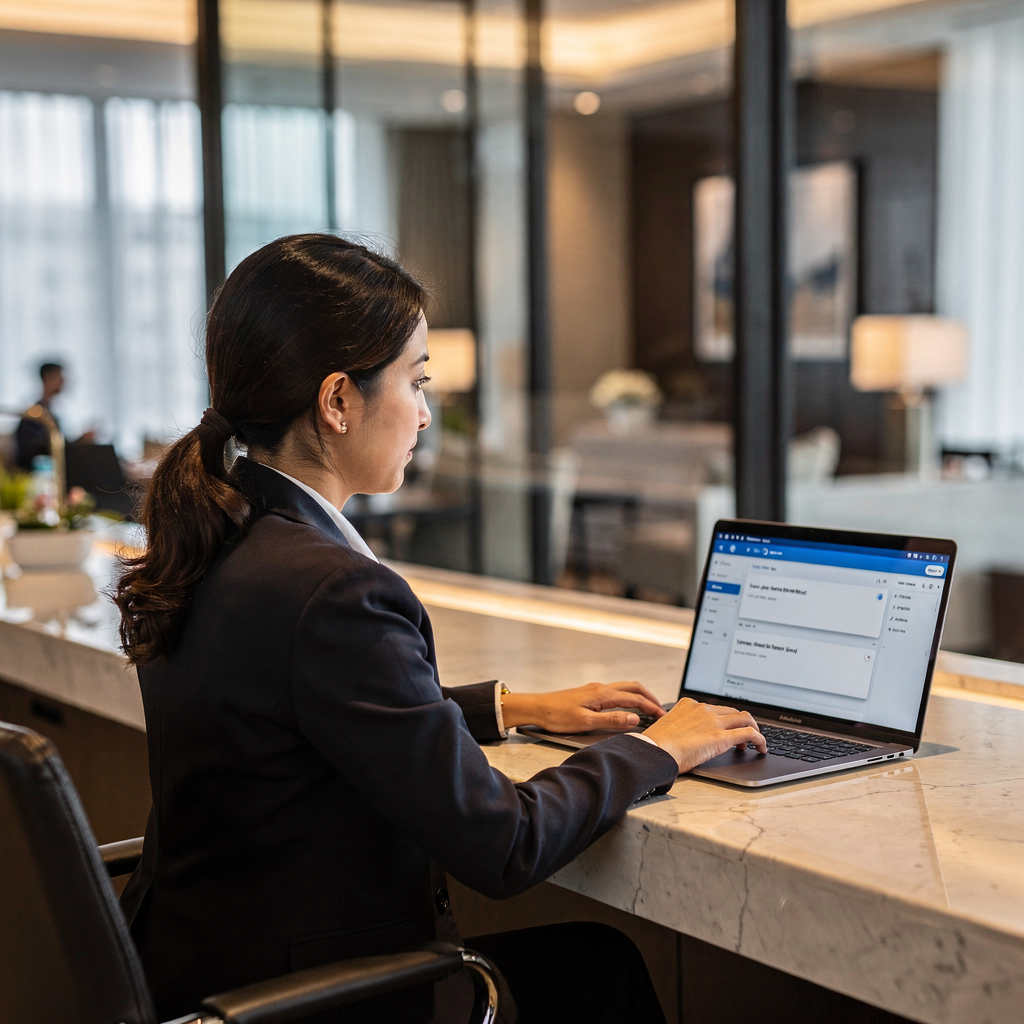
AI email automation transforms how hotels communicate with guests. Next, it drafts confirmations and reminders that send automatically. Also, it provides instant inbox replies and multilingual messages. This chapter covers core functions: auto-drafting and sending transactional and marketing messages like booking confirmations, pre-arrival guides, and post-stay notes. Also, it handles simple inquiries and auto-sends follow-ups that help increase bookings and loyalty.
Transactional messages matter. For example, the mean unique open rate for transactional messages in hotels sits at about 47.1%. So, using AI to manage every email can move the needle on engagement. Also, automated follow-ups drive engagement and repeat stays. Next, AI can personalize content by pulling reservation details and guest preferences from a property CRM. Then, teams can review and approve templates for an on-brand response.
Also, many hotels use an AI-powered reservation assistant that drafts confirmations and sends them via email reservation flows. Furthermore, AI can generate multilingual content so a traveler receives clear instructions in their preferred language. The result is faster reply times, fewer manual edits, and a more consistent guest experience. Also, this approach reduces the workload on reservation teams while improving accuracy.
Short example of an automated confirmation email:
“Hello [Name], thank you for your booking. Your reservation is confirmed for [dates]. Check-in begins at 3 PM. If you need airport transfer or late check-in, reply to this message and we will assist. We look forward to welcoming you.”
Also, this simple draft shows how AI can tailor phrasing while preserving brand voice. Next, hotels can integrate templates with the booking engine and PMS to include real-time details. Finally, AI email automation supports seamless, timely guest communication and frees staff for higher-value tasks.
hospitality industry use cases: hotelier, reservation, reservation assistant, reservation teams, booking, direct bookings, connect, crm
Hoteliers deploy AI to support reservations, sales, and revenue teams. First, a reservation assistant can triage incoming requests and draft replies. Next, reservation teams validate AI drafts and confirm special requests. Also, integrating the AI with CRM lets the system pull loyalty status, room preferences, and past-stay notes. This helps to personalize offers and to increase direct bookings by surfacing tailored promotions during the booking path.
Use case examples are practical. First, pre-check messaging: an automated pre-arrival email reminds guests about check-in, parking, and dining options. Second, upsell at reservation: the system offers room upgrades or late check-out during booking confirmation. Third, post-stay review requests: the AI sends a polite review invitation and a follow-up if the guest does not respond. These three real use cases reduce manual steps and improve conversion.
Also, deep CRM connect reduces errors. For instance, when the booking engine confirms a payment, the AI updates the guest record and sends a tailored message. Next, reservation teams keep final oversight for complex cases. Also, third-party channels like Booking.com or OTAs remain part of the workflow, and AI can note channel source in CRM entries for later analytics.
Furthermore, hotels can use an email reservation flow that links CRM data to the reply content. This keeps messages on-brand and accurate. Also, the AI helps hotels segment guests by traveler type so promotions reach the right audience. Finally, the system can push structured data back into CRM to improve future automation and reporting. For more on scaling operations with AI agents, see a practical guide on how to scale operations with AI agents.
Drowning in emails?
Here’s your way out
Save hours every day as AI Agents label and draft emails directly in Outlook or Gmail, giving your team more time to focus on high-value work.
integration and api: integration, api, ecosystem, all-in-one platform, connect, customize, ai models, chatgpt, generate
Technical integration shapes how well an AI fits into hotel workflows. First, you can deploy native plugins or use an all-in-one platform that bundles PMS, CRM, and messaging. Next, APIs and webhooks let you connect booking systems and third-party tools in a secure ecosystem. Also, deep PMS integration gives timely data, fewer errors, and better on-brand replies. For example, a booking change in the PMS triggers a new confirmation via the AI.
AI models, including ChatGPT-style engines, generate personalized copy from rules and data. Also, you can customize templates, tone, and escalation paths. Furthermore, teams can map data fields so the system pulls the right values for dates, rates, and loyalty tiers. Also, an outlook plugin or similar connector helps staff draft or approve messages inside Outlook or Gmail before sending. That reduces friction for teams that prefer native mail clients.
Security and compliance matter. For instance, GDPR rules guide data flow and retention. Therefore, you should audit how the AI accesses guest profiles and where personal data lives. Also, consider whether to process data in-region or to use secure anonymization for testing. Next, a simple data flow diagram helps to visualize the chain: PMS → CRM → AI → email/send. This shows where data is read, where it is enriched, and where outgoing messages originate.
Finally, if you need a how-to on integrating email and operations data, review a resource on automating emails with Google Workspace and virtualworkforce.ai that explains common connectors and governance choices: automate emails with Google Workspace. Also, choose a vendor that supports third-party plugins and offers clear logging for audits. Then, you will maintain traceability while you customize the experience for guests.
automation at scale: automation, autopilot, bot, whatsapp, newsletter, pricing, traveler, helps hotels
Scaling communication across channels reduces workload and keeps guests happy. Also, autopilot workflows let hotels send sequences automatically after booking. Next, AI can hand off complex chats to a human using a bot-to-agent flow. Also, WhatsApp or SMS can handle urgent inbound questions while email remains the official record. This cross-channel approach supports 24/7 guest contact and quick replies for common issues.
Newsletter automation and segmentation let hotels stay relevant. For example, segment by traveler type and send tailored promotions for leisure or corporate guests. Also, AI can generate subject lines and preview text that increase opens. Then, hotels can A/B test messages and measure which promotions drive conversions. Next, pricing for these platforms typically follows three models: pay-per-seat, per-message, or tiered SaaS subscription. Each model suits different scales and needs.
Checklist for choosing a pricing model:
1. Estimate monthly incoming messages and outgoing sends. 2. Decide if reservation teams need seat-based access. 3. Compare per-message vs subscription ROI. 4. Confirm support for WhatsApp and newsletter APIs. 5. Verify SLAs for uptime and support.
Three metrics to measure ROI include response time, open rate, and conversion to direct booking. Also, multi-channel automation cuts manual triage and supports consistent follow-ups. Next, bots handle routine queries, and humans handle exceptions. Also, an ai-powered autopilot can escalate complex incoming requests to reservation teams with full context. Finally, this approach helps hotels optimize staffing while improving guest satisfaction.
Drowning in emails?
Here’s your way out
Save hours every day as AI Agents label and draft emails directly in Outlook or Gmail, giving your team more time to focus on high-value work.
guest experience and performance: guest, reply, newsletter, generate, ai models, helps hotels, multilingual, traveler
AI improves measurable guest outcomes. First, faster reply times increase perceived service. Next, personalized messages in the guest’s language reduce friction and boost satisfaction. Also, structured communication protocols have raised guest satisfaction by about 23% in studies. Furthermore, transactional messages, which often use automation, show high engagement, with open rates near 47.1%.
AI models can generate tailored offers for different traveler segments. For instance, the system can tailor a family package to leisure travelers and a meeting offer to corporate accounts. Also, multilingual support ensures instructions and policy notes are clear in the guest’s language. Next, newsletters become more relevant when AI selects content based on past stays and preferences. Also, on-brand tone and consistent brand voice matter for repeat business.
Recommended KPIs include guest satisfaction, NPS, email open and click rates, and conversion to upsell. Also, track response times and ticket resolution for incoming inquiries. Next, analytics from the AI dashboard can show which messages drive bookings and which need optimization. Also, training the model with a hotel knowledge base keeps replies accurate and reduces escalation. Finally, AI helps hotels act on data faster, improving the overall customer experience and operational efficiency.
For an ROI case study and more metrics on automating operational emails, see the virtualworkforce.ai ROI resource that explains typical gains and measurement points: virtualworkforce.ai ROI for operations.
adoption roadmap for hoteliers: hotel, hotelier, crm, reservation teams, all-in-one platform, bot, api, pricing, customize
Start with a clear pilot and a small scope. First, choose between an all-in-one platform and a best-of-breed stack. Next, define the pilot scope—reserve booking confirmations and pre-arrival messages as a start. Also, involve reservation teams to validate drafts and to set escalation rules. Then, map data fields between CRM and PMS and confirm API access. Also, review pricing models and choose the plan that fits projected volume.
Step-by-step rollout:
Day 0–30: Select vendor, define pilot, and run a data privacy review for GDPR and local rules. Day 31–60: Integrate CRM and PMS, load templates, and train the AI using a hotel knowledge base. Day 61–90: Launch pilot, monitor metrics like open rate, response time, and conversion, and iterate templates and routing rules. Also, schedule staff training and define team roles for monitoring and escalation.
Practical checklist for deployment:
1. Pilot scope and success criteria. 2. Data privacy review and governance. 3. Integration plan and API mapping. 4. Training schedule for reservation teams. 5. Pricing review and ROI thresholds.
Five action items for hoteliers:
1. Approve pilot scope with reservation teams. 2. Run a GDPR data flow audit. 3. Connect CRM and PMS via API for live data. 4. Customize message templates and brand voice. 5. Track metrics and expand if KPIs meet targets.
Also, consider vendors that automate the full email lifecycle so you reduce handling time and improve traceability. For help on operational email automation and workflow design, virtualworkforce.ai offers resources and guidance that align with hotel operations needs: operational email automation resources.
FAQ
What is an AI email assistant for hotels?
An AI email assistant is a system that drafts, routes, and sometimes sends messages related to reservations and guest service. It uses guest data and rules to create accurate replies and to reduce manual work for reservation teams.
How do transactional emails perform in hospitality?
Transactional emails in hotels have high engagement, with an average unique open rate around 47.1%. These messages often include confirmations and check-in details that guests expect to receive.
Can AI handle multilingual guest messages?
Yes. Modern systems provide multilingual support and can generate messages in the guest’s preferred language. This improves clarity and reduces follow-up questions, which enhances the guest experience.
How does integration with PMS and CRM work?
Integration typically uses APIs and webhooks to share reservation and profile data between systems. This allows the AI to pull accurate details to personalize messages and to push structured updates back into CRM records.
Will AI replace reservation teams?
No. AI handles routine queries and drafts replies, while reservation teams validate complex requests and manage exceptions. This collaboration boosts efficiency and maintains service quality.
What channels can AI support besides email?
AI can support multiple channels including WhatsApp, SMS, and web chat. Bots can handle simple interactions and escalate to humans when needed, ensuring 24/7 coverage.
How should hotels measure ROI from AI email automation?
Measure response time, open rates, and conversion to direct booking. Also track workload reduction and any uplift in guest satisfaction or NPS scores to quantify value.
What data security concerns should hoteliers review?
Hotels must review GDPR compliance, data residency, and access controls. Also, audit how the AI reads and writes guest data and ensure logging for traceability.
What pricing models exist for AI email tools?
Common pricing options include pay-per-seat, per-message charges, and tiered SaaS subscriptions. Choose the model that fits message volume and team structure.
How do I start a pilot for AI email automation?
Begin with a small pilot focused on confirmations and pre-arrival messages. Then integrate CRM via API, train templates, and involve reservation teams for oversight. Finally, monitor KPIs and expand once you see clear gains.
Drowning in emails?
Here’s your way out
Save hours every day as AI Agents label and draft emails directly in Outlook or Gmail, giving your team more time to focus on high-value work.