


Why AI matters in fine dining — ai, ai in restaurants, restaurant ai, ai for restaurants, fine dining
AI agents are software that handle tasks such as reservation capture, messaging and personalised recommendations with little human input. They work across voice and digital channels, and they can take bookings, answer dietary inquiries and suggest menu items based on past visits. For busy dining establishments, this matters because small delays cost covers and goodwill. For example, a 2025 PwC survey found that 88% of senior executives planned to increase AI budgets within 12 months — a clear market signal that restaurants are following the same trend (PwC).
AI solves routine friction. It captures reservations 24/7 and reduces missed bookings. It can run targeted promotions that lift spend. Case studies in broader hospitality show measurable uplifts; one operator reported an 18% sales lift from agent-driven campaigns, and recommendation engines have raised average check values by pushing tailored wine pairings and tasting menus (NetSuite). At the same time, fine dining relies on human craft and theatre. AI should augment, not replace, the front-of-house. Staff must remain the centrepiece for the arrival moment and the exceptional in-person dining experiences that define your brand.
When deployed well, an AI platform can reduce no-shows, optimise table turnover and help staff focus on service. For independent restaurants and restaurant chain groups, the same tools allow consistency at scale. Importantly, designers must bake in natural language understanding and human handover rules so the system knows when to escalate. If emotional tone matters, research on whether bots should express positive emotion suggests that “Bots with feelings: should AI agents express positive emotion in service interactions?” can influence perceived quality and engagement (study). In short, AI in restaurants offers practical gains, but success depends on balance between automation and the human touch.
Practical use cases for bookings and guest care — use cases, reservation, booking, ai agents for restaurants, agents for restaurants
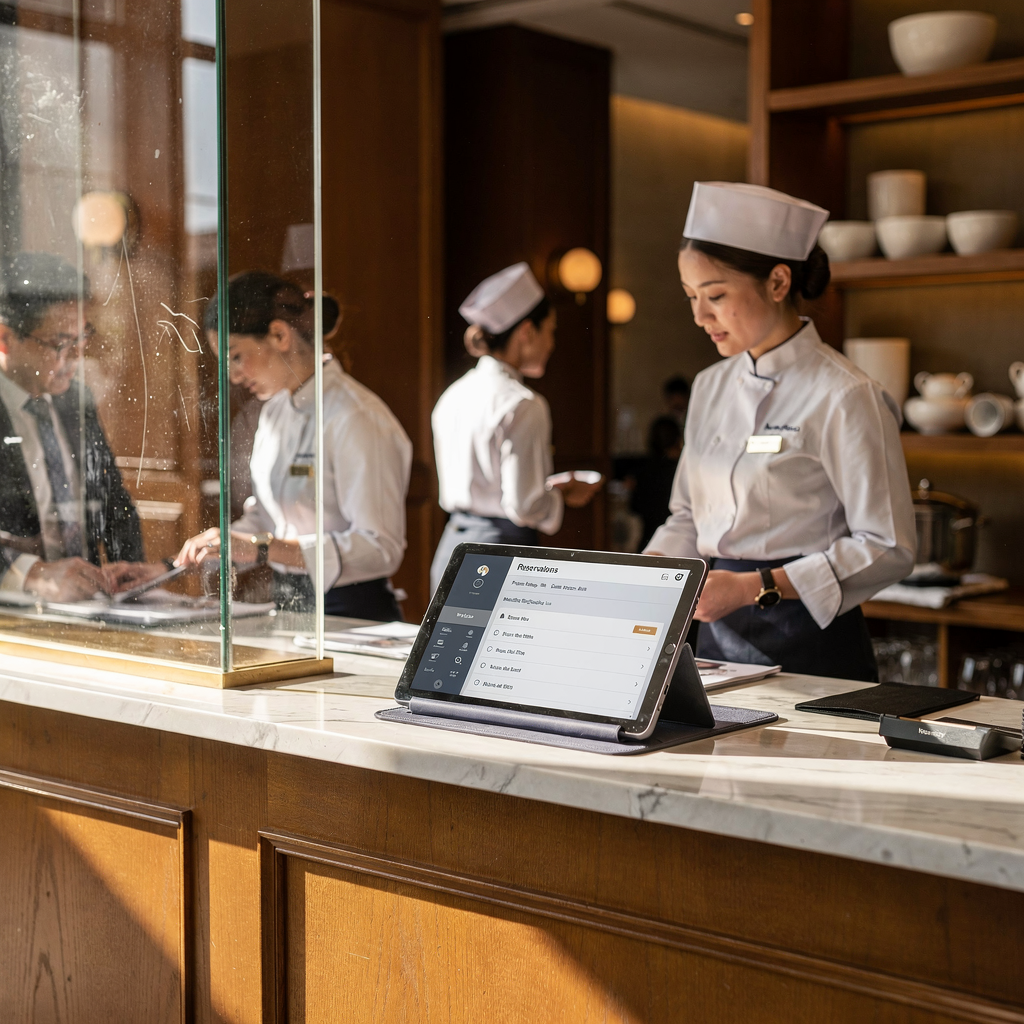
AI handles reservation tasks reliably. It can confirm bookings, manage waitlists and send reminders so guests arrive on time. A properly trained AI assistant picks up cancellation patterns and offers instant rebooking links. This reduces empty covers and improves table turnover. Many restaurants see double-digit drops in last-minute cancellations during pilot programmes. Also, when AI offers personalised upsells, revenue per cover rises. AI-driven suggestions for tasting menus and wine pairings increase add-on sales, and recommendation logic that learns from past visits can suggest menu items based on past behaviour.
For reputation and guest care, AI agents for restaurants parse online reviews and flag negative sentiment before it spreads. They perform sentiment analysis in real-time and surface recurring issues to the team. That matters because online feedback drives repeat visits and search rankings. An AI solution that integrates with reservation systems and CRM allows staff to greet returning guests by name and respect dietary restrictions. For busy services, voice AI and AI phone handlers can take simple phone orders, freeing staff to focus on in-house guests. This is especially valuable for independent restaurants where staff wear many hats.
Practical adoption examples include conversational ai chatbots on websites, SMS confirmations and voice assistants for phone orders. These tools let restaurants handle more inquiries without adding headcount. If you want a deeper look at how AI helps operations and email workflows in other sectors, see how virtualworkforce.ai automates the full email lifecycle for ops teams so human agents focus on exceptions (end-to-end email automation). In sum, targeted AI use cases — from booking to review management — help restaurants handle demand and personalise service while preserving human-delivered moments.
Drowning in emails?
Here’s your way out
Save hours every day as AI Agents label and draft emails directly in Outlook or Gmail, giving your team more time to focus on high-value work.
Choosing and implementing the right system — implementing ai, choosing the right ai agent, ai agent for your restaurant, right ai
Start by mapping needs. Note peak hours, common cancellation reasons and CRM gaps. Audit your tech stack and confirm whether reservation platforms and POS systems will integrate. If you want to deploy AI, choose a system that supports natural language and both voice and digital channels. The best AI systems offer clear human handover rules and compliance with GDPR and local privacy laws. Also look for analytics that surface KPIs like no-shows, upsell conversion and average covers per service.
Your selection checklist should include: natural language understanding, integration with reservation systems, secure data handling and configurable brand voice. You should also test an ai solution that can suggest menu items and suggest menu items based on past visits, so recommendations feel relevant. When choosing the right ai agent, pilot with a single site or service period, and track metrics. For example, measure reductions in no-shows, decreases in response time and increases in average spend. Run the pilot long enough for the model to learn seasonal patterns and guest preferences.
Costs vary. Account for setup, integrations and staff training. Measure ROI through saved staff hours and extra covers. If your restaurant already has a strong CRM, look for an ai platform that integrates with it. Our company, virtualworkforce.ai, focuses on automating data-dependent messaging and can help restaurants move routine emails and confirmations into reliable workflows so staff spend less time on triage and more on guests (example of email automation use). Finally, define success criteria in advance and ensure your vendor provides pilot support and clear SLAs for escalation and accuracy. This approach keeps the human touch front and centre while the AI reduces friction.
How hospitality workflows change with automation — hospitality, hospitality ai, workflow, automate, automation, use ai
Automation shifts day-to-day workflows. AI handles routine booking confirmations and common FAQs, so staff focus on arrival, table service and special requests. That increases guest experience and reduces stress during peak hours. For example, an AI assistant can confirm a reservation, ask about dietary restrictions and log the answer in a central guest profile. Then, on arrival, staff already know the guest has an allergy and can adjust service. This reduces errors and improves speed.
Define clear escalation rules so AI escalates VIP or complex requests to a human. Service recovery protocols should make human intervention the norm for sensitive complaints. AI can flag patterns — repeated late arrivals or declining satisfaction scores — but the restaurant manager should lead the recovery conversation. Update standard operating procedures and staff training so everyone knows when to take over. Staff training helps teams understand AI limits and the handover process. It also helps restaurant operators keep brand voice consistent in automated messages.
Automation also affects staffing and scheduling. With AI handling routine messages, restaurants can reallocate staff to guest-facing roles or to food service tasks like plating and finishing. AI can integrate with staff scheduling tools to predict busy nights and suggest optimum rostering. If you want to learn how operations teams in other sectors scaled without hiring, the example here shows how automation reduces repetitive email work and frees people for higher-value tasks (scale without hiring). Use automation to optimize guest care while protecting the high-touch service moments that make your restaurant special.
Drowning in emails?
Here’s your way out
Save hours every day as AI Agents label and draft emails directly in Outlook or Gmail, giving your team more time to focus on high-value work.
Scaling across sites and brand standards — restaurants use, restaurant chain
When restaurants scale, centralised guest profiles matter. A single view of guest preferences increases repeat visits and allows personalised service across sites. Corporate teams can enforce brand voice while local managers customise scripts for specials and events. This balance keeps the experience consistent and still lets chefs showcase seasonal menu items. Chains can deploy the same ai platform to multiple locations, which speeds return on investment and keeps data standardised.
Governance prevents drift. Create central policies for data handling, escalation and KPI tracking. Local managers should monitor AI quality and report anomalies. Shared analytics let the marketing team run targeted promotions and track their effect on covers and spend. Many restaurants use AI agents offer consistent upselling prompts across venues, which helps marketing tools perform better at scale. At scale, chains capture faster payback because integrations and workflows are standardised and shared data improves recommendation accuracy.
Scaling also reduces food waste. AI that predicts covers and suggests menu items based on past bookings helps chefs plan portions. When forecasts improve, food purchasing shrinks and spoilage falls. For restaurants to scale successfully, combine a central ai platform with local freedom. That combination allows restaurants to scale while keeping the human service that makes each site special. If your tech stack needs operational email automation, virtualworkforce.ai shows how thread-aware memory and deep data grounding keep long conversations accurate and traceable (email automation example).

Frequently asked questions for operators thinking to use ai — frequently asked questions, use ai, reservation, booking, restaurant ai
Will guests accept automated booking? Acceptance is growing as interactions become quicker and clearer. Studies on robot acceptability show that positive attitudes toward robotic service increase intentions to visit, so clear labelling and smooth handovers help (study).
Can AI express emotion? Research such as “Bots with feelings” suggests that positive-tone responses can improve perceived service, but authenticity and human fallback are essential (research). How to protect guest data? Enforce encryption, minimise stored PII and comply with GDPR and local rules. What KPIs should you track? Track no-shows, cancellations, average covers, response time, upsell conversion and staff hours saved.
Which vendor features matter? Look for strong natural language, voice ai support, analytics and smooth integrations. If email is part of your ops bottleneck, see examples where end-to-end automation reduced handling time and improved consistency across teams (ROI case). Finally, can AI reduce food waste? Yes — when forecast accuracy improves and chefs get earlier signals about covers, purchasing becomes leaner and waste falls.
FAQ
What exactly is an AI agent in a restaurant context?
An AI agent is software that automates tasks like booking confirmations, reminders and basic guest messaging. It can also suggest menu items and handle common queries, freeing staff to focus on in-person service.
Will automated booking reduce my restaurant’s personal touch?
No. When used correctly, automation handles routine tasks while staff maintain face-to-face interaction. The system should escalate VIP or complex requests to humans so the dining experience stays personal.
How much can AI reduce no-shows and cancellations?
Pilot projects often report double-digit drops in cancellations and reduced no-shows through timely reminders and rebooking prompts. Results vary by restaurant, but tracking no-shows before and after a pilot gives clear evidence.
Can AI suggest menu items based on past visits?
Yes. An AI platform can recommend menu items based on guest history, preferences and dietary restrictions. These personalised prompts help increase upselling success with relevant suggestions.
Is guest data safe with AI tools?
Reputable vendors use encryption, role-based access and data minimisation to protect PII. Always require GDPR compliance and clear data governance in vendor contracts.
Will staff need extra training to work with AI?
Some training is necessary so staff understand handover points and escalation rules. Staff training ensures teams can focus on high-value interactions while AI handles routine messages.
How do I measure ROI from AI deployment?
Track metrics such as reduced staff hours on messaging, uplift in average covers, upsell conversion and fewer no-shows. Combine these with qualitative guest feedback to get a full picture.
Can I integrate AI with my current reservation systems?
Many AI platforms offer integrations with common reservation platforms and POS systems. Confirm integration capabilities during vendor selection and test through a short pilot.
What about voice and phone orders?
Voice AI and ai phone handlers can take basic phone orders and confirm reservations, which frees hosts and reduces busy-line missed calls. Complex requests should still go to staff.
How do I start a pilot without disrupting service?
Begin with a low-risk, single-site pilot during a quieter period. Track KPIs and staff feedback, then iterate before wider rollout. Also consider automating operational email workflows first to remove repetitive tasks from staff.
Drowning in emails?
Here’s your way out
Save hours every day as AI Agents label and draft emails directly in Outlook or Gmail, giving your team more time to focus on high-value work.