


ai agents for restaurants and restaurant ai: what they are and key use cases
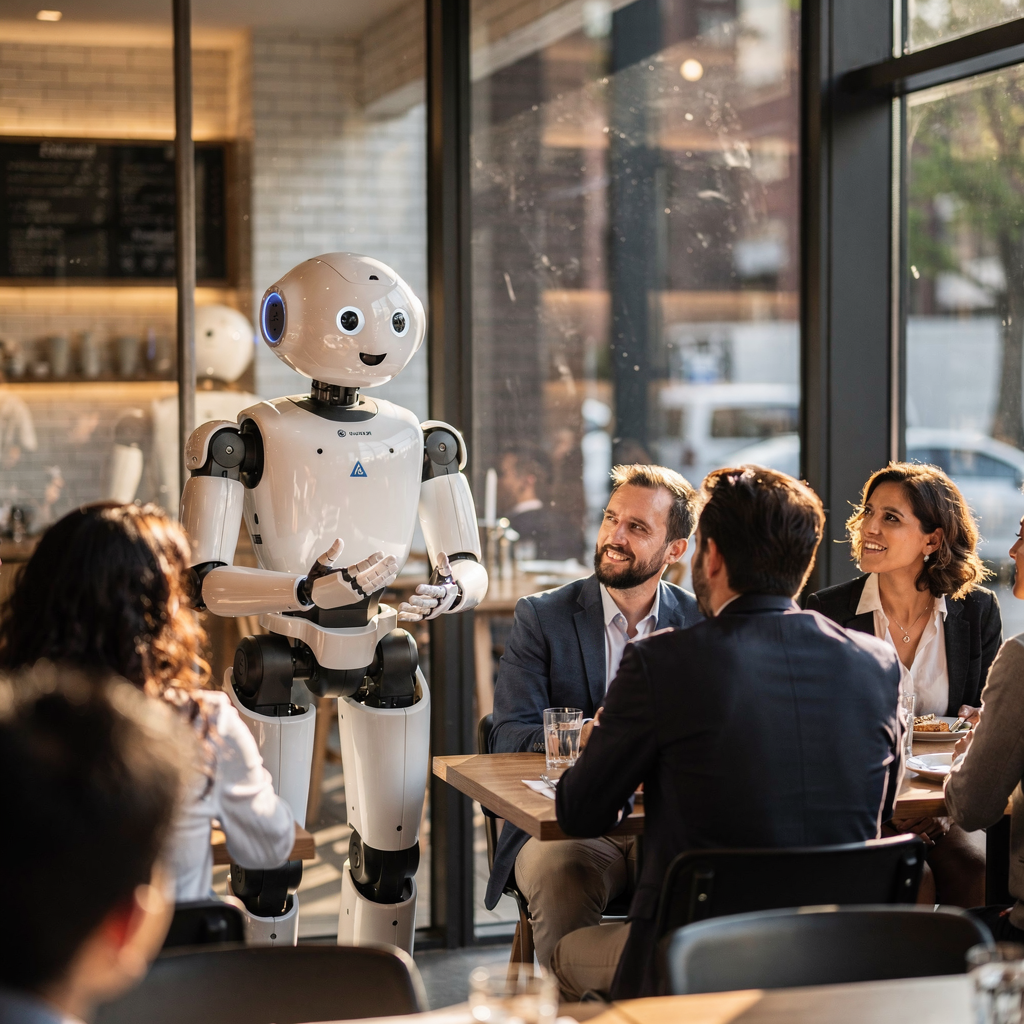
AI agents for restaurants are software and robotic helpers that perform specific tasks. They include chatbots, voice agents, virtual assistants and service robots. Together they form a practical layer of restaurant ai that helps with bookings, orders, FAQs and simple upsells. An ai agent can read a guest message, suggest menu items, and pass complex tasks to a human staff member. In short, ai agents are transforming how restaurants operate.
Concrete use cases show clear value. Chatbots handle online menus and take orders through messaging apps. Voice systems answer phone calls and confirm table bookings. Reservation and reservation management tools integrate with POS and booking platforms to streamline table bookings and reduce no-shows. Even order management in the kitchen benefits from automation, improving order accuracy and reducing errors on busy nights. These are core use cases that help restaurants using AI and operators scale service without hiring more people.
Adoption metrics matter. Nearly 80% of travelers use generative AI tools to plan dining and travel. Studies also show AI automation can cut time spent on routine tasks by about 30–40%, freeing staff to focus on the dining experience. A systematic review of conversational agents in tourism and hospitality reviewed 87 studies and found consistent gains in engagement and satisfaction across multiple research projects.
Examples make the scope concrete. A chatbot on a restaurant website can suggest menu items based on past orders and known allergies. A voice agent can confirm a reservation in natural language and add a special request to the reservation notes. Table bookings and walk-in waitlists can sync in real-time with a booking engine so staff see accurate availability. For restaurants using AI, these tools improve guest satisfaction and support repeat visits.
Finally, restaurant operations also change. Staff spend less time on repetitive calls and more time delivering face-to-face service. Managers get analytics on peak hours and customer preferences that help optimize staffing and menus. For operators who want practical examples of automating customer-facing workflows, see how teams apply automated email and operational AI in other industries like logistics at the guide to how to improve logistics customer service with AI.
voice ai and ai phone: how conversational ai can turn every call into a booking and never miss every call
Voice AI and modern ai phone systems let restaurants answer calls 24/7. They use conversational ai to detect intent, confirm dates, and collect simple details. In practice, that means fewer missed calls and higher booking capture. Voice assistants such as Google Duplex and vendor tools like OpenTable voice features automate many phone bookings and common questions, while other providers like Dialpad and Autumn focus on business telephony automation.
These voice agents handle common calls first. For example, they provide hours, takeaway times, menu highlights and table availability. If a caller asks a complex question, the system hands the call to human staff. This human handoff preserves guest satisfaction and keeps tricky decisions with a person. The best systems can also answer every question they are trained for and escalate when needed, so guests get accurate answers and the restaurant does not lose a potential booking.
Measurable benefits are clear. Automated phone answering reduces missed calls and captures bookings that would otherwise be lost during peak hours. Restaurants report lower staff time spent on phones and higher captured revenue per hour. The technology improves call volume handling without raising labor costs. Vendors differ by accuracy and integration, so choose tools that support natural language and integrate with reservation systems.
For a realistic pilot, set clear fallback rules and monitor caller experience closely. Ensure the ai phone system uses polite scripting that can match your tone. Also make sure the vendor supports multiple languages and real-time updates to avoid double-booking. If you want to see similar automation applied in structured communications, read how end-to-end email automation can speed operational replies at the virtual assistant logistics resource.
Drowning in emails?
Here’s your way out
Save hours every day as AI Agents label and draft emails directly in Outlook or Gmail, giving your team more time to focus on high-value work.
automate reservations and front-of-house workflow to free staff for service
Automating reservations and front-of-house processes frees staff to focus on delivering exceptional in-person dining experiences. Systems can confirm reservations, manage cancellations, run waitlists, and update table status in real-time. When set up correctly, automation reduces repetitive tasks so staff engage with guests instead of managing the phone or spreadsheets.
Practical workflow design matters. Integrate reservation systems with pos and kitchen displays to ensure the floor and back of house share the same information. Define explicit hand-off rules so ai systems escalate complex notes or VIP requests to a staff member. Use clear SLAs for fallbacks and mark any manual override in the reservation record so the team always has context.
A pilot checklist helps operators get started: scope the initial features, list integration points, schedule staff training, and set metrics to track such as booking capture rate, confirmation response time, and no-show reduction. Automation can also produce analytics on peak hours so you can optimize shift schedules. Those analytics help managers reduce labor costs while improving guest service during busy periods.
Systems that automate reservation workflows often connect to other ai systems such as loyalty tools and reporting dashboards. That lets managers track guest preferences and repeat visits. If your team already uses operational AI elsewhere, consider how those integrations can extend to the restaurant. For more on building connected, data-grounded automation in operations, review the way our platform automates full email lifecycles and routes intent-based messages at automated logistics correspondence.
Keep the workflow human-friendly. Design notifications so a staff member receives concise context. Train teams for the exceptions that require empathy or judgement. In this way, automation supports rather than replaces the front-of-house role.
guest experience, guest data and privacy: personalise safely in existing restaurant environments
Personalisation improves the dining experience, but it must be safe and simple. Use the minimum guest data needed to deliver value. Useful fields include allergies, dietary preferences, and a short guest history. With that data, an ai assistant can suggest menu items based on past orders or flag allergens before cook time. Small chains can achieve meaningful personalisation without large data stores by keeping transient preference records that expire after a short period.
Collecting guest data requires clear consent and transparent handling. Tell guests what you store, why you store it, and how long it will be kept. Limit access to customer preferences and guest history to essential staff and the ai systems that need it. Apply retention limits and delete rules to reduce risk and maintain trust. These steps help comply with privacy law in many regions and protect your reputation.
Personalisation yields measurable gains in guest satisfaction and repeat visits. When an system remembers a birthday or favorite dish, guests feel valued and return more often. Use analytics to test which personalised messages drive loyalty, and then iterate. Keep the experience consistent across channels so a guest sees the same preference when booking online, speaking on the phone, or dining in.
Security and governance are critical. Encrypt stored guest data, apply role-based access, and log all changes. Use audit trails so you can answer questions and quickly get answers for privacy requests. If your operation already uses AI in other departments, consider a single identity and consent flow so guest data across systems stays aligned. For teams exploring deeper operational automation, our platform shows how data grounding can improve reply accuracy across email, which parallels how restaurants can ground guest-facing AI in verified data ERP and operational sources.

Drowning in emails?
Here’s your way out
Save hours every day as AI Agents label and draft emails directly in Outlook or Gmail, giving your team more time to focus on high-value work.
integration, best ai and agentic ai choices for restaurants using ai
Integration with existing tools determines success. Connect reservation platforms, pos, payment gateways and staff scheduling to create a single source of truth. Integration with your existing management systems avoids duplicated work and improves data quality. Aim for a seamless flow where a change in one system updates all others in real-time.
Choose the best AI by evaluating accuracy, natural language performance, ease of integration, cost, fallback support, and reporting. Also look for agents that handle common questions and can escalate to human staff when required. Agentic AI can manage routine tasks autonomously, yet it should still allow human-in-loop oversight for important decisions. Use agentic ai for predictable, repetitive work and maintain human oversight for nuanced service moments.
When evaluating vendors, require clear timelines for integration and measurable SLAs. Ensure the solution supports pos inputs so kitchen and floor communicate effectively. Ask for reporting capabilities and analytics that show call capture, reservation conversion, and reduction in missed calls. If you want examples of data-grounded automation that reduce handling time, see the ROI and case studies on how AI scales operations without hiring at how to scale logistics operations with AI agents.
Apply a simple selection rubric: accuracy test, integration trial, fallback policy, and cost-per-booking estimate. Test in a live environment for at least six weeks. During the pilot, monitor call volume, reservation capture and staff feedback. Ensure the chosen solution can support multiple languages and adapt phrasing to match your brand voice so the AI can match your brand’s tone. Finally, plan phased rollout so teams adjust comfortably.
frequently asked questions for restaurant operators about conversational ai and never miss calls
This section answers common operational concerns and gives practical next steps. Use the checklist below to pilot with confidence and track KPIs like booking capture, wait times and guest satisfaction. If your team wants to explore automation of customer-facing workflows further, the companies that apply AI to structured messages offer a useful model for governance and integration.
To support restaurant operators looking for concrete guidance, here are short answers to the frequently asked questions we hear from operators. They focus on cost, training, reliability and how AI can help increase bookings without undermining the human touch.
For deeper operational automation examples that mirror reservation and guest communications, review resources on our site that show how AI can consistently route and reply to high-volume messages across channels.
FAQ
How much does it cost to implement a voice AI phone answering solution?
Costs vary with features, integration needs, and call volume. Expect pilot-level pricing for six to twelve weeks, then scale; many vendors offer subscription models that match call volume rather than a large upfront cost.
Also factor integration time and staff training into the budget. This creates a realistic total cost estimate and helps you measure ROI sooner.
Will conversational ai frustrate guests who prefer human interaction?
Some guests prefer a person, yes. Good systems detect sentiment and hand off to a staff member on request, which preserves the personal touch while still automating routine tasks.
Train your system to escalate and to mirror your hospitality standards. That balance keeps guest satisfaction high.
How long does a pilot typically take to show results?
A typical pilot runs 6–12 weeks to gather enough data on call volume and booking capture. In that period you can measure fewer missed calls and improvements in reservation conversion.
Track KPIs such as booking uplift, staff time saved, and guest feedback to assess success.
Can AI handle phone orders and special requests?
Yes, many systems manage phone orders and note special requests in reservation records. For complex or high-value orders, configure the system to confirm details with a human staff member for accuracy.
This approach improves order accuracy and reduces kitchen errors, which boosts guest satisfaction.
How secure is guest data when using AI tools?
Security depends on vendor practices. Choose providers that support encryption, role-based access, and clear retention policies. Also require audit logs and compliance with local privacy regulations.
Limit stored guest data to what you need and inform guests clearly so you maintain trust.
Will AI reduce labor costs or replace front-of-house staff?
AI typically reduces repetitive work and helps lower labor costs by optimizing staff time. However, it complements human staff rather than replaces them for high-touch guest interactions.
Use AI to free team members for delivering exceptional in-person dining experiences and hospitality.
How do I ensure the AI matches my restaurant’s tone?
Configure scripts and response templates so the ai assistant uses your preferred voice. Vendors usually allow customization so the system can match your brand’s tone and polite phrasing.
Test responses in real scenarios and collect staff feedback to refine the language before a full rollout.
What KPIs should restaurant operators track during rollout?
Track booking capture rate, confirmation time, no-show rate, average wait times, and guest satisfaction scores. Also monitor call volume and the number of escalations to human staff.
These metrics show efficiency and customer impact and help prioritize next steps.
Can voice systems support multiple languages?
Yes, many vendors include language support or can be trained for additional languages. Confirm language performance during vendor evaluation and test registrations in languages your guests use most.
Language support improves accessibility and reduces friction for diverse guest groups.
What are practical next steps to get started?
Define pilot scope, pick 1–2 key integrations (reservation systems and pos), and set clear KPIs. Train a small group of staff and run a live test for at least six weeks.
Finally, plan escalation rules and an escalation contact so complex cases route quickly to a staff member. This ensures you never miss a real opportunity to book a guest.
Drowning in emails?
Here’s your way out
Save hours every day as AI Agents label and draft emails directly in Outlook or Gmail, giving your team more time to focus on high-value work.