


AI assistant answers phones and handles booking with AI phone and AI voice to lift guest experience and reduce staff time.
AI answers routine phone tasks and frees up human energy so teams can focus on higher‑value work. Also, a dedicated AI phone system can take phone reservations and confirm bookings automatically, while sending confirmation texts or emails to guests. Studies show roughly 79% of U.S. restaurants now use some form of AI, and leaders plan to boost investment — in fact a survey reported that 70% are using or piloting AI with 82% planning higher spend. These figures explain why restaurant owners and managers look to phone answering solution providers for reliable call handling.
First, the purpose of replacing routine calls is clear. The AI assistant handles simple enquiries, modifies reservations, and issues confirmations. Second, the system reduces missed bookings and call queues during peak call times, which improves customer satisfaction and helps serve more guests. Third, operators can measure calls handled, booking completion rate, and reduction in staff call hours to prove ROI. For example, automated confirmations reduce no‑shows and lift revenue per seat.
Practical setup starts with scripting common customer flows and training the AI with real call audio. Also, link the ai phone to your POS and reservation system so the system can check availability and manage reservations in real time. For integration guidance, see how our platform ties operational data to automated responses and email workflows in logistics use cases, which can inspire restaurant integration patterns: how to improve logistics customer service with AI. Finally, track guest feedback and customer satisfaction after go‑live and adjust prompts to reduce friction.
AI reduces routine work and improves accuracy and speed. And front-of-house teams can move from answering common customer calls to welcoming guests and handling complex requests. Use clear metrics like booking sync latency and call handling time to show improvement. This mix of automation and human care lifts guest experience while cutting hour‑by‑hour labor demands.
Voice AI and voice assistant run conversational calls — managing drive‑thru and table management while answering asked questions and frequently asked questions.
Voice AI handles conversational calls and can act as a 24/7 first point of contact. For drive‑thru lanes a voice assistant can take orders, confirm options, and ask clarifying questions to improve order accuracy. Next, the assistant can update table management systems when guests arrive or cancel, which reduces confusion during peak hours. The real promise sits in conversational handling of FAQs such as hours and directions, menu items, and allergy checks.
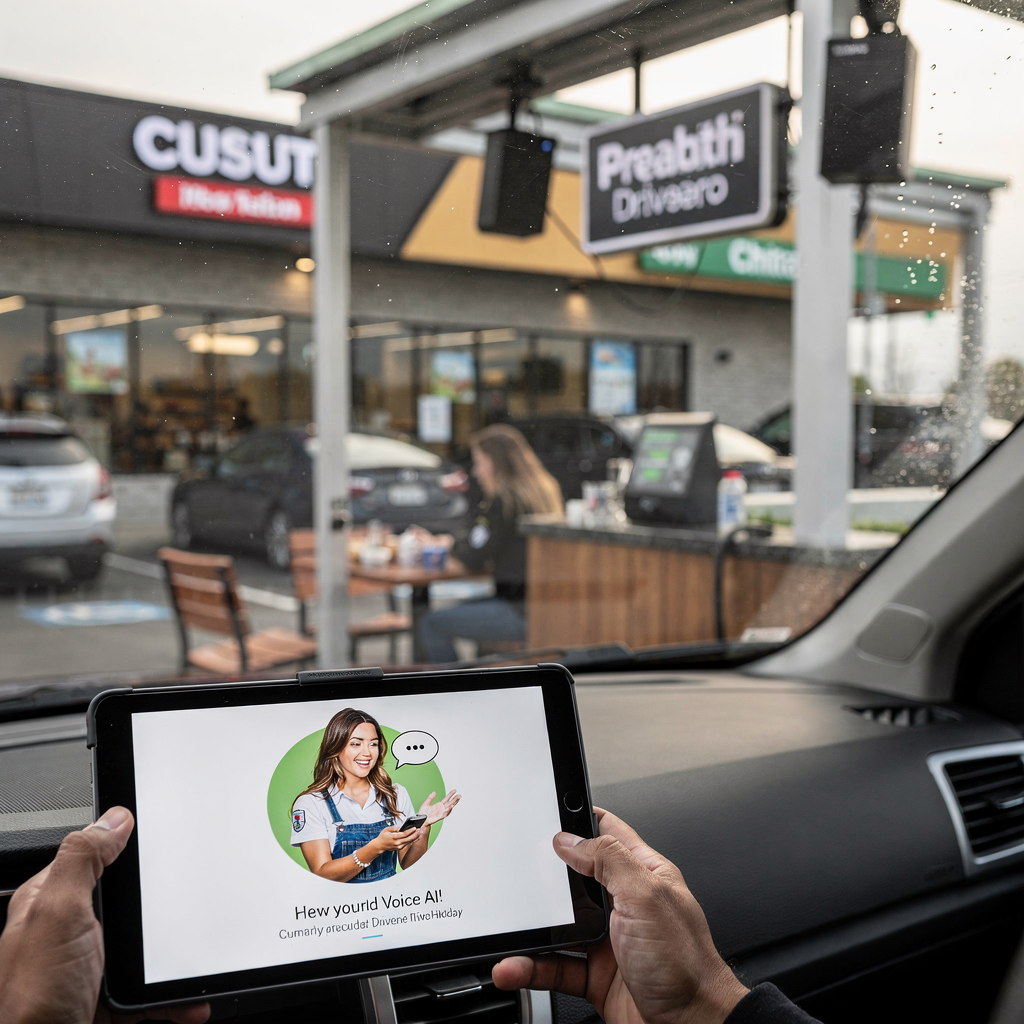
Voice AI platforms can replicate natural conversational patterns and manage multi‑turn dialogs, which improves completion of tasks without escalation. For research into how chatbot personas influence orders and nudges, see the study on AI-driven nudges and consumer food choices that examines chatbot persona effects. Implementation tips include scripting frequently asked questions and routing complex inquiries to a human. Also, log edge cases and play them back to improve model behavior.
Measure outcome with clear KPIs. Track order accuracy, drive-thru throughput, FAQ resolution rate, and average call length. Also, include throughput metrics that compare human vs AI performance during peak hours. Use a voice technology test plan and a rollback plan in case the voice platform underperforms.
When operators design prompts, keep them brief and context aware so the assistant can escalate smoothly. And when you integrate a voice assistant with a table management tool, you reduce double‑entry and improve seating speed. Also, for teams that already automate back‑office email workflows, consider linking conversational call logs to operational history so the system understands VIP preferences. This approach helps restaurants using AI to coordinate guest service across channels.
Drowning in emails?
Here’s your way out
Save hours every day as AI Agents label and draft emails directly in Outlook or Gmail, giving your team more time to focus on high-value work.
Integration and integrate AI for restaurants with existing restaurant systems and inventory management for seamless operations.
Integration matters. Connect AI voice and booking tools to POS, reservation systems, CRM and inventory management so the tech acts from a single source of truth. In practice, a well‑executed integration avoids double entry and reduces the risk of over‑booking. Also, it enables dynamic actions like altering inventory flags in real time after large party bookings and managing menu availability during busy shifts.
Start by mapping data fields between systems and choosing middleware or APIs that support secure exchange. Next, test in low‑traffic windows and maintain a rollback plan. For a playbook on connecting operational AI to transactional systems, our logistics automation pages show how data grounding across ERP and email systems reduces manual lookup and speeds replies: virtual assistant logistics. That approach translates well to restaurant software and POS connections.
Benefits are measurable. Integration reduces manual reconciliation, lowers inventory variance, and supports dynamic pricing or menu changes that reflect stock levels. For the Quick Service Restaurant market, investment in sector‑specific AI rose sharply; the QSR AI market was valued at about USD 266.9 million in 2024 with a fast CAGR. That context shows why seamless connectivity between AI systems and back‑end tools matters.
Implementation tip: use automated sync success rate and time saved on manual updates as rollout metrics. Also, include the restaurant’s POS and reservation logs in training sets so the AI learns typical patterns. Finally, plan for data governance and consent, and document integration endpoints so engineers can debug issues quickly and preserve accuracy and efficiency across systems.
AI voice handles inquiry and conversational ordering while reducing errors — proven by Google Duplex automated reservations.
AI voice can take inbound calls, answer menu questions, and place provisional bookings or even place an order conversationally. Evidence from voice studies and real deployments shows task‑specific voice AI improves completion rates. For an industry perspective that emphasizes anticipation of customer needs, see how AI drives results beyond automation as noted in recent reporting. That perspective supports using AI voice to reduce mistakes while increasing throughput.
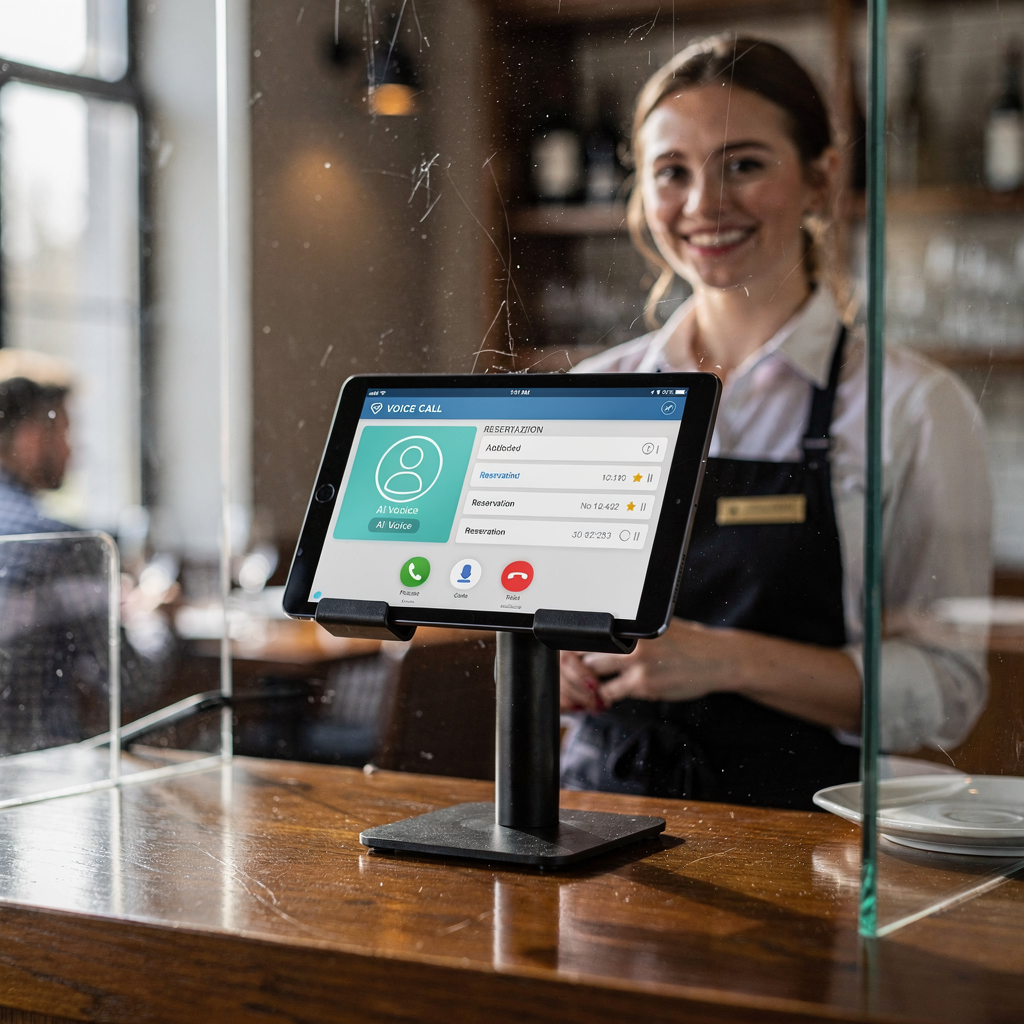
Systems modeled after duplex‑style automation can handle availability checks and confirmation calls with a natural tone. However, ethics and regulation require callers know they speak to an automated agent. So risk controls include disclosure statements and payment verification steps for transactions. Also, log every conversational turn so edge cases get triaged and retrained to the model.
Measure outcomes by comparing booking conversion from calls, error rate vs human calls, and complaint rate. For example, a phone system that supports unlimited simultaneous calls can capture opportunities during high demand periods without increasing labor costs. Also, route complex billing inquiries to human teams to ensure trust. Operators should test a voice AI platform in a controlled pilot and gather guest feedback before full rollout.
AI helps reduce wait times and delivers consistent answers to common customer queries. Train audio prompts to confirm specifics like party size and timing, and always end calls with a confirmation. This pattern reduces confusion and aligns staff with automated updates to the reservation book and POS, improving accuracy and customer satisfaction.
Drowning in emails?
Here’s your way out
Save hours every day as AI Agents label and draft emails directly in Outlook or Gmail, giving your team more time to focus on high-value work.
Restaurant operators and hospitality teams use AI to elevate revenue, optimise labour and reskill staff while protecting guest experience.
AI improves revenue management and can forecast demand so restaurants price dynamically and upsell at the right moment. Also, AI can recommend add‑ons during conversational ordering to increase average check and upselling rates. The business impact includes lower labor costs and better seat utilization, and the market momentum confirms this shift: many restaurants today adopt tools that transform scheduling and pricing strategies.
Use AI to streamline back‑office tasks and free people for human‑first hospitality. For instance, redeploy restaurant staff from routine phone work to guest relations, training, and quality control. virtualworkforce.ai automates time‑consuming email workflows and demonstrates how teams reduce handling time while increasing consistency; this is useful context for restaurants aiming to scale without hiring: how to scale operations without hiring.
Operator strategies should track labour costs as a percentage of sales, revenue per seat, guest NPS, and staff satisfaction. Also, invest in reskilling so hosts and managers learn data analysis and guest recovery. The hospitality goal remains constant: protect the guest experience while improving efficiency. AI-powered analytics can surface preferences and suggests menu items for repeat guests, which supports loyalty.
Finally, balance AI adoption with clear policies and human oversight. AI is transforming workflows, but people deliver empathy. So set guardrails, require human sign‑off on refunds and complaints, and measure impact. This balanced approach lets restaurant operators elevate quality while controlling costs and improving the outcome for guests and restaurant owners alike.
Deployment checklist: compliance, data governance, analytics, handover to staff and answers to asked questions from operators.
Deployment timelines must include compliance and governance checks. First, run a privacy and consent review that covers data retention and transcription storage. Next, define fallbacks so calls can escalate to agents. Also, include a reporting setup that surfaces exceptions and training data for conversational improvements. For longer workflows that span email and operational systems, our case studies on automated logistics correspondence show practical patterns for structured data creation and escalation: automated logistics correspondence.
Checklist items should include a security review, integration testing with the restaurant software and POS, and a plan for rollback during peak hours. Also, prepare FAQs for operators that cover escalation paths, how to update opening hours, and how the system handles payment holds. Create a dashboard that shows bookings handled, call success, and sync latency so teams can act fast.
Operational controls must define what metrics gate go‑live. Set targets for booking accuracy, error rate threshold, and staff handover readiness. Also include a training schedule so restaurant staff understand how the phone answering solution works and when to intervene. Test failure modes and ensure frontline teams can override automated confirmations.
Finally, maintain a living list of asked questions from staff and guests so the AI can learn. A short escalation template improves response consistency. With analytics and governance in place, restaurants can deploy conversational ai while protecting guests and ensuring operational continuity. This approach offers a management tool that raises accuracy and efficiency and delivers better experiences at scale.
FAQ
How does an AI assistant handle phone reservations?
An AI assistant manages phone reservations by checking availability, confirming party sizes, and adding bookings to the reservation system. It sends a confirmation and can route complex requests to a human agent if needed.
Will voice AI improve drive‑thru order accuracy?
Yes, voice AI can improve order accuracy by capturing structured order details and repeating confirmations back to customers. It reduces errors when integrated with the POS so orders flow directly to the kitchen.
How do I integrate AI with my existing POS and inventory management?
Integration requires API or middleware connections, field mapping, and staged testing during low traffic windows. Also, plan rollback procedures and monitor sync success rate to catch mismatches early.
Are there privacy concerns with conversational ordering?
Yes, privacy matters; disclose when callers speak with an automated agent and secure payment verification steps. Follow local data retention rules and maintain consent records for recordings.
Can AI reduce labour costs without harming service?
AI can reduce labour costs by automating routine tasks and allowing staff to focus on guest recovery and upselling. Proper reskilling and oversight keep customer experience high while lowering repetitive workloads.
What metrics should I track after deploying an AI phone system?
Track booking completion rate, calls handled, booking sync latency, order accuracy, and guest NPS. Also monitor exceptions and escalation frequency to refine prompts and training data.
How does an AI phone system manage frequently asked questions?
The system uses scripted FAQs and intent classification to answer common queries like hours and directions or menu items. It logs unanswered questions for retraining and escalation.
Will AI work for small independent restaurants?
Yes, AI scales for small operations by handling peak call times and unlimited simultaneous calls without hiring more staff. Small teams can adopt modular setups and grow functionality over time.
How do I train staff to work with AI tools?
Train staff on handover procedures, how to override automated confirmations, and how to read AI dashboards. Regular workshops on edge cases and feedback loops keep the system aligned with service goals.
Where can I learn more about connecting AI to operational systems?
Review practical guides on integrating AI with ERP and email workflows to understand data grounding and escalation patterns. Our resources on scaling operations without hiring and virtual assistant logistics offer concrete examples and implementation tips.
Drowning in emails?
Here’s your way out
Save hours every day as AI Agents label and draft emails directly in Outlook or Gmail, giving your team more time to focus on high-value work.