


ai agent for wedding venue enquiries speeds booking and qualifies leads
An AI agent can transform how a wedding venue handles initial inquiries. It answers common venue questions, offers round-the-clock availability, and qualifies leads before handing them to the sales team. For hotels and venues, this means faster response times and fewer routine front-desk interactions. In fact, implementations report a near 40% drop in front desk enquiries and faster response times, which frees staff to focus on high-value tasks that statistic. Across venues, some teams have seen as much as a 30% uplift in event bookings attributed to AI-driven personalised communication reported here.
An AI agent acts as a virtual concierge that qualifies leads with targeted questions. It asks about wedding date, guest count and preferred package options. Next, it checks date availability against the events calendar and room inventory. Then it offers property recommendations and pricing tiers or suggests alternative dates when a slot is full. If the lead looks promising, the AI routes the lead to the right human sales team member for a personalised follow-up. This routing reduces hold times and ensures the first to respond wins many initial enquiries. The agent also records each query into CRM so data remains structured and actions are traceable.
Example enquiry flow helps teams design better conversion paths. A sample flow might start with a website chat prompting for wedding date, guest count and must-have services. The AI chatbot then shows package options and checks date availability in real time. If the lead requests a site visit, the AI schedules viewings and creates calendar invites. You should track response time, lead-to-site-visit rate and conversion rate to measure ROI. Those metrics map directly to potential revenue and lost revenue avoided by being first to respond.
Quick implementation checklist: connect rooms and events calendar, map pricing tiers and minimum spend, integrate with CRM and booking systems, and define handover rules for human agents. Include pre-built conversational flows for frequently asked questions and a fallback rule that escalates to human agents for complex or emotional cases. If you want to expand email automation around venue enquiries, our team has resources on automating correspondence that show how to ground replies in operational data automated correspondence. Finally, using AI reduces repetitive tasks and frees human agents to build relationships that close the booking.
voice ai handles missed calls and real conversations to protect leads
Voice AI answers calls instantly and captures caller details to protect leads that would otherwise be missed. It works with phone systems to reduce missed calls dramatically; some rollouts report a greater than 90% reduction in missed calls, which improves lead capture and speed of follow-up as shown in case studies. The voice assistant can recognise intents such as availability, packages and site visit requests. When it detects uncertain intent, it hands the call to human agents so couples get empathy and nuance during sensitive wedding planning conversations.
A voice AI can log transcripts and schedule viewings without manual entry. That saves time and cuts duplicate work. Transcripts also serve as training data to refine the ai agent and its conversational flows. Good systems add summaries and next actions directly into CRM, so the sales team sees context and the right follow-up tasks. For hotels, linking the voice assistant to hotel systems and the events calendar creates a seamless handover from call to booking agreement.
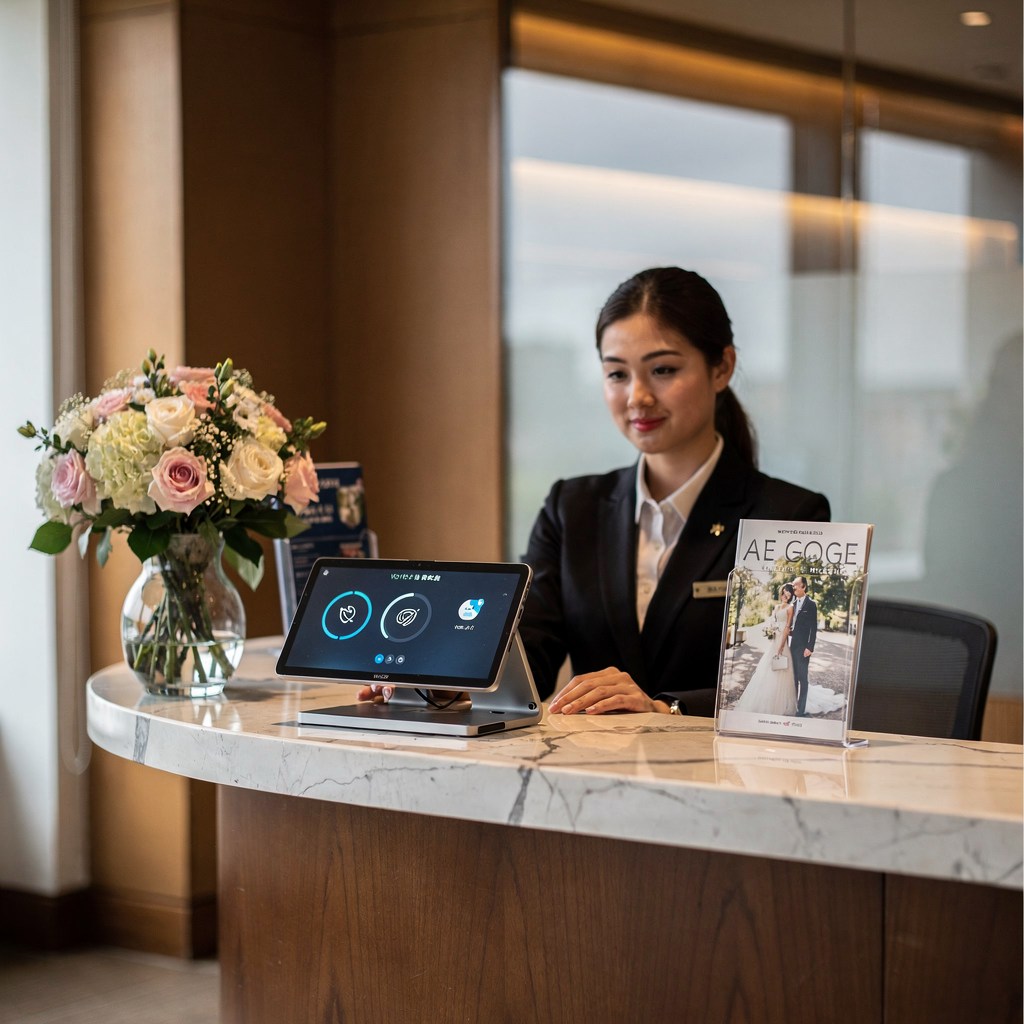
Operational notes for voice AI include multilingual support and transcription accuracy. You should define intents for venue inquiries, including date availability, catering options and group room blocks. The voice AI should also accept requests via WhatsApp and website chat, and escalate to human agents when the caller asks for a bespoke package or has an emotional request. Practical tip: push call summaries, key fields and transcript links into CRM automatically to avoid rekeying. That linkage reduces manual email triage and gives your sales team the context they need to close bookings.
When deploying voice AI, plan for phone systems testing and staff training. Role-play scenarios help staff trust the handover rules. If you want to see how automated email and call summaries integrate with operational workflows, check guidance on how to improve customer service with AI in adjacent domains how to improve customer service with AI. With a good setup, venues capture more leads, shorten response SLAs and convert more site visits into confirmed bookings.
Drowning in emails?
Here’s your way out
Save hours every day as AI Agents label and draft emails directly in Outlook or Gmail, giving your team more time to focus on high-value work.
ai assistant and ai agents for wedding support wedding planner tasks and personalisation
An AI assistant supports wedding planner workflows and reduces busywork. It automates timeline coordination, vendor lists and supplier suggestions. The AI pulls vendor availability and flags conflicts on the event timeline. It can also manage room blocks for guests and keep dietary notes for caterers. This kind of AI-driven support speeds planning a wedding while keeping human planners focused on design and relationship work. For example, an ai assistant can auto-generate a pre-meeting brief and a viewing checklist so a venue manager arrives prepared.
Personalisation increases conversion. By using past guest data and stated preferences, the AI identifies upsell chances and suggests tailored specifically curated package options. It can assemble sample itineraries or a branded PDF for couples. The assistant creates a guest count worksheet and maps accommodation needs to the CRM record. That record can include consent and data flows to satisfy privacy requirements. Always ask for only essential data, store consent and document data flows for compliance with data protection rules.
An ai agent for wedding can handle scheduling, supplier outreach and the booking process end to end. It can send reminders, confirm deposits and trigger vendor payments when contracts complete. The AI identifies high-value leads and qualifies leads with smart questions so the sales team receives warm, ready-to-convert prospects. This frees human agents for the conversations that need empathy and negotiation. Virtualworkforce.ai builds agents that automate entire message lifecycles; that approach reduces manual triage and produces structured data from unstructured messages, which helps wedding planners stay on track.
Example automated prep checklist for venue viewings: confirm wedding date, verify guest count, collect preferred package options and note any accessibility or dietary requirements. The assistant then compiles supplier lists and checks vendor availability. If you want to reduce manual email work around vendor coordination, consider how a virtual assistant can draft and route messages so planners work across multiple clients without hiring extra staff scale operations without hiring.
enterprise-grade ai and hospitality integration for hospitality businesses
Enterprise-grade AI must integrate with PMS, CRS, CRM and third-party vendor systems to manage bookings and billing seamlessly. Integration with these hotel systems ensures date availability checks and room allocations happen in real time. That prevents double bookings and reduces lost revenue. Role-based access, audit logs and encryption are essential for security when chains share event data across properties. Availability SLAs and uptime guarantees keep the system reliable during peak wedding season.
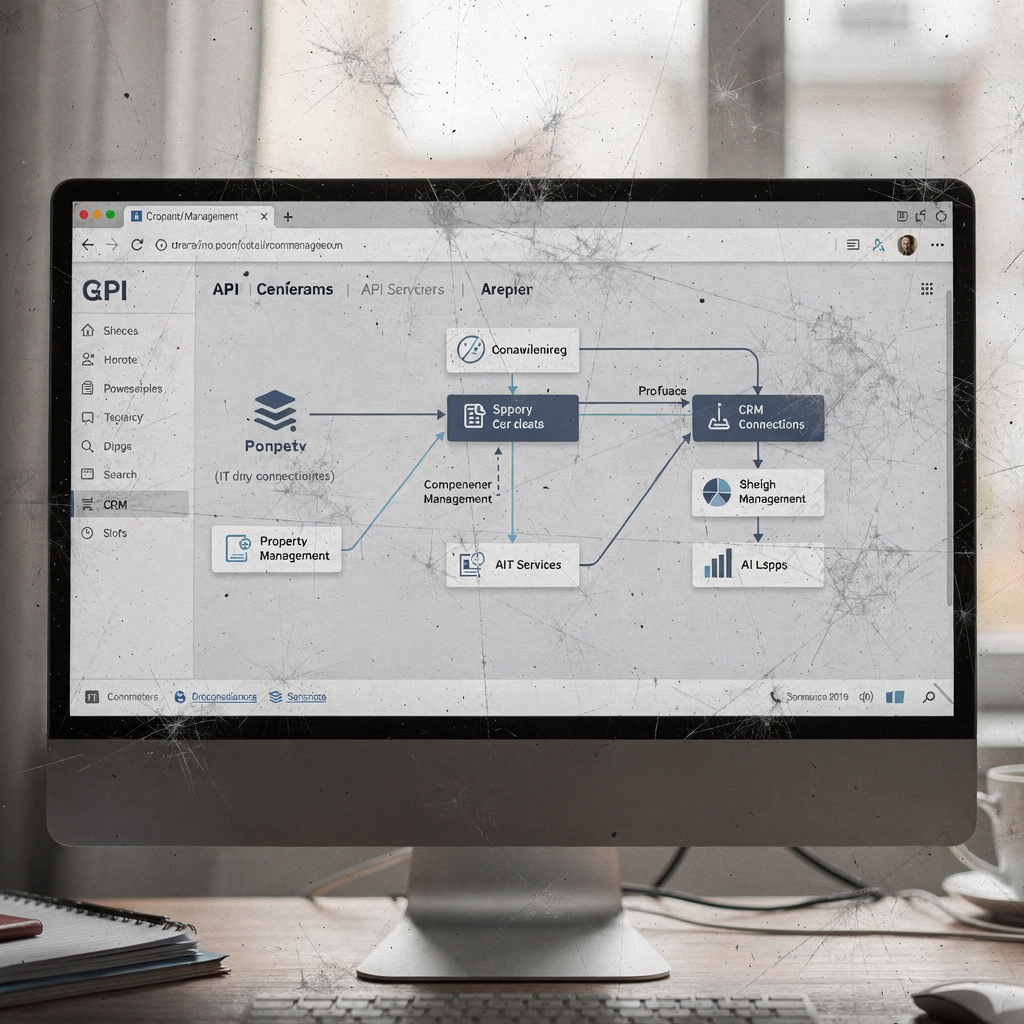
Deployment choices include SaaS with robust APIs, on-premise or hybrid models. Choose SaaS for speed and lower overhead. Choose on-premise or hybrid when compliance or latency requirements demand it. The right option depends on scale, regulatory needs and existing integrations. For example, a venue group with centralized billing may require deeper ERP links than a single boutique property. Pre-built connectors reduce time to value, and an API-first design lets you extend the platform with minimal line of code.
Key KPIs for enterprise rollout include reduced manual tasks, lead response time, bookings attributed to AI and staff time reallocated. Track booking rates from AI-sourced leads and report guest satisfaction improvements. Industry reports show guest satisfaction lifts of up to 25% when AI concierge systems support event enquiries source. Make sure to include staff training, escalation rules and a formal audit trail so operations remain traceable and compliant. Our platform offers end-to-end automation that creates structured data from messages and escalates only when needed, which helps multi-site teams maintain consistent service quality automated logistics correspondence.
Drowning in emails?
Here’s your way out
Save hours every day as AI Agents label and draft emails directly in Outlook or Gmail, giving your team more time to focus on high-value work.
booking data, analytics and FAQs: faqs and frequently asked questions hotels must answer
Use AI to auto-serve FAQs and to seed personalised booking recommendations. AI identifies common question patterns and can surface quick answers linked to live date availability and pricing tiers. That reduces the need for guests to call and makes the booking process faster. Common wedding faqs include availability, minimum spend, guest capacity, catering options, accommodation blocks, deposit and refund policy, and preferred suppliers. Keep FAQ answers short and link them to live inventory to avoid misleading guests.
Analytics power continuous improvement. Track the top faq topics, drop-off points in the booking funnel and phrases that trigger a handover to human agents. For example, if many visitors ask about menu customisation or vendor lists, expand the FAQ content or create a pre-filled supplier list. AI identifies recurring pain points and suggests copy changes or package options to close gaps. Use a dashboard to measure booking attribution and the share of bookings that originated from AI conversations. This gives insights into potential revenue and lost revenue that the AI can recover.
Operational tips: connect the AI to CRM so responses and booking details store centrally. That enables cross-sell opportunities such as room upgrades or late check-out. Also, ensure the system supports WhatsApp, website chat and Facebook Messenger so couples can choose their preferred channel. Configure fallback intents so the AI escalates when a query involves emotional negotiation or bespoke requests. If you want examples of how AI automates message drafting across channels, our resources on virtual assistants for logistics communications show similar patterns that apply to hospitality businesses virtual assistant logistics.
Include the full list of frequently asked questions on your website and inside the agent. Make sure you document the phrases that often require human support and feed them back into staff training. That reduces false negatives and improves accuracy. Above all, use short FAQ answers, and link each to the live availability and booking process to keep guest expectations aligned.
first ai deployments: measuring impact on enquiries, missed calls and guest satisfaction
Start with a focused pilot at one venue or for one event type. Define success metrics early: lead capture rate, response SLA, conversion rate and guest satisfaction. A good pilot runs long enough to gather varied scenarios, including off-hours enquiries, peak season traffic and multilingual requests. Use the pilot to refine intents, update vendor lists and improve fallback handovers to human agents.
Expected outcomes line up with industry reports: front-desk enquiry volumes fall by about 40%, guest satisfaction can rise up to 25%, and booking cycles shorten when the AI acts as the first to respond source. RapidInnovation shows that search and booking agents improve matching between customer needs and available packages, which speeds the booking process and reduces time to contract read more. TrustYou notes that integrating AI into event inquiry flows increases direct bookings and customer engagement when systems are well integrated trusted platform.
Post-pilot steps matter. Expand training data, improve the ai agent’s natural language processing and monitor conversion lifts across sites. Keep an eye on metrics that show staff time reallocated and bookings attributed to AI. Also maintain a risk checklist: ensure empathetic handover for complex conversations, monitor false negatives and keep audit logs for compliance. Record consent and document data flows so privacy stays intact.
First ai deployments need clear governance. Set escalation thresholds, design role-based access and assign owners for continuous improvement. For long-term success, combine ai-driven automation with regular staff training so teams learn to work with the system. When done right, enterprise-grade AI frees human agents for the moments that matter while the AI handles the routine, which improves booking rates and guest satisfaction across every hotel.
FAQ
What is an AI agent for wedding venue enquiries?
An AI agent is a virtual assistant that answers venue inquiries and qualifies leads automatically. It checks date availability, suggests package options and routes warm leads to the sales team.
How does voice AI reduce missed calls?
Voice AI answers calls instantly, captures caller details and logs transcripts so no lead slips through. Case studies report fewer missed calls and faster follow-up, which improves lead capture.
Can AI handle personalised wedding planning tasks?
Yes. An AI assistant can manage timelines, dietary notes and guest accommodation blocks to support the wedding planner. It also suggests suppliers and drafts itineraries that match stated preferences.
What systems must AI integrate with for reliable bookings?
Enterprise deployments should integrate with PMS, CRS, CRM and third-party vendor systems to ensure seamless bookings and billing. API connections and secure data flows prevent double bookings and reduce errors.
What FAQs should a venue publish for wedding enquiries?
Publish answers about availability, minimum spend, guest capacity, catering options, deposit policy and accommodation blocks. Keep the answers short and link them to live date availability.
How do you measure AI impact on enquiries?
Track metrics like response time, lead-to-site-visit rate, conversion rate and bookings attributed to AI. Also monitor guest satisfaction and the volume of routine front-desk enquiries the AI handles.
Is data privacy important when using AI for weddings?
Yes. Ask only essential data, record consent and document data flows for compliance. Store guest information securely and provide audit trails for access and changes.
Will AI replace human agents in the wedding process?
No. AI frees human agents from repetitive tasks so they can focus on empathy, negotiation and finalising complex bookings. Human agents remain essential for emotional and bespoke conversations.
Can AI support multiple channels like WhatsApp and website chat?
Absolutely. AI works across website chat, WhatsApp and Facebook Messenger to provide instant answers and to schedule viewings. That omnichannel support improves reach and convenience.
How should venues start a pilot deployment?
Start small with one venue or event type, define success metrics and collect real conversation data. Refine intents and handover rules, then scale to multi-site rollouts once KPIs meet targets.
Drowning in emails?
Here’s your way out
Save hours every day as AI Agents label and draft emails directly in Outlook or Gmail, giving your team more time to focus on high-value work.