


ai i eiendomsforvaltning: rask oversikt og målbar innvirkning
AI i eiendomsforvaltning beskriver programvare og tjenester som bruker maskinlæring, naturlig språkbehandling og prediktiv analyse for å automatisere og forbedre hvordan bygninger og porteføljer driftes. Også, AI fungerer som en assistent som kan automatisere leietakerkommunikasjon, behandle vedlikeholdsforespørsler og håndtere mange rutineoppgaver som tidligere tok timer av personalets tid. Neste, disse systemene sorterer og merker innkommende henvendelser, kategoriserer hastighet, og forbereder utkast til svar. Deretter ruter de arbeid til riktig leverandør eller eiendomsforvalter, samtidig som de holder en revisjonsspor for samsvar. Videre viser adopsjonstrender reell fremdrift: per 2020 rapporterte nesten halvparten av forvaltere at de brukte AI for analyser og beslutningsstøtte (All About AI). Også, bransjeanslag forutsier opptil 34 milliarder dollar i effektivitetsgevinster i eiendom i løpet av de neste fem årene, mye av dette vil berøre drift av eiendomsforvaltning (Morgan Stanley). Derfor kan forvaltere og eiere som eksperimenterer nå finne målbar ROI raskt.
For eksempel rapporterer piloter for prediktivt vedlikehold overskriftsforbedringer: færre nødreparasjoner, færre leietakerklager og kortere nedetid for bygningssystemer. Også, publiserte casestudier viser at vedlikeholdsteam kan oppleve rundt 30 % lavere vedlikeholdskostnader og nesten 40 % mindre utstyrs-nedetid når analyser utløser rettidige inngrep (Gitnux). Neste, responstider til leietakere faller når systemer leverer øyeblikkelige svar og strukturert oppfølging for vanlige problemer. Deretter synker administrative timer fordi AI håndterer repetitiv triage og automatiserer rutinemeldinger og påminnelser. Også, eiendomsselskaper rapporterer reduserte turnover-tider per enhet og sparte forvaltertimer ukentlig ettersom AI-drevne arbeidsflyter erstatter manuelle steg (WiFi Talents). Til slutt, fordi disse gevinstene er målbare, kan team bygge piloter som sporer besparelser ved ledighetsdager, vedlikeholdskostnad per enhet og responstider.
Kort sagt, AI gjør det mulig å automatisere eiendomsoppgaver i stor skala. Også, ved overgang til AI får eiendomsforvaltere tid til å fokusere på aktiviteter med høy verdi som leietakerrelasjoner og porteføljestrategi. Neste, hvis du vil ha en nærmere titt på hvordan AI automatiserer e-post- og meldingslivssyklusen for driftsteam, se virtualworkforce.ai’s logistikkfokuserte eksempler og ressurser om forbedring av e-postutkast og ruting på tvers av operative systemer (hvordan skalere logistikkoperasjoner uten å ansette).

property management ai agent: core functions and anatomy
An AI agent for property management is a virtual assistant that handles specific property management duties end-to-end. Also, it combines ML models, NLP and predictive analytics to screen tenants, triage inquiries, schedule maintenance, collect rent, and populate analytics dashboards. Next, the core workflow is straightforward: input data → model → action → human override. First, input data arrives from emails, forms, sensors, property management systems and listing platforms. Then, the model analyzes credit, rental history and behavior to make screening recommendations. After that, actions include drafting messages, creating a work order, or triggering vendor dispatch. Finally, a human reviews high-risk or discretionary decisions before finalizing. Moreover, this flow reduces manual steps and creates consistent outcomes.
Also, tenant screening is a top function. AI can analyze credit, eviction records and behavioral signals to flag high-risk applicants. Next, automated messaging via chat and email provides instant responses to common tenant questions, such as lease terms and property details. Then, maintenance scheduling becomes predictive: sensor data and past repair history feed models that predict failures, so teams can plan service windows before urgent breakdowns. Furthermore, the platform integrates with property management systems and IoT to create a single source of truth.
AI features include an analytics dashboard that shows vacancy trends, maintenance cost per unit, and response times. Also, the agent can draft listing descriptions and post to portals, helping listings go live faster. Next, workflow automation gives teams rules for escalation and followup. Then, property managers can set human override gates for lease approvals, dispute handling and major repairs. Also, specialized ai-powered screening platforms and ai chatbots handle initial triage; integration with dedicated property management software ensures data flows back to the PMS. For a real-world operations-oriented example of AI handling complex email workflows and data grounding across ERP and SharePoint, explore virtualworkforce.ai’s work on automated logistics correspondence and email drafting (automatisert logistikkkorrespondanse). Finally, for teams deciding between general assistants and specialized tools, consider using ChatGPT-style chat only for tenant FAQs and choose specialized platforms for screening and predictive maintenance.
Drowning in emails? Here’s your way out
Save hours every day as AI Agents label and draft emails directly in Outlook or Gmail, giving your team more time to focus on high-value work.
ai agent for property management — use cases and proven results
AI agent use cases span the full property lifecycle. Also, common use cases include tenant screening, 24/7 chat support, predictive maintenance, energy management and turnover reduction. Next, tenant screening reduces vacancy risk by identifying higher-quality applicants faster. Then, ai-driven chat support provides instant responses for simple inquiries and triages complex issues for humans. Also, predictive maintenance projects often report significant reductions in reactive repairs: roughly 30% lower maintenance costs and 40% less downtime in some pilots (Gitnux). Furthermore, energy management that pairs AI with IoT has shown up to 15% energy savings during trials.
Also, a short case study illustrates impact. A multi-building smart-building pilot used sensors, an AI platform and coordinated vendor dispatch to cut equipment downtime and improve tenant satisfaction. Next, the pilot integrated with property management systems to create automatic work orders when analytics detected anomalies. Then, staff review was required only for critical or high-cost repairs, which kept oversight tight. Also, tenant surveys showed faster response times and higher tenant experience scores after the pilot. Furthermore, the pilot used a virtual assistant for tenant inquiries that handled common tenant requests and scheduled vendor visits, while a maintenance prediction model reduced emergency calls. The result: turnover decreased, maintenance costs fell, and teams regained hours each week.
Also, other proven results include fewer late payments when automated reminders and payment links go out on schedule. Next, ai-powered document processing speeds lease execution by extracting key clauses and populating lease templates. Then, analytics dashboards help managers track vacancy days and maintenance cost per unit to measure ROI. Also, adoption rates are climbing: many real estate professionals view AI as transformative, with the market growing fast year-over-year (WiFi Talents). For property teams that want to automate property communication and complex email threads, virtualworkforce.ai demonstrates how an AI platform transforming operational email can reduce handling time dramatically and increase consistency (virtualworkforce.ai ROI).
property manager workflows: automation, ai-powered tools and operational efficiency
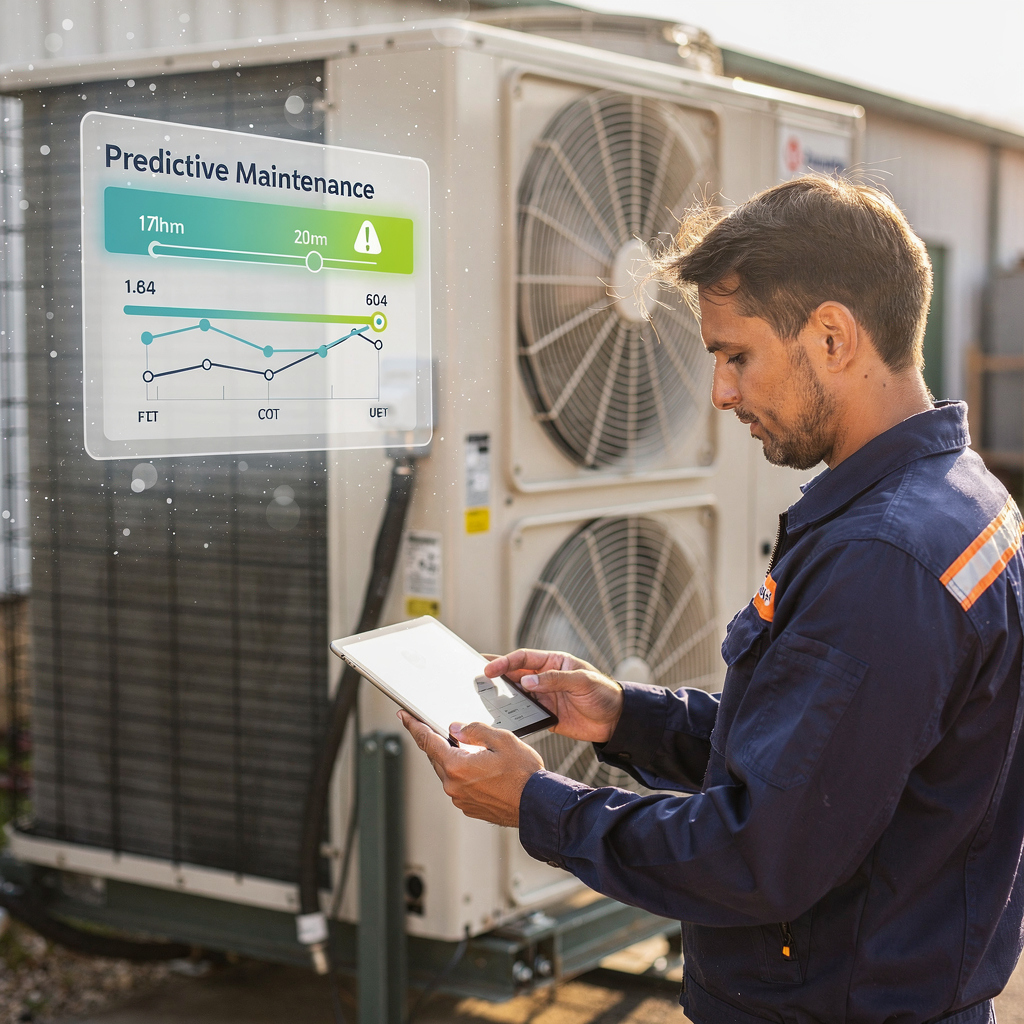
Property manager workflows benefit most where repetitive tasks create bottlenecks. Also, the inbox triage problem is common: teams receive high volumes of tenant emails and maintenance requests that demand manual attention. Next, AI helps by categorizing incoming messages, flagging urgency, and creating a work order for maintenance teams. Then, the typical automated workflow looks like this: email or portal submission → AI labels intent → system creates a work order and schedules vendor → tenant receives instant confirmation → technician closes the loop. Also, when managers need context, the AI attaches tenant history and lease clauses so decisions are faster and better documented.
Also, key metrics to track include response times, vacancy days, maintenance cost per unit, and hours saved per week. Next, aim to reduce average response times by automating initial outreach and followup. Then, measure the effect on vacancy days by tracking listing speed and turnover efficiency. Also, maintenance cost per unit falls when predictive maintenance replaces reactive fixes. Furthermore, teams typically see time savings that free property managers to focus on tenant relations and portfolio strategy instead of transactional work. For operational teams that rely heavily on email and cross-system lookups, virtualworkforce.ai provides an end-to-end email automation model that routes and drafts replies grounded in ERP and document sources, which mirrors the needs of property teams that must connect lease data and service vendor systems (ERP e-post-automatisering).
Also, practical tips for where to keep human oversight include dispute resolution, lease approvals, and any maintenance issues that risk safety or major expense. Next, maintain a clear escalation rule for repairs that affect habitability. Then, use AI to draft options and recommendations but require human sign-off on final approvals. Also, integrate the AI agent with your property management systems and vendor portals so work orders flow without double entry. Finally, track KPIs and run short pilots to validate ROI before full rollout. For teams curious about scaling operations without hiring, there are resources that show how to scale logistics and communications with AI agents and minimal configuration (hvordan skalere logistikkoperasjoner med AI-agenter).
Drowning in emails? Here’s your way out
Save hours every day as AI Agents label and draft emails directly in Outlook or Gmail, giving your team more time to focus on high-value work.
property management tools and ai tool selection: templates, chatgpt and the ai assistant approach
Choosing the right tools matters. Also, evaluate vendors on data access, integrations, bias audits and compliance, not just marketing. Next, decide which tasks need specialized AI and which can use a ChatGPT-style ai assistant. Then, use ChatGPT-based chat for tenant FAQs, manual draft support, and general chat where accuracy is less critical. Also, select specialized ai-powered tools for tenant screening, predictive maintenance and financial analytics. Next, ensure the tool integrates with property management systems and supports exporting structured data back into your PMS. Also, require traceability and an audit log so you can explain automated decisions during audits or disputes.
Also, below is a simple ai agent template property managers can copy. First, Trigger: tenant payment inquiry or maintenance request. Next, Input data: tenant lease, payment history, sensor readings, vendor availability. Then, Action: create a work order, send an instant response to the tenant, schedule vendor visit, or propose payment arrangements. Finally, Escalation rule: if cost exceeds threshold or tenant disputes, route to human with full context. Also, the template helps teams automate routine tasks while keeping control where needed.
Also, when comparing options, test for bias and fair-housing compliance and request a vendor demo that shows a real workflow with your data. Next, confirm that the platform supports role-based governance and a clear exit plan. Then, for teams focused on email-driven workflows and operational data grounding, virtualworkforce.ai’s approach of end-to-end email automation and thread-aware memory can be a template for how AI virtual assistant technology supports ops without brittle prompts (virtuell logistikkassistent). Also, consider a 14-day free trial to validate fit before committing, and include your legal and IT teams in the pilot design.
ai solutions, general ai tools and legal/operational risks — deployment checklist and the ‘one ai’ strategy
Deploying AI safely requires planning. Also, start with a pilot scope that targets a measurable KPI like reduced response times or maintenance cost per unit. Next, identify data needs and confirm access to property management systems, sensors and lease documents. Then, define KPIs, escalation paths, an audit schedule and an exit plan. Also, include checks for fair housing and privacy compliance, since tenant data and leasing decisions are sensitive. Next, implement bias mitigation by testing screening models on historical data and by adding human review gates for decisions that affect tenancy or credit.
Also, security matters. Next, require vendor encryption, role-based access and data residency controls. Then, avoid vendor lock-in by ensuring data export and standard APIs. Also, plan for governance with an AI steering group that includes IT, legal and operations. Next, include an audit schedule that reviews decisions, model drift and performance. Then, set a cadence for retraining models using recent data to keep predictions accurate.
Also, consider a ‘one ai’ strategy versus best-of-breed. Next, the one ai approach standardizes on one core platform and simplifies governance and integrations. Then, best-of-breed lets you pick specialists for screening, maintenance analytics and chat, which may optimize performance but add integration overhead. Also, weigh cost and ROI markers: initial setup, integration time, and expected savings in hours and maintenance costs. Next, include an exit plan to move data if the vendor relationship ends. Then, document processes so property management teams understand when to escalate and when to let automation handle routine tasks. Also, for teams that rely on operational email as a critical workflow, virtualworkforce.ai shows how an AI platform transforming email into structured, routable tasks reduces handling time and increases consistency while keeping human oversight where it matters (automatisert logistikkkorrespondanse).
FAQ
What is an AI agent for property management?
An AI agent is a virtual assistant built to handle specific property management tasks such as tenant screening, maintenance scheduling and tenant communication. It automates routine parts of workflows and escalates complex cases to humans, improving efficiency and tenant experience.
How does AI reduce maintenance costs?
AI reduces maintenance costs by predicting failures using sensor data and repair history, which allows teams to schedule preventive work before emergencies occur. As a result, pilots report lower reactive repairs and reduced downtime, which saves money and improves tenant satisfaction.
Can AI handle tenant screening fairly?
AI can speed up tenant screening by analyzing credit and rental history, but fairness requires bias audits and human review gates. Therefore, teams must test models against historical outcomes and apply fair housing safeguards to avoid discriminatory results.
Should property managers use ChatGPT or specialized tools?
Use ChatGPT-style assistants for tenant FAQs and quick draft support, while choosing specialized platforms for screening, predictive maintenance and financial tasks. This split ensures conversational tasks remain flexible and mission-critical workflows remain accurate and auditable.
How do I measure ROI for AI pilots?
Measure ROI by tracking response times, vacancy days, maintenance cost per unit and hours saved per week. Also, compare pre- and post-pilot metrics and include qualitative tenant satisfaction data to capture full impact.
What compliance concerns exist with property management AI?
Compliance concerns include tenant data privacy, fair housing rules and secure data handling. Also, vendors should provide audit logs, encryption and data export so teams can demonstrate compliance and governance.
Can AI reduce late payments?
Yes, AI-driven reminders, automated payment links and personalized followup can reduce late payments. Also, integrating payment workflows with tenant portals simplifies processing and improves collection rates.
Where should humans remain in the loop?
Humans should stay involved in lease approvals, dispute resolution, high-cost maintenance decisions and anything affecting habitability. Also, human oversight is essential for fairness, safety and contractual changes.
How do I choose between one ai and best-of-breed?
Choose one ai if you want simplified integrations, consistent governance and a single vendor relationship. Also, choose best-of-breed if you need top performance in niche areas and can handle the integration and governance overhead.
What is a simple ai agent template I can try?
Trigger: tenant inquiry or maintenance request. Input data: lease, tenant history, sensor readings. Action: create work order, send instant response, schedule vendor. Escalation: route to human if cost exceeds threshold or tenant disputes. Also, this template helps teams automate routine tasks while retaining control over high-risk decisions.
Ready to revolutionize your workplace?
Achieve more with your existing team with Virtual Workforce.