


property management — AI assistant for property management: what it is and why it matters
An email assistant for property management is an automated system that handles tenant and vendor email flows, drafts replies, creates work orders and updates records. For many teams an assistant that processes repetitive email can free people from the most predictable parts of property management work. Also, property managers often find they can delegate around 30% of communication tasks; for example, teams report they can delegate up to 30% of daily messaging to virtual help [kilde]. In practice, time on email can fall by about 40% when teams adopt AI tools for routine replies and triage [kilde]. Therefore, tenant response rates improve as automated followups raise engagement by roughly 25% [kilde].
Who benefits? Small teams, portfolio managers, HOAs and large property management companies all gain. Also, multifamily managers and those who handle mixed portfolios get faster routing and fewer missed messages. For HOAs an AI assistant eases resident communication and helps handle renewal and billing threads. In addition, property management virtual assistant setups let remote talent focus on exceptions while automation handles routine emails.
Using an ai email assistant for property makes it easier to scale. An ai assistant can label incoming messages, route them, and draft replies that are grounded in lease data. The tool also helps with renewal reminders and maintenance coordination. For teams that use property management software such as AppFolio or Buildium, integration cuts duplicate lookups and reduces time on admin. virtualworkforce.ai automates the full email lifecycle and connects to ERP and document stores so teams can handle tenant issues faster while the operations team focuses on higher-value work. John Smith puts it plainly: «Incorporating email automation into property management workflows has not only improved our response times but also enhanced tenant trust» [kilde]. For readers who want to compare logistics-focused AI use cases, see resources on how to scale logistics operations with AI agents for similar operational wins hvordan skalere logistikkoperasjoner med AI-agenter.
inbox, triage and workflow — how an ai agent for property management organises email and speeds response
An ai agent for property management sits in the inbox and performs fast triage of incoming messages. First it classifies messages into maintenance, lease, billing or prospects. Next it applies priority flags and SLA rules. Then it triggers automatic followup sequences for late replies and sets reminders for staff. This reduces manual forwarding and lets property managers spend less time on repetitive email tasks. For operations with ai agents, shared inbox memory and thread-aware history preserve context across long conversations so no message slips through.
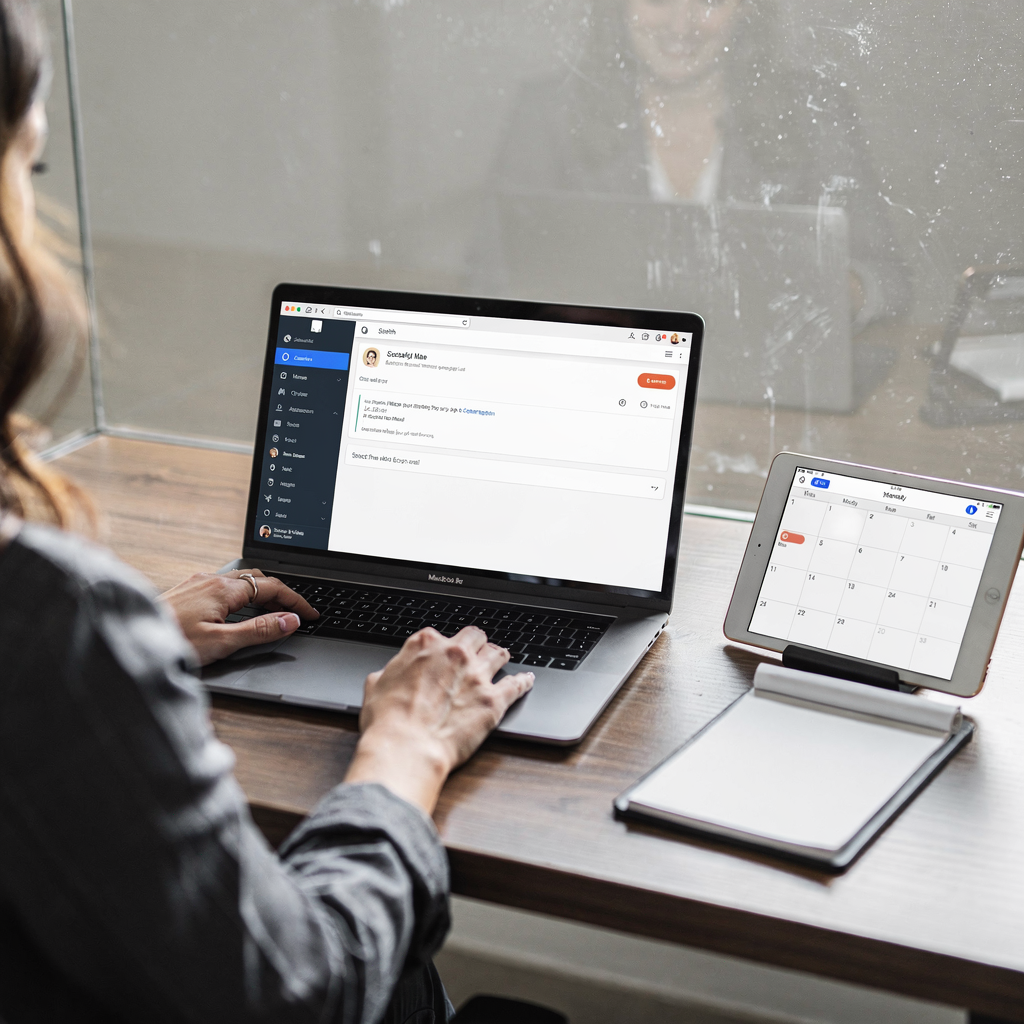
Concrete workflows include: auto-respond with basic tenant support details, draft context-aware replies for complex queries, and escalate to humans when required. The system can also create a work order draft from a maintenance email and tag the correct lease and unit. Integration with property management platforms lets the ai agent pull lease dates and tenant history when composing messages. Because the ai uses ground truth from management systems, the drafts avoid common errors and shorten response time. virtualworkforce.ai, for instance, can reduce handling time per email from about 4.5 minutes to 1.5 minutes by pulling data from several sources in real time.
Features to watch for include 24/7 auto-responses, canned replies that respect tone, and context-aware drafts that reference the right lease or tenant. Also, canned templates support quick renewal outreach and appointment booking. A policy-driven followup engine enforces SLA rules so that first replies are faster and fewer messages are missed. For teams using AppFolio or Buildium, set up is typically a matter of configuring API access and mapping fields so the ai can tag lease records and tenant profiles. See a related case for how automated logistics correspondence reduces repetitive tasks in ops automatisert logistikkkorrespondanse.
Drowning in emails? Here’s your way out
Save hours every day as AI Agents label and draft emails directly in Outlook or Gmail, giving your team more time to focus on high-value work.
automate maintenance request and draft work orders — turning emails into action
When a tenant sends a maintenance request the ideal flow moves quickly. First the ai triage engine reads the email and extracts intent, urgency and location. Next it creates a draft that creates a work order and includes relevant lease and unit details. Then the system assigns a vendor and proposes times based on calendars and local availability. Finally the tenant receives an immediate status update so they know when someone will arrive. This chain turns an email into a scheduled task in minutes instead of hours.
The path looks like: tenant email → ai triage → draft work order → vendor assignment / scheduling → status update to tenant. Because the draft includes photos and prior maintenance history, vendors get the context they need. An ai-powered workflow can also log the interaction into property management systems and ticketing tools so all updates are auditable. That traceability helps with access controls and audit trails and reduces disputes about who scheduled what.
Operational gains show up quickly. Teams see lower resolution time and fewer manual errors. In addition, maintenance scheduling and maintenance coordination costs fall when the ai automates vendor selection and booking. For property teams focused on reducing vacancy and speeding turnover, fast maintenance response improves resident experiences and supports faster lease renewal. virtualworkforce.ai handles the heavy lifting by grounding replies in ERP and document stores so the team only intervenes for complex cases. For tips on how to improve customer service using AI in logistics, which maps well to vendor coordination, read about AI for freight forwarder communication AI for speditørkommunikasjon.
integration with property management software and virtual assistant workflows — CRMs, APIs and ai-powered automation
Real gains come when an email system connects with the rest of your stack. Common integrations include Salesforce, HubSpot and Zoho on the CRM side and property management platforms that store lease and tenant records. The ai assistant for property management retrieves lease dates, tenant contact info and maintenance histories so messages are accurate. Integration is usually via APIs and webhooks that sync events and allow a draft to push back updates into the ledger. This one-way and two-way sync keeps records consistent.
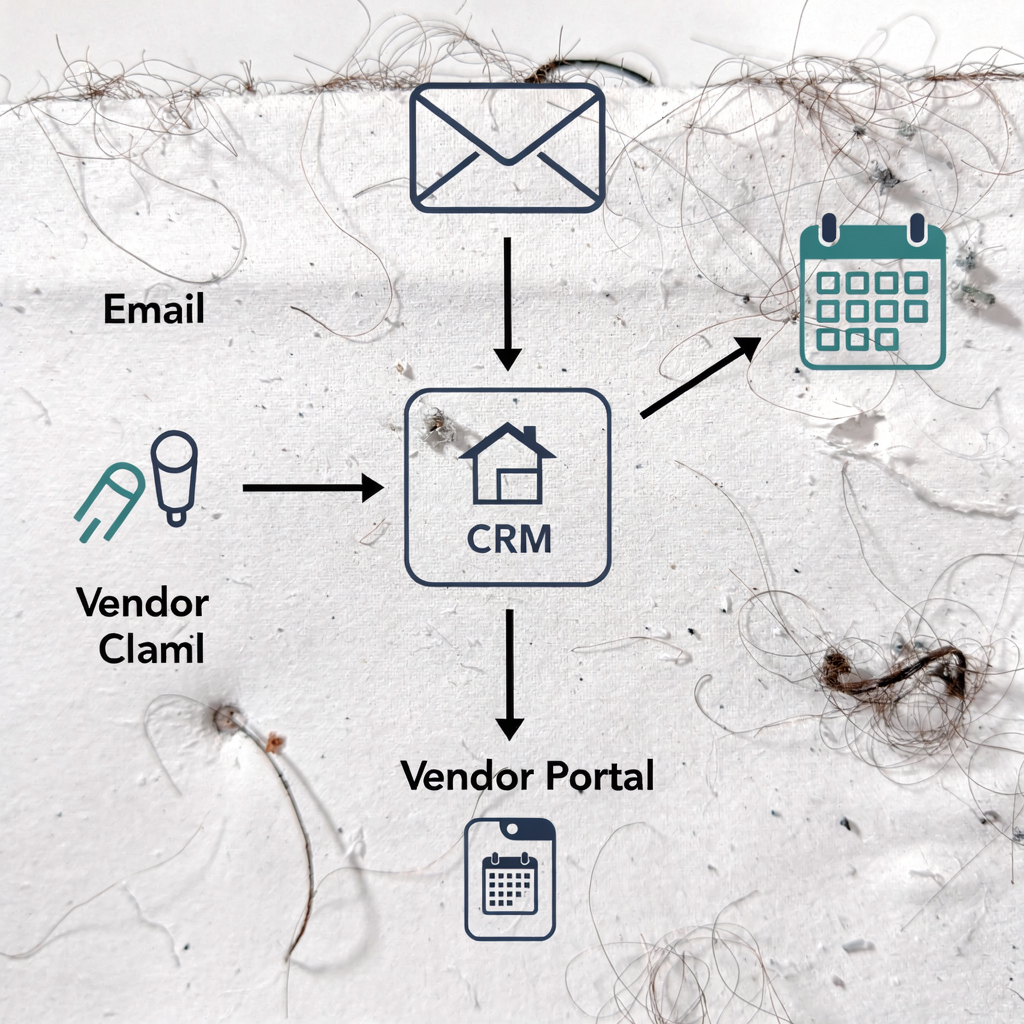
Sync requirements include tenant records, lease attachments, maintenance histories and communication logs. For secure deployments teams must plan access controls and audit trails. Security depends on vendor practices, but a good system will limit data access and log all changes. When mapping flows, property managers should document where the ai can act autonomously and where it must escalate. That balance keeps residents safe and reduces compliance risk.
Some property management companies choose a hybrid model where a property management virtual assistant manages exceptions while AI handles routine threads. Pilot projects often start with one portfolio and measure results before expanding; pilot on one portfolio and measure results for the best insights. For teams that want to automate logistics emails in their Google Workspace environment, there are examples of connecting AI to Gmail and operational systems that help teams scale without hiring automatiser logistikk-e-poster med Google Workspace. Also review how traditional outsourcing compares to end-to-end email automation to decide the right approach virtualworkforce.ai vs tradisjonell outsourcing.
Drowning in emails? Here’s your way out
Save hours every day as AI Agents label and draft emails directly in Outlook or Gmail, giving your team more time to focus on high-value work.
analytics, portfolio and operational costs — how AI tools measure value for property teams
Analytics are central to proving value. Dashboards should report key performance indicators such as time saved in hours per week, first response time, ticket resolution time and tenant satisfaction scores. A dashboard that surfaces high-volume issues and workload distribution helps managers decide where to allocate staff and which units need preventive maintenance. Also, analytics make it easier to calculate ROI: fewer overtime hours, faster turnovers and lower vacancy costs translate into measurable savings.
Essential KPIs include time saved (hrs/week), response time, ticket resolution time, tenant satisfaction and cost per ticket. For example, studies suggest email automation can cut email handling time by about 40% and raise tenant response rates by roughly 25% when followups are automated [kilde] [kilde]. Also, adoption of AI across industries is projected to grow rapidly, which means that tools designed for property management will add more capabilities over time [kilde].
To estimate savings, compare current metrics to expected improvements. For instance, if teams reduce time on admin and email by several hours per week per property manager, they can either reassign that effort to leasing and maintenance or reduce overtime. Analytics should also show the impact of automated booking and maintenance scheduling on turnaround times for units. Property management operations benefit most when the team uses analytics to target high-cost processes and then apply automation to reduce those costs. For practitioners working in real estate operations, a structured pilot and clear measurement plan help justify broader rollout.
future of property management, ai tools and frequently asked questions for property managers
The future of property management points toward more capable AI agents and tighter PMS integrations. Soon multi-channel assistants will handle email, SMS and chat in one thread. Also, ai tools will get better at recognizing complex lease clauses and generating compliant replies. For property management business leaders this means faster onboarding, consistent tenant communication and more predictable operations.
Trends include broader use of ai-powered assistants that create structured data from emails and push it back into property management platforms. Also expect improved maintenance coordination and maintenance scheduling driven by predictive analytics. For those preparing to implement, follow a simple checklist: pilot on one portfolio, map workflows, set escalation rules, train templates and monitor metrics. Pilot on one portfolio and measure improvements in resolution time and tenant satisfaction before scaling.
Implementation tips: start small, set clear escalation rules, and customise message tone to match your brand. Frequently asked questions from property managers center on data privacy, customization and cost. Answering those early helps avoid surprises. For teams that rely on remote talent or property management assistants, clarity about who handles the handover to humans matters. Finally, using ai helps property managers make time for focus on relationship work and lets the team to focus on strategic tasks while the ai handles the heavy lifting.
FAQ
What is an AI email assistant for property management and how does it work?
An AI email assistant for property management reads incoming messages, classifies intent, and drafts replies that reference lease and tenant records. It can also create a work order and push updates to your systems, which reduces manual steps and improves speed.
Can an ai email assistant reduce response time to tenants?
Yes. Automated triage and followup reduce response time because templates and 24/7 auto-responses cover routine queries. Teams that adopt these tools often see measurable drops in first reply metrics and higher tenant satisfaction.
How does the system handle maintenance request emails?
The ai triage identifies a maintenance request, extracts location and urgency, and creates a draft work order that can be assigned to a vendor. It then updates the tenant and logs the event in your ticketing or property management systems.
Will the assistant integrate with my existing property management software?
Most modern assistants offer API-based integration with CRMs and property management platforms including AppFolio and Buildium. Integration ensures lease data, tenant contacts and maintenance histories stay in sync.
How secure is tenant data when using AI tools?
Security depends on vendor practices, so choose providers with strong access controls and audit trails. Always require encrypted connections, role-based permissions, and documented data retention policies.
How do I start a pilot for an AI assistant?
Pilot on one portfolio and measure clear KPIs like time saved and ticket resolution time. Map your workflows, set escalation rules, and train templates before expanding to other properties.
Can AI handle lease renewal communications?
Yes. Assistants can draft renewal notices, schedule followups, and populate lease renewal offers using data from tenant records. They speed outreach while ensuring accuracy.
Will the assistant replace property managers?
No. AI handles repetitive email and routine tasks while humans focus on complex cases and relationship work. The assistant lets property managers spend less time on admin and more time on value-added activities.
How do I measure ROI from an AI email assistant?
Track KPIs such as hours saved per week, reduction in overtime, faster turnover times and tenant satisfaction improvements. Use dashboards to compare before-and-after metrics and calculate cost per ticket savings.
What about multi-channel communication like SMS or chat?
Many ai tools are expanding to multi-channel support so a single thread may include email, SMS and chat. That change improves resident experiences and consolidates communication history across channels.
Ready to revolutionize your workplace?
Achieve more with your existing team with Virtual Workforce.