


How an ai leasing assistant can transform your leasing operations and speed up lease conversion
AI leasing assistant tools change how teams work, and they can transform your leasing operations quickly. First, they automate routine tasks such as replying to inquiries and sending follow-up messages. Also, they can process many outbound messages so that your onsite team spends less time on repetitive work. For example, industry summaries report AI solutions that automate over 80% of outbound communication tasks, which cuts manual workload and helps you lease units faster (UserGems). Next, pilots in 2025 showed occupancy lifts roughly 2% above local market averages where AI handled immediate replies and scheduling; some users also reported up to 30% quicker tenant placement when they used an AI leasing assistant (ButterflyMX).
Agents who add an AI assistant see measurable benefits. Response time shrinks, conversion improves, and vacancy days shorten. A typical workflow change looks like this: a new prospect emails or texts, the AI triages the inquiry, the team receives a hot lead alert, the agent books a tour, and then the lead signs a lease. This kind of handoff keeps human energy for higher-value work. For example, Microsoft highlights how sellers can ask an AI agent to gather and summarize information across sources, which helps teams make faster leasing decisions (Microsoft).
To show the numbers clearly: before AI, an agent might handle 30 email leads a day and close 2–3 leases. After AI, the same agent can manage 2–3x more prospects, keep email threads current, and convert an additional 20–25% of leads through tailored followup and timely reminders (Cloud). Also, AI improves quality by using templates and data to keep messages accurate and fast. Our team at virtualworkforce.ai builds AI agents that automate the full email lifecycle for ops teams, which means leasing teams get consistent, traceable replies grounded in operational data. Then, when a human must step in, they arrive with full context and a warm prospect.
A short case vignette makes this concrete. A 200-unit multifamily community posted a vacancy. First contact arrived at 11:05 PM. The AI replied within two minutes with availability. Then the prospect booked a tour the next day. The onsite agent led the tour. Two days later the prospect applied and signed a lease that same week. That streamlined path — lead → tour → signed lease — shows how AI-driven triage and followup speed conversion. Finally, as you evaluate options, remember that a working implementation often proves ROI within 3–6 months when teams focus on clear KPIs like days-to-lease and lead-to-lease conversion.
Automate emails and scheduling with an assistant to streamline workflow for leasing agents
Automating emails and schedules reduces manual load and helps leasing teams focus on high-touch interactions. First, an AI assistant can triage every inquiry, reply instantly, and escalate only the best leads to human agents. Also, automation covers templates for initial replies, tour confirmations, application nudges, and lease-signing reminders. A typical sequence looks like this: reply within five minutes for first contact, send a followup at 24–48 hours, and push application reminders on day three and day seven. These rules keep momentum and cut lead cold time.
Here are exact template samples leasing teams can use. Initial reply: “Thanks for your interest. We have availability on these dates. Would you like an in-person tour or a self-guided visit?” Tour follow-up: “Great to meet you today. If you loved the unit, start your application here. I can answer any questions.” Application nudge: “Quick reminder: your application is almost complete. Submit today to hold the unit.” These short messages keep tone friendly, and they are easy to train into an AI assistant.
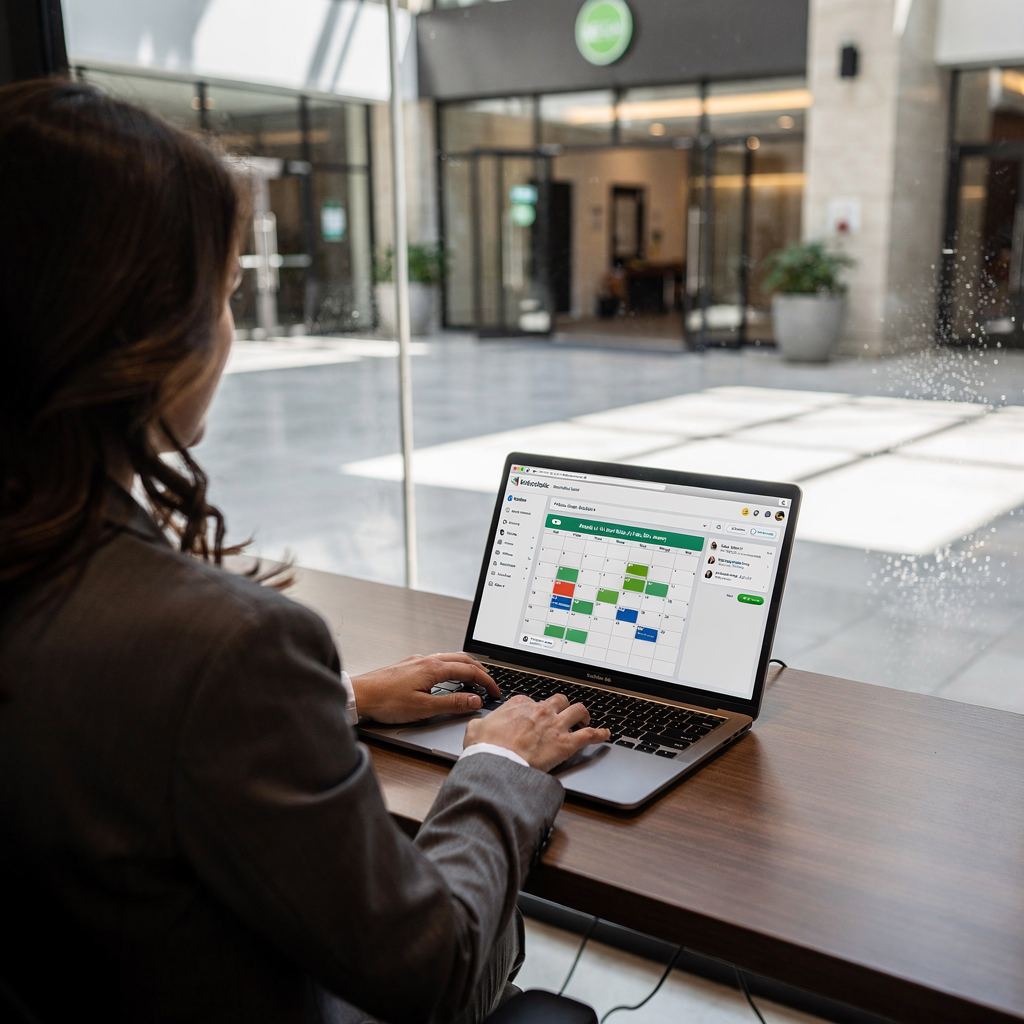
Calendar sync is critical. The AI syncs agent calendars, blocks staff availability, and sends SMS and email reminders to reduce no-shows. For instance, automated reminders drop the no-show rate and speed up the path to a signed lease. A virtual assistant also updates the CRM record after each tour, which removes duplicate data entry and improves reporting. You can integrate with common systems such as Yardi or RealPage, and with e-signature tools to close the lease faster. Also, to scale without hiring, AI can handle 2–3x prospect volume while keeping the team lean (ButterflyMX).
Practical policies help. Set an SLA: first reply under five minutes, followup sequence over seven days, and human handoff on a defined lead score. Use short scripts for complex topics so the AI can answer basic financial or pet-policy questions and then route the tenant request to a property manager when needed. Also, our virtualworkforce.ai agents draft replies grounded in backend data, which reduces errors and speeds response. The result: leasing teams spend less time on routine tasks and more time closing leases.
Drowning in emails?
Here’s your way out
Save hours every day as AI Agents label and draft emails directly in Outlook or Gmail, giving your team more time to focus on high-value work.
Always-on virtual leasing agent and ai-powered chatbot to nurture multifamily prospects
An always-on virtual assistant or chatbot keeps conversations alive around the clock. First, a chatbot answers common questions instantly: availability, floor plans, pet policy, parking and amenity access. Also, a virtual leasing agent qualifies prospects by asking availability windows, budget, and move-in dates. Then the system scores leads and routes qualified leads to a human agent for a high-touch close. This approach ensures no lead goes cold and that the onsite team focuses on warm, ready-to-sign prospects.
Chatbots handle FAQs and triage 24/7. They capture contact details, preferred tour times, and basic screening answers. Next, they present options like self-guided tours or agent-led visits and can schedule directly via calendar sync. A short decision tree might start with availability, then budget, then move-in timing. If the prospect fits key criteria, the AI assigns a high lead score and triggers an urgent alert. If not, the AI enters a nurturing track that sends staged messages over weeks to keep the community top of mind.
Response-time metrics matter. Studies show fast replies lift engagement and conversion. For example, answering a prospect in minutes rather than hours increases the chance to convert. Also, AI-driven nurturing improves conversion rates by delivering timely, personalised content. When the chatbot cannot resolve a complex negotiation or unusual request, it follows handover rules to escalate to a human. These rules include privacy and compliance checks to protect resident data. A tool powered by artificial intelligence should always record consent and follow data governance alike.
Compare a chatbot-first versus human-first approach. Chatbot-first wins on availability and scale. Human-first wins on empathy and complex issues. In practice, combine both. Let the chatbot qualify and nurture, then route the high-intent prospect to an agent. This mix improves效率 and satisfaction. For multifamily teams, a multifamily AI leasing assistant can keep prospects engaged, and it frees agents to do what they do best: lead tours and close leases. Also, add an ai voice option for phone outreach if you want to extend followup beyond email and chat. Finally, track metrics like time-to-first-response, lead score, and days-to-lease to measure impact.
Integrate with property management software and property management companies to optimise operations
Integration matters. Connect your AI to CRM, property management software, access control, and e-signature tools so data flows across systems. For example, a prospect record starts in the CRM, moves through automated emails, syncs to the calendar for a tour, and ends with application data in the PMS. This flow eliminates double entry and reduces errors. Also, integrations speed the lease-to-move-in timeline by automating key handoffs.
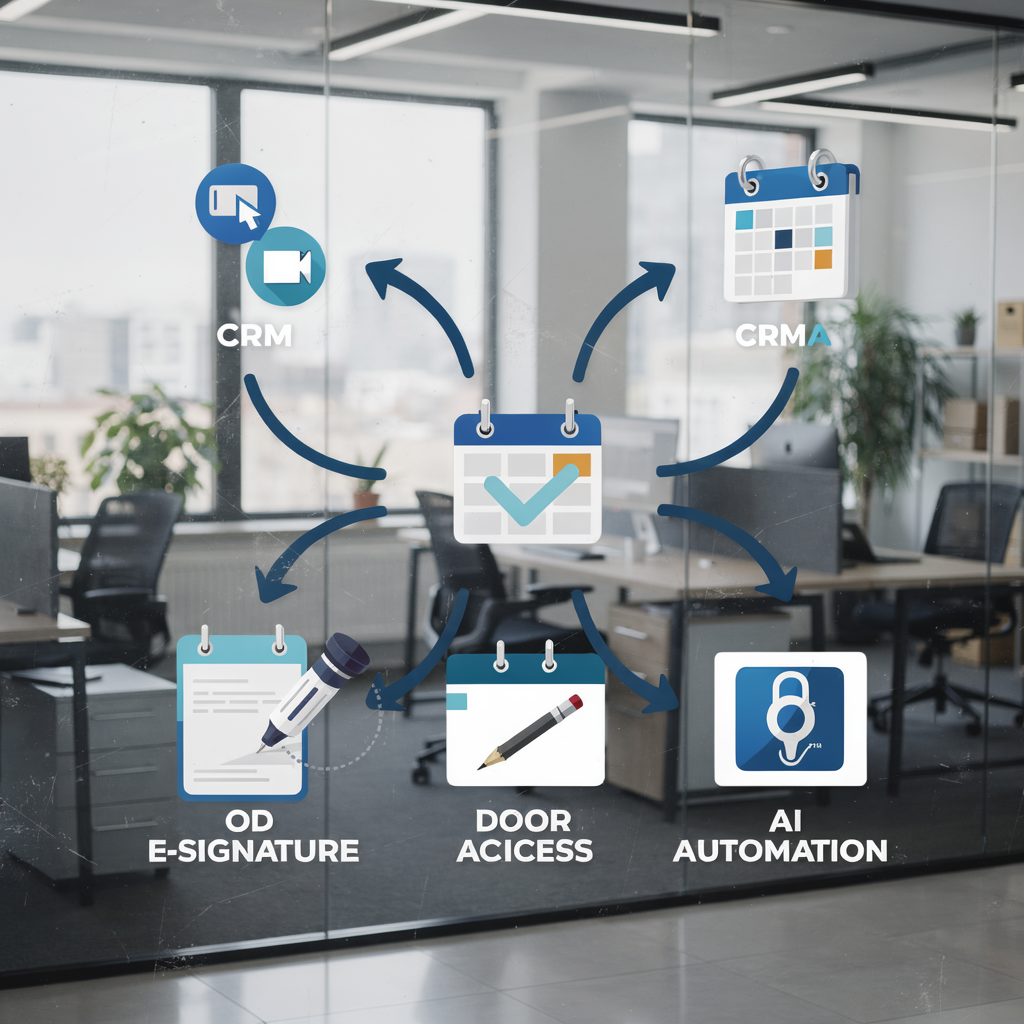
Common integrations include Yardi, RealPage, ButterflyMX, DocuSign, and appfolio. Each connection removes a manual step. For instance, after a signed lease, the AI can push tenant details into the PMS and trigger move-in checklists. Also, the AI can update access control systems so keys or codes are ready. This continuity improves resident communication and reduces operational costs.
When you integrate, set a checklist. First, confirm API access and data fields. Second, decide data ownership and retention policies. Third, map emails, leases, and signatures to structured records. Fourth, validate security and compliance for resident information in the EU and elsewhere. Fifth, test end-to-end with a small set of properties. You can also use vendor-specific connectors and smart leasing platform CRM adapters to speed deployment. Virtualworkforce.ai offers deep data grounding across operational systems so that email replies and escalations are accurate and traceable.
Recommended KPIs after integration include days-to-lease, lead-to-lease conversion, average handling time per message, and post-move resident satisfaction. Also track data-entry reduction and time to onboard new listings. These metrics show the true value of connected automation. Finally, integrate with reporting tools so property management teams can see portfolio-wide insights and act fast when trends appear.
Drowning in emails?
Here’s your way out
Save hours every day as AI Agents label and draft emails directly in Outlook or Gmail, giving your team more time to focus on high-value work.
Choose the best ai leasing assistant: features, costs and what leasing teams need
Choosing the best AI tool requires a checklist. First, prioritise email automation, scheduling, and follow-up sequences. Second, confirm CRM and property management software support. Third, verify reporting, customization, and human handover capabilities. Also, check language support and whether the provider allows you to train the assistant with property-specific copy. Finally, estimate costs by seats, message volume, and integrations.
Key ROI drivers include reduced vacancy days, saved agent hours, and higher conversion. For many portfolios, pilots show measurable impact in 3–6 months. A good pilot tests a small set of units, tracks days-to-lease, and measures conversion uplift. Use a pilot duration of 60–90 days, set success thresholds for conversion and response time, and collect 200–500 historical emails to train the model. Then, assess whether the tool reduces manual data entry and improves closing leases.
Feature shortlist: email templates, calendar sync, escalation rules, human handover, CRM integration, reporting, and tenant-facing chat. Also, check vendor support for compliance, auditing, and data export. Cost drivers commonly include seats, messages, and custom integrations. Expect a payback timeline that depends on portfolio size, but many teams recover costs within one lease cycle when vacancy reduction and conversion gains align.
When you run a proof of concept, use these success criteria: first reply under five minutes, a 10–20% uplift in qualified leads, and reduced handling time per message. Also, ask about training the AI with local policies and FAQs. Our recommendation: pick a partner that offers end-to-end email automation and deep data grounding so responses are accurate and fast. For more on how AI agents automate email lifecycles for ops teams and save handling time, see our case materials and logistics-focused resources such as our guide on how to scale logistics operations without hiring (how to scale) and our virtual assistant overview (virtual assistant). Also consider integrating with Google Workspace workflows to automate outgoing and incoming messages (Google Workspace guide).
faqs and frequently asked questions about virtual leasing, ai agent and operational costs
Leasing teams ask many practical questions before they adopt AI. Below we answer the most common concerns about data privacy, job impact, accuracy and costs. These short answers are geared to property managers and leasing teams evaluating pilots. Also, this section includes frequently asked questions some teams use when they train the assistant and set expectations for inbound leasing calls.
Start a pilot with a clear baseline. Track days-to-lease, lead-to-lease conversion, average handling time per message, and resident communication quality. Also train the system with 200–500 historical examples. Finally, set rules for how and when the AI escalates complex topics so that human agents handle sensitive negotiations and legal questions.
FAQ
What is an AI leasing assistant and how does it help my team?
An AI leasing assistant automates emails, schedules tours, and follows up with prospects. It helps by reducing repetitive tasks so your staff can focus on tours and closing leases.
Will AI replace leasing agents?
AI augments leasing agents rather than replaces them. It handles routine tasks and triage, and human agents handle complex negotiations and relationship building.
How quickly can we expect to see results from a pilot?
Most pilots show measurable impact within 3–6 months. Track days-to-lease and lead-to-lease conversion to validate the pilot.
How does the AI handle data privacy and compliance?
AI solutions must follow data governance and consent rules. Ensure your vendor supports GDPR, secure storage, and clear data ownership policies.
Can the AI handle complex tenant requests?
The AI handles many common questions and triage. For complex or legal issues, it escalates to a human with full context so the agent can respond accurately.
What integrations are essential for a seamless flow?
Essential integrations include CRM, property management software like appfolio or Yardi, e-signature tools, and access control systems. These reduce manual data entry and speed move-ins.
How do we train the AI to use our tone and policies?
Train the assistant by providing property-specific copy, templates, and 200–500 historical emails. Also set routing rules and escalation paths so replies match your brand and policies.
What are typical pricing drivers for AI leasing tools?
Pricing usually depends on seats, message volume, and custom integrations. Expect costs to scale with portfolio size and integration complexity; pilots help estimate ROI.
Does AI improve conversion rates for leases?
Yes. Studies and pilots show conversion uplifts of 20–25% when AI is used to follow up and personalise outreach (Cloud). Faster replies also reduce vacancy time and speed lease closings (ButterflyMX).
What are the next steps to evaluate an AI leasing agent?
Run a 60–90 day pilot, set baseline KPIs, and train the assistant on historical emails. Also include a checklist for integrations and success thresholds so you can judge whether the tool converts leads and reduces operational costs effectively.
Drowning in emails?
Here’s your way out
Save hours every day as AI Agents label and draft emails directly in Outlook or Gmail, giving your team more time to focus on high-value work.