


ai for property management: streamline tenant communication and improve response times
AI can streamline tenant communication and change how a property manager runs daily operations. First, AI handles routine enquiries, schedules viewings, sends rent reminders, and reduces average wait times from hours to seconds. For example, AI chatbots provide instant responses to FAQ-style messages and can automate pre-screening questions for a rental property. Also, industry research notes that AI-powered virtual assistants can save property managers over 10 hours per week by automating tenant communication tasks V7 Go. Next, conversational AI has been shown to boost lead generation and improve lead-to-lease conversion by around 62% through faster followup and booking of viewings Master of Code. Therefore, response-time targets fall dramatically when AI answers initial inquiries, and property management teams meet prospects faster.
In practice, an AI assistant can reply to common questions about lease terms, pet policies, and property details in seconds. For instance, staged followups can be set up to remind prospects about a viewing, to nudge applicants toward completing a lease application, or to confirm lease renewal dates. Also, the system can send a reminder about rent payments and confirm receipt. This reduces the manual burden and helps property owners scale from a single property to broader portfolios without increasing headcount.
Furthermore, measurable outcomes include reduced manual replies, faster response times, and clear metrics for lead-to-lease conversion lift. Property management software that integrates AI delivers real-time visibility into inquiry volume and tenant data, allowing a property manager to prioritise urgent issues. For example, teams can set SLA targets for first reply time and measure improvements week over week. In addition, AI improves resident communication quality while freeing managers to focus on high-value tasks like growth and preventive maintenance. Finally, if you want to see how email automation can cut handling time and streamline workflows in operations, read how virtualworkforce.ai reduces email handling time across teams how to scale logistics operations without hiring.
ai assistant and ai agents: 24/7 ai-powered support for tenant interactions and maintenance request management
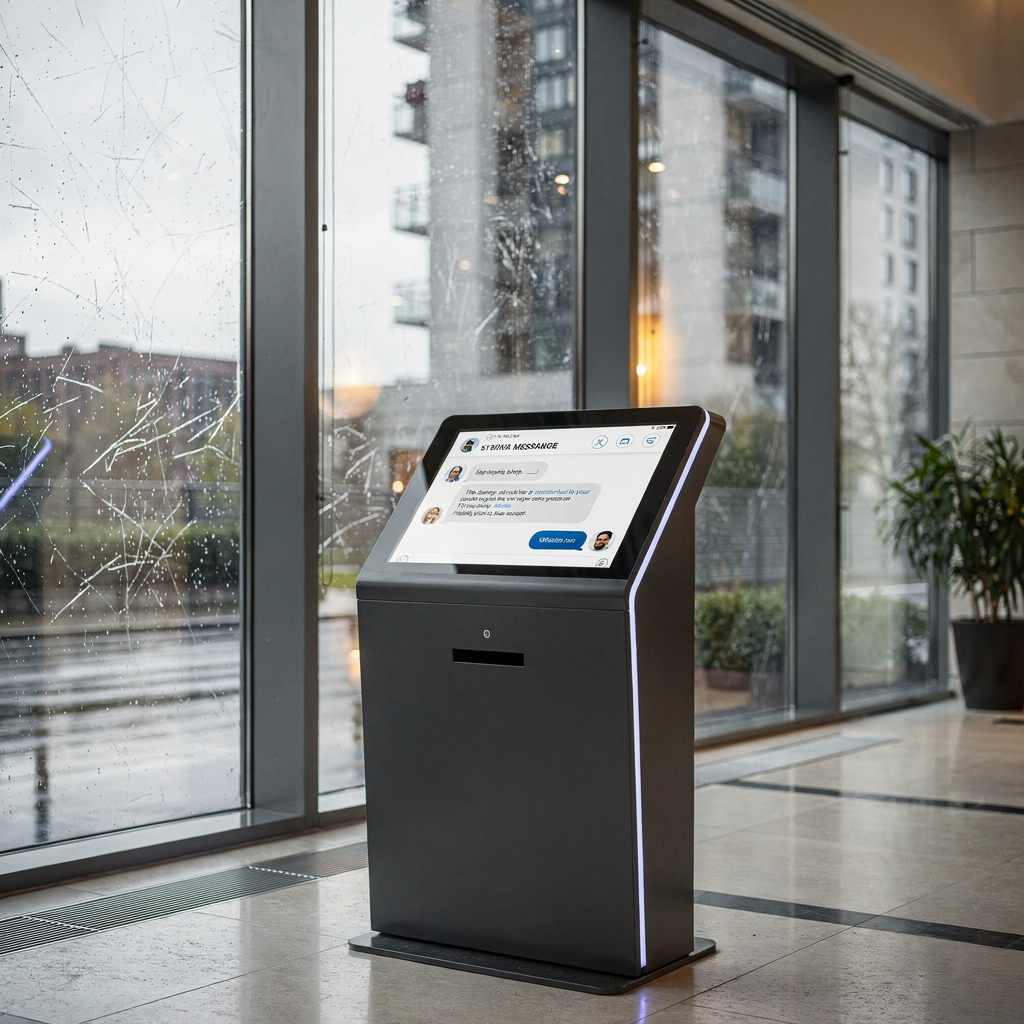
An AI assistant and specialised AI agents provide around-the-clock help for tenant interactions, from chat and voice to SMS and WhatsApp. AI agents can acknowledge messages, detect intent, tag priority, and create a work order when needed. For example, an AI agent can receive a tenant’s maintenance request, classify it as urgent or routine, and then route it to the right vendor with a suggested schedule. Also, a reliable assistant can attach tenant data and photos to the ticket so teams do not repeat manual lookups.
Operational detail matters. The AI performs intent detection using natural language processing to read messages and to decide next steps. Then, automatic acknowledgement reassures tenants that the message was received. Next, the agent applies priority tagging rules and vendor dispatch logic inside the management system so the correct contractor is assigned. If the request is critical, the agent escalates immediately; otherwise, it sets followup reminders or schedules a technician visit. This approach creates a clear audit trail for compliance and reduces missed requests.
Real-world benefits include fewer missed requests, faster routing, and better tenant satisfaction. Property management companies that adopt AI services see improved tenant satisfaction and quicker closure of maintenance request management items. For tough cases, the system flags tickets that require human review so that you do not rely on automation alone. Also, built-in AI helps with tenant screening by analysing applications alongside credit and reference checks. If you need to connect email-based workflows to operational data, virtualworkforce.ai demonstrates how to ground replies in ERP and to draft accurate responses inside Outlook or Gmail ERP email automation.
Quick checklist: cover chat, SMS and email channels; set escalation thresholds; integrate with vendor platforms; and ensure the AI logs actions in your PMS. Finally, using AI to manage tenant interactions and maintenance request routing helps property managers focus on growing the portfolio while keeping tenants informed and satisfied.
Drowning in emails? Here’s your way out
Save hours every day as AI Agents label and draft emails directly in Outlook or Gmail, giving your team more time to focus on high-value work.
automation and workflow: simplify maintenance request triage, lease queries and real-time updates
Automation redesigns the workflow for maintenance, lease questions, and real-time tenant updates. First, a workflow can map common pathways: tenant reports issue → AI classifies urgency → AI suggests fixes or creates a work order → vendor/manager notified. This map speeds time-to-first-action and reduces repeat messages. Also, automation reduces manual triage and ensures that emergencies get immediate human attention. For example, an AI-powered triage step can detect water leaks or gas concerns and flag them as emergency so the on-call technician responds rapidly.
Process design should include templates for automated replies and confirmations. For instance, after a tenant submits a maintenance request, the system can reply to texts with an immediate acknowledgement, schedule an arrival window, and send a reminder the day before the visit. These confirmations improve tenant satisfaction and cut back on missed appointments. Next, AI can provide real-time updates to tenants about appointment status and expected arrival times, and it can attach a photo or video the tenant uploaded to the work order for faster diagnosis.
Evidence-based notes: triage reduces time-to-first-action and helps prioritise emergencies, which improves tenant satisfaction. For example, instant responses and clear ETA messaging reduce follow-up calls and lower workload for property management tasks. Implementation tips include building decision trees for common issues, setting handoff points where cases require human judgement, and using consistent language in tenant-facing messages. Also, the AI should flag items that may require a followup inspection or a warranty check.
Importantly, the workflow should connect to billing and lease systems so that work orders reference lease clauses or warranty terms. This reduces disputes and speeds repair approvals. Finally, consider a pilot on a subset of units to refine thresholds and to track KPIs like first reply time, resolution time, and tenant satisfaction. If you want to explore how AI agents scale operations without excessive hiring, see virtualworkforce.ai’s guide on scaling with AI agents how to scale logistics operations with AI agents.
property management ai and property management software: using ai to connect CRM, vendors and maintenance
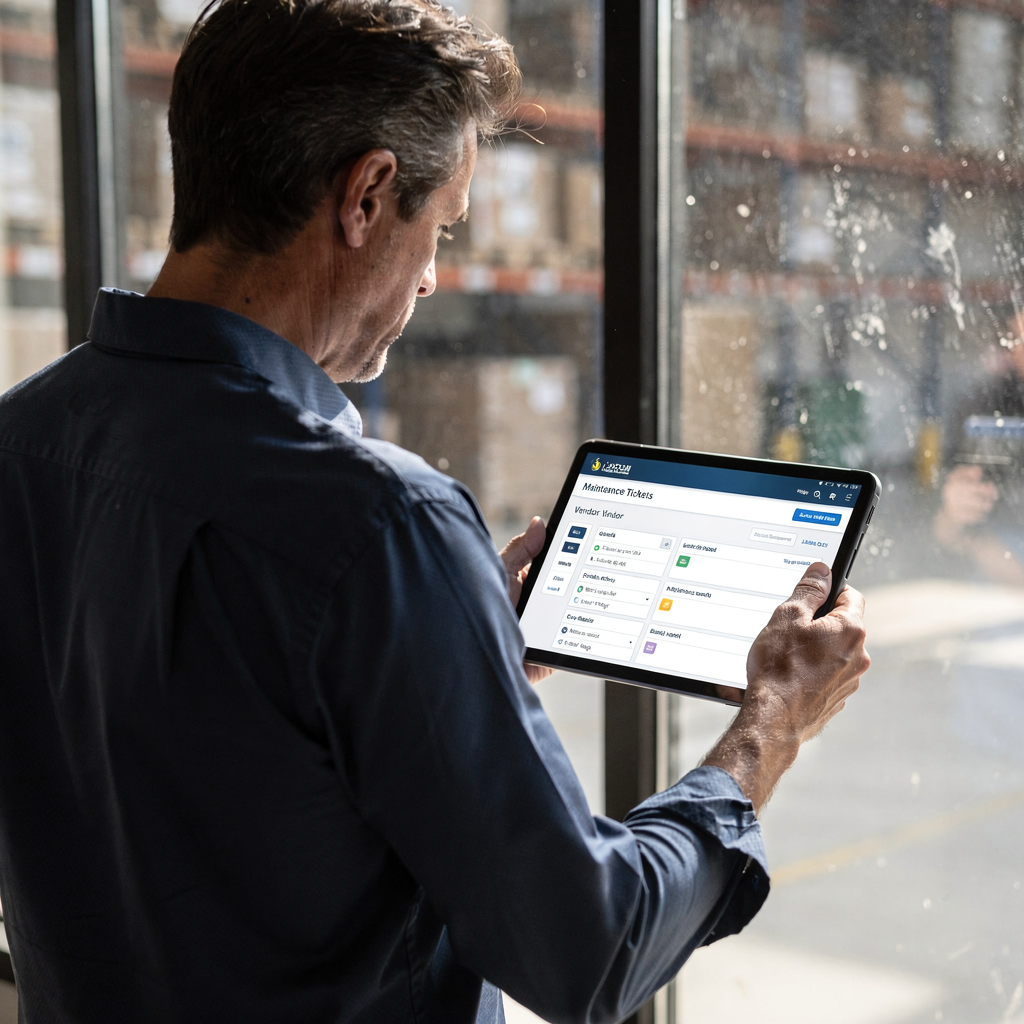
Property management AI becomes powerful when it integrates with property management software and CRM systems. First, integration priorities include tenant data sync, lease records, maintenance history, billing, and reporting. Also, a connected system ensures that when AI creates a work order it references the correct lease clause and the tenant’s contact preferences. This reduces errors and speeds vendor dispatch.
Risk and mitigation are core to a good deployment. For instance, data privacy must be protected and tenant identity verification should be enforced before releasing sensitive information. Next, maintain audit logs and require human sign-off for high-risk cases like tenant disputes or major insurance claims so that automation does not operate without oversight. In addition, fallback human review for sensitive cases preserves legal compliance and trust.
Deployment steps work best when incremental. Start with a pilot on a small portfolio, measure KPIs like time saved and tenant satisfaction, then scale with defined SLAs. Also, define governance: IT connects data sources and sets access rules, while operations configures tone, routing logic and escalation. For email-heavy workflows, an end-to-end automation that understands intent and grounds replies in ERP or property information can cut handling time significantly; our company’s platform automates the lifecycle of operational emails to reduce handling time and increase consistency across teams automated logistics correspondence.
Furthermore, advanced AI models can read photos and short videos to assess damage and to recommend next steps. This capability limits unnecessary vendor visits and helps predictive maintenance planning. Finally, integrated property performance dashboards provide insight into repair frequency and cost trends so property owners can budget and prioritise preventive work. Altogether, management with AI makes operations smarter while preserving a clear audit trail for stakeholders.
Drowning in emails? Here’s your way out
Save hours every day as AI Agents label and draft emails directly in Outlook or Gmail, giving your team more time to focus on high-value work.
benefits for the property manager and renter: time savings, tenant satisfaction and improving tenant experience powered by ai
The business case for AI is straightforward: save time, reduce cost, and improve tenant experiences. For property managers, AI can automate routine tasks like screening, scheduling, and reminder messages so teams can focus on strategic priorities. For example, property managers often gain around 10 hours per week when AI automates tenant communication and routine tasks V7 Go. Also, AI can help with rent collection by sending automated rent reminders and by integrating with payment systems to track rent payments and to support automated rent reconciliation.
For renters, benefits include faster fixes, clearer resident communication, and more transparent timelines. AI-powered chat can answer responses to common inquiries immediately, suggest self-help steps, and route complex issues to humans. This improves tenant satisfaction and can increase the likelihood a renter is likely to renew. Also, AI surfaces trends such as most common faults or peak request times, so managers can shift to preventive maintenance and improve property performance over time.
Quantified gains include reduced handling time, higher lead conversion rates, and improved retention through faster response times. Property management business owners can model ROI by comparing subscription and integration costs to labour hours reclaimed and to fewer emergency repairs due to earlier detection. For single property owners and large portfolios alike, AI offers scale: from faster replies to tenant screening assistance, AI adds operational capacity without linear headcount growth. If you want to see how automation of email and operational replies improves service delivery, check our comparison of virtualworkforce.ai versus traditional outsourcing virtualworkforce.ai vs traditional outsourcing.
Finally, remember that AI should not replace human judgement. It should automate routine parts of the tenant lifecycle while escalating issues that require a human. This balance delivers a smarter, more reliable assistant for both property managers and renters.
frequently asked questions: tenant concerns, artificial intelligence, ai solutions and getting started
This section answers frequently asked questions and common questions managers and tenants pose when implementing AI solutions. It covers reliability, data security, human handover, and legal compliance. Also, it points to next steps for pilot design and KPIs to track as you start implementing an AI-supported workflow.
How reliable are AI responses to maintenance requests?
AI reliably handles routine maintenance requests and can classify urgency using natural language processing. However, it flags safety-critical issues for immediate human review so that emergencies do not rely solely on automation.
Can AI read photos or videos of a fault?
Yes, advanced AI can analyse photos and short videos to identify damaged fixtures or plumbing issues and to suggest a likely fix. For high-risk or ambiguous cases, the system will require human verification before dispatching a vendor.
How are emergencies detected?
Emergencies are detected via intent classification, keyword matching, and contextual signals like “smoke”, “gas”, or “water leak”. The AI escalates these automatically to on-call staff and marks them with top priority in the management system.
What about data privacy and tenant information?
Integrations should follow strong data governance, encryption, and role-based access to protect tenant data. Also, audit logs and identity verification reduce risk when AI systems surface sensitive property information.
Will tenants accept AI communication?
Many tenants prefer instant responses and transparent timelines, which AI provides through instant responses and real-time updates. Still, tenants value human contact for complex disputes, so a clear escalation path should be visible.
How does AI help with tenant screening?
AI can streamline tenant screening by analysing tenant data, credit checks, and references to highlight higher-risk applicants. However, final approval often requires human judgment to ensure fairness and legal compliance.
What KPIs should we track during a pilot?
Track first reply time, time-to-resolution, tenant satisfaction, and hours saved per property manager. Also, measure lead conversion and the number of maintenance requests resolved without vendor visits.
How do we start implementing an ai in property management?
Begin with a small pilot covering a single property or a subset of units, define SLAs, and connect core systems like your CRM and lease records. Then, measure results and scale once thresholds are met.
Can AI handle rent collection and lease renewal reminders?
Yes, AI can send rent reminders and support automated rent collection workflows as part of integrated property management software. Also, it can automate lease renewal notifications and manage followup messaging to tenants.
Where can I learn more about automating operational email and workflows?
For teams that rely heavily on email, see how end-to-end email automation can reduce handling time and improve consistency when replies are grounded in operational systems. Our resources explain how to connect email workflows to ERP and to automate replies automate email workflows.
Ready to revolutionize your workplace?
Achieve more with your existing team with Virtual Workforce.