


tenant communication: how ai email assistant for property management speeds response time and raises tenant satisfaction
Tenant requests arrive constantly, and an AI email assistant can triage, reply, and escalate so property teams do less repetitive work and tenants get answers faster. First, the assistant reads incoming messages, classifies intent, and then matches tenant information to relevant records. Next, it drafts personalised replies, and routes urgent cases for human action. Also, teams report time savings of roughly 25–35% on routine emails, which lets property managers to focus on high-value tasks and increases tenant satisfaction. For example, studies show that integrating AI tools can increase operational efficiency by 30–40% in real estate operations The power of generative AI in real estate | McKinsey. Then, industry case studies document average response times dropping from many hours to under two hours, and in high automation setups replies can arrive in minutes 12 Ways Technology is Changing the Real Estate Industry.
Also, AI enforces consistent messaging across thousands of tenant threads. Therefore, it reduces errors from manual copy/paste and improves followup reliability. The assistant can insert lease dates, tenant names, and account balances automatically when needed, and it can mark threads for later reminders. Additionally, AI supports multi-language replies for prospective tenant leads, which helps leasing teams respond faster while preserving tone. For property managers who handle dozens of units, a reliable assistant for property management becomes a core productivity tool. Furthermore, using AI in this way helps maintain SLA compliance and reduces complaint volumes. Finally, virtualworkforce.ai builds AI agents that automate the full email lifecycle so that email stops being a bottleneck for operations and becomes a reliable workflow that supports tenant engagement.
property management software and workflow: using ai to automate tenant interactions and deliver real-time updates to the property team
Property management software must share data with AI agents to enable true automation. First, integrations connect PMS, CRM, and payment systems through APIs or middleware so tenant records, payment status, and lease files are available in context. Also, when an email about rent arrives, the agent can check balances and then create or update a work order or payment reminder without human typing. Next, messages get routed, labelled, and converted into tickets that appear in the property team inbox. In addition, RAG techniques let the assistant consult lease documents and attachments to answer lease inquiries and provide accurate status updates in replies.
Also, practical setup steps matter. First, map data fields between systems, and then configure webhooks for new ticket creation. Next, use a test sandbox to validate logic and to reduce errors. Additionally, define user roles so that only authorised staff can change routing or escalation rules. For example, virtualworkforce.ai connects ERP and SharePoint data, drafts grounded replies in Outlook or Gmail, and pushes structured data back into operational systems, which reduces handling time per email from about 4.5 minutes to roughly 1.5 minutes. Also, teams should document their workflow and create a checklist: data mapping, webhook setup, sandbox testing, user roles, and live monitoring. Finally, internal guidance and training ensure property management AI works alongside humans and that every tenant message is handled correctly.
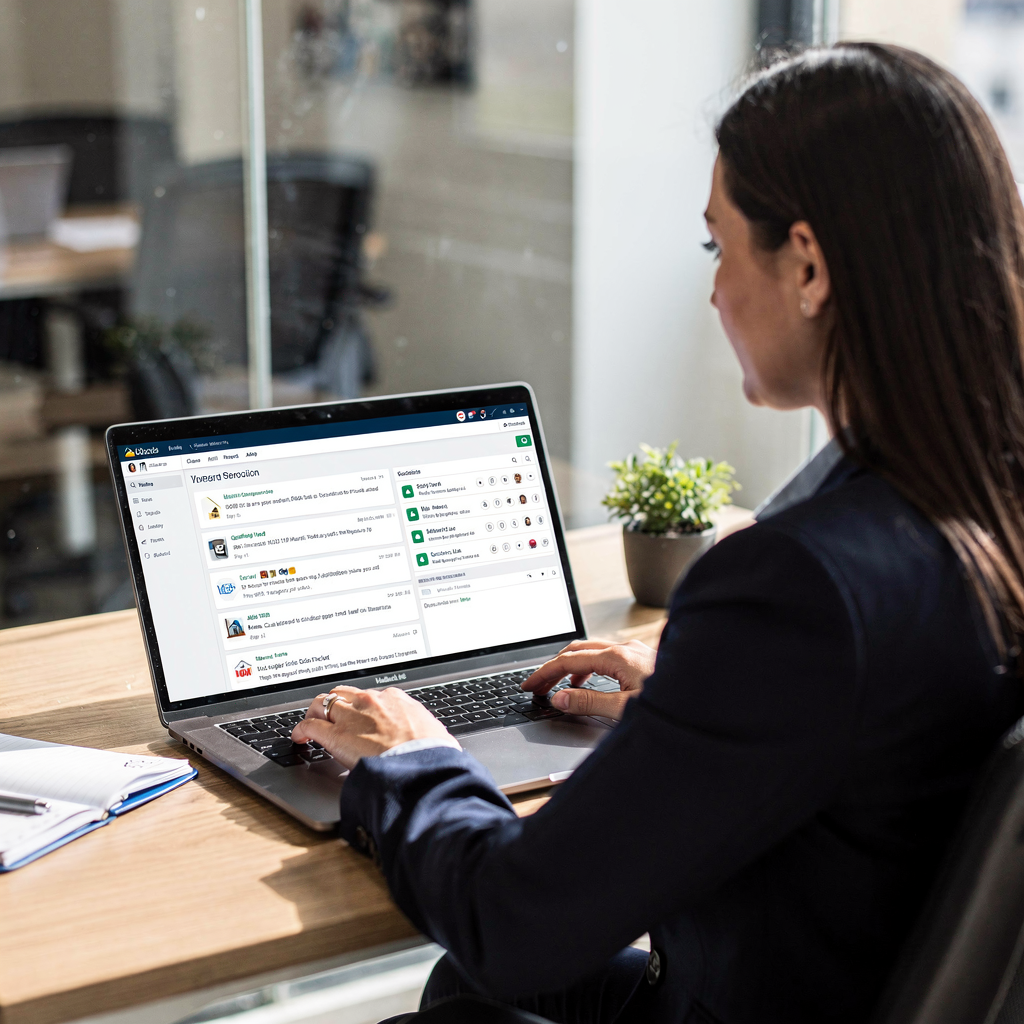
Drowning in emails? Here’s your way out
Save hours every day as AI Agents label and draft emails directly in Outlook or Gmail, giving your team more time to focus on high-value work.
maintenance request management: virtual assistant and ai property management tools that automate triage and vendor coordination
Maintenance request routing is a frequent source of delays for tenants and owners. First, an AI virtual assistant can read a maintenance request email, classify urgency, and then prioritise a water leak or a broken heater automatically. Also, the assistant can analyse photos and text to classify the issue and propose a work order or vendor. Then, it can schedule a contractor, create a work order with attachments, and send tenants followup messages that include appointment windows and expected arrival times. For urgent situations the assistant escalates to human staff according to predefined escalation rules and quality checks.
Also, case studies show AI reduces mean time to repair by streamlining triage and vendor coordination. For example, property teams with high automation report fewer missed requests and faster repairs, which directly improves tenant support. Additionally, the assistant records all actions so managers can audit decisions and verify vendor SLAs. The system tags tickets, updates status updates in the PMS, and notifies the property team when human approval is required. Meanwhile, rules for escalation ensure legal or safety issues go to a human quickly, and that complex lease disputes include full context before handover. Furthermore, the assistant for property management handles routine scheduling and frees technicians for the in-person work they do best. Finally, this approach reduces escalations, lowers complaint volumes, and enhances the tenant experience for every tenant across portfolios.
Also, if your operation needs examples of email drafting and structured replies for vendor coordination, you can review logistics-focused templates and automation techniques at our resource on automated logistics correspondence automated logistics correspondence, which highlights similar principles for scheduling, attachments, and vendor updates.
template and ai assistant best practice: ai email templates for an email assistant for property management to standardise replies and reduce errors
Templates help maintain a clear and consistent tone while personalising content for tenants. First, essential templates include: acknowledgement of receipt, appointment slot offers, repair update, rent reminder, and lease enquiry responses. Next, each template should include tokens for tenant name, property ID, lease dates, and work order numbers so messages remain personalised. Also, add SLA wording that sets expectations for response time and next steps. Furthermore, maintain version control and audit trails to track which template sent which reply, and to ensure legal compliance when handling lease and financial information.
Also, sample structure speeds implementation. For a maintenance acknowledgement email use a clear opening, a summary of the issue, proposed appointment windows, and a followup instruction. Then, include a short checklist and a contact line for urgent problems like a water leak. For a lease enquiry reply, confirm the lease term, note renewal options if appropriate, and ask a single clarifying question so the tenant can respond quickly. Additionally, keep templates short so tenants read them, and allow the AI to adapt tone for move-in or renewal contexts. Finally, use a template management process that permits business teams to update language without code. For hands-on guidance about automating email drafting in operational contexts, see our walkthrough on logistics email drafting AI logistics email drafting AI.
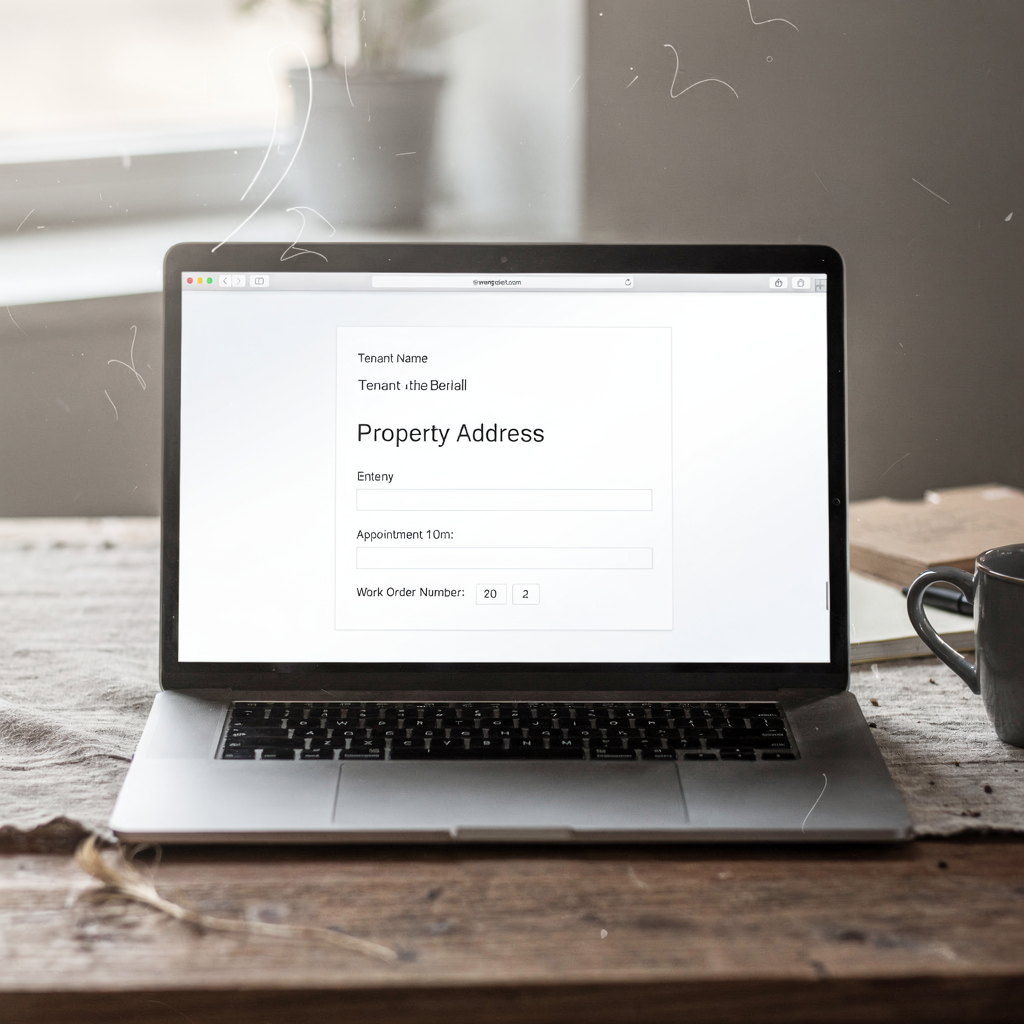
Drowning in emails? Here’s your way out
Save hours every day as AI Agents label and draft emails directly in Outlook or Gmail, giving your team more time to focus on high-value work.
operational costs for property managers: what property manager and landlords and property managers must consider when implementing an ai assistant for property management
Implementing an AI assistant requires budgeting for licences, integration, training, and vendor support. First, licence fees depend on volume and features. Next, integration costs vary by how many systems you connect, whether via API or middleware, and whether you need RAG for documents. Also, initial training and configuration need business hours from the property team and IT. Additionally, consider ongoing vendor support and governance to ensure data privacy and compliance with EU rules. For security insights, refer to the industry data breach report that highlights why careful data controls matter 2025 Data Breach Investigations Report – Verizon.
Also, expected ROI drivers include fewer missed payments, reduced headcount for repetitive email tasks, and faster repairs that reduce tenant churn. For instance, McKinsey highlights how AI-powered communication tools can lift operational efficiency by 30–40% in real estate, which feeds directly back into cost savings The power of generative AI in real estate | McKinsey. Additionally, landlords and property managers should plan a pilot, measure response time, resolution time, tenant satisfaction, and cost per ticket, and then scale. Also, compliance and consent must be baked into the rollout so tenant information stays secure and clear opt-out paths exist.
Finally, for teams that want to compare ROI and scaling strategies, our case studies on virtual workforce ROI explain how end-to-end email automation reduces handling times and increases consistency virtualworkforce.ai ROI. Also, a phased rollout with clear metrics and a 90-day review period helps managers to focus on the benefits while controlling operational costs for property managers.
frequently asked questions: understanding tenant expectations, ai-powered email limits, and next steps to streamline tenant support for every tenant
When teams adopt AI, they ask how to balance automation and personal touch. First, define which messages the assistant handles and which require humans. Next, set SLAs and review handover quality frequently. Also, collect tenant feedback to iterate on templates and workflows. Additionally, measure average response metrics and use them to justify further automation. Finally, ensure legal notices and complex lease disputes always go to a human reviewer.
Also, if you want practical next steps, pick a small set of pilot properties, choose a vendor, set initial SLAs, train your teams, and then review the metrics after 90 days. For more operational examples of scaling without adding headcount see our guide on how to scale logistics operations without hiring, which shares techniques that apply to property management operations how to scale logistics operations without hiring. Furthermore, virtualworkforce.ai offers zero-code setup and thread-aware memory so teams can implement AI and maintain control while the system learns to handle repetitive email at scale.
FAQ
How quickly can an AI email assistant improve response time?
An AI email assistant often reduces response time within weeks by automating triage and drafting. For example, studies show automated replies can reach under two hours on average, and high-automation setups can produce replies in minutes 12 Ways Technology is Changing the Real Estate Industry. Also, measuring average response before and after a pilot gives clear evidence of impact.
Will tenants trust AI replies?
Trust grows when messages feel accurate and timely. First, keep critical or legal replies human-reviewed. Next, personalise templates with tenant names and lease details to enhance tenant experience. Also, provide easy opt-out and clear contact options so tenants still feel in control.
What data must I secure when implementing an AI assistant?
Protect tenant information, lease documents, and payment records with strict access controls. Also, follow regional rules like GDPR in the EU and use encryption in transit and at rest. Furthermore, log access and maintain audit trails for compliance purposes.
Can the assistant handle maintenance request photos?
Yes, modern AI can classify images and suggest a priority level for a maintenance request. Also, it can attach the image to a work order, propose vendors, and schedule appointments. However, escalate safety-critical cases to humans immediately.
How do I measure tenant satisfaction after automation?
Use short post-interaction surveys, track complaint volumes, and monitor tenant engagement metrics. Also, compare pre-pilot and post-pilot scores for a clear view of whether the system increases tenant satisfaction. Finally, review open-text feedback to refine templates.
What happens if the assistant makes an error?
Errors occur, so implement human oversight and clear escalation rules for rare or ambiguous messages. Also, maintain an audit trail so you can trace and correct errors quickly. Additionally, set thresholds for automatic handover to human agents when confidence scores are low.
Can AI handle lease renewal and move-in coordination?
AI can draft renewal offers, check lease dates, and propose appointment windows for move-in inspections. Also, it can collect tenant confirmations and update the PMS. However, sensitive negotiations may still need property manager involvement.
How do I start a pilot with minimal disruption?
Choose a handful of properties with typical volumes and common inquiries, and then configure integrations in a sandbox. Also, define SLAs, train a small team, and monitor metrics like response time, resolution time, and tenant satisfaction for 90 days. Finally, iterate based on results.
Will implementing an AI increase operational costs?
Initial costs include licences and integration, but expected ROI comes from time savings, fewer late payments, and fewer complaints. Also, many teams notice reduced headcount on repetitive email tasks, which lowers ongoing costs over time. For ROI case studies, review virtualworkforce.ai resources on ROI and automation strategies virtualworkforce.ai ROI.
Where can I find templates and examples to get started?
Start with standard templates for acknowledgement, appointment scheduling, repair updates, and rent reminders. Also, use tokenised templates that insert tenant names, lease dates, and work order numbers automatically. Additionally, our guide on best tools and examples for drafting operational emails shows how to adapt templates from logistics contexts to property management best tools for logistics communication.
Ready to revolutionize your workplace?
Achieve more with your existing team with Virtual Workforce.