


ai in mortgage: how artificial intelligence and ai agents transform mortgage operations
Artificial intelligence plays a central role in modern lending. First, AI systems ingest structured files, such as credit reports and bank feeds. Next, they parse unstructured documents, like emails and uploaded payslips. As a result, mortgage operations gain speed and clarity. In plain terms, an ai agent is software that can read, reason, and act on mortgage data. For example, a core capability is to process “large amounts of data (structured and unstructured) from various sources,” which improves underwriting precision and risk assessment Fannie Mae. This quote underlines why lenders and brokers adopt AI rapidly.
AI systems combine machine learning, natural language processing, and rules to streamline the entire mortgage journey. For instance, intelligent parsing speeds document processing and helps mortgage underwriting process decisions that used to take days. Companies such as Ocrolus supply ai-powered income calculations and automated document clearing to fund loans faster Ocrolus. Consequently, teams reduce manual reviews and increase throughput. From intake to funding, automation reduces repetitive work while preserving audit trails.
In practice, the business case is clear. Mortgage teams see faster decisions, fewer errors, measurable throughput gains, and better customer experience. Mortgage brokers and mortgage lenders can handle more loan applications without proportionally adding staff. Also, AI helps with consistent messaging across channels and improves customer satisfaction by shortening response times. For operations teams that rely on email, virtualworkforce.ai shows how ai agents automate the full lifecycle of operational messages and create structured data from unstructured emails, saving time and reducing errors virtualworkforce.ai case. Therefore, readers should leave this section with a clear definition, and a straightforward business case: modern ai and ai agent tools help teams process the single mortgage file and entire mortgage portfolios faster, while keeping accuracy high.

ai agent for borrower qualification: automation, natural language and loan officer support
An ai agent designed for borrower qualification combines many technologies. First, it pulls credit reports, bank feeds, payroll records, and tax files. Then, it applies rules and predictive models to score eligibility and estimate loan amount. The agent uses natural language intake via chat or voice to collect missing details and to triage leads. For example, using an ai chatbot or voice agents during the mortgage application helps collect intent and basic data quickly. The system can also run a soft credit check, calculate debt-to-income (DTI), and flag verification gaps in real-time.
Loan officers benefit directly. They no longer spend hours on initial triage. Instead, they review higher-quality referrals. As one expert noted, “Most Loan Officers use AI to save time. The smart ones are using it to sound more like themselves” Finlocker. Thus, the loan officer retains personal voice while relying on AI to handle routine tasks. The agent can also qualify mortgage leads by scoring intent, employment stability, and repayment capacity. In short, it can qualify mortgage leads and recommend loan options suited to each borrower.
Workflows typically auto-calculate DTI, verify income using bank and payroll feeds, and classify leads so human teams focus on exceptions and complex scenarios. This approach lets brokers to focus on complex pricing and client relationships. Also, it helps reduce time and resources spent on low-probability leads. When teams use ai to manage the early funnel, conversion rates improve and customer satisfaction rises. For brokers who want to integrate AI without heavy development, choosing an ai platform or vendor that supports easy integrations is key. For people assessing options, see guidance on how to scale logistics operations without hiring to learn similar operational playbooks applied to mortgage operations scaling operations. Finally, because the agent automates lead qualification and reduces manual triage, loan officers can focus on relationship building, pricing guidance, and securing mortgage approval for qualified borrowers.
Drowning in emails? Here’s your way out
Save hours every day as AI Agents label and draft emails directly in Outlook or Gmail, giving your team more time to focus on high-value work.
document processing and workflow automation: ai-powered document processing to speed the mortgage process for mortgage lenders
Document processing is where automation delivers dramatic time savings. OCR plus machine learning extracts line-level details from bank statements, payslips, and tax returns. Then, classification models tag documents and route them into downstream workflows. This reduces manual reviews and accelerates loan processing. For example, Ocrolus-style clearing automates income calculations and exception handling so teams fund faster Ocrolus. In many lenders, these systems cut document review time by more than half.
Technical stacks include OCR engines, AI models that normalize data, and workflow engines that escalate exceptions. AI-powered verification checks deposit patterns and flags non-recurring deposits. An ai-powered workflow can also match payslips to payroll cycles and reconcile inconsistencies automatically. This approach benefits mortgage servicing, underwriting, and loan origination teams. It also creates structured records for audits and supports compliance checks.
Operationally, the clearest wins are reduced turnaround time, lower cost per file, and fewer errors. When document processing integrates with email automation, mortgage teams avoid repeated manual lookups and can draft accurate replies that reference the exact document and data point. Our own work at virtualworkforce.ai shows how automating email-driven document tasks can reduce handling time from about 4.5 minutes to 1.5 minutes per message, while keeping traceability across systems virtualworkforce.ai email automation. Therefore, teams that automate mortgage document processing see faster funding and higher operational efficiency.
compliance and lender risk: how ai agents for mortgage and agentic ai help mortgage lenders in the context of mortgage regulation
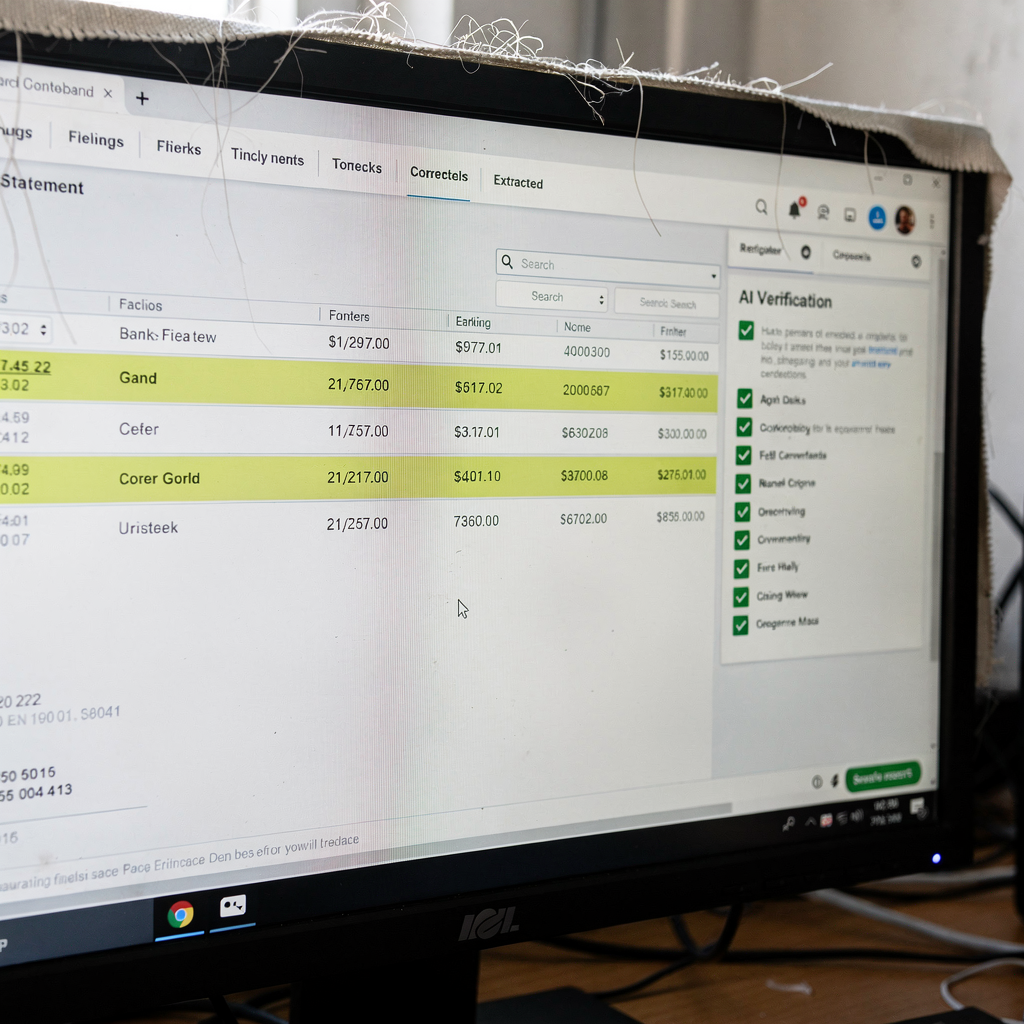
AI agents provide continuous monitoring for compliance and reduce lender risk. They run rules for AML, ECOA, and TILA checks. They also create immutable logs that auditors can inspect. Because lending regulations evolve, agentic ai can adapt rulesets and flag deviations in near real-time. This capability helps with audit readiness and regulatory reporting.
AI systems track decision paths, show which data informed a mortgage approval, and save those traces for compliance reviewers. This makes it easier to explain underwriting outcomes. Bankrate observed that “Technology marketed as artificial intelligence is expanding the data used for lending decisions, and also growing the list of potential reasons to approve or deny loans” Bankrate. That expansion increases the importance of clear logs and explainability. Lenders who adopt ai-driven review tools can show why a score moved, which documents were used, and who reviewed an exception.
Beyond logs, AI supports real-time risk scoring across portfolios. For example, continuous monitoring detects early signs of payment stress and produces alerts that trigger loan servicing outreach. The systems also support verification workflows by cross-referencing external feeds. As a result, compliance teams see fewer missed flags and lower regulatory fines. For teams building pilots, ScienceSoft highlights the need to “ensure accurate mortgage underwriting decisions, streamline data-intensive processes, and reduce human error” ScienceSoft. Therefore, agentic ai and AI agents for mortgage play a key role in reducing the risk of non-compliance while improving operational controls.
Drowning in emails? Here’s your way out
Save hours every day as AI Agents label and draft emails directly in Outlook or Gmail, giving your team more time to focus on high-value work.
implementing ai: practical steps to use ai, implementing ai to transform your operations and onboard loan officers
Start small and iterate. First, prepare data: consolidate credit feeds, bank integrations, and document stores. Second, decide whether to vendor or build. Third, design a pilot with clear KPIs such as turnaround time, error rate, and cost per file. For pilot KPIs, measure time to clear, approval rate uplift, and compliance exceptions. Also, set guardrails for explainability and human review points.
Onboarding loan officers requires change management. Train them on how to read model outputs, where the AI can automate mortgage tasks, and when human judgment must prevail. Provide playbooks that show how AI supports loan origination and loan processing but does not replace human discretion. Brokers to focus on complex counseling and pricing; allow the agents to handle routine tasks. For teams that rely heavily on email, consider an ai platform that automates the full email lifecycle so loan officers receive context-rich threads and suggested replies rather than raw inbound queries email automation guide.
Integration points include loan origination systems, document repositories, credit vendors, and CRM. Use phased rollout: pilot, refine, widen scope, then scale. Ensure governance: IT controls data access, business owners set tone and routing, and compliance owns audit rules. Choose the right ai and the right vendor. For many teams, the right ai balances zero-code configuration with deep data grounding so changes are fast and safe. Finally, monitor KPIs and iterate. When done well, implementing ai transforms your operations by freeing time and resources for decision-making and client service.
benefits of ai and next steps: ai-powered efficiency, ai in mortgage and how ai agents transform mortgage brokers and lenders
The benefits of ai are measurable. Speed improves, accuracy increases, and scale becomes realistic without adding headcount. AI helps reduce underwriting time, lowers per-file costs, and boosts customer satisfaction. Adoption trends show rising engagement: a 2026 field guide reports that 92% of commercial real estate occupiers and 88% of investors started or plan AI pilots, signaling similar momentum in mortgage lending V7 Go. This trend supports a clear case: agents are reshaping how mortgage products move from application to funding.
Practical next steps include selecting a pilot scope, choosing metrics, and specifying integration points. Track time to clear, exception rates, and mortgage approval velocity. Also track customer satisfaction and post-close quality. Measure how agents can break down bottlenecks across the mortgage process and how they help with ongoing mortgage servicing. Adopt ai in small, measurable stages, and then broaden the scope.
To prioritise, focus on document processing, lead qualification, and compliance automation. These areas yield the fastest ROI and free teams to focus on advising clients and presenting loan options. Remember that modern ai works best when coupled with strong data plumbing and human governance. If you want to explore how AI tools and AI solutions reduce email and document friction in operations, consult resources on AI for freight communications to see practical automation patterns that apply across industries related automation patterns. Finally, winners will be brokers to focus on complex loans and client outcomes while intelligent agents handle routine tasks. The benefits of ai include operational efficiency, reduced risk, and better customer experience. Adopt ai deliberately, measure results, and scale what works.
FAQ
What is an AI agent in mortgage brokering?
An AI agent is software that automates decision steps by reading data, applying models, and taking actions. It can handle document classification, lead triage, and notifications so human agents focus where they add most value.
How do AI agents qualify borrowers?
They aggregate credit reports, bank feeds, and payroll records, then score eligibility using rules and models. They can also collect data via chat or voice so loan officers get pre‑qualified leads faster.
Can AI help with document processing during loan origination?
Yes. OCR and ML extract fields from bank statements, payslips, and tax returns. Automation then routes exceptions and creates structured records for downstream review and compliance.
How does AI support compliance and audits?
AI logs decision paths, stores evidence, and flags potential AML or ECOA issues. These auditable trails simplify reviewer work and reduce the chance of regulatory fines.
Should a mortgage business build or buy AI?
That depends on data maturity and resources. Small pilots often use vendors to accelerate time to value. Firms with strong data teams may choose to build models for differentiated scoring.
How will loan officers change their daily work?
Loan officers will spend less time on routine triage and document chasing. They will focus more on pricing strategies, complex underwriting, and customer relationships.
What are the top metrics to track when implementing AI?
Key KPIs include turnaround time, error rate, cost per file, approval rate changes, and customer satisfaction. Monitoring these helps you know if the pilot succeeds.
Is AI safe for borrower data?
Yes, when implemented with strong governance, encryption, and access controls. Vendors and IT teams should ensure data minimisation, logging, and compliance with relevant lending regulations.
Can AI handle voice and chat during the mortgage application?
Yes. Voice agents and ai chatbot integrations collect borrower intent and basic information. They can route qualified leads to humans and reduce drop-off in the funnel.
How do I start a pilot for AI in my mortgage operations?
Begin with a narrow scope such as document processing or lead qualification, set KPIs, and choose a vendor or internal team to deliver a 6–12 week pilot. Then measure outcomes, iterate, and expand successful use cases.
Ready to revolutionize your workplace?
Achieve more with your existing team with Virtual Workforce.