


How ai and ai tools can streamline hoa communication for hoas
An AI email assistant sits at the center of modern HOA tech stacks. It can be a standalone plugin or part of a larger HOA platform and portal. Also, it connects to the community’s calendar, resident lists, and property documents. Next, the assistant for HOA automates routine outreach so board members and community managers focus on higher-value work. For example, segmentation and scheduling reduce unnecessary announcements and help build trust with residents. When done correctly, this approach can cut bulk blasts by up to 40% and lift engagement by about 30% How to Reduce HOA Email Blasts. That statistic shows why an email assistant matters.
Core functions include segmentation, personalization, scheduling, templates and analytics. These functions let teams target owners, tenants, or interest groups without manual lists. Then, the assistant drafts targeted messages and schedules sends in real-time so the right people get the right information. As a result, community managers report saving about 20 hours per month in routine email work How Technology Can Transform the Efficiency of HOA Management. This efficiency helps the association move from reactive inbox triage to proactive resident outreach.
AI-powered tools also improve the tone and accuracy of messages. They can reference account balances, amenity reservations, or past service requests to craft appropriate replies. In addition, these tools support an HOA’s brand and transparency by ensuring consistency. For HOAs that want a simple start, free tiers of common email platforms plus basic automation can illustrate value. If you want a deeper, enterprise-grade option, solutions like those from virtualworkforce.ai automate the full email lifecycle and connect to operational systems for data-driven replies.
Finally, a quick practical example shows the power. Instead of sending a community-wide maintenance notice, the assistant segments by street and sends a targeted note to affected households. This reduces noise, keeps residents informed, and helps board members focus on complex decisions. Also, it improves resident satisfaction and responsiveness in the community.
Use ai to handle the inbox, help the manager and support hoa management
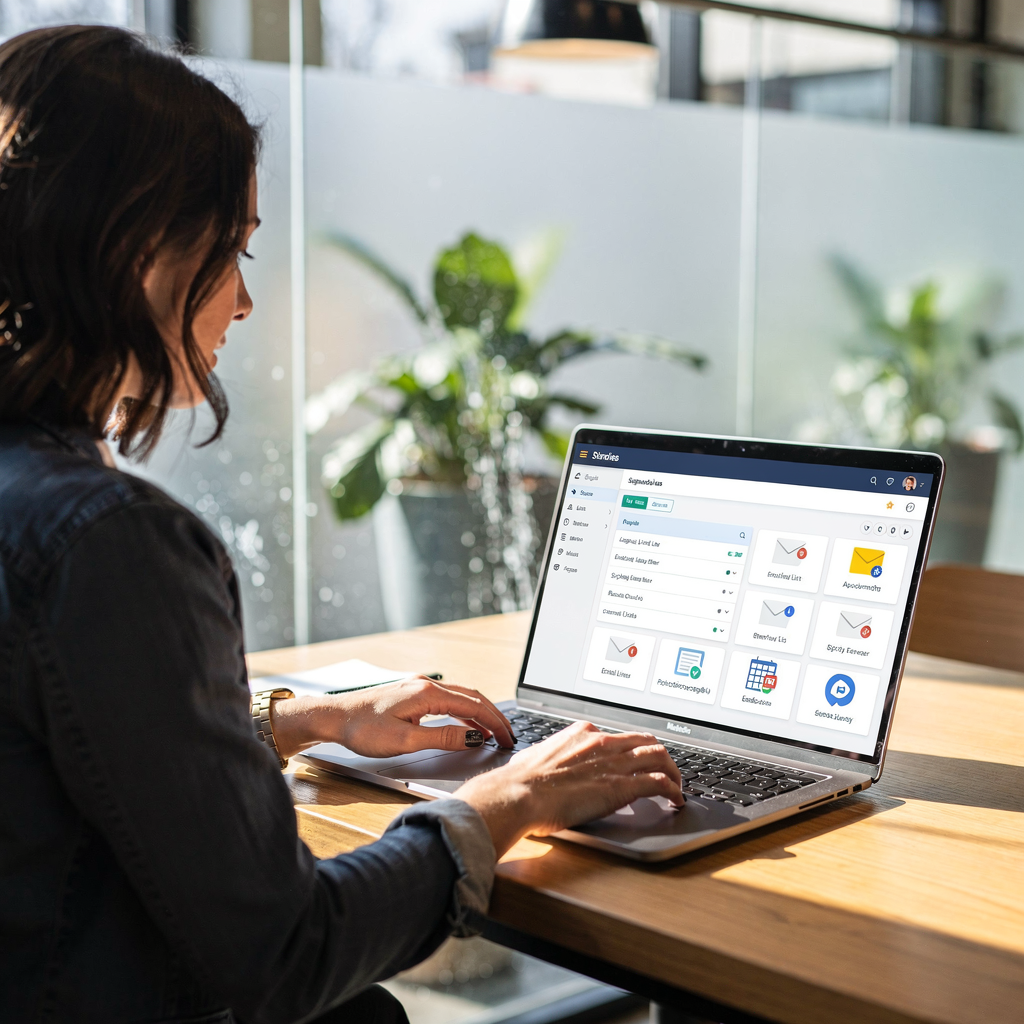
AI can handle the shared inbox and triage incoming message types automatically. First, it classifies inbound mail into categories such as payments, complaints, maintenance, and general enquiries. Then, it flags urgent items for immediate attention. This inbox triage reduces message loss and prevents duplicated work. In practice, AI agents understand intent and urgency, label threads, and attach context so the right person sees the right note. virtualworkforce.ai emphasizes that this removes manual lookup and speeds up replies by turning unstructured email into a structured workflow.
For managers, AI integrates into everyday workflows. It can auto-assign tasks to team members, create reminders, and escalate unresolved items. In that way, the manager keeps oversight while routine tasks are automated. Also, AI can draft replies grounded in operational data such as community documents or account balances. That reduces errors and helps the team maintain an appropriate tone when answering resident inquiries. Community association managers and property managers gain clarity about who owns each thread, so accountability improves.
SLA improvements are measurable. Reduced first-response times and fewer lost messages raise responsiveness. Boards can measure average response time and track resolution rates. Furthermore, using AI helps to document conversation history automatically, which supports audits and compliance. Note that AI does not replace board decisions or sensitive judgement. Instead, it reduces repetitive load so human leaders can focus on strategy and dispute resolution. Managers handle the exceptions with context already attached, which makes escalation faster and less stressful.
To start, pilot AI on one email type, like payment reminders. Then expand to maintenance requests and amenity bookings. Also, ensure the system respects privacy and data security rules. For more background on automating email processes in operations, teams can read about applying AI to logistics email workflows at virtualworkforce.ai to see parallels in handling high volumes of transactional messages automated logistics correspondence. This approach helps HOA teams save time and elevate resident service.
Drowning in emails? Here’s your way out
Save hours every day as AI Agents label and draft emails directly in Outlook or Gmail, giving your team more time to focus on high-value work.
Build template and log systems to streamline workflow and respond faster
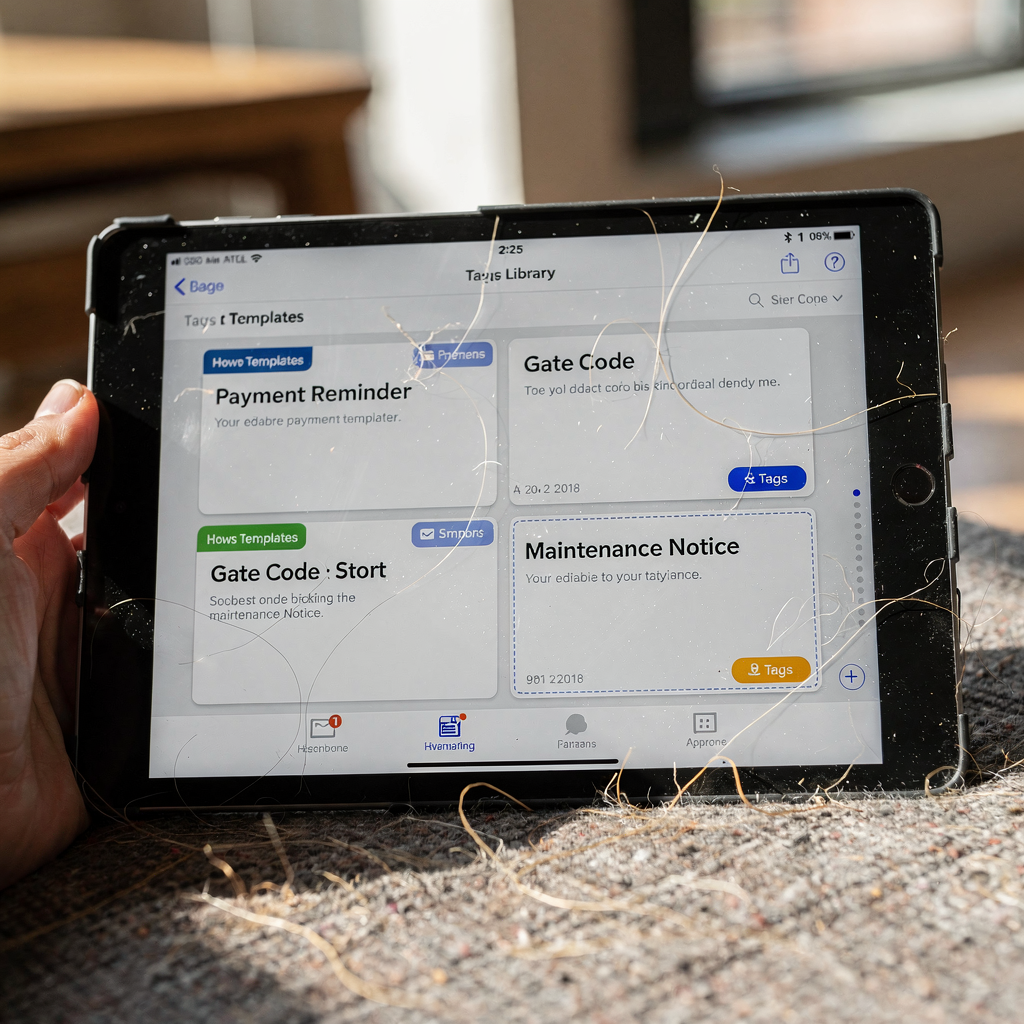
Templates speed up replies and keep messages consistent. Create short, editable templates for common inquiries: fee questions, gate codes, trash schedule, and reservation confirmation. Each template should include personalization tokens so messages feel specific to the homeowner. For instance, use first name, property unit, and next amenity reservation date to personalize replies. Keep a small library and review templates every quarter to keep language current and accurate.
Logs are equally important. An automatic conversation history stored per residence creates an auditable trail. The log includes timestamps, tags, and actions taken. That record helps when residents call or email about the same issue weeks later. Linking templates to action steps improves throughput: send a reminder → create work order → log resolution. This workflow reduces repeat inquiries and helps community managers track service requests and maintenance requests from first contact to close.
Practical tips include: keep templates short and clear, customize tone for different audiences, and ensure templates link to the portal for documents or payment pages. Use a homeowner digital assistant to surface account balances or amenity bookings within a reply so residents get answers quickly. Also, connect templates to vendor or service request systems to automatically notify contractors when a work order is created. That integration reduces manual handoffs and improves speed.
Finally, use analytics to spot trends. Which templates get edited most? Which messages trigger follow-ups? Use the answers to refine wording and process. For teams looking to automate more of the email lifecycle, explore how virtualworkforce.ai drafts replies grounded in operational systems and pushes structured data back into workflows, which turns email into repeatable work rather than ad-hoc effort virtual assistant logistics.
How hoas can leverage ai to elevate communication strategy and community trust
Segmentation strategy is the cornerstone of better HOA communication. Build segments for owners versus tenants, buildings, blocks, and interest groups. Next, tailor messages to those segments to reduce clutter. For example, amenity availability notices should go only to regular users of a facility. This approach simplifies outreach and helps build trust because residents receive fewer irrelevant messages.
Two-way engagement matters too. Use surveys and reply prompts to collect feedback and show you act on it. Platforms with resident feedback tools report a 15–25% improvement in satisfaction when results inform decisions Leveraging Resident Feedback Platforms. Also, measure open and click rates to see what topics matter. Track response rate, issue resolution rate, and resident satisfaction to prove impact.
Metrics guide strategy. Monitor open rate, click rate, response rate, and resolution speed. Use KPI dashboards so board members and community managers can see trends. For instance, fewer, more relevant emails often raise trust levels and reduce complaints. One industry voice put it clearly: “The key to effective HOA communication is not just frequency but relevance” HOAworks – How Technology Is Changing HOA Resident Engagement. That emphasis on relevance helps associations become more transparent and responsive.
To elevate communication, empower board members with clear reporting and let community managers act quickly on resident needs. Use AI to customize announcements, automate amenity reservations, and manage amenity bookings. Also, integrate surveys into the same system so feedback links to action. Finally, ensure data security and consent are built into any rollout. When HOAs focus on relevance and responsiveness, they build stronger resident relationships and more resilient communities.
Drowning in emails? Here’s your way out
Save hours every day as AI Agents label and draft emails directly in Outlook or Gmail, giving your team more time to focus on high-value work.
Practical ai tools and free options community managers can use
There are commercial platforms that integrate with popular HOA systems and property management suites. Look for AI-powered solutions that offer end-to-end email automation and deep grounding in operational systems. Our company, virtualworkforce.ai, provides AI agents that can draft replies inside Outlook or Gmail and push data back into ERPs and portals, which helps teams get measurable results quickly. For teams in operations, see how email automation fits logistics workflows for a comparable use case at virtualworkforce.ai/how-to-scale-logistics-operations-without-hiring/ to learn implementation patterns.
Free or low-cost starts are also practical. Use free tiers of major email platforms, canned responses in webmail, simple filters, and scheduled sends to automate basic flows. For example, create rules that label all payment messages and forward them to finance inboxes. Also, use free survey tools to collect resident feedback and simple scripts to attach responses to resident records in your portal.
When evaluating tools, use a selection checklist. Confirm data security and GDPR or local compliance. Check integration with your CRM and portal. Make sure the UI is easy for community managers and that reporting meets board needs. Test a pilot on one use case such as payment reminders or maintenance alerts before rolling out more widely. This pilot approach reduces risk and shows tangible benefits fast.
Lastly, if you need vendor guidance, look at platforms that excel at accuracy and traceability. Compare offerings that draft replies only versus those that automate the full lifecycle. For more technical comparisons and AI examples in operations, review resources about ERP email automation and logistics email drafting on our site ERP email automation for logistics. That background helps HOA teams choose systems that match their specific needs and constraints.
Measure results, log outcomes and integrate into hoa management workflow
Set KPIs and measure them regularly. Key measures include reduction in bulk blasts, engagement lift, time saved, response times, and resident satisfaction. Use the log to capture conversation history and tag threads for trend analysis. That data reveals repeat problems and peak enquiry times. Then, refine templates and segments accordingly.
Monthly reports enable continuous improvement. Run a report on response time and resolution rate, then tune templates and workflows based on findings. Also, use resident feedback to prioritize system changes. Platforms that integrate survey data with email systems report a 15–25% lift in satisfaction when feedback drives action Leveraging Resident Feedback Platforms. Track SLA improvements and display them to board members to maintain transparency.
For audits and transparency, keep a secure log of messages with timestamps and tags. That single source of truth helps when residents call or raise disputes later. It also helps property managers and community managers identify vendors or contractors who need follow-up. Finally, train staff on exceptions and escalation paths so AI handles routine tasks while humans resolve complex or sensitive cases. This balance helps the organization’s reputation and empowers teams to focus on strategic priorities while AI reduces repetitive work and helps save time.
Overall, AI elevates communication strategy when combined with clear processes and human oversight. To explore technical case studies of automating email at scale, see how similar systems have improved throughput in operations at virtualworkforce.ai/virtualworkforce-ai-roi-logistics/.
FAQ
What is an AI email assistant for HOA use?
An AI email assistant is a tool that automates the classification, routing, drafting, and tracking of email messages for an HOA. It helps community managers and board members respond faster and maintain consistent messaging while reducing manual work.
Can AI reduce the number of unnecessary HOA email blasts?
Yes. Segmentation and smarter scheduling can reduce unnecessary blasts by up to 40% How to Reduce HOA Email Blasts. That makes residents more likely to open messages and trust the board.
Will AI replace community managers or board members?
No. AI handles routine tasks and organizes the inbox so humans can focus on decisions. Managers handle sensitive issues and complex disputes where judgement matters.
How do templates and logs improve response times?
Templates provide pre-approved language for common inquiries, which speeds replies. A centralized log keeps a record of prior exchanges so staff do not repeat questions and can resolve issues faster.
Is there a low-cost way to start using AI for HOA emails?
Yes. Start with free tiers of email platforms, canned responses, filters, and scheduled sends. Then pilot a single use case like payment reminders and expand once you see results.
What metrics should a board track after deploying AI?
Track open rate, click rate, response time, issue resolution rate, and resident satisfaction. These KPIs show whether communication strategy is improving and where to refine templates or segments.
How can AI help with maintenance requests?
AI can classify maintenance requests, create work orders, notify vendors, and log resolution steps. That reduces manual handoffs and improves contractor follow-up.
Are resident surveys useful when using AI for communication?
Yes. Surveys close the loop by collecting feedback and showing action. Platforms that integrate feedback often report 15–25% improvements in satisfaction when insights are used Leveraging Resident Feedback Platforms.
What security checks should HOAs do before deploying AI?
Confirm data access rules, encryption, and local compliance. Ensure IT can define governance and approve integrations with ERP or portals before launch.
How should an HOA start a pilot project for AI email automation?
Pick a single high-volume use case like payment reminders or amenity reservations. Run the pilot for 30–90 days, measure KPIs, and refine templates and escalation rules before wider rollout.
Ready to revolutionize your workplace?
Achieve more with your existing team with Virtual Workforce.