


How ai and ai agent transform customer experience in real estate ai
AI now helps real estate teams respond faster and with more context. First, modern AI agents differ from scripted bots. They use natural language processing and generative AI to interpret complex questions. Then they assemble answers from multiple data sources. This produces human-like replies and continuous learning. A Stanford course notes that “AI agents are not just automating routine tasks; they are augmenting human capabilities by providing real-time, data-driven insights” Stanford. As a result, response times fall and service quality improves.
Second, these systems offer practical benefits. They provide round-the-clock support and can provide instant responses to common property inquiries. They pull property details, photos and neighbourhood information into single replies. They also use market signals to personalise recommendations for buyers and renters. For example, an AI agent can answer initial enquiries, triage the lead, schedule a viewing, and then hand context to a human real estate agent so the conversation continues smoothly. This pattern helps real estate ai projects show measurable gains. Field studies report up to a 30% boost in customer satisfaction and marked reductions in repetitive work Stanford.
Third, trust matters. Sixty-five percent of customers say they trust businesses that use AI technology, which supports adoption across brokerages and portals Forbes Advisor. Real estate ai agents can transform how buyers and sellers find information. They act as a virtual assistant on listings pages. They speed replies and organise followup. For agents and brokers, this reduces time on low-value tasks and lets humans focus on negotiations and relationships. Finally, when you design AI to surface context and hand off clearly, customers gain a more consistent, personalised service experience.
ai-powered use cases: listing, scheduling and followup for real estate agents use
First, AI-powered workflows can create and enrich listing content. An ai chatbot or a generative module can draft property descriptions from structured data and photos. Then, a human reviews and publishes the listing to ensure accuracy and compliance. Property descriptions gain consistency and speed. Virtual staging and automated media tagging speed marketing. A clear benefit is that teams free time for showings and negotiation.
Next, scheduling and calendar sync reduce friction. An AI voice agent or chat widget can propose available slots, confirm property viewings, and send calendar invites. It can also attach virtual tour links and provide property tours by automation. This helps real estate professionals manage more viewings with less effort. In practice, many platforms report that chatbots can handle a large share of initial enquiries, lifting lead generation without adding staff.
Then, followup is where conversion improves. Automated followup messages remind prospective buyers about upcoming showings. They also ask qualifying questions and share relevant listings. With timed sequences, followup increases the chance to engage potential buyers. For example, a mid-sized agency used automated messages to improve viewing-to-offer rates. The AI handled confirmations and rebookings without human intervention. Still, best practice keeps a human in the loop for pricing, negotiations and sensitive client requests.

Finally, integrations matter. Calendar APIs, listing databases and CRM connectors let the system populate fields automatically. For teams that want to automate listings and scheduling, the ability to integrate with your existing tools is essential. For practical guidance on operational email and workflow automation in related industries, see how a virtual assistant can automate inbox work for logistics teams virtualworkforce.ai virtual assistant for logistics.
Drowning in emails? Here’s your way out
Save hours every day as AI Agents label and draft emails directly in Outlook or Gmail, giving your team more time to focus on high-value work.
Lead qualification and crm: ai agents for real estate automate lead qualification and crm workflow
AI can automate lead capture and qualification at scale. First, a chat prompt or embedded form collects basic details. Next, the AI asks tailored questions to surface intent and urgency. Then it scores the lead using behavioural and demographic signals. High-score leads are routed to agents and brokers for immediate contact. Lower-score leads enter nurture sequences. This speeds qualification and reduces manual data entry.
For example, a property portal used an AI funnel to tag and score incoming enquiries. The system pushed qualified records into CRM and attached conversation transcripts. As a result, response times dropped and agent performance rose. Industry reports show that faster qualification can improve speed to contact by up to roughly 50%, which directly affects conversion rates Stanford.
Implementation requires clear rules. Define which fields the AI must capture and what score triggers a handoff. Set SLAs for human follow-up. Also, ensure you obtain consent and secure data flows. For a practical template on automating email and CRM tasks in operational teams, review automated logistics correspondence and integration approaches automated logistics correspondence.
Finally, this approach helps real estate agents use data for faster decisions. AI reduces repetitive transcription and flags hot leads. This allows humans to focus on high-value conversations. If you are implementing an AI qualification engine, start small. Pilot on one channel and measure metrics such as time-to-contact, lead-to-appointment ratio and close rate. With careful governance, the system will enhance client outreach while protecting privacy and quality.
Key features and ai tools: what every real estate team should leverage for market analysis
Start with a shortlist of key features to prioritise. Your stack should include a conversational interface, multi-source data enrichment, lead scoring and scheduling. Add analytics dashboards and comparable sales modules for market analysis. These features let teams produce timely valuation insights and tailored recommendations to buyers and sellers. For teams that need help with email-first workflows, explore practical integrations used in logistics operations to see comparable patterns of data grounding and accuracy how to improve logistics customer service with AI.
Next, consider ai tools that speed up content and insights. A listing generator produces consistent property descriptions at scale. An AI module for comparable sales flags price movements and supply trends in the real estate market. This provides agents and clients with provide detailed local intelligence. Use alerting to notify teams of rapid price changes or new comparable sales. These signals help agents to advise clients with confidence.
Then, plan your integrations. The ability to integrate with property management systems, MLS feeds and CRM is non-negotiable. Choose components that integrate with your existing systems seamlessly. A combined stack — conversational AI, CRM plugin and analytics module — gives the best balance of speed and accuracy. Track ROI metrics such as conversion rates, time-to-contact and operational costs saved. These KPIs show the real value of automation for every real estate firm.
Finally, design governance. Specify data sources and quality checks. Define review rules for generated listings to avoid errors. With those controls, advanced AI will help teams scale while keeping accuracy high and service quality consistent.
Drowning in emails? Here’s your way out
Save hours every day as AI Agents label and draft emails directly in Outlook or Gmail, giving your team more time to focus on high-value work.
Automation, workflow and ai-powered real estate followup to improve customer experience and agents use
Automation can streamline the full customer journey. Typical workflows capture leads, qualify them, nurture interest, schedule property viewings and then hand complex matters to humans. A clear automation plan reduces manual tasks. It also improves consistency in followup. Studies show automated followup sequences can increase retention of leads by 30–40%. Therefore teams that automate routine outreach see higher engagement and better conversion.
Use AI to draft and route messages grounded in your data. For example, virtualworkforce.ai automates the full email lifecycle in operations, cutting handling time and keeping context across threads virtualworkforce.ai example. In real estate, the same pattern applies. AI agents can create structured replies to property-related enquiries and push structured data back into systems. This approach reduces errors and improves handoffs.
Next, define escalation rules. AI agents can handle confirmations and simple questions without human input. But escalate when a negotiation, legal query, or compliance check appears. This keeps human talent focused where it adds value. Agents to focus on offers and relationships, while AI manages repeatable tasks. For followup, craft personalised messages that reference the last conversation and suggest next steps. Personalised service wins trust.
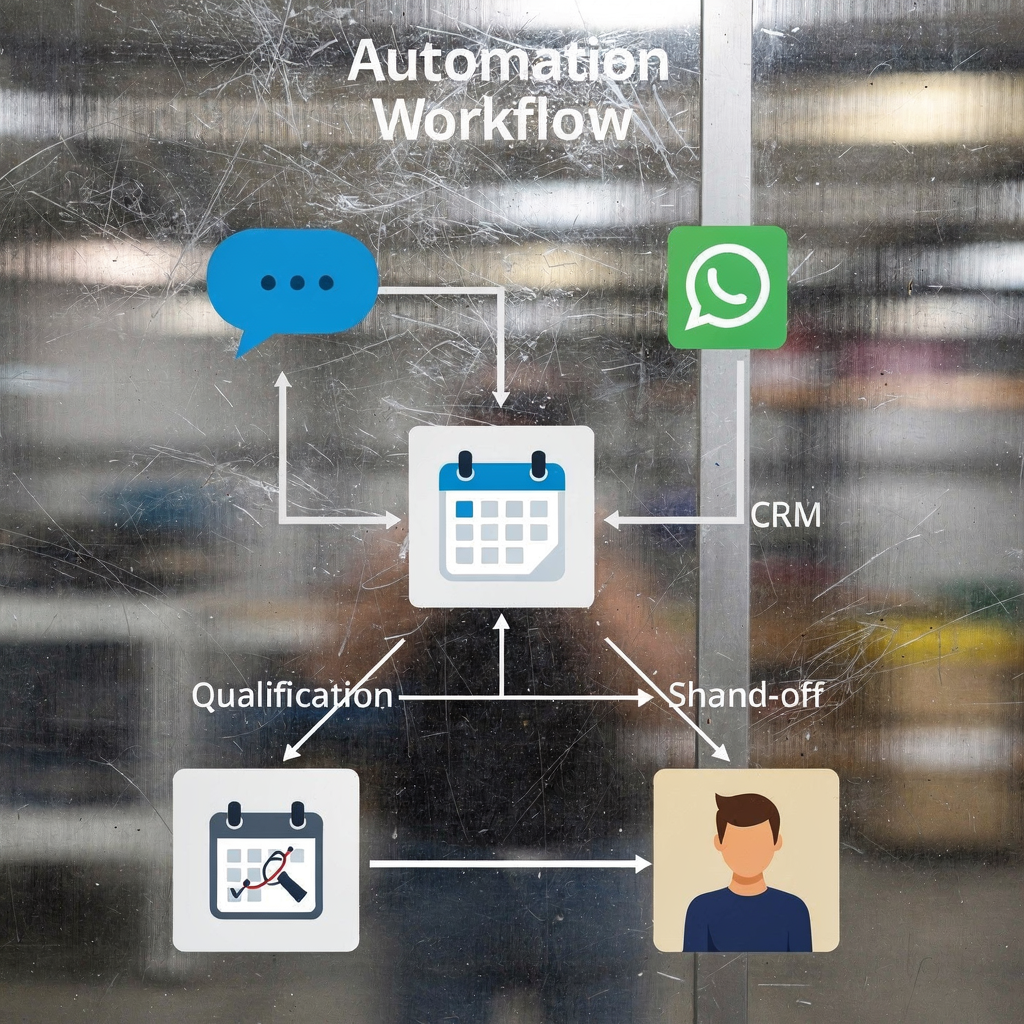
Finally, monitor operational risks. Watch for bias in scoring and fix data quality issues quickly. Avoid over-automation that feels impersonal. Instead, use AI to streamline processes so agents can close more deals and improve customer experience. Keep human review checkpoints and regular audits to ensure the system behaves as intended.
Frequently asked questions and asked questions about real estate ai agents, use cases, risks and how to leverage in practice
Start with a short FAQ and a practical rollout checklist. First, pilot on one channel such as chat plus scheduling. Next, connect to CRM and measure KPIs for 90 days. Finally, iterate based on real metrics. This roadmap helps teams reduce risk and increase adoption.
Also, track the right metrics. Measure time-to-contact, viewing-to-offer ratios, conversion rates and operational costs. These KPIs show whether the investment improves service quality and agent performance. For teams moving from receptionist tasks to strategic work, AI reduces response burden and makes staff more productive.
For legal and privacy questions, ensure consent and robust data governance. In regulated markets, confirm data flows and retention policies. With proper controls, AI-powered tools can handle routine property inquiries without human intervention. They can also provide real-time property alerts to clients who opt in. Use vendor evaluations to confirm the ability to integrate and to provide seamless integration with your existing platforms.
Finally, an implementation checklist helps. Include a compliance review, staff training, escalation flows, performance monitoring and a feedback loop. With those pieces in place, every real estate team can leverage AI to improve customer experience and to engage potential buyers more efficiently. If you want examples from adjacent industries that show how email automation scales operations, review guidance on how to scale logistics operations with AI agents scale logistics operations.
FAQ
Are AI agents trustworthy for handling property inquiries?
Many customers trust AI-enabled services. For instance, research shows about 65% trust businesses using AI technologies Forbes Advisor. Still, trust depends on transparency, consent and accuracy. Always disclose when a customer interacts with an AI and provide an easy path to a human.
Can AI replace real estate agents?
AI is designed to augment agents, not replace them. It automates repetitive work so real estate agents can focus on high-value tasks. Complex negotiations and relationship building remain human strengths.
How does lead qualification with AI work?
AI asks qualifying questions, scores leads and routes hot prospects to humans. It reduces manual data entry and speeds up contact. This process improves time-to-contact and can boost conversion rates.
What privacy safeguards are needed when using AI?
Implement consent mechanisms, encrypted data flows and clear retention policies. Also, document which systems the AI accesses, such as property management systems, and limit access by role.
Which KPIs matter for an AI pilot?
Track time-to-contact, viewing-to-offer ratio, conversion rates and operational costs. Also monitor customer satisfaction and agent performance to measure business impact.
How do I start implementing an AI in my agency?
Begin with a small pilot on chat plus scheduling. Integrate with CRM and measure KPIs for 90 days. Then expand based on results and user feedback.
What types of use cases suit AI best?
AI excels at handling initial enquiries, drafting property descriptions, scheduling property viewings and automated followup. It also supports market analysis and lead generation.
Will AI improve customer satisfaction?
Yes, when designed correctly. Studies show AI can increase customer satisfaction scores by up to 30% in support settings Stanford. Personalised service and faster replies help greatly.
Do AI systems handle complex legal or compliance questions?
No, they should not handle complex legal matters alone. Set escalation rules so humans manage compliance checks and contract negotiation. Use AI for triage and context assembly.
Where can I read more about operational email automation that relates to real estate workflows?
Explore how virtual teams automate email lifecycles to save time and improve consistency. For a detailed example from logistics, see virtualworkforce.ai resources on email automation and scaling operations virtual assistant for logistics, AI for freight forwarder communication and automated logistics correspondence.
Ready to revolutionize your workplace?
Achieve more with your existing team with Virtual Workforce.