


ai-powered: automate bookings and tenant communications
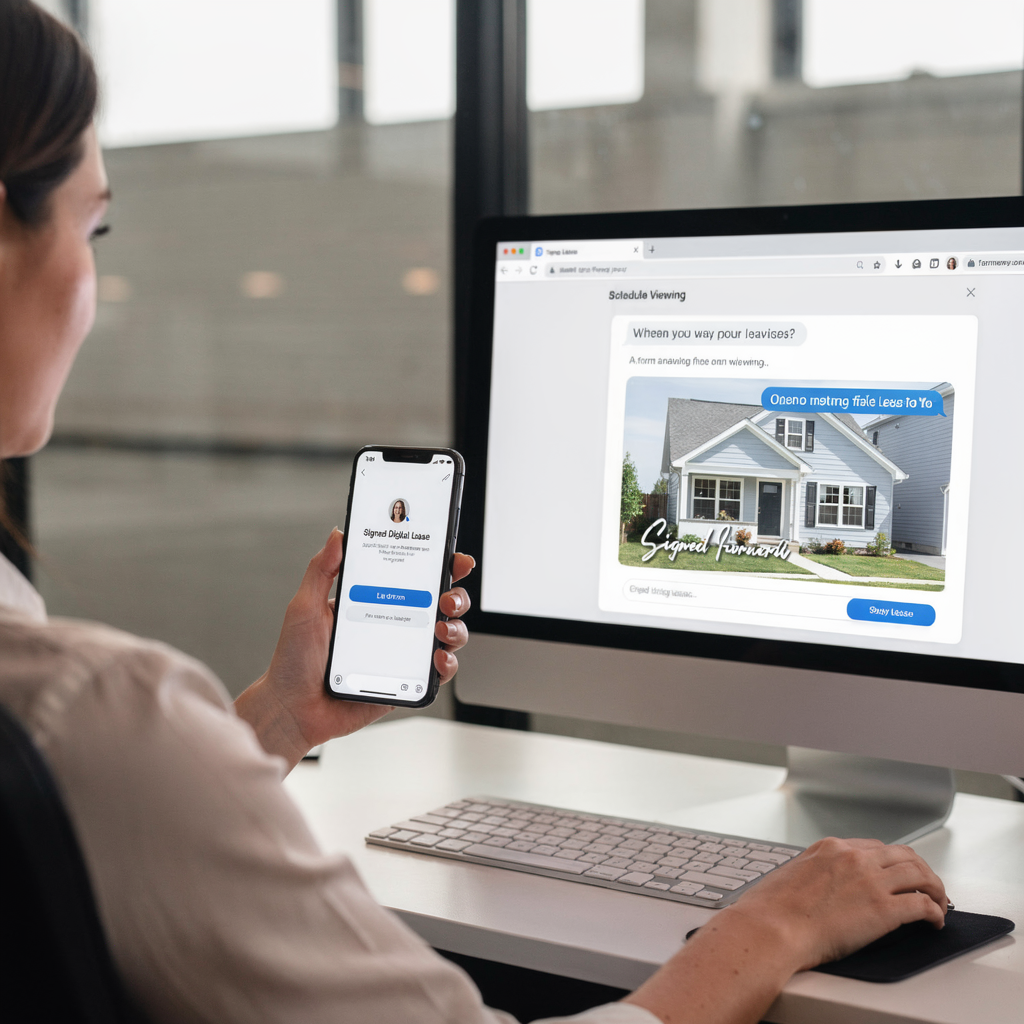
AI helps co-living operators capture leads, schedule viewings, and reply to tenant questions without delay. In practice, an AI chat assistant handles first contact, books a viewing, sends reminders, and pushes a digital lease link in one automated workflow. This reduces repetitive followup while teams focus on exceptions. Platforms now combine messaging with listings, calendar and payments so that bookings close end-to-end. For example, CRM research shows AI leasing systems can lift lead conversion by about 25% (source). That statistic matters when you need to convert more leads efficiently.
Start by defining use cases. First, deploy an AI assistant to triage inbound queries across email, web chat and whatsapp. Next, connect your property management software and calendar so the bot can display availability and confirm a viewing time. Then, add digital payments and e-signing to finish the booking flow. The result is a single workflow that reduces manual handoffs and streamlines move-in planning. Operators using AI also provide 24/7 responses, which meets resident expectations for instant replies.
Actionable checklist for vendor evaluation: verify multi-channel messaging and CRM sync, confirm data privacy and compliance, test SLA for escalations, and check integration with listings and payments. Also ask for sample reporting that shows reduced time-to-lease and fewer abandoned queries. If you want a deeper operational example, read how AI improves service workflows in logistics and customer service for a similar playbook how to improve customer service with AI. Finally, if your operations involve heavy email volume, consider tools that automate the full email lifecycle to reduce handling time per message automate email workflows. These integrations help modern coliving offerings deliver self-service options and faster replies while keeping a human in the loop for complex cases.
automation: predictive maintenance, amenity scheduling and energy optimisation
Predictive maintenance and automated amenity scheduling cut cost and downtime. AI systems ingest IoT sensor feeds, helpdesk tickets, and PMS records to predict failures and prioritise work. Operators can set rules so low-severity alerts create self-service suggestions, while higher-severity events create a vendor task. Reports indicate automation programmes can raise operational efficiency materially; some projects show up to a 30% time saving for routine maintenance (source). That kind of gain reduces reactive work and improves service quality for residents.
Practical steps are straightforward. First, list data sources: IoT sensors for HVAC and water, PMS for bookings, and the helpdesk for maintenance updates. Second, define rules: severity thresholds, SLA windows, and vendor routing logic. Third, keep a human in the loop for unusual cases and warranty disputes. This mix keeps automated triage fast while preserving oversight, and it supports leaner teams without sacrificing quality.
Suggested KPIs include mean time to resolution, share of reactive versus planned maintenance, and cost per service call. You should also track resident satisfaction and churn after major fixes. For integration, map your systems and prioritise APIs that deliver real-time signals. If you need an example of end-to-end automation that reduces manual email work, explore execution patterns used by operations teams virtual assistant examples. Remember to apply data-driven rules for shared amenities so bookings optimise community use rather than block access. Finally, include energy optimisation: AI can throttle non-essential systems during low occupancy windows to save on utilities. These steps make maintenance and amenity flow predictable and cheaper, and they support thriving communities that expect fast maintenance updates and reliable shared amenities.
Drowning in emails?
Here’s your way out
Save hours every day as AI Agents label and draft emails directly in Outlook or Gmail, giving your team more time to focus on high-value work.
co-living operations: occupancy optimisation, pricing and data-driven decisions
AI can forecast demand and set dynamic pricing by room types and lease length. The global AI market in real estate is growing rapidly, which fuels better yield management and fewer vacant nights (source). Operators using predictive models see more accurate forecasts and improved occupancy performance. Use seasonality, local events, and lead velocity as inputs so models read market signals. Then apply safe pricing rules to avoid sudden jumps that confuse prospects.
To validate models, run simple A/B tests. Pick a cohort of rooms and compare revenue and booking lead time against a control group. Monitor conversion by channel, and adjust rules for long-term stays and flexible rental products. Feed data from listings, past bookings, and local market indicators into the model. Also import signals about student housing cycles if you manage campuses. These inputs raise forecast quality and reduce vacant nights.
Operational metrics to monitor: occupancy rate targets, average booking lead time, and conversion by channel. Use small pilots first and scale when forecasts show consistent uplift. For operators using AI to manage rates, ensure audit trails for pricing changes. You can also leverage analytics dashboards to spot trends and to align leasing and operations teams. If you want practical guidance on scaling automation without hiring, see case studies that describe stepwise rollout and measured ROI how to scale operations without hiring. By testing incrementally, you protect revenue while you refine forecasting and pricing rules to optimise yield across room types and seasons.
resident experience: ai assistant, ai-powered community and thriving communities
AI tools personalise resident communications and recommend community events based on interests. Surveys show strong resident acceptance for helpful AI features that improve guidance and support in shared living (source). An AI assistant can guide move-ins, share house rules, and suggest roommate matching for long-term stays. It can also send onboarding sequences that reduce confusion about wi-fi and key collection, which makes the move-in date smoother for the renter.
Example features include tailored event invites, sentiment monitoring to flag engagement drops, and automated onboarding that covers everything from payment setup to house rules. These features increase resident engagement and tenant satisfaction. For privacy, add a clear opt-in and a concise privacy notice. Offer residents control over data sharing and let them choose self-service or human followup for sensitive topics.
Practical checklist: publish a privacy notice, build opt-in flows, implement simple personalisation rules, and define escalation paths for community managers. Also track resident engagement and event attendance to measure impact. If your property manager team wants to reduce manual outreach, consider an ai-powered community assistant that curates invites and automates RSVP handling. This approach helps modern coliving offerings create a sense of belonging while keeping privacy transparent. Finally, note that personalised offers and better onboarding lower churn and raise tenant satisfaction, which supports thriving communities over the long term.

Drowning in emails?
Here’s your way out
Save hours every day as AI Agents label and draft emails directly in Outlook or Gmail, giving your team more time to focus on high-value work.
operational efficiency: operators using ai-driven solutions to automate lease, viewing and move-ins
End-to-end automation links marketing, viewings, lease signing and move-ins into a coherent workflow. AI-driven email and chat automation handle initial queries, confirm viewing times, generate lease documents, and coordinate logistics. This reduces admin time so teams can focus on resident engagement and high-value tasks. Teams that adopt these flows free up staff to run community events and improve service quality.
Begin with a process map. Identify repeatable handoffs such as inquiry to viewing, viewing to lease, and lease to move-in. Select AI modules—chat, scheduling, document automation—and pilot them in a single building. Measure time from lead to move-ins and staff hours per lease. Keep human oversight at decision points, such as credit checks and identity verification. That preserves safety while you gain speed.
Rollout KPIs should include time from lead to move-in, staff hours per lease, and error rates in paperwork. Also monitor customer interactions and resident experience scores after move-ins. If your operations rely heavily on email, a solution that automates the full email lifecycle can dramatically reduce handling time and create structured data from unstructured messages email automation for operations. When you pilot, set a clear escalation rule so complex tenant queries are routed to humans with full context. This keeps response quality high while you scale execution at scale across multiple houses or buildings.
integration: operators should leverage ai runs execution but keep human oversight (handled by ai where safe)
Integration is the common barrier to value. APIs and middleware lower time to value, but governance is critical for resident trust. Map your tech stack, including PMS, CRM, access control and accounting. Then define consent flows and logging so every automated decision has an audit trail. Data minimisation and vendor security checks are non-negotiable when you handle resident data.
Risk and compliance points include clear opt-in, logging for automated decisions, and vendor security assessments. Also ensure you can explain key decisions to residents and regulators. For example, keep a human reviewer for credit decisions or eviction-related actions. That balances speed with fairness.
Final checklist: create a tech stack map, publish a governance policy, set a pilot timeline, and choose metrics to prove ROI. Track operational efficiency and resident experience paired with privacy metrics. When choosing vendors, verify they support seamless integration and that they document audit trails. Explore how AI can automate execution while retaining human oversight, and consider tools that automate email workflows so queries resolve faster and with fewer errors ROI examples for email automation. Good integration enables a secure, data-driven co-living property that scales without increasing headcount and still supports high service quality.
FAQ
How can AI improve lead conversion for co-living properties?
AI can automate first contact, answer FAQs, and schedule viewings instantly. Studies show AI leasing systems can lift lead conversion by around 25% (source), which helps convert more leads without increasing headcount.
What data should I connect for predictive maintenance?
Connect IoT sensor feeds, your property management system, and helpdesk tickets. These sources let AI predict failures, prioritise work, and reduce reactive maintenance.
Is resident acceptance of AI high in shared living?
Yes. Recent surveys report that a large majority of residents are comfortable with AI features that offer useful guidance and support (source). Transparency and opt-in flows increase trust.
How do I keep human oversight while automating tasks?
Define escalation rules and keep humans in final decision steps like credit checks. Use audit logs and data minimisation so staff can review automated decisions quickly.
Can AI manage pricing across room types?
AI forecasts demand by season, events, and lead velocity to set dynamic pricing by room types. Start with small pilots and safe pricing caps to avoid sudden changes for prospects.
What KPIs should operators track after automation?
Track time from lead to move-in, mean time to resolution for maintenance, staff hours per lease, and resident satisfaction. These metrics show efficiency and service quality.
How do I evaluate AI vendors for leasing workflows?
Check for multi-channel messaging, CRM integration, compliance features, and SLA for escalations. Ask for case studies that show reduced time-to-lease and fewer abandoned queries.
Does integration with existing systems take long?
Integration can be quick with APIs and middleware, but governance planning adds time. A clear tech stack map and pilot plan shorten the path to value.
What privacy steps are essential for resident-facing AI?
Publish a privacy notice, use opt-in flows, minimise stored data, and log automated decisions. These steps protect residents and reduce regulatory risk.
Where can I learn more about automating operational email workflows?
Explore examples of AI that automate the full email lifecycle to reduce handling time and improve consistency. See practical implementations that connect ERP and email for operations automated correspondence.
Drowning in emails?
Here’s your way out
Save hours every day as AI Agents label and draft emails directly in Outlook or Gmail, giving your team more time to focus on high-value work.