


AI assistant will transform senior living with real conversations and stronger human connections.
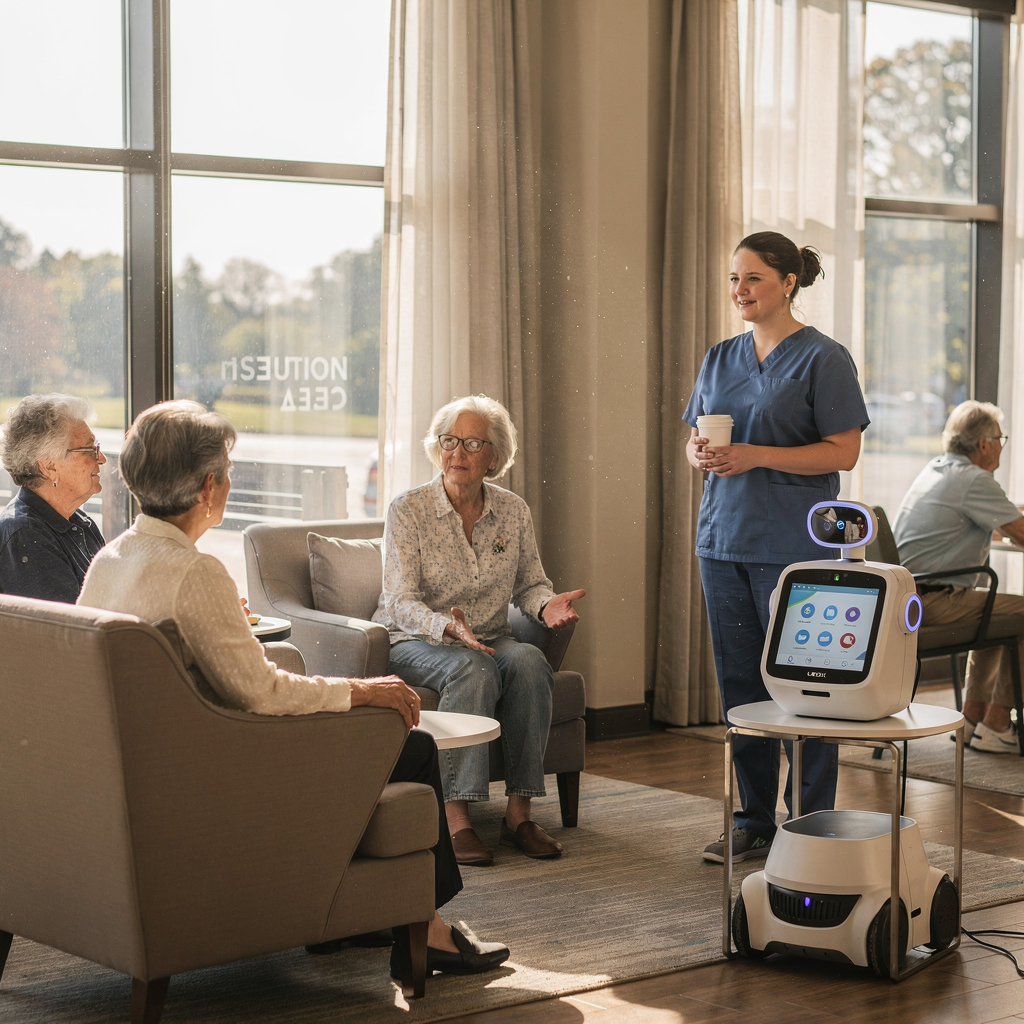
AI will transform how residents interact with staff and family. For residents the change matters because conversational AI reduces loneliness and supports routine tasks. For example, trials in 2024–25 reported improved engagement and mood for many users, and researchers noted that “AI assistants can reduce feelings of loneliness and cognitive decline by providing interactive engagement and mental stimulation” (ACM review). Also, conversational designs let operators provide a personalized touch and ensure that human caregivers remain central. In practice, an AI companion can prompt a resident to join a group activity. Then it can trigger a video call to a family member. Next, staff see a log of the interaction in a care record. In this way the resident gains a sense of agency, while staff gain context and time savings.
Staff value tools that fit into existing workflows. Our team at virtualworkforce.ai often sees repetitive communications clog staff time. Therefore automating those messages can free time for direct care. For example, an AI that drafts followup messages about appointments or test results speeds response and keeps families informed; see our guide on how to improve customer communication with AI for parallels in operations. In a senior setting the same pattern applies. Residents get faster replies. Families get reassurance. Staff focus more on the human touch.
Design matters. Systems must personalize prompts, respect consent, and allow family overrides. A simple interface can help older adults trust a device. Indeed, a 2025 study found that “older adults appreciate AI’s potential to support independence but emphasize the need for transparent, user-friendly interfaces” (JMIR 2025). As a result adoption rises when the vendor provides clear setup, family controls, and visible privacy choices. Finally, for marketing and admissions teams, conversational AI can also qualify prospects and schedule a tour with minimal staff input. This reduces friction at move-in and keeps focus on resident wellbeing.
Senior care becomes safer with ai-powered fall alerts and continuous monitoring.
Safety gains drive investment. AI-powered fall alerts and continuous monitoring cut emergency visits in many trials. Studies show reductions often quoted around 25–30% in avoided hospital visits when monitoring systems run in the background (StoriiCare summary). Sensors and wearables watch movement. Machine learning models detect changes in gait and risk. Then the system can immediately alert staff or emergency services. This chain shortens response times. As a result outcomes improve for residents who live independently or in assisted living.
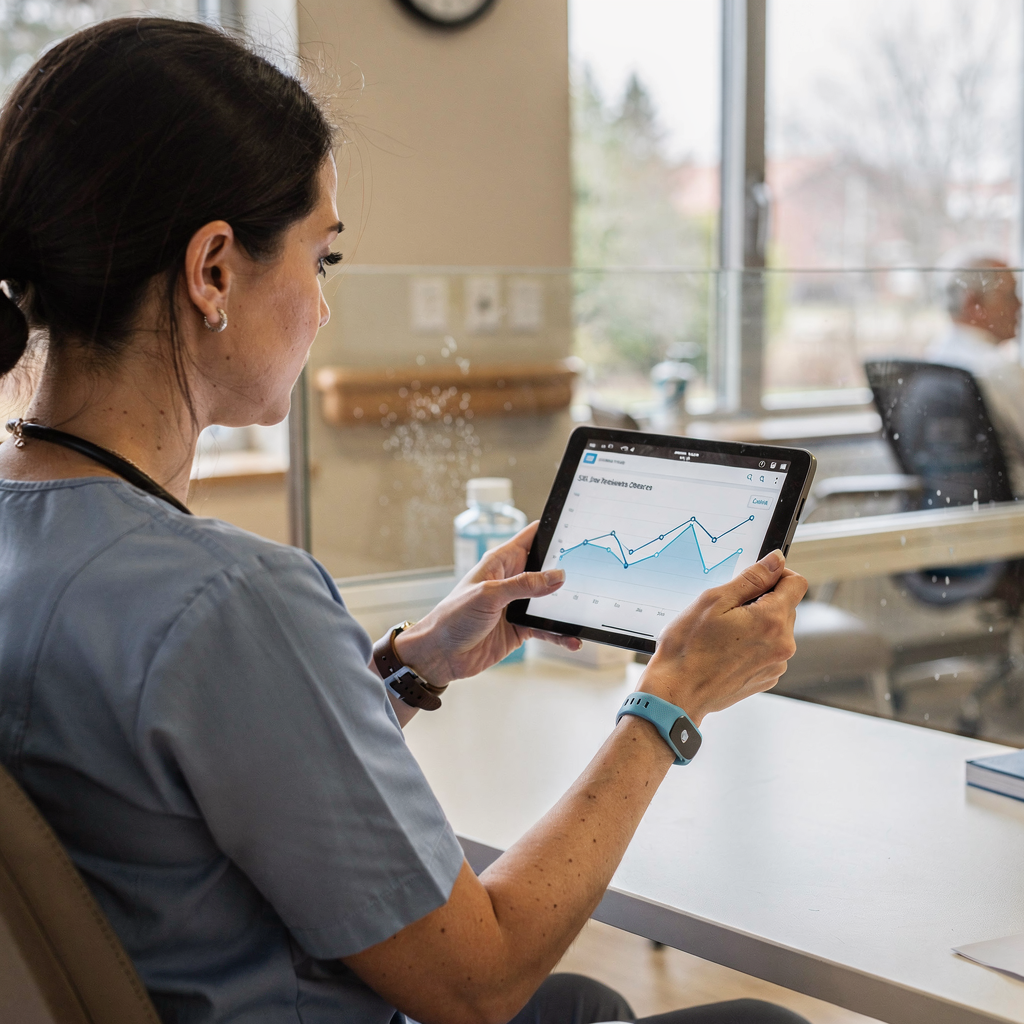
The tech mix includes wearables, ambient sensors and smart analytics. Managers use sensors to detect falls, wearable heart-rate monitors, and smart home motion detectors. The system analyses movement patterns and sleep patterns. It flags anomalies and sends an alert with a sense of urgency. For example, where fall risk trends rise the platform can suggest more frequent checks or a physical therapy referral. In trials this predictive approach not only detects events but helped prevent them.
For operators clear KPIs matter. Track falls per 100 residents. Track response time to alerts. Track avoided hospital trips. Also monitor health metrics and daily routines so staff spot slow decline earlier. Where appropriate, integrate alerts with email workflows and escalation rules. Our platform work with operations teams shows that automated, grounded messages reduce triage time. For a related look at enterprise email automation, see our piece on automated logistics correspondence. Finally, plan pilots with clear outcome measures so you can measure direct impact and adjust thresholds without disrupting care.
Drowning in emails?
Here’s your way out
Save hours every day as AI Agents label and draft emails directly in Outlook or Gmail, giving your team more time to focus on high-value work.
Senior living communities trust grows when AI tools personalise medication, memory prompts and schedules.
Trust hinges on clarity and results. Many seniors welcome smart reminders when systems protect privacy and stay simple. Around 65% of older adults expressed willingness to use AI-driven health technologies if privacy and ease of use are ensured (JMIR 2025). Therefore designers must personalize timing, tone and notification channels. Systems should allow family or staff to override reminders and to review the history. Medication reminders should include the option to confirm intake. Likewise, calendar prompts should let the resident accept or decline with a single tap.
Good design also supports memory care and dementia care. In memory care programs staff often use spaced cues and simple choices. An AI that offers cognitive support can cue a resident to dress, eat, or attend therapy. For people with dementia the prompts must be gentle and context aware. In addition, alerts should route to human caregivers with clear context when behaviour changes. That keeps the human touch at the centre of care.
Operationally track medication adherence rate, weekly interaction with reminders, and decline in missed doses. Use these KPIs to justify budgets and to refine workflows. Also ensure consent, data minimisation, and staff access control. For email-based followups and clinical communication our experience shows rules and templates reduce error. See how teams scale operations without added hires in our article on how to scale operations without hiring. Finally, keep interfaces simple so older adults feel confident. That means large text, voice options, and clear confirmation prompts for each action.
ai in senior living — practical examples like elliq show how AI solutions support social and cognitive needs.
Real products illustrate what works. ElliQ, a social companion robot, has been used in homes and communities to provide prompts, entertainment and easy video calls. Trials report higher engagement and more frequent family contact when residents use such devices (review). For operators the strength lies in proactive prompts, personalised suggestions and seamless integration with care teams. An AI companion that suggests a morning walk or invites a resident to a music session can boost mood. Then it can log the interaction so staff see trends over time.
What works in practice? Firstly, proactive, low-friction interactions. Secondly, clear pathways to human help. Thirdly, privacy by design. ElliQ and similar solutions show that residents often prefer a light conversational interface to complex menus. For example, an elderly person might say they feel tired; the device suggests rest, tracks sleep patterns, and can immediately alert staff if metrics worsen. This ties daily tasks and cognitive support into a single flow.
Measure impact with isolation scales, cognitive engagement sessions per week, and uptake rate. Also track patient communication quality and family satisfaction. For deeper operational automation study, teams can learn from AI systems that automate complex email workflows. See our analysis of how AI agents handle operational email at scale in logistics for transferable best practice: virtual assistant for logistics. Finally, remember that devices work best when staff train, personalise and review outputs. That keeps the human caregivers in the loop and ensures the technology serves the resident, not the other way round.
Drowning in emails?
Here’s your way out
Save hours every day as AI Agents label and draft emails directly in Outlook or Gmail, giving your team more time to focus on high-value work.
Powered by AI: how operators can use ai-powered solutions and adopt a one ai approach for scale.
Operators must plan integration. A one ai approach means one central AI instance links wearables, calendars, care notes and family access. That reduces data silos. It also lowers the cognitive load on staff. Start with a focused pilot. Then expand after you validate KPIs. Train staff early. Run privacy and governance assessments. Use APIs to connect to electronic records and to existing communication platforms. This approach reduces duplicate alerts and improves escalation clarity.
Adopt clear business metrics. Calculate ROI timeline. Measure reduction in call-outs and staff time saved per month. For example, automating routine notifications and followup messages frees nursing time for personal care. In operations we have seen email handling time fall by around two-thirds with automation; that lesson applies to resident communications too. To learn more about end-to-end email automation and how it supports complex workflows, see our post on how to scale operations with AI agents.
Choose interoperable platforms that allow personalise settings and safe data sharing. Also include human-in-the-loop escalation so staff review critical alerts. Use automated templates for routine messages, but keep manual overrides for unique cases. Finally, incorporate advanced AI analytics to spot trends such as decline in mobility or changes in sleep. Those insights support care planning, therapy referral, and proactive outreach that help seniors maintain independence and quality of life.
Future of ai in senior living: ethics, trust, staff roles and measurable results for senior living communities trust.
Ethics and trust must guide deployment. Key risks include data privacy, over‑reliance on tech, bias in models and the potential erosion of human contact. To address those risks, adopt transparent data use, local data controls and clear consent flows. Keep a human caregiver review step in critical decisions. This human-in-the-loop model preserves dignity and allows staff to apply judgement when needed. For regulatory readiness include compliance checks and audit logs.
Long-term metrics should include resident quality-of-life, hospital admission reduction and family trust scores. Also track staff satisfaction and turnover because technology should reduce burnout, not add to it. Plan for model audits and for regular review of training data to reduce bias. In parallel invest in staff development so roles evolve. Staff can focus on hands-on care, while AI handles routine triage and admin tasks that can otherwise overwhelm teams.
Finally, the future of AI depends on partnership. Vendors must design specifically for elders and for memory care programs. Companies must answer questions and concerns quickly, and they must provide options for manual escalation. When vendors show direct impact through metrics and case studies senior living communities trust rises. As a result adoption grows and residents feel safer, more engaged and better supported. This future will allow seniors to keep independence, deepen human connections and receive timely care powered by AI.
FAQ
What is an AI assistant in senior living?
An AI assistant is a system that uses artificial intelligence to support residents and staff. It can provide reminders, conversational interaction, and alerts, and it can integrate with care records to improve day-to-day life.
How does conversational AI reduce loneliness?
Conversational AI offers regular interaction and prompts that encourage social activities and family calls. Researchers found that AI assistants can reduce feelings of loneliness and cognitive decline by providing interactive engagement and mental stimulation (ACM).
Do fall-detection systems really lower hospital visits?
Yes. Trials of AI fall-detection and predictive monitoring report reductions around 25–30% in emergency visits when systems run continuously (StoriiCare). These systems alert caregivers immediately and can shorten response time.
Will older adults accept AI in their care?
Many will if systems respect privacy and remain easy to use. A 2025 study reported that about 65% of older adults would use AI-driven health tools given clear privacy controls and simple interfaces (JMIR 2025).
How do operators measure success?
Key metrics include falls per 100 residents, medication adherence rate, avoided hospital trips and family trust scores. Tracking those KPIs helps justify investment and refine workflows.
Can AI in senior living replace human caregivers?
No. AI should support human caregivers by automating routine communication and by providing insights. Human staff remain essential for hands-on care and complex decisions.
What about privacy and data security?
Privacy must be central. Facilities should use local controls, clear consent, and audit logs. Vendors should publish data-handling policies and offer configurable access for families and staff.
How do products like ElliQ help?
Devices such as ElliQ provide social prompts, easy video calls and entertainment. Trials show increased engagement and more frequent family contact when residents use these companions (review).
How do I start a pilot with AI tools?
Begin small, define KPIs, and run staff training. Connect the pilot to care records and test escalation paths. Use a phased roll-out and collect feedback from residents and families.
Where can I learn about automating routine resident communications?
Look for case studies that show end-to-end automation and how it reduced staff time spent on repetitive messages. For related operational examples see our guidance on virtual assistant deployment and how to scale with AI agents without adding headcount.
Drowning in emails?
Here’s your way out
Save hours every day as AI Agents label and draft emails directly in Outlook or Gmail, giving your team more time to focus on high-value work.