


self storage: why self-storage operators adopt AI to deliver more bookings and help customers
Self storage has shifted from a back‑office, low‑touch business to an online, customer-facing market. First, occupancy pressures and online expectations push change. Second, staff shortages tighten the day-to-day capacity of a facility. Third, operators need to convert more website visits into rental outcomes. For that reason, many self-storage operators now explore AI for customer outreach and booking speed.
Data makes the case. For example, a recent survey finds that 64% of businesses expect AI to raise productivity. Also, Microsoft reports that each dollar invested in AI often returns about $4.90 in economic value. Those numbers show why the storage industry watches AI closely. Vendors like Swivl and other providers bundle chat, booking and management tools into a single software experience. Operators using these systems see faster responses and more conversions, and they often capture higher revenue per unit.
At the same time, customers expect instant answers. They want availability shown in real time, guided unit selection and easy payments. Therefore, platforms that integrate chat, payments and access control gain an edge over each competitor. This comprehensive guide explains how an assistant-driven approach speeds bookings, improves tenant onboarding, and helps customers find the right storage unit. It also covers what operators must measure to track ROI and which integrations matter most for scaling a platform for self-storage.
assistant and AI chatbots: one platform approach to make customer interactions seamless and speed booking
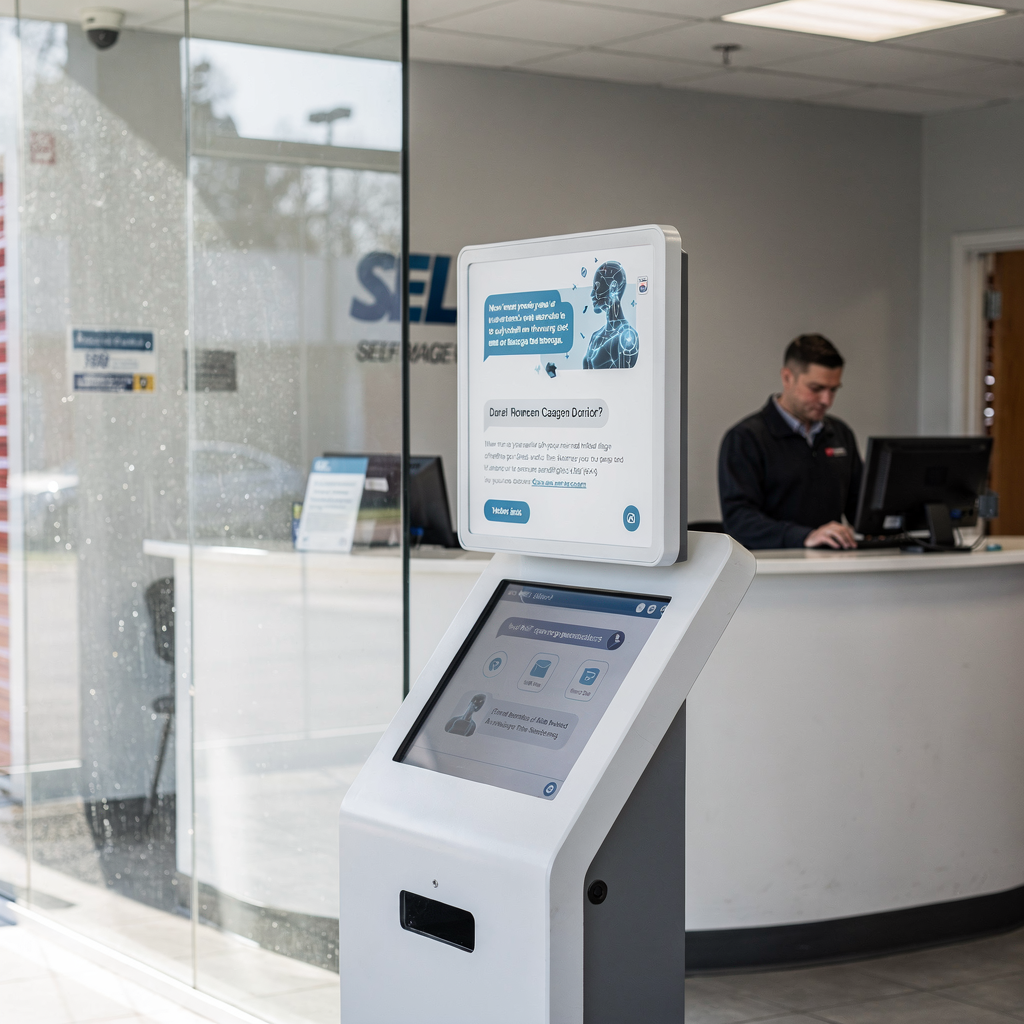
An assistant that combines AI chat and operational context reduces response time and handles many simultaneous inquiries. First, this one platform model lets a conversational AI serve as the first touch. Second, chatbots can answer basic questions, guide a prospective tenant through unit choice, and complete a booking without human handoff. Third, the result is faster ticket resolution and a lower need for front‑desk staff.
Measured gains matter. Studies in related warehouse settings show faster handling speeds and fewer errors when AI manages routine workflows (order picking research). In practice, operators report roughly 50% quicker initial responses and substantial staff cost savings when chat manages first‑line support. Practical features include guided unit selection, instant availability displays, automated payments, and follow‑up messaging. A good chatbot will also hand off complex issues to staff while carrying full context of the conversation, which improves agent productivity.
For operations teams in storage, an AI assistant works best when it connects to the property management system. It should also integrate with payment gateways and SMS for confirmations. virtualworkforce.ai, for example, automates the entire email lifecycle so teams can focus on revenue tasks while the system handles repetitive messaging and routing to the right owner; learn how we draft and route operational messages in logistics that apply to storage at our resource on virtual assistant logistics. Overall, this approach boosts conversion, improves efficiency and creates a smoother rental process for new customers.
Drowning in emails?
Here’s your way out
Save hours every day as AI Agents label and draft emails directly in Outlook or Gmail, giving your team more time to focus on high-value work.
AI chatbot on your self storage website: demo, integration and automation for tenant support
A demo for a self storage website should show a full booking flow from inquiry to move‑in. First, walk through a live booking that demonstrates guided unit suggestions based on item estimates. Next, show tenant onboarding steps that collect ID, payment and gate codes. Also, include FAQ automation so the bot can answer common questions and escalate only when needed. Make sure the demo proves the bot can integrate with a property management system and push new tenant records into the software platform.
When you present a demo, include these integrations: the property management system, the payment gateway, an SMS/phone fallback, and CCTV security feeds for alerting. Also show how the AI can populate access lists and update gate codes. A checklist helps stakeholders see what will integrate and what will require IT: authenticate API keys, map fields, and configure escalation paths. If you want to learn about grounding AI in operational data for reliable replies, see our work automating logistics emails and routing at automated logistics correspondence.
Automation wins here include reduced manual admin for move confirmations and straightforward account queries. The system can reduce repetitive emails by drafting replies and updating records. It can also handle payment failures with polite dunning sequences, freeing staff for complex tasks. Finally, show demo KPIs: conversion rate from chat to booking, time‑to‑rent, and reduction in manual tickets. These numbers make the case to operators who face high inquiry volumes and tight teams.
pricing and optimise space: using AI to set pricing, forecast demand and improve storage business yield
AI models can power dynamic pricing and improve yield for a storage business. First, the algorithm analyzes occupancy, competitor rates, and local demand signals to suggest adjustments. Second, models predict peak rental periods so you can push targeted offers. Third, dynamic pricing often increases RevPU and occupancy without manual repricing. Storage optimization techniques have shown up to 20% more efficient storage layouts by analyzing inventory and turnover patterns.
Pricing strategy should focus on a few KPIs: RevPU, occupancy rate, average tenancy length and churn. For example, setting shorter promotional rates during slow weeks can convert more leads. Also, predicting which storage unit sizes will free up soon helps you advertise the right availability. Use scenario testing to see how price moves affect occupancy and total revenue. Remember that using ai for forecasting requires clean data and periodic retraining of models to adapt to seasonal trends.
Operators can integrate a dynamic pricing engine into the property management software and sync rates automatically. A sensible rollout starts on a subset of units, measures uplift over 60–90 days, then expands. Tools that combine pricing with a booking chatbot and back‑office automation deliver the most consistent gains. Finally, an operator who wants to scale should track cost per acquisition and ROI carefully, and then adjust rules to maximize yield while protecting long-term customer relationships.
Drowning in emails?
Here’s your way out
Save hours every day as AI Agents label and draft emails directly in Outlook or Gmail, giving your team more time to focus on high-value work.
operator tools and automation: deliver streamlined operation, tenant management and improved security
Back‑office automation reduces error and frees staff for revenue work. First, automated invoicing and dunning streamline accounts receivable. Second, access control schedules and automated gate code changes reduce on‑site friction. Third, routine maintenance tasks can be scheduled and tracked without manual follow-up. These operator tools improve the tenant experience and make daily operation more predictable.
Security benefits come from AI-enabled monitoring. Cameras and sensors that use computer vision can detect unusual activity and reduce false alarms. They can also prioritise incidents for staff, so the team handles verified threats faster. For tenant management, automated onboarding sequences collect documents, set up direct debit, and confirm move‑in steps. This lowers the manual burden on staff and reduces time to activation for new tenants.
Other wins include faster reconciliations and fewer billing errors. virtualworkforce.ai demonstrates how AI agents eliminate many repetitive email tasks by routing and drafting replies that are grounded in operational systems; see our case studies on improving customer correspondence at how to improve logistics customer service with AI. In short, a combination of access automation, smart monitoring and automated tenant communications helps operators scale without undermining service levels.

measurement, demo metrics and scaling on one platform: how self storage AI helps operators grow
Measure what matters when you pilot an AI platform. First, track conversion to booking from chat and time-to-rent. Second, measure occupancy lift and cost per acquisition. Third, calculate ROI from operational savings and incremental revenue. For reliable measurement, set a 60–90 day window, run A/B tests, and iterate on automation rules.
Key demo metrics to share with stakeholders include chat-to-book conversion, average handling time, occupancy change, and the reduction in repetitive emails or tasks. Also show improvements in response speed and tenant satisfaction scores. When scaling, start with one site, prove uplift, then roll the same configuration across a portfolio while adapting local pricing rules and access controls. Use a platform for self-storage that can integrate with your PMS and payment providers, and then expand to cover security feeds and email automation.
Scaling playbook example: launch a focused demo for high-traffic locations, measure 60–90 day impact, tune the conversational flows, and then expand. This method lowers risk and helps you standardize best practices across facilities. Combine AI chatbots, dynamic pricing and back‑office automation on one platform to deliver measurable growth. Finally, remember to include security, data governance and staff training so the platform helps customers and staff at scale.
FAQ
What is an AI assistant for self storage?
An AI assistant is a conversational system that handles tenant inquiries, bookings and routine operational messages. It can automate the rental process and draft replies while escalating complex issues to staff.
How does an ai chatbot improve booking speed?
An ai chatbot answers availability questions instantly and guides tenants through unit selection. This reduces time-to-rent and improves conversion from web traffic to confirmed bookings.
Can AI help with pricing for storage units?
Yes, dynamic pricing models analyze occupancy, competitor rates and demand to recommend rate changes. These algorithms can optimize revenue and RevPU while adapting to seasonal shifts.
What integrations should a demo show on a self storage website?
A demo should show integration with the property management system, a payment gateway and SMS for confirmations. It should also include access control links for gate codes and security alerts.
How do operators measure success from AI pilots?
Operators should measure chat-to-book conversions, occupancy lift, time-to-rent and cost per acquisition. They should also track reductions in repetitive operational tasks and email handling time.
Is security improved with AI monitoring?
AI-enabled cameras and sensors reduce false alarms and prioritise real incidents for quick staff response. This gives operators better visibility and faster incident handling.
Will AI replace staff at self storage facilities?
AI automates repetitive tasks and first-line inquiries, but staff still handle complex cases and on-site work. The technology lets teams focus on higher-value tasks while the system handles routine communication.
What is the role of email automation in storage operations?
Email automation can route, label and draft replies to operational emails, reducing manual lookup and triage. Systems like virtualworkforce.ai automate the full email lifecycle to speed responses and reduce errors.
How fast can an operator scale a successful AI pilot?
Operators often scale after a 60–90 day proof period that shows measurable uplift. With standardized rules and integrations, the same setup can roll out across multiple sites.
Where can I learn more about integrating AI with logistics and operations?
Check resources that explain AI-driven automation and email workflows for operational teams, such as our guides on virtual assistant logistics and automated correspondence. These pages show practical examples of grounding AI in operational systems for reliable replies.
Drowning in emails?
Here’s your way out
Save hours every day as AI Agents label and draft emails directly in Outlook or Gmail, giving your team more time to focus on high-value work.