


ai leasing assistant
An AI leasing assistant is a virtual assistant that helps leasing agents manage leads, answer prospect inquiries, and speed the path to lease signature. First, it provides 24/7 chat and messaging, so prospects get immediate replies. Next, it can schedule tours, handle tour scheduling, and manage reminders. Also, it performs automated follow-up and FAQ handling so the onsite team spends less time on repetitive tasks and more time to focus on high-value interactions. For example, tools like RealPage’s LUMINA automate lead nurturing and keep stalled applications active, which shortens the leasing cycle and improves conversion when paired with human oversight (RealPage LUMINA).
An ai leasing assistant handles multiple conversations at once. As a result, responsiveness improves and conversion rises because every prospect receives a timely answer. ButterflyMX highlights that an AI leasing assistant can help property managers “get new tenants faster” by delivering consistent and insightful customer service (ButterflyMX). Also, a virtual leasing assistant can route leads from your website, Google Business Profile, social media, and inbound leasing calls so your team never misses every lead. In practice, a single virtual assistant responds to prospects while a human agent closes the lease.

One short product example: the lumina ai leasing agent follows up automatically on incomplete applications and prompts prospects to finish forms, which reduces drop-off. Use of an ai leasing assistant solution also lets property management teams scale outreach during peak inquiry periods without hiring more staff. If you want to learn how email-led automation fits into operations, see a related guide on automated logistics correspondence for ideas on data grounding and routing (automated logistics correspondence). Finally, if you manage a portfolio, a smart leasing platform CRM connection helps the assistant pull applicant data and update records so the rest of the leasing process runs smoothly.
ai agent
An ai agent in leasing is a proactive virtual leasing agent that pursues qualified leads, scores prospects, handles conversational outreach, and captures data across channels. Unlike simple chatbots that follow rule-based flows, an ai agent uses conversational ai and advanced ai techniques to understand intent, score leads, and move high-potential prospects toward a visit or application. For example, RealPage’s LUMINA AI automates lead nurturing and prioritizes prospects so the leasing team sees warmer leads first (RealPage LUMINA).
Specifically, an ai agent can call or text prospects, log responses into CRM systems, and flag interested renters for the onsite team. It can also pre-fill application fields and push data back to a property management system during screening. This reduces manual touchpoints, and therefore your team can convert more prospects into signed leases. However, these systems are not perfect; AI models can hallucinate facts and lack judgment at times, so human oversight is required to preserve accuracy and trust (AI2 Incubator).
To measure success, track KPIs such as lead response time, follow-up rate, and tour-to-application ratio. Also monitor lead scoring accuracy and conversion rates after deployment. An ai leasing agent should improve lead response time and increase followup consistency, so you see measurable gains. For teams evaluating options, compare the best ai choices by their reporting, human handoff quality, and CRM integration. If you want a deep look at how a virtual assistant can handle intense inbound volumes and email routing, review how to scale logistics operations with AI agents as a model for operational control (scale operations with AI agents).
Drowning in emails?
Here’s your way out
Save hours every day as AI Agents label and draft emails directly in Outlook or Gmail, giving your team more time to focus on high-value work.
leasing workflows
AI fits into leasing workflows by integrating at key points: from first inquiry to move-in. First, the assistant captures the inquiry, answers basic questions, and schedules a tour. Then, it scores the prospect and routes warm leads to a human agent. After the tour, automation sequences manage reminders, document collection, and screening. Finally, the assistant helps with e-signatures and move-in logistics. This end-to-end approach transforms your leasing process by reducing manual handoffs, shortening the leasing cycle, and freeing staff to focus on closing leases.
Integration steps are practical and clear. Connect the ai platform to your CRM and property management system via API so data syncs in real time. Next, map the workflow: inquiry → lead scoring → tour scheduling → application → screening → offer → e-signature → move-in. Train the onsite team on escalation rules and tone guidelines. Also, create a governance plan for data access and accuracy. Many property management companies pilot AI initiatives, but only a small share have fully realized programs, so change management matters for adoption (V7 Labs).
Checklist of data to support reliable automation: accurate unit availability, pricing rules, applicant screening criteria, lease templates, and resident communication preferences. In addition, sync resident records between CRM and the property management system and ensure consent flows for communications. To streamline email-driven tasks and reduce triage time, consider how virtualworkforce.ai automates email intent labeling and response drafting for operations teams, which can be adapted to leasing email volumes (virtual assistant logistics).
automate
Automation focuses on actions that convert qualified leads into signed leases. Timed follow-ups keep prospects engaged. Nurturing sequences educate prospects about amenities, pricing, and community rules. Document pre-fill reduces friction during application. Viewing reminders and screening prompts speed the decision. All of these reduce manual workload and shorten leasing cycles. Use automation to increase tour-to-application ratios and lower lead drop-off.
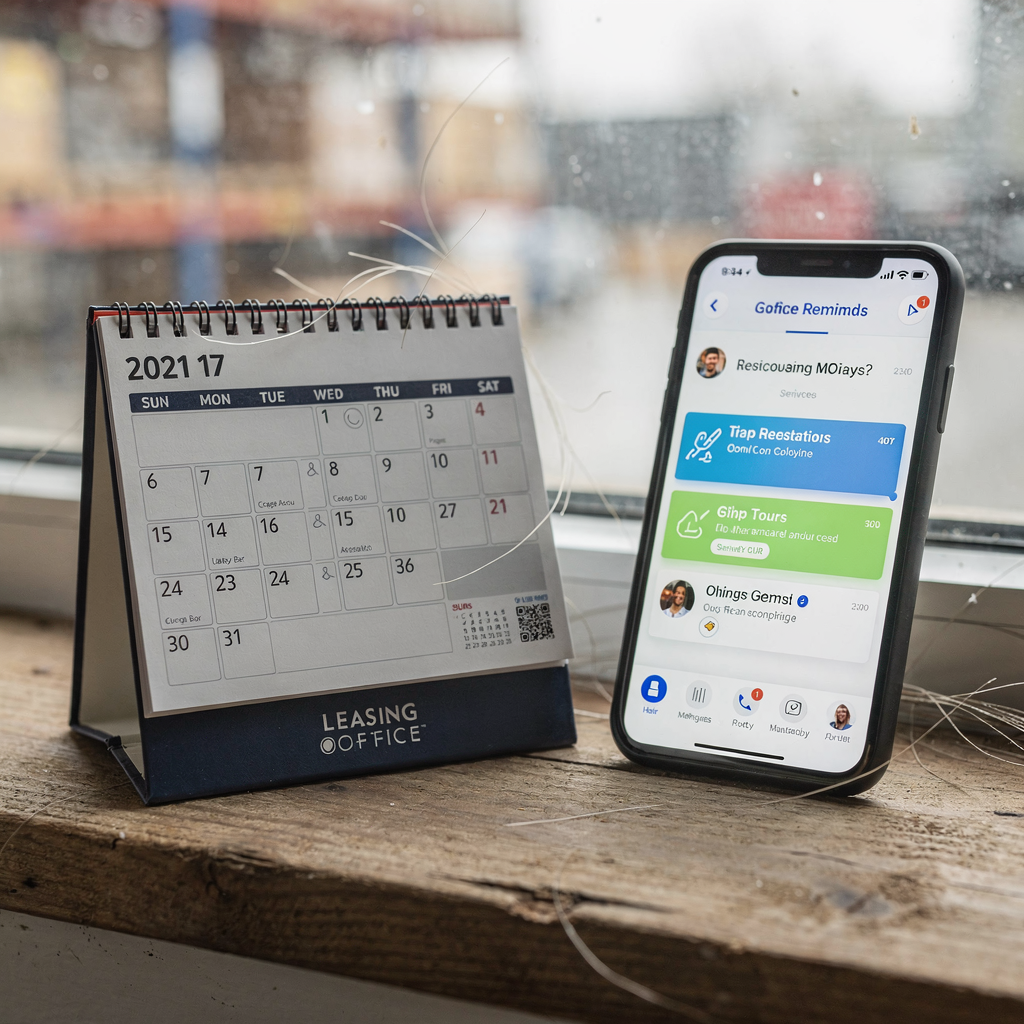
Four short automated sequence examples and expected impact: 1) Immediate reply then timed followup after two hours — increases lead response time and engagement. 2) Tour confirmation then reminder 24 hours before — reduces no-shows. 3) Pre-fill application link after a tour — speeds application completion. 4) Screening prompt with conditional offers — shortens the leasing cycle and improves conversion. These sequences help convert leads and cut repetitive tasks so the leasing team can focus on high-skill conversations.
Metrics to track include time-to-lease, conversion rate, lead drop-off, and tour-to-application ratio. Also track followup completion and response latency. Automation should increase conversion rates and reduce vacancy days. To implement, connect your smart leasing platform CRM to your screening vendor and e-sign provider, then test sequences with a small cohort of prospects. If you need examples of email automation that reduces handling time, our team’s work automating operational email workflows shows how structured replies and data grounding improve consistency and speed (automate emails with Google Workspace).
Drowning in emails?
Here’s your way out
Save hours every day as AI Agents label and draft emails directly in Outlook or Gmail, giving your team more time to focus on high-value work.
multifamily
AI is especially valuable for multifamily portfolios because inquiries come in high volume and many processes are standardisable. For multifamily developments, a multifamily ai leasing assistant or a virtual leasing agent can manage dozens of conversations at once, maintain consistent messaging across channels, and help property management teams handle peaks without hiring. Tools like the lumina ai leasing agent and solutions from ButterflyMX are built for multifamily workflows and improve throughput by keeping prospects moving toward a lease (ButterflyMX, RealPage LUMINA).
Benefit summary: ai-powered leasing increases conversions, reduces vacancy days, and frees leasing teams for higher-value tasks. For example, an anonymous mid-size portfolio replaced time-consuming inquiry triage with an ai virtual leasing assistant that handled initial qualification, scheduled tours, and pre-filled application fields. As a result, the portfolio reduced average days vacant and allowed the onsite team to focus on resident communication and closing leases. ROI pointers: measure occupancy improvement, time saved per leasing agent, and cost per lease before and after deployment to track gains clearly.
Multifamily operators should plan for integration with property management system feeds, tourist availability calendars, and their CRM. Also, create escalation rules so a human agent receives complex or high-value leads. For teams exploring the best ai choices, evaluate reporting, handover quality, and the ability to keep working across channels. Finally, remember that ai engages prospects and residents across channels, but human oversight preserves accuracy and peace of mind.
faqs
Data privacy and compliance: AI platforms must respect resident data rules and local privacy laws. Therefore, choose systems with clear data governance and audit trails.
Accuracy and hallucination risk: AI can make mistakes, so include human checks and approval gates. Also, train models on your own data to reduce errors.
Cost vs ROI: Start with a pilot to measure time-to-lease and conversion improvements before full rollout. Track occupancy and agent time saved to calculate ROI.
Integrating with existing systems: Use APIs and middleware to connect CRM, property management system, and screening tools. Also, ensure data sync schedules are tested.
Choosing the best AI: Evaluate integration, reporting, and handover to human agents. Pick the solution that offers a trial or pilot to validate results.
Preserving peace of mind: Keep escalation rules and human approval on contract changes. That way your team retains final control and stays compliant.
Common questions: Ask vendors about data retention, model training, and escalation paths. Also, request references and proof of concept outcomes.
Pilot advice: Start small, measure outcomes, then iterate to scale. This approach reduces risk and improves adoption.
Support and training: Require vendor onboarding and staff training for effective change management. Finally, ensure SLAs for uptime and response quality.
Security checklist: Confirm encryption for data at rest and in transit, role-based access, and audit logs. These controls protect applicant and resident data.
FAQ
What is an AI leasing assistant and how does it help?
An AI leasing assistant is software that automates conversations with prospects, schedules tours, and handles routine leasing tasks. It improves responsiveness and consistency so your team can convert more prospects into signed leases.
How does an AI agent differ from a chatbot?
An AI agent uses conversational AI and proactive lead scoring to pursue qualified leads, while a chatbot follows predefined rules. An agent can prioritize prospects, call or text, and integrate with CRM systems for richer data capture.
Will automation replace leasing agents?
No. Automation handles repetitive tasks and initial outreach, which lets human agents focus on closing leases and building relationships. Human oversight also mitigates AI accuracy risks and preserves peace of mind.
How do I integrate AI with my CRM and property management system?
Connect via API or middleware so lead data, application status, and lease records sync automatically. Test data flows and set rules for when the AI should hand off a prospect to a human agent.
Can AI improve conversion rates for multifamily properties?
Yes. AI increases responsiveness and consistent follow-up, which reduces lead drop-off and shortens the leasing cycle. Tools built for multifamily portfolios scale outreach across many units and inquiries.
What metrics should I track after deployment?
Track time-to-lease, conversion rate, lead drop-off, tour-to-application ratio, and followup completion. These KPIs show whether the AI assistant improves operational outcomes and saves agent time.
How do you manage data privacy with AI leasing systems?
Choose vendors with clear data governance, encryption, and audit logs. Also, define retention policies and access controls to protect applicant and resident information.
What are common risks of using AI for leasing?
Risks include inaccurate responses, hallucinated facts, and poor escalation rules. Mitigate these by training models on your data and requiring human approval for critical decisions.
How should I start a pilot for an AI leasing assistant?
Pick a single property or market segment, define success metrics, and run the pilot for a set period. Measure conversion and time savings, then refine workflows before scaling.
How do I choose the best AI leasing agent for my portfolio?
Look for integration capability, reporting, human handover quality, and transparent pricing. Also, request a trial and check references to ensure the solution delivers better results and supports closing leases.
Drowning in emails?
Here’s your way out
Save hours every day as AI Agents label and draft emails directly in Outlook or Gmail, giving your team more time to focus on high-value work.