


How AI transforms tenant communication in property management
AI changes how teams handle tenant communication, and it does so quickly and practically. First, define what we mean by AI assistants, AI chatbots and AI-powered tenant communication workflows. An AI assistant can read messages, identify intent, fetch related property details, and suggest or send replies. AI chatbots typically handle initial contact and basic inquiry routing. AI-powered workflows link those bots to a management platform and to people when escalation is needed.
Industry research shows rapid adoption. For example, 64% of property managers use AI-driven automation for at least one daily process, which underlines how widely the sector now depends on these tools 64% adoption. Likewise, conversational AI has lifted lead handling and viewings in trials by large margins 62% increase in leads. These facts explain why landlords and property management companies plan more integration.
This chapter covers typical use cases. Examples include initial rental inquiries, viewing bookings, rent reminders and FAQ handling. For instance, conversational AI can schedule viewings and reduce back-and-forth communication, while a system automatically issues a payment reminder and follows up if needed. Next, measurable benefits include faster response times, 24/7 availability, and a lower burden on property managers. In practice, an AI agent can triage multiple renter messages and create tickets for a human when needed.
Operationally, teams use AI to automate repetitive tasks and to improve tenant experience. Property owners gain consistency, and tenants receive instant responses for common questions. For more depth on automating long-running email threads and data grounding, consider how virtualworkforce.ai automates the full lifecycle of operational email to reduce handling time and support accurate replies email automation example. Finally, AI and natural language processing enable smarter sorting of tenant requests, and they help teams focus on higher-value work.
AI-powered tenant screening and reducing allocation times
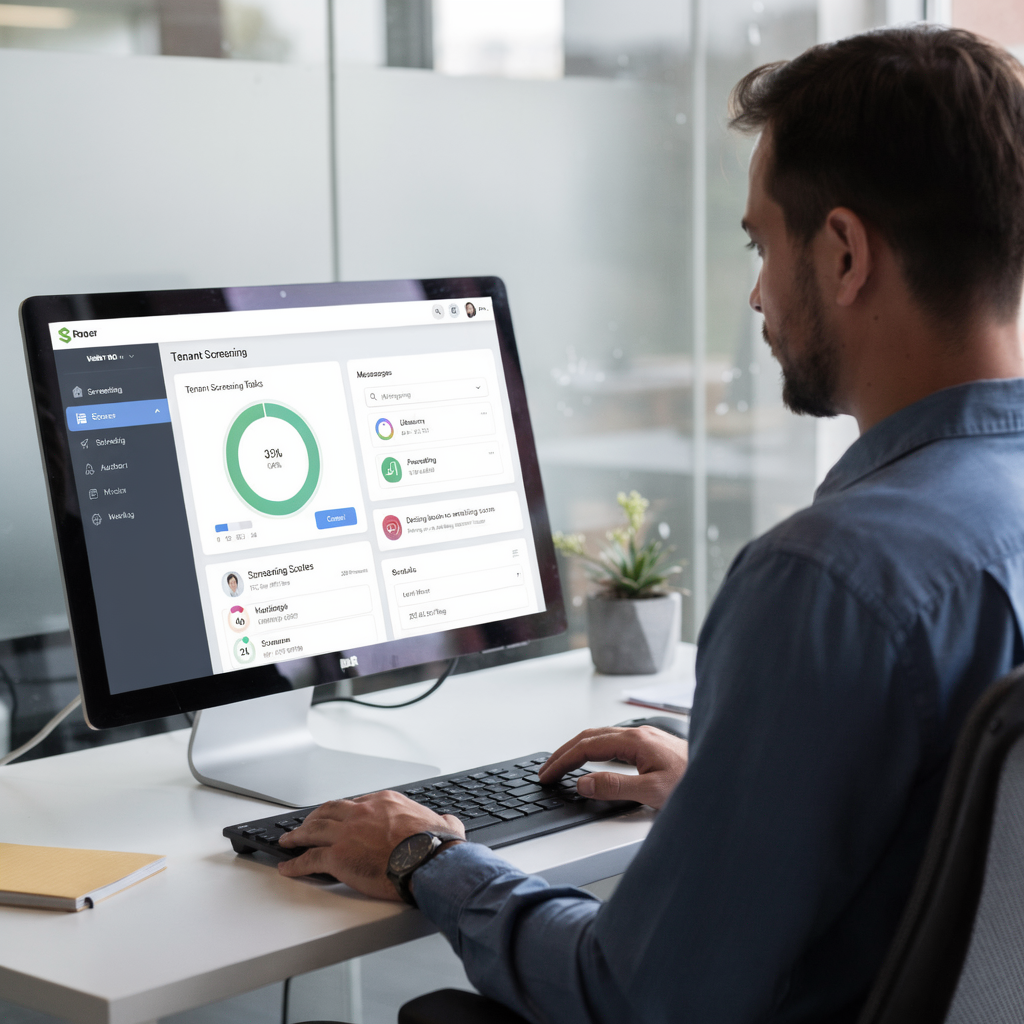
AI-powered tenant screening reshapes how property managers assess applicants. First, AI can aggregate credit, rental and behavioural data. Then, it scores applicants for eligibility and risk. A pilot that combined conversational AI with eligibility scoring reduced allocation times for social housing, showing the tech can speed placements while keeping fairness in view reduced allocation times. At the same time, AI property management models can spot inconsistencies in tenant data and flag them for human review.
This chapter explains process changes, risk controls, fairness and bias mitigation. For screening, an AI system takes multiple inputs and creates a transparent scorecard. That scorecard then feeds into a workflow that assigns a leasing agent or social housing officer to follow up. To reduce unfair bias, teams must test models on local data and set guardrails that promote equitable outcomes. In the UK property context, local regulation and GDPR-style rules demand clear audit logs and consent for data use. Therefore, teams should log decisions and maintain an appeal route.
Key metrics to track include time-to-offer, right-first-time allocation rate, and tenant turnover after placement. Property managers can reduce vacancy periods, and owners can see lower downtime between leases. For social housing, combining conversational AI and eligibility scoring can dramatically lower allocation friction, while still allowing human oversight at critical steps. Use ai-powered tenant screening to increase accuracy and to streamline approvals, but maintain human review for edge cases and complex lease arrangements.
Drowning in emails?
Here’s your way out
Save hours every day as AI Agents label and draft emails directly in Outlook or Gmail, giving your team more time to focus on high-value work.
How automation and property management software streamline maintenance request and workflow
Automation helps teams handle maintenance request volume, and property management software centralises records. When a tenant submits a maintenance request, an AI triage layer reads the message, classifies urgency, and maps the problem to the right technician. Then, the management system creates a ticket, sets an SLA and notifies the tenant with an initial reminder. This reduces manual handling and improves transparency.
This chapter covers templates for auto-responses, priority-routing rules, technician scheduling and KPIs. For example, a property manager can use canned templates for boilerplate replies, while AI suggests vendor assignments based on location, skills and availability. Also, teams should configure rules that escalate emergencies immediately, and that batch non-urgent jobs for scheduled rounds. Key performance indicators include mean time to repair, ticket backlog and first-time fix rate. Of course, teams must update templates often to reflect seasonal issues or new contractors.
Integration matters. Property management software must link to supplier calendars and to payment systems. When integrated, the platform reduces duplicate data entry and gives an audit trail for compliance. If you want an example of how AI grounds replies in ERP or other systems, virtualworkforce.ai shows how end-to-end email automation creates structured data from unstructured messages and pushes it back into operational systems structured data from emails. Therefore, the right mix of automation and software centralises work, accelerates repairs and raises tenant satisfaction.
AI chatbots and AI assistant use cases to improve response times and tenant satisfaction
AI chatbots improve responsiveness, and an AI assistant handles scale while keeping messages consistent. Conversational AI can answer common tenant questions, offer property details and initiate a maintenance request. For initial rental inquiries, chatbots can confirm availability and book viewings. These functions deliver instant responses and raise tenant experience.
This chapter contrasts scripted replies with dynamic replies and explains escalation rules. Scripted replies suit common questions about rent cycles or parking, while dynamic replies use context, tenant data and history to personalise messages. When the bot cannot resolve an issue, it escalates to a human. Teams should set clear response-time targets and measure NPS or CSAT. For instance, conversational AI has shown a 62% increase in lead generation when used to schedule viewings and handle initial rental inquiries conversational AI boosts leads. That increase also improves conversion into visits and applications.
Use an AI system that balances speed and human touch. The system should escalate complex lease questions to a leasing agent or property manager. Also, the interface must protect tenant data and record consent. Property management companies that use ai chatbots gain consistent communication at scale, and they free staff to handle complex or high-value tenant relationships. Overall, AI automates routine contact, and humans handle nuance. This blend improves tenant satisfaction and keeps communications accurate.
Drowning in emails?
Here’s your way out
Save hours every day as AI Agents label and draft emails directly in Outlook or Gmail, giving your team more time to focus on high-value work.
Integrating ai tools for operational efficiency: landlords and property managers best practices
Integrating ai tools requires a plan. First, map existing property management tasks and identify repetitive tasks to automate. Then, choose tools that provide APIs, data mapping and audit logs. For email-centric workflows, virtualworkforce.ai shows how AI agents automate the full email lifecycle and ground replies in operational systems, reducing handling time from ~4.5 minutes to ~1.5 minutes per email email lifecycle automation. That example is useful even beyond logistics, because the same patterns apply to tenant messages and lease correspondence.
This chapter covers an integration checklist, change management, staff training and governance. The checklist should include API access, data mapping, test datasets and a pilot plan. Also, define human-in-the-loop rules and audit trails so managers can review decisions. Train staff on tone, escalation paths and exceptions so the system behaves predictably. A staged rollout helps: start with initial rental inquiries and common tenant requests, then expand to rent reminders and payment queries.
Measure ROI with staff hours saved, vacancy reduction and faster cycle times. Use metrics such as ticket backlog reduction and improvements in tenant feedback. For practical tools for property management, pair cloud-based property management software with AI analytics so owners and tenants see real-time status and fewer errors. In short, integrating ai-powered tools and governance makes operations more efficient, lowers tenant turnover and protects tenant data while allowing property managers to focus on higher-value work operational AI examples.

Frequently asked questions about ai in property management and the future of property management
This chapter answers frequently asked questions on privacy, security and when to automate versus retain human contact. It also gives pointers to select ai property management software and practical rollout tips. For compliance, keep clear audit logs and adopt GDPR-style consent processes when operating in the UK property market. Finally, track three clear pilot metrics: tenant satisfaction, response times and allocation speed.
What is the difference between AI and conversational AI in property management?
AI is the broad technology that powers analysis and decision-making. Conversational AI specifically handles dialogue, such as chatbots and message routing. Both help automate tenant requests, but conversational AI focuses on instant responses and tenant messages.
How does AI help with tenant screening?
AI aggregates tenant data, such as credit and rental history, to build eligibility scores. These scores speed placement decisions, reduce vacancy and allow property managers to focus on human review for edge cases.
Is tenant data safe when a team uses AI tools?
Yes, when teams implement data governance and encryption. Protect tenant data with access controls, audit logs and compliance with local data rules, especially for uk property operations.
When should a property team choose to automate tenant communications?
Automate repetitive tasks like rent reminders, FAQ answers and initial rental inquiries first. Keep human contact for negotiations, lease disputes and sensitive tenant relationships.
Can AI reduce maintenance resolution time?
Yes. AI triage and routing help technicians get the right context fast, which improves mean time to repair. Integration with property management software allows centralised SLA tracking.
What metrics should a pilot track for an AI rollout?
Focus on tenant satisfaction, response times and allocation speed. Also monitor ticket backlog and right-first-time allocation to measure operational improvements.
How do I avoid bias in ai-powered tenant screening?
Test models on local data and set fairness guardrails. Include human-in-the-loop checks and keep transparent logs for appeals and audits.
Are there specialised tools for email-heavy property teams?
Yes. For email automation and accurate replies grounded in operational data, consider AI agents that automate the full email lifecycle and reduce manual lookup time. These solutions help teams manage high email volumes without adding headcount email automation tools.
How will AI change the future of property management?
AI will shift work from repetitive tasks to relationship building, and it will enable faster, more accurate decisions. Teams that use ai and automation will operate leaner and focus on tenant experience and strategic maintenance.
What practical steps help protect tenant privacy during an AI rollout?
Use explicit consent, limit data access, and keep audit trails. Also, stage the rollout and monitor for unexpected outcomes so you can adjust rules before wide release.
Drowning in emails?
Here’s your way out
Save hours every day as AI Agents label and draft emails directly in Outlook or Gmail, giving your team more time to focus on high-value work.