


物流:现状与客户需求
The logistics sector is undergoing a period of rapid change, driven in large part by shifting customer expectations. The rise of e-commerce has fundamentally altered how logistics operations meet growing demands for speed and transparency. Today, 超过70%的物流公司正在投资数字工具 designed to improve customer service and communication. This trend reflects the competitive pressure on logistics companies to respond faster and provide more accurate information to logistics customers.
Traditionally, customer support in the logistics industry has relied on manual updates and slow response channels. This has often resulted in dissatisfied clients, especially when delivery delays occur with limited explanations provided. Delivery-related complaints have been a challenge for logistics companies, highlighting the limitations of outdated methods. In the current marketplace, customers expect not only precise delivery estimates but also consistent visibility across the entire shipping and logistics process.
These heightened expectations include real-time tracking capabilities, predictive delivery windows, and 24/7 support. Real-time data sharing allows customers to view accurate shipment progress and anticipate arrivals or potential delays. Furthermore, by ensuring access to real-time data, businesses can build trust and improve customer experience through proactive communication. Meeting these demands requires investments in digital technologies in logistics, supported by robust supply chain management practices.
To adapt, logistics leaders must embrace a transformation journey that integrates advanced technologies into logistics processes. This means looking beyond traditional warehouse management tools and adopting digital solutions tailored for better customer experiences. As 更快的物流响应时间 become the benchmark, the ability to provide transparent and timely information will separate top-performing logistics companies from the rest. This shift is not only about technology but also about redefining the value of digital in the context of customer service demands.
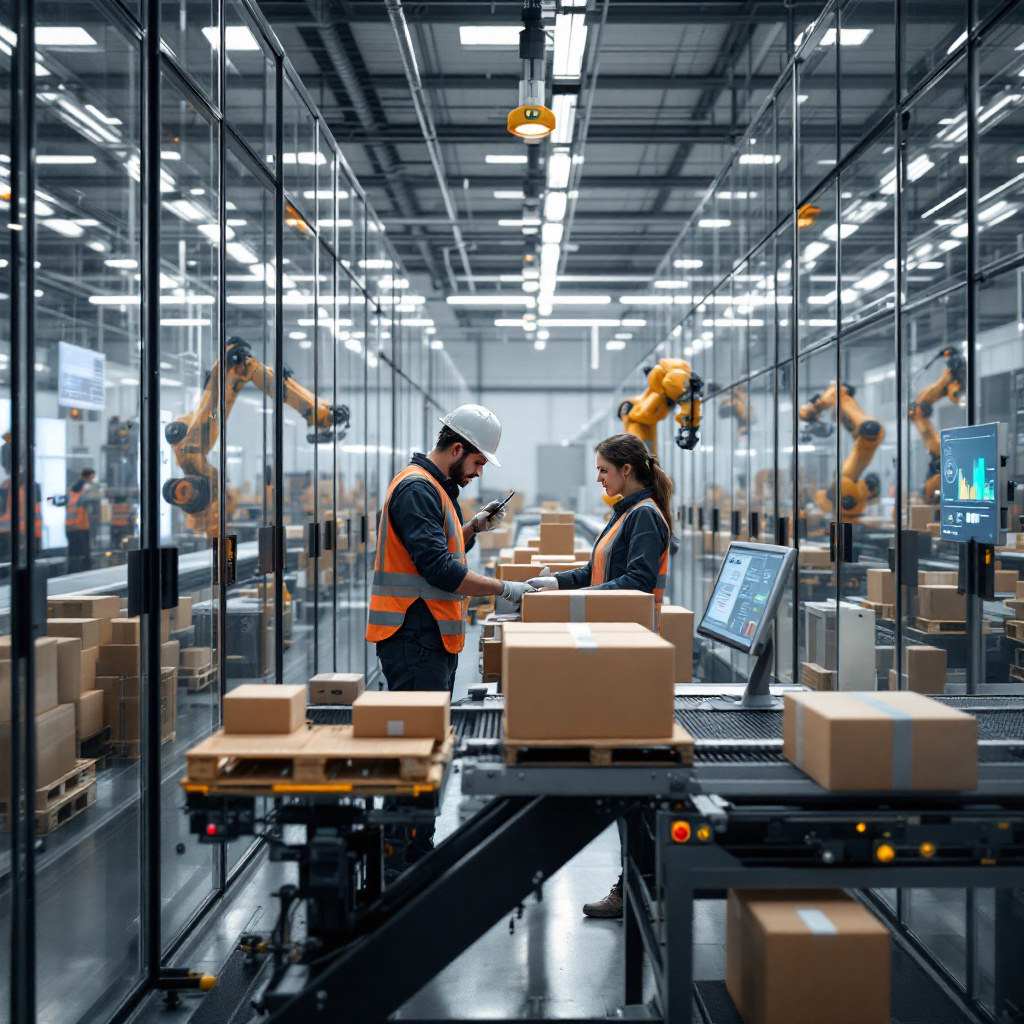
物流数字化转型:关键技术与趋势
Digital transformation in logistics is reshaping how logistics organizations operate and engage with customers. The integration of AI, IoT, big data analytics, and cloud platforms is enabling logistics companies to improve efficiency, streamline communication, and deliver better customer experiences. The technologies in logistics are rapidly evolving, bringing new digital capabilities that align with customer expectations for speed, accuracy, and transparency.
AI and chatbots, for instance, are central to logistics digital transformation. They provide automated responses to common queries, handle repetitive tasks, and 释放人工客服以处理复杂问题, reducing response times by up to 50% according to 行业研究. In parallel, IoT devices enhance real-time tracking, offering live updates on shipment location and status, which reduces delivery inquiries and builds customer trust. This is a crucial aspect of digital transformation in transportation as it impacts both reliability and the quality of service.
Big data analytics allows logistics companies to predict delays, anticipate issues, and proactively update customers. With timely insights, supply chain operations experience fewer disruptions and improved operational flow. Cloud-based platforms bring all stakeholders together, centralizing data for shippers, carriers, and end customers. These digital technologies in logistics facilitate faster decision-making and efficient logistics solutions.
These advancements also impact warehouse management, inventory management, and transformation in logistics and transportation by streamlining operations across the supply chain. Automation tools and digital logistics solutions play a significant role in transformation in the logistics industry, ensuring that both cost savings and service improvements are realized. For logistics companies, adopting such digital transformation strategies is no longer optional — it is a competitive necessity.
数字化解决方案:增强实时可视性与支持
Among the most impactful applications of digitalization in the logistics industry are digital solutions that enhance visibility and support. Automated notifications using SMS, email, and app alerts keep both logistics customers and stakeholders informed at every stage. These systems provide instant updates, enabling recipients to track progress and adjust their schedules accordingly.
Self-service portals take this a step further by offering live GPS-based maps, proof-of-delivery images, and documentation. When combined with AI-driven support triage, most routine customer queries can be handled without human involvement. This allows human experts to focus on complex cases, raising service levels while reducing costs. Such approaches illustrate how logistics digital solutions improve productivity and optimize customer support workflows.
Integrating these systems with CRM tools ensures personalized communications and continuous feedback loops. This enables logistics companies to improve customer experience by tailoring their responses based on real-time data and customer history. The access to real-time data also supports predictive solutions that anticipate problems before they arise. For example, predictive analytics can inform customers of weather-related delays before they impact delivery schedules.
These innovations form part of a broader supply chain digital transformation, where all nodes in the logistics and supply chain ecosystem share accurate and timely updates. The impact of digital in these applications highlights how digital transformation enables seamless support. When logistics companies may invest in such new solutions, they not only enhance transparency but also strengthen loyalty among logistics customers.

数字化转型的好处:对服务的量化影响
Measuring the benefits of digital transformation reveals tangible advantages for the logistics sector. Studies show that AI-powered chatbots and automated communication platforms lead to a 客户参与度提高30% and a 25% drop in customer service operational costs. This kind of improvement in productivity allows logistics companies to reallocate resources toward more strategic functions.
Real-time tracking and predictive analytics result in a 20% reduction in delivery complaints by providing accurate estimated time of arrival (ETAs) and proactive updates. Customers value this level of visibility, which is a clear benefit from digital transformation. Faster resolution times contribute to improved Net Promoter Scores and help boost repeat-purchase rates for logistics firms.
Operationally, automation and advanced analytics reduce the manual workload on staff and lower human error rates. These benefits extend across warehouse management, inventory management, and shipping and logistics operations. Digital transformation is changing transportation by replacing outdated reporting cycles with instant updates supported by digital freight systems and digital twin simulations.
Additionally, these transformations improve the overall supply chain by enabling seamless coordination among stakeholders. This supports optimization in delivery routes, timeliness, and communication processes — all key to enhancing customer satisfaction. Ultimately, the benefits of digital transformation demonstrate how investing in digital leads to measurable gains for both service quality and operational efficiency.
变更管理:克服采用障碍
While the impact digital transformation can have is substantial, logistics companies face barriers to adoption. Data security is a major concern, particularly regarding compliance with GDPR and other industry standards. Addressing these concerns requires clear policies, updated infrastructure, and regular security audits.
High upfront investment can also slow implementation. To mitigate risk, logistics leaders often deploy phased rollout plans with defined ROI checkpoints. This approach to change management allows measurement of the value of digital improvements before large-scale deployment. It’s equally important to invest in employee training. Staff need to understand AI tools, digital capabilities, and analytics to manage new workflows effectively.
Legacy systems present another challenge. Many solutions with legacy architecture cannot easily integrate with modern platforms, creating bottlenecks. Adopting modular, API-driven solutions allows incremental upgrades without complete replatforming. For instance, a third-party logistics provider might implement digital initiatives in select warehouses before expanding.
Overcoming these challenges requires a unified transformation journey. Organizations benefit from digital transformation efforts when leadership prioritizes cultural alignment and engages employees at every stage. The successful transformation of the transportation and logistics industry relies on preparing both systems and people for the shift to digital operations.
技术投资:为客户服务提供未来保障
To remain competitive, logistics organizations must make targeted technology investments that strengthen long-term customer service capabilities. Scalable cloud infrastructures are crucial during peak seasons and for supporting international expansion across the logistics and supply chain. These platforms offer flexibility and resilience for new solutions.
Continuous AI model improvement is another key area. Enhancing chatbot accuracy and refining demand forecasting models will help logistics companies better anticipate customer needs. Sustainable digital strategies are also vital, leveraging IoT data for route optimization to reduce fuel use and minimize environmental impact. This addresses both efficiency and corporate responsibility goals while contributing to better customer experiences.
Regular technology audits, aimed at identifying main types of digital transformation projects, ensure that investments deliver the highest returns in customer service. These audits should review all digital operations, from warehouse automation to CRM integration. Digitalization efforts can also include implementing digital twin models and digital freight management systems to predict and solve logistical challenges before they affect customers.
By adopting a measured approach to technology adoption, logistics transformation efforts will stay agile and aligned with market trends. Investing in digital with the power of digital strategies behind it reinforces resilience. Logistics leaders who treat technology as a cornerstone of customer service and optimization will be best prepared for the next wave of transformation in logistics and supply.
常见问题
什么是物流数字化转型?
物流数字化转型涉及将人工智能、物联网、分析和云系统等先进技术应用于改善物流运营和客户互动。其重点是提升供应链的速度、透明度和效率。
人工智能如何改善物流中的客户服务?
人工智能可自动化常规任务,提供即时查询响应,并支持用于主动沟通的预测分析。这减少了等待时间并提高了客户服务质量。
物联网在物流客户服务中扮演什么角色?
物联网设备可以持续监控货物,使客户获得准确的实时跟踪信息。这建立了信任并减少了有关送达时间的不确定性。
为什么实时可视性在物流中很重要?
实时可视性确保所有利益相关方都掌握最新的货件状态信息。这改善决策、减少错误并提升整体客户满意度。
采用数字化物流解决方案常见的障碍有哪些?
常见障碍包括数据安全问题、高额初始成本、员工培训不足以及与遗留系统的集成挑战。克服这些问题需要明确的策略和分阶段实施。
自动化如何使物流公司受益?
自动化简化重复性任务,降低运营成本,并提高物流流程的准确性。这释放了资源以处理更复杂的客户需求。
预测分析在物流中的好处是什么?
预测分析有助于预测延误、优化配送路线并主动通知客户。这减少了投诉并改善了运营规划。
云技术如何支持物流运营?
云平台集中数据并改善托运人、承运人和客户之间的协作。这增强了沟通、透明度和服务可靠性。
在物流背景下,什么是数字孪生?
数字孪生是物流流程或资产的虚拟模型,允许进行仿真和分析。它有助于在不影响实际运营的情况下预测问题并测试改进措施。
哪些未来趋势正在塑造物流的数字化转型?
未来趋势包括扩大可持续的数字战略、提升人工智能模型以及利用物联网实现更好的优化。这些将帮助物流公司在快速变化的市场中保持竞争力。