


How ai email assistant can automate commodity trading workflow in energy trading 2025
Traders live on speed and clarity, and an AI email assistant can automate the repetitive tasks that slow desks down. It drafts confirmations, flags priority messages, and links emails to trades in ETRM systems. It also attaches evidence and retention notes so REMIT retention rules are met from the first touch. This saves manual copy‑paste, and it reduces the risk of missed confirmations and settlement errors.
From a practical standpoint, an assistant records who approved a change, what counterparty agreed to it, and when the message left the inbox. That record becomes part of assistant records and audit logs for compliance reviews. Energy traders see faster confirmations and fewer disputes because routine steps no longer depend on memory or long email threads. Our platform shows teams cutting handling time per message sharply, and firms integrating AI report measurable efficiency gains; Microsoft cites doubled satisfaction for users of AI assistants in broad enterprise deployments (Microsoft).
Linking emails to trading platforms and ETRM allows automatic position updates, and it closes the loop between correspondence and post‑trade records. That integration supports audits and REMIT checks while enabling faster confirmations. When you automate confirmations and routing, traders can focus on the high‑value work of pricing and trading strategies, not clerical followup. For teams that need ERP and mailbox fusion, see our guide on ERP email automation for logistics for related patterns and connectors ERP email automation for logistics.
Start small, and test the assistant on a single desk or a single flow. Validate outputs against human review for critical trades, and then scale. With the right governance, this approach reduces the time spent on routine mail and improves the audit trail, so operations run smoother and compliance risks fall.
Practical use cases: real-time market analysis, market data alerts and ai-powered analytics to streamline trading respond
Use cases include price alerts, weather signals, freight notifications, credit limit warnings, and concise daily briefs that summarize market moves. An AI agent can monitor real-time feeds, parse news, and extract relevant lines for traders. It synthesizes messages from different market data vendors, and it offers a short market report that tells a trader what changed and why. This reduces the lag between a market move and a trading decision.

Traders need low latency and reliable feeds. An assistant that ingests real-time market data and combines it with weather models and freight reports helps teams respond faster and more accurately. For example, it can send intraday alerts when a regional price spikes or when a forecasted storm threatens supply. These alerts can be routed to chat, email, or a desk tool so traders receive concise signals and can act immediately.
AI‑powered analytics reduce time to action by turning raw data into a daily brief or a short callout embedded in an existing thread. The assistant leverages machine learning and natural language processing to detect sentiment shifts and to flag counterparty risk or credit limit breaches. That way, commodity traders and operations staff get focused intelligence rather than long email threads filled with noise. Teams that integrate market data into their mailbox workflows can streamline operations and stay ahead during market volatility. For additional operational patterns that overlap with logistics email drafting and automated correspondence, explore our resources on automating logistics emails for related implementation tips automating logistics emails with Google Workspace.
Drowning in emails?
Here’s your way out
Save hours every day as AI Agents label and draft emails directly in Outlook or Gmail, giving your team more time to focus on high-value work.
How to integrate with crm and ETRM: use ai to automate followup, implement workflows and measure roi
Integration is simple in concept and detailed in execution. Hook the assistant to CRM and ETRM so incoming emails update counterparty records, position logs, and post‑trade records automatically. When the assistant drafts a confirmation, it can also push a transaction note into ETRM, create an activity in CRM, and write an entry to the audit logs. This removes duplicated data entry and improves traceability for compliance and settlement teams.
Measure the business case with clear metrics. Track hours saved per mailbox, reduction in settlement errors, and faster confirmation times. Quantify handling time per message, count fewer manual corrections, and calculate reduced operational costs tied to lowered error rates. Our clients measure ROI by comparing pre‑automation handling times to post‑automation times and by counting fewer disputes. For an ROI playbook tuned to inbox automation and logistics workflows see our ROI resource for practical measurement approaches virtualworkforce.ai ROI playbook.
For compliance, ensure the assistant writes a persistent trail. Assistant activities should be visible in CRM and ETRM, and audit logs should store redacted copies of messages where necessary. Use role‑based access and encrypted storage to protect energy data. Implement escalation paths so the assistant routes uncertain items to subject matter experts for human review for critical transactions. This hybrid model keeps speed and adds governance, and it leads to measurable gains in operational efficiency and better customer experience. Track ROI using time saved, fewer settlement errors, and faster confirmations to show value.
Compliance and security measures: energy data retention, REMIT rules and mistakes to avoid when deploying ai-driven systems
Compliance must lead design. REMIT and similar rules require reliable retention of trader communications, and regulators have fined firms for failures to record conversations. An assistant must log and archive messages, and it must preserve provenance so auditors can see who said what and when. Use encrypted storage, and enforce encryption in transit and encryption at rest to secure energy data.
Data privacy and GDPR handling also matter. Maintain clear data handling policies, and implement access controls so only authorized roles can retrieve sensitive mail. Build audit logs that are tamper‑resistant, and record decision points for automated drafts and edits. These steps create a defensible posture when regulators or counterparties challenge a record.
Common mistakes to avoid when deploying include insufficient archiving, weak access controls, and incomplete audit trails. Also avoid rushing integration without testing against REMIT retention and industry rules. Train staff on incident response, and design the assistant to escalate anomalies instead of silently acting. Finally, plan for periodic reviews of model behavior and for updates when energy regulations change. For a checklist of common mistakes to avoid and deployment tips see our guidance on how to scale logistics operations with AI agents how to scale logistics operations with AI agents.
Drowning in emails?
Here’s your way out
Save hours every day as AI Agents label and draft emails directly in Outlook or Gmail, giving your team more time to focus on high-value work.
choosing the right ai agent and best ai email assistant for commodity trading: cost savings and roi vs better than traditional methods
Choosing the right solution means weighing cloud versus on‑premise, model tuning versus out‑of‑the‑box, and specialist domain knowledge versus general assistants. Select vendors that support REMIT retention, CRM connectors, and ETRM hooks. Consider a provider that offers no‑code control for business users and that delivers email memory and thread awareness so long email threads remain coherent. A good procurement checklist includes security, latency, REMIT support, CRM integration, and the ability to fine‑tune for commodities.
Expect cost savings and ROI from reduced handling time, fewer errors, and faster confirmations. Vendors report improvements in customer satisfaction after deploying AI assistants, and many energy companies are investing in automation as AI demand rises across power trading and clean energy operations (Meta). We recommend testing the right solution on a pilot desk, and then scaling once you see measurable gains. Compare the best AI email assistant against traditional manual workflows by measuring hours saved and settlement mistakes reduced.
Make the choice between specialist assistants that understand commodity terminology and generic copilots that require heavy customization. For commodity trading, favor solutions that leverage generative AI but that also provide human controls and clear audit trails. This balance keeps desks fast and compliant, and it gives a clear path to reduced operational costs and a competitive edge in the global energy market. If you want practical vendor comparisons and domain examples, review our material on AI for freight and logistics communication which shares patterns applicable to trading implement and operational workflows AI in freight logistics communication.
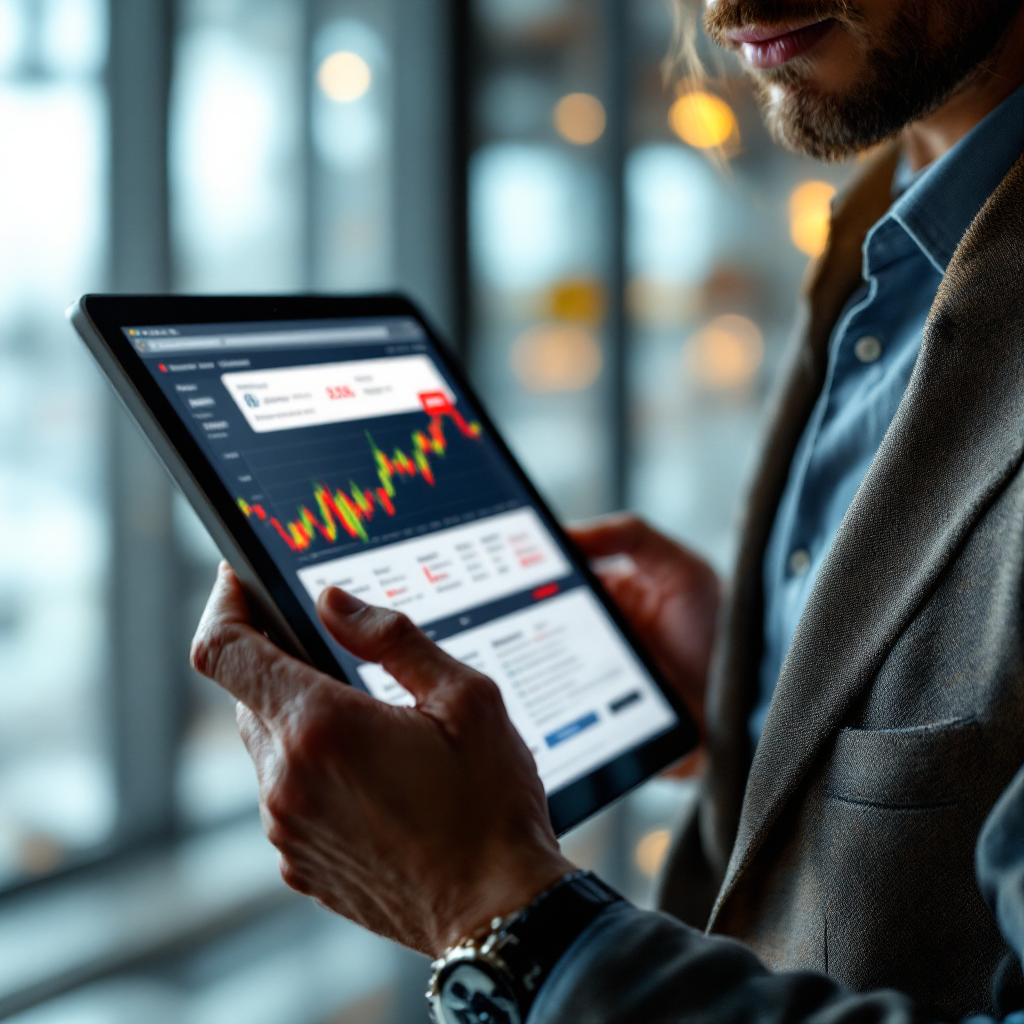
Practical implementation roadmap: how to use ai to automate email workflows, monitor analytics and avoid common mistakes to avoid
Start with a pilot on a single desk and a narrow set of flows. First connect market data and CRM, and then validate outputs against human review for critical confirmations. Next, expand to more desks and add ETRM hooks so emails update positions and post‑trade records automatically. Set KPIs such as response time, error rate, user adoption, and measurable ROI from hours saved and reduced disputes.
Monitor analytics from day one. Track how many messages the assistant drafts, how often users edit those drafts, and how quickly confirmations leave the inbox. Use these metrics to iterate on templates and on model behavior. Also measure customer experience and operational efficiency so stakeholders see tangible benefits. In one example, teams cut handling time from ~4.5 minutes to ~1.5 minutes per email by automating and optimize processes using machine learning and no‑code templates that ground replies in enterprise data.
Governance must include training, incident plans, and continuous monitoring. Require human review for critical or high‑value actions, and log each automated step into audit logs. Avoid common mistakes to avoid like skipping compliance checks or failing to redact sensitive fields. Finally, ensure business users can control tone and escalation paths without IT tickets, and ensure IT retains governance over connectors and encryption. This mix of speed, safety, and iterative improvement helps energy companies move from pilot to production while protecting data and meeting energy regulations. When you choose the right solution, you get faster and more accurate email drafting, fewer manual steps, and a clear path to cost savings and roi.
FAQ
What is an AI email assistant for energy trading?
An AI email assistant is software that drafts, routes, and archives trader correspondence while linking messages to systems like CRM and ETRM. It uses natural language processing and machine learning to summarize threads and to automate routine followup so traders can focus on trading decisions.
How does an assistant help with compliance and REMIT retention?
The assistant writes persistent records and stores copies in encrypted archives with clear provenance and audit logs. That setup supports REMIT rules and provides evidence for regulators, which reduces the chance of fines for missing communications.
Can AI integrate with my existing ETRM and CRM?
Yes. Most deployments connect to CRM and ETRM via APIs so the assistant can update counterparties, positions, and post‑trade notes automatically. Integration lowers duplicated entry and improves audit trails.
What practical use cases should I pilot first?
Pilot price alerts, confirmation drafting, and daily market briefs because they show clear time savings and measurable roi. Start with a single desk and expand as you validate accuracy and compliance.
How do I measure ROI from email automation?
Measure hours saved, fewer settlement errors, faster confirmations, and reduced operational costs. Track handling time per message, error counts, and user adoption to quantify benefits.
Are cloud or on‑premise deployments better?
Both have merits. Cloud offers faster rollout and scale, while on‑premise can help meet strict data residency rules. Choose based on your security requirements and latency needs.
What security measures are essential?
Use encryption in transit and transit and at rest, role‑based access, redaction of sensitive fields, and tamper‑resistant audit logs. Regularly test incident plans and access controls to keep energy data safe.
Will the assistant replace traders?
No. The assistant automates routine communication and recordkeeping so traders can focus on strategy and risk management. It requires human review for critical and high‑value trades.
How does the assistant handle long email threads?
It maintains email memory and thread‑aware context so replies remain consistent and accurate across long email threads. This reduces errors and improves clarity for counterparties.
How do I avoid common mistakes when deploying?
Avoid skipping compliance tests, weak access controls, and incomplete archiving. Pilot the assistant on a single flow, require human review for critical items, and monitor analytics continuously to catch issues early.
Drowning in emails?
Here’s your way out
Save hours every day as AI Agents label and draft emails directly in Outlook or Gmail, giving your team more time to focus on high-value work.