


How ai assistant and ai agent enable real-time data to revolutionize cold chain logistics
AI assistants and an AI agent combine sensor streams, GPS, and schedule feeds to create continuous, actionable real-time data for cold chain logistics. First, IoT devices in trailers and cold storage report temperature, humidity, door status, and location. Then edge processors filter and compress that feed. Next, AI systems ingest the cleaned stream and cross-check it against route plans, weather, and inventory. The result is instant alerts and suggested actions that help teams respond faster. For example, vendors such as Controlant, Roambee and Sensitech deliver continuous monitoring and automated alerts for temperature-sensitive loads, which reduces manual checks and paperwork.
AI assistants work as a layer that human teams can query. They surface the most relevant facts, propose corrective steps, and document decisions. In this way, the toolset helps logistics managers automate routine triage while retaining human oversight for complex cases. Because these assistants integrate with TMS/WMS and ERP systems, they also embed audit trails that regulators can review. That visibility supports pharmaceutical handlers and food distributors who operate under tight rules for chain control.
When a truck shows a temperature excursion, the system sends a prioritized alert. It also proposes containment steps like reroute options or holding the shipment in certified cold storage. Those suggestions come from learned patterns and rules. As a consequence, faster corrective action cuts spoilage risk and creates an auditable decision log for compliance.
To ground this with numbers, the broader AI logistics market reached about US$20.8 billion in 2025, reflecting rapid adoption across modes and modalities (market estimate). Meanwhile, targeted studies report that AI can reduce logistics costs by roughly 15% while improving service levels by up to 65% through faster decision-making (AI adoption outcomes). In practice, teams that integrate AI and IoT into cold chains see fewer late alerts, faster root-cause analysis, and clearer supply chain control. If you want practical guidance on adding an AI assistant for email-driven workflows and exceptions in logistics, our operational playbook shows how to connect ERP and TMS sources for immediate gains (virtual assistant for logistics).
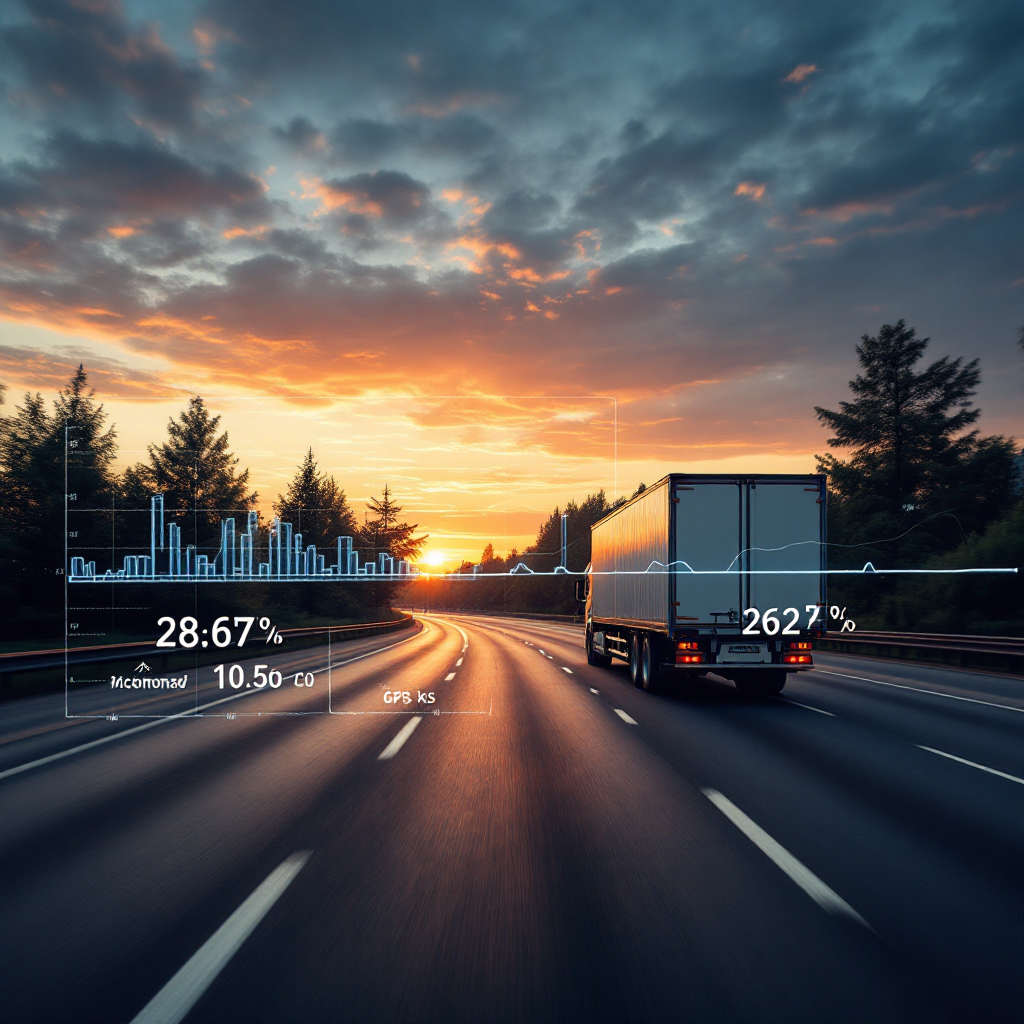
Use cases: ai in cold chain for predictive analytics, inventory management and pharmaceutical compliance across the supply chain
AI in cold chain use cases span monitoring, predictive analytics, routing, and inventory planning. First, real-time monitoring of trailers and cold storage prevents excursions. Then predictive analytics flag potential refrigeration failures before they happen. Also, demand forecasting helps match inventory levels to consumption patterns so perishable stock does not overstay its shelf life. Finally, route planning balances ETA targets with temperature risk to protect temperature-sensitive products.
Real-time temperature monitoring is central. Sensors stream data and AI systems check ranges constantly. If margins tighten, the system issues a rapid alert and recommends containment. Predictive maintenance uses historical data and machine learning to identify failing compressors or coolant leaks. That reduces mean time between failures and lowers waste. Inventory management benefits too. AI forecasts demand and suggests stock rotation so warehouses reduce spoilage and free up working capital.
Pharmaceutical supply chains face strict rules from FDA, EMA and WHO. Continuous monitoring plus robust audit logs meet those compliance demands for vaccines and biologics. AI systems can tag each reading with provenance data and store it for audits. That approach gives supply chain managers clear traceability and an evidence trail for regulatory review.
Evidence supports these benefits. Research indicates AI-driven forecasting and monitoring can reduce logistics costs by about 15% and improve service levels by up to 65% through quicker, more accurate decision-making (efficiency findings). Also, industry reports show growing investment in AI across supply chain tools as teams seek visibility and control (adoption analysis). In practice, logistics teams see fewer manual checks, faster exception handling, and stronger product quality assurance for refrigerated items. If you manage customs-related email exceptions or need automated correspondence tied to cold shipments, our no-code AI email agents can reduce handling time and improve accuracy (automated customs documentation emails).
Drowning in emails?
Here’s your way out
Save hours every day as AI Agents label and draft emails directly in Outlook or Gmail, giving your team more time to focus on high-value work.
How machine learning and data analytics optimize logistics and improve operational efficiency
Machine learning and data analytics help teams optimize routing, maintenance, and staffing. ML models trained on sensor streams and historical data detect subtle anomalies. Next, these models predict impending refrigeration failures or identify driver behaviors that raise temperature excursion risk. Then AI scores route and vehicle risk so dispatchers can prioritize interventions. That approach shifts operations from reactive to proactive.
Key methods include classification models for anomaly detection and time-series models for trend forecasting. Clustering helps segment routes by risk profile. Decision models weigh cost, time, and product fragility to recommend reroutes. Importantly, the pipeline relies on clean supply chain data. Teams must standardize sampling rates, timestamps, and metadata so models learn the right patterns.
Operational metrics to track include cold-excursion frequency, mean time between failures, delivery punctuality, and waste rate. With these KPIs, managers measure progress and tune models. Vendors like Roambee and ColdChain Technologies apply ML on both live and historical data to trigger predictive maintenance and route changes. Those capabilities help save service disruptions and reduce spoilage.
AI also assists human decision-making by prioritizing alerts. Systems rank incidents so logistics teams focus on the highest-impact cases. That keeps staff from burning cycles on low-risk noise. Additionally, data analytics reveal systemic issues in chain operations and point to process changes. For example, analytics might show a recurring gap at a specific cold storage dock. Teams can then redesign workflows, retrain staff, or upgrade equipment. Across the supply chain, these improvements raise throughput and cut avoidable cost. For teams that handle high volumes of exception emails, integrating an AI assistant into inbox workflows streamlines responses and ties each reply to the correct shipment and ERP record (automated logistics correspondence).

real-time: leverage ai-powered sensors and ai agent monitoring for predictive analytics and real-time visibility
Sensor → edge → cloud is the architecture that delivers real-time visibility for cold chain management. Sensors in trucks and cold storage capture temperature and environmental context. Edge processing reduces noise and enforces sampling rules. Then cloud AI applies predictive analytics and business rules. Finally, alerts and automations go to ops teams or an AI agent that can take predefined actions. This closed loop shortens response times and reduces exposure for temperature-sensitive products.
AI-powered sensors form the first line of defense. They detect excursions, log location, and timestamp each reading. Edge nodes perform initial checks and only forward significant shifts. That conserves bandwidth while keeping the cloud model fed with relevant events. The cloud layer fuses IoT signals with weather, traffic, and schedule data so it can predict disruptions and recommend mitigations. An AI agent can then automate routine actions, such as notifying drivers, reserving alternate cold storage, or flagging shipments for quarantine.
Real-time loops matter because minutes can matter for perishable cargo. When the system identifies a compressor surge, it can suggest immediate containment: move the load to a nearby certified cold storage or swap trailers at a depot. Those automated containment steps limit spoilage and simplify audit trails. The same capability supports last-mile visibility. Continuous wireless sensors plus cloud dashboards give logistics teams 24/7 monitoring for both transport and storage.
These patterns also unlock better forecasting. Live data improves demand forecasting and stock rotation by updating models with real-time inputs. That lets inventory management respond to sudden spikes or drops in demand. Teams can then optimize replenishment and reduce waste. For ops teams facing heavy email loads tied to shipment exceptions, integrating AI agents into inbox workflows speeds replies and ties each action back to real-time telemetry and ERP entries (ERP email automation for logistics).
Drowning in emails?
Here’s your way out
Save hours every day as AI Agents label and draft emails directly in Outlook or Gmail, giving your team more time to focus on high-value work.
supply chain challenges: data quality, legacy systems and cybersecurity that hinder ai adoption across the supply chain
Adopting AI is not just a technical exercise. Data quality problems frequently limit model accuracy. Sparse or noisy sensor feeds, inconsistent timestamps, and missing metadata all reduce confidence. To address that, teams must standardize formats, sampling rates, and naming conventions. They should also implement validation pipelines that detect and repair bad readings before models consume them.
Integration pain is another barrier. Many logistics firms run legacy TMS/WMS systems that lack modern APIs. To integrate AI, companies either add middleware or execute a phased rollout with fallbacks. That staged approach reduces disruption. It also lets teams validate assumptions in a controlled way. For email-heavy workflows, the right choice can be a no-code connector that links ERP and TMS to AI assistants without heavy engineering.
Security and regulation are central concerns. Telemetry and chain-of-custody data require encryption in transit and at rest. Access controls and audit logs must prove who viewed or altered records. Choosing vendors with strong compliance certifications reduces risk. At scale, teams should run red-team exercises and require vendor attestation for data handling.
Finally, human factors matter. Logistics teams need training on new workflows. AI will not replace judgment; instead, it will amplify it. Clear escalation paths and user-controlled behavior help maintain trust. For example, virtualworkforce.ai provides role-based controls, audit logs, and easy governance so operations teams can apply AI to email and exception handling while keeping IT in control of data connections (how to scale operations with AI agents).
Business case: ai, data analytics and ai assistant solutions revolutionizing cold chain logistics — measurable ROI and vendor choices
The business case for AI in cold chain logistics blends cost savings, service gains, and risk reduction. Market context shows rapid growth. In fact, the AI in logistics sector was estimated at roughly US$20.8 billion in 2025, reflecting high investment in automation and analytics (market context). Vendors and integrators report measurable gains. Typical reports cite around 15% logistics cost reduction and material improvements in service levels—often reported as much as 65% better responsiveness when AI streamlines decision-making (reported improvements).
When building a buying guide, prioritise vendors with proven pharma experience and robust ML models. Look for systems that integrate easily with existing systems and that maintain data integrity across the supply chain. For cold chain management, vendor capabilities should include continuous monitoring, predictive maintenance, and clear audit trails. Controlant, Roambee, Sensitech and ColdChain Technologies have market footprints in continuous monitoring and analytics. Choose providers who also support secure connectors to ERP, TMS and WMS platforms so your systems stay synchronized.
ROI ties directly to reduced spoilage, fewer manual exceptions, and faster responses. Savings come from lower waste rates, fewer emergency shipments, and less overtime. Benefits also include stronger supply chain control and compliance readiness. To realise value quickly, start with high-risk lanes or SKUs and then expand. Pilot projects should measure cold-excursion frequency, mean time to repair, delivery punctuality, and waste percentage. Once demonstrated, scale to larger networks and integrate AI into broader supply chain strategy.
Finally, think about people and process. Tools like no-code AI email agents can cut handling time for exception emails and make sure every reply cites the right records. That reduces human error and speeds workflows. If your logistics teams need a practical example of applying AI to inbox-driven exceptions, see our guide on automating logistics emails with Google Workspace and virtualworkforce.ai (automate logistics emails).
FAQ
What is AI for cold chain logistics?
AI for cold chain logistics applies machine learning and analytics to sensor feeds, routing data, and inventory to protect temperature-sensitive products. It focuses on real-time monitoring, predictive maintenance, and decision support to reduce spoilage and improve compliance.
How does real-time monitoring improve shipment safety?
Real-time monitoring continuously tracks conditions like temperature and humidity, so teams see excursions the moment they occur. That visibility enables immediate containment steps and creates an audit trail for regulators.
Which vendors provide continuous monitoring for cold chains?
Several vendors specialise in continuous monitoring and analytics for refrigerated shipments. Examples include Controlant and Roambee, which offer sensor-driven platforms and alerting tailored to cold chain operations. Choosing a vendor with pharma experience helps meet regulatory needs.
Can AI reduce logistics costs for refrigerated goods?
Yes. Studies and vendor reports indicate that AI-driven forecasting and monitoring can cut logistics costs by around 15% while improving service levels substantially (cost and service findings). Savings come from less waste, fewer emergency moves, and more efficient routing.
What role does machine learning play in cold chain management?
Machine learning detects anomalies, predicts equipment failure, and scores route risk using historical data and live signals. These predictions let teams prioritise interventions and schedule maintenance before failures occur.
How do companies integrate AI with legacy TMS and WMS systems?
Integration often uses middleware, APIs, or phased rollouts to connect AI solutions with existing TMS/WMS/ERP platforms. No-code connectors can accelerate integration for operations teams without heavy engineering.
Are there security concerns when using AI and IoT in cold chain operations?
Yes. Telemetry and audit data must be encrypted and access-controlled to protect product integrity and sensitive routing details. Vendors should provide compliance attestations and robust governance features.
What KPIs should supply chain managers track when deploying AI?
Track cold-excursion frequency, mean time between failures, delivery punctuality, and waste rate. These metrics show whether AI is improving operational efficiency and reducing risk.
How quickly can companies see ROI from AI in the cold chain?
Pilots on high-risk lanes can show measurable benefits within months, especially when focused on spoilage-prone SKUs. Rapid wins include reduced exception handling and faster corrective action.
How can AI help with pharmaceutical compliance?
AI provides continuous monitoring, provenance-tagged readings, and secure audit logs that regulators can review. That level of documentation supports compliance for vaccines and biologics under FDA, EMA and WHO rules.
Drowning in emails?
Here’s your way out
Save hours every day as AI Agents label and draft emails directly in Outlook or Gmail, giving your team more time to focus on high-value work.