


How agentic AI and ai agents for fashion are reshaping the fashion industry and apparel production.
Agentic AI and AI agent concepts refer to autonomous, goal-directed systems that act on data and make decisions across design, planning and sales. These systems can design patterns, prioritize factory runs, and route customer messages. For apparel manufacturers and fashion brands the combination of human creativity and AI systems shortens cycles. First, designers sketch. Then an AI agent proposes variations and predicts sizing, fabric waste, and cost. Next, planners receive dynamic schedules that reflect sales signals and supplier capacity. As a result, brands reduce manual bottlenecks and time-to-market.
Market signals show urgency. Around 48% of retail leaders see AI, ML and CV as the top tech in the next 3–5 years, and roughly 60% plan implementation within a year. These figures stress that the fashion industry must move fast, and that agentic systems will play a major role. For example, teams use AI to automate repetitive planning tasks and to analyze POS and sales data in real time. Intelligent agents analyze demand shifts, and they adjust allocations across factories. This reduces overproduction and cuts markdown risk.
For operations teams email remains a daily bottleneck. Our company, virtualworkforce.ai, uses AI agents to automate the full email lifecycle for ops teams. The platform labels intent, routes requests to the right owner, and drafts grounded replies based on ERP entries. This capability links product planning and execution. Readers who want to learn how AI-driven email automation improves logistics and operations can see a practical guide on scaling operations with AI agents here.
Agentic AI helps designers test ideas faster. It also helps planners close the loop between customer signals and factory output. For fashion brands the outcome is clear: faster launches, fewer errors, and better alignment with shopper demand. Finally, when teams combine AI and human judgment they keep creativity high while the machines handle scaling tasks.
Use ai to optimize supply chain and predictive planning for apparel brands and fashion retailers.
Fashion supply chains gain measurable benefits when teams use AI to optimize demand and stock. Core functions include demand forecasting, inventory optimisation, supplier scheduling and order prioritisation. Advanced models analyze sales data, social trends and lead times. They then forecast demand and suggest precise reorder points. Studies show that AI-driven forecasting models can raise accuracy to about 85%, cutting overstock and lead-time waste AI can improve demand forecasting accuracy by up to 85%. This level of accuracy reduces excess inventory, markdowns and the environmental cost of unsold goods.
Agentic workflows can operate with minimal human intervention. For example, autonomous triggers fire when predicted demand passes a threshold. The system then generates supplier orders and notifies factory planners. In other cases, an AI agent pauses production for low-demand SKUs and reallocates capacity where demand is rising. These steps save time and material. They also increase operational efficiency across warehouses and factories.
Predictive planning benefits from integration. Systems that connect ERP, MES and shipment trackers let agents balance speed, cost and carbon. Teams that want to automate email-driven reorders can pair AI with email automation platforms. That approach eliminates manual lookup and speeds supplier confirmation; see how email automation links to ERP in logistics examples here. Brands using these patterns see fewer stockouts and better service levels. At the same time, brands reduce rush shipments and freight costs.
Finally, a measured pilot approach works best. Start with a single product family. Measure forecast error, lead time variability and inventory turns. Then scale across categories. By integrating AI systems with existing planning workflows, fashion retailers and apparel brands can transform planning into a predictive, self-correcting function.
Drowning in emails?
Here’s your way out
Save hours every day as AI Agents label and draft emails directly in Outlook or Gmail, giving your team more time to focus on high-value work.
Deploy ai-powered, real-time quality control and automation to reduce defects and rework.
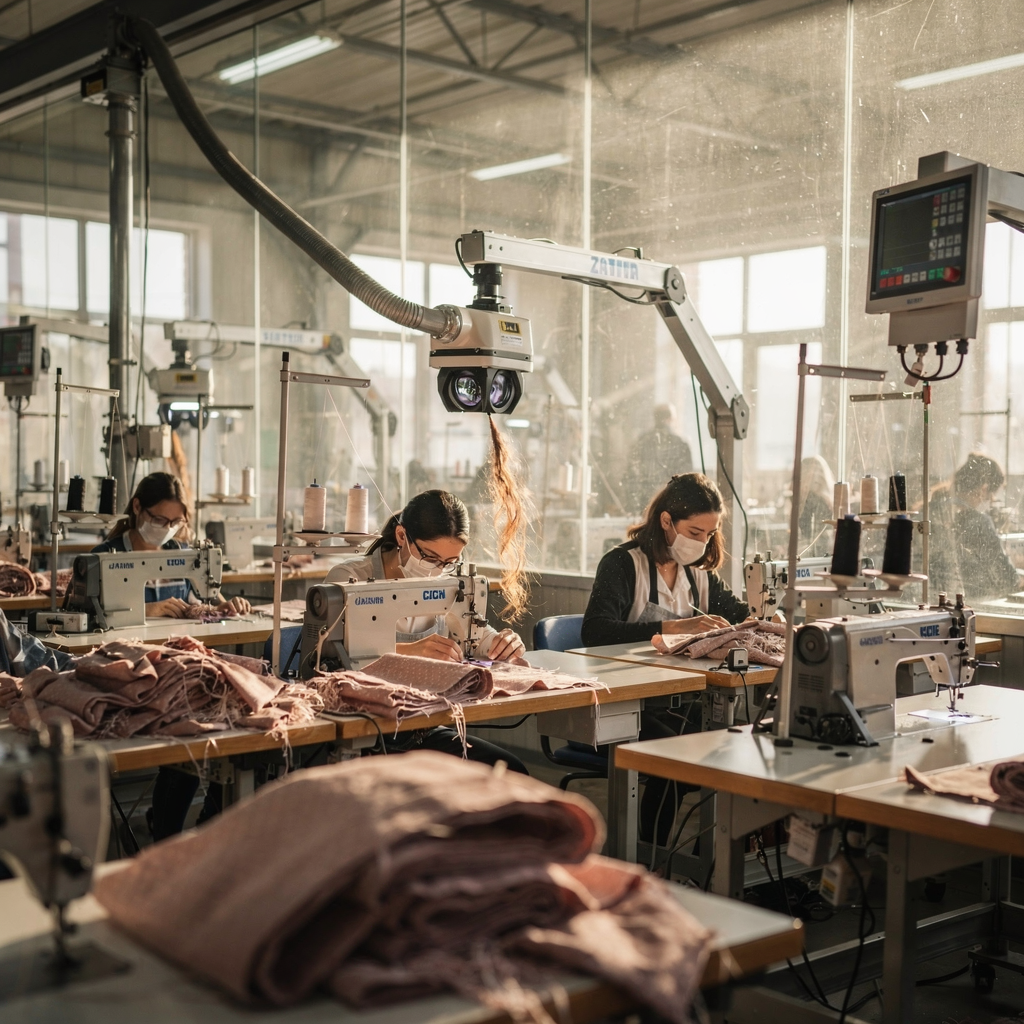
Quality control improves quickly when factories deploy AI-powered computer vision on production lines. Cameras inspect stitching, measure seam allowances, and flag fabric defects in real-time. Then systems send alerts and route items for rework. This prevents whole batches from moving downstream. In many implementations AI reduces production errors and defects by up to 30% implementations report up to ~30% reduction in production errors. That yields lower returns and less waste.
Real-time detection is essential. When a vision agent flags a stitching issue the line manager gets a notice and a suggested corrective action. Then the workstation receives a short intervention checklist. This keeps yield high and saves labor hours. In addition, AI-powered sensors can confirm trim placement and label accuracy before packing. The result is fewer customer complaints and improved brand reputation.
Operational teams should combine edge vision with cloud analytics. Edge systems run fast checks on the line. Meanwhile, cloud services collect trends and predict where defects may cluster. Agents monitor machine drift and alert maintenance teams. This proactive stance reduces downtime and supports continuous improvement. Teams that want to reduce email triage and manual work around production exceptions can explore how automated logistics correspondence tools integrate with line alerts here.
Finally, choose explainable models. Use systems that show why a defect was flagged. This helps technicians learn and improves trust. Over time, these AI-driven quality workflows reduce rework costs, speed shipments, and support stronger customer experience for fashion and apparel brands.
Personalization, ai tools and customer engagement: converting shopper signals into sales.
AI-powered personalization improves conversion and reduces returns by matching products to real shopper preferences. Recommender agents analyze past purchases, on-site behavior, and size feedback to tailor suggestions. They then rank items by likelihood to fit and be returned. For brands this means better conversion and stronger loyalty. Personalization systems also power product discovery and lifecycle marketing, which keeps customers engaged after purchase.
AI generates tailored emails and on-site banners, and marketing agents automate campaign timing relative to inventory levels. That prevents promotions for items with low stock. Similarly, size and fit prediction reduces returns by suggesting the best size for each shopper. These features directly improve customer experience while protecting margins. The e-commerce stack benefits when personalization agents connect to inventory and logistics. If you want to automate logistics emails tied to personalization and inventory, review how to scale logistics operations without hiring more staff here.
Generative AI appears in creative tasks as well. It can propose moodboards and colorways from trend signals, while designers keep final approval. Brands that embrace AI in product discovery and merchandising gain speed without losing identity. Leading brands use AI to test merchandising mixes and to personalize homepages per shopper cohort. This targeted approach increases average order value and repeat purchase rate.
Finally, ensure transparency. Let shoppers understand why a recommendation appears. Use clear opt-outs and robust privacy controls. That protects brand reputation while enabling AI to enhance sales and customer engagement for fashion brands.
Drowning in emails?
Here’s your way out
Save hours every day as AI Agents label and draft emails directly in Outlook or Gmail, giving your team more time to focus on high-value work.
Agentic AI to optimise textile sorting, ai in textiles and circularity — accountability belongs to brands.
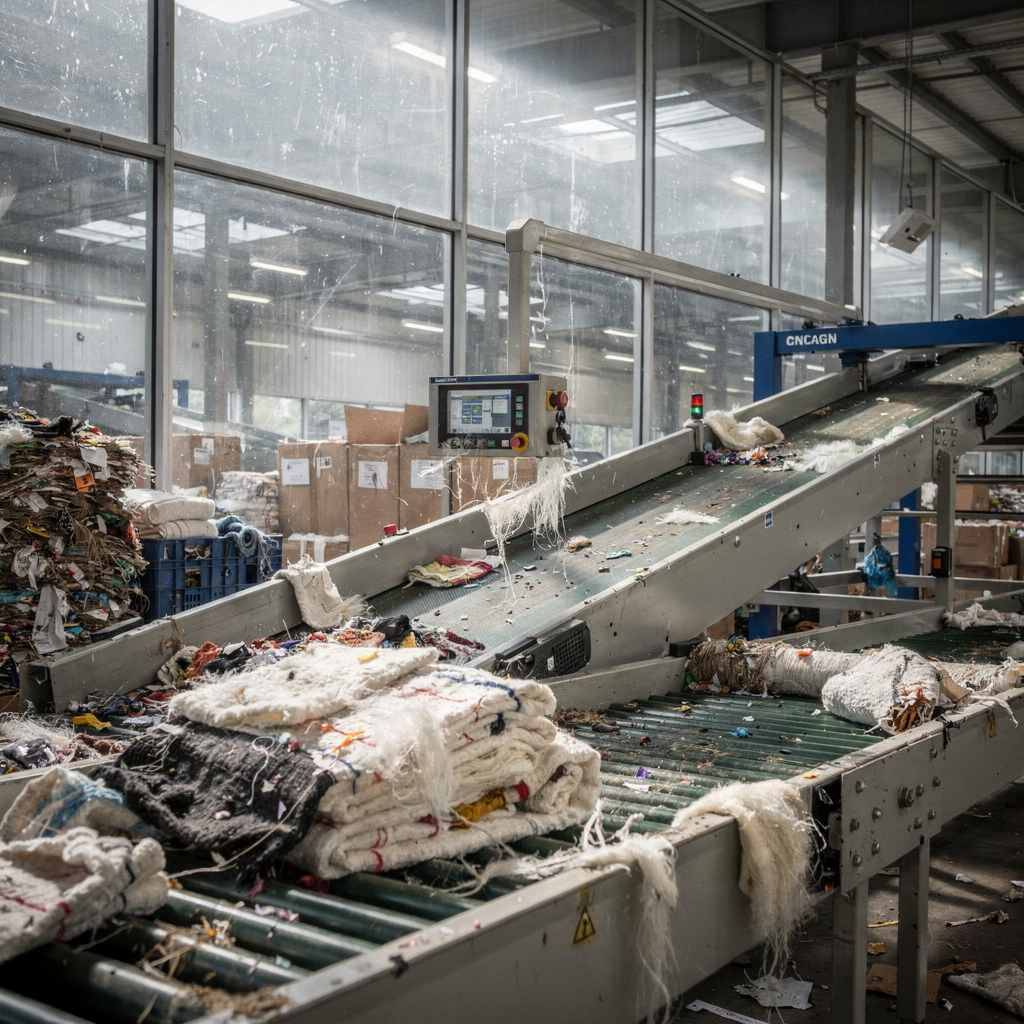
Sustainability moves from promise to practice when AI assists textile sorting and traceability. AI in textiles helps identify fiber blends, grade materials, and route items for reuse or recycling. Large pilots show material throughput improvements and better recycling routing when computer vision and spectrometry are combined. For example, industry pilots aim to sort billions of pounds of donations to maximize reuse and limit landfill contributions Goodwill’s AI system aims to sort donations at scale.
Agentic systems can also map provenance across the supply chain. They collect supplier certificates, dye lots, and finishing records. Then they create auditable trails that brands can publish. As one expert observed, “AI is not just a tool for efficiency; it’s becoming a cornerstone for responsible manufacturing practices that align with consumer values and regulatory requirements” this commentary on sustainability and AI notes. That shift matters because accountability belongs to brands, not just vendors.
Textile sorting and circularity require clear governance. Brands must own traceability rules and define data access. They should also publish recycling outcomes and proof of sorting accuracy. AI can help brands reduce waste and maximize reuse, but only if data ownership and reporting are enforced. Practical pilots focus on one material at a time, measure sorting accuracy and document environmental impact. The approach drives measurable sustainability gains and supports the future of fashion that consumers expect.
Practical use cases, predictive pilots and best AI choices to accelerate adoption across apparel manufacturers.
Start small and measure outcomes. A pilot checklist should include KPIs such as forecast error, defect rate and lead time. Choose one use case first: forecasting, quality control or personalization. Then define a clear ROI threshold and test for six to twelve weeks. Use hybrid teams that combine data scientists and production leads. They will ensure the AI models match shop-floor realities and align with ERP and MES systems. For email and exception handling pilots, teams can test how AI agents reduce handling time and improve accuracy using tools that automate email workflows learn how AI assistants handle logistics emails.
Technical architecture matters. Edge vision systems deliver low-latency checks. Cloud orchestration supports model retraining and fleet-wide analytics. Integrate AI with ERP to keep master data consistent. Choose explainable models and audit logs so auditors and operators can trace decisions. Also, prefer modular systems that adapt to legacy environments. Teams should address data privacy and skill gaps up front. Invest in training and in clear change management plans. This reduces resistance and speeds adoption.
Risk mitigation includes explicit governance. Document data sources, access rules and escalation paths. Use agents that produce human-readable reasons for decisions. This will ease regulatory review and build operator trust. Deploy predictive pilots that forecast demand and prioritize items for rework. Agents to automate email triage and supplier queries will cut manual time. Over time, these pilots scale and transform core operations. In short, prioritize high-impact pilots, measure fast, and scale what works. AI is transforming the fashion and apparel industry, and the right pilots will deliver measurable gains in speed, cost and sustainability.
FAQ
What exactly is an AI agent in apparel manufacturing?
An AI agent is an autonomous system that performs specific tasks such as forecasting, quality inspection or routing supplier orders. It acts on data, executes rules, and escalates exceptions to humans when needed.
How can agentic AI help fashion brands shorten time-to-market?
Agentic AI automates repetitive planning and design steps, and it proposes optimized production schedules based on demand signals. Consequently, teams move from concept to shelf faster with fewer manual handoffs.
Do AI systems really improve demand forecasting accuracy?
Yes. Studies show that AI-driven forecasting models can raise accuracy substantially, with some reports noting improvements up to about 85% source. Better forecasts cut overstock and markdowns.
What role does AI play in quality control on the factory floor?
AI-powered computer vision inspects stitching and fabric for defects in real-time and alerts operators to fix issues immediately. This reduces defects, rework and returns, and supports consistent product quality.
How does AI support sustainability in textiles?
AI aids textile sorting, fiber identification and traceability, which improves recycling rates and reduces landfill input. Brands can publish auditable trails and demonstrate measurable sustainability outcomes.
Can AI improve customer experience for fashion ecommerce?
Yes. AI personalization and recommender agents tailor product discovery and size suggestions, which improves conversion and lowers return rates. These systems also power targeted lifecycle marketing.
What technical stack do apparel manufacturers need for AI pilots?
Manufacturers typically deploy edge vision for real-time checks, cloud services for model training, and integrations to ERP and MES for data. Hybrid teams that include data scientists and production leads are essential.
How should brands measure success in AI pilots?
Define KPIs like forecast error reduction, defect rate decrease and lead time improvement before launching a pilot. Measure ROI over short cycles and scale the pilots that meet targets.
Who owns the data and accountability when AI is used for circularity?
Brands own traceability rules and reporting responsibilities. Vendors provide tools, but the accountability for outcomes and for published claims belongs to brands, not just suppliers.
Can AI be used to automate operational email workflows in apparel operations?
Yes. AI agents can label, route and draft replies to operational emails, grounded in ERP and shipment data, which reduces handling time and errors. For examples of email automation applied to logistics and operations see practical resources on our site here and this guide.
Drowning in emails?
Here’s your way out
Save hours every day as AI Agents label and draft emails directly in Outlook or Gmail, giving your team more time to focus on high-value work.