


hospitality: How ai agents for hotels transform booking and guest experience
AI agent tools now appear in many parts of the hospitality value chain. They range from chatbots and virtual concierges to delivery and concierge robots. These AI agents for hotels handle booking support, answer FAQs, enable 24/7 support and drive targeted upsell offers. They work on websites, in apps and at the front desk. They aim to reduce repetitive work for hotel staff and improve the guest experience.
For hoteliers, the headline benefits are clear. AI-powered site chat can triple conversion compared to non-AI journeys, which directly lifts hotel bookings and lowers OTA dependency this study shows. In addition, AI recommendation engines already point users to between 2 and 8 hotels per query, shaping travel decisions on search platforms according to recent analysis. These stats show how AI systems influence the path to purchase.
Hilton’s early chatbot programmes provide a practical example. After rollout, query resolution times fell and guest satisfaction rose. “After Hilton implemented an AI chatbot for hotels in its chain, customer inquiries were handled more swiftly,” reports an industry guide, and pilot programmes often paid back within six months that case study explains. Hoteliers can measure conversion, resolution time and ancillary revenue to validate ROI.
Today’s hotel tech must integrate with property management systems and the booking engine. Integration reduces data drift and keeps room rates and availability accurate. For teams that manage both email and guest requests, examples from operations automation show how AI can reduce manual busywork. For instance, teams that automate repetitive correspondence cut handling time dramatically; see practical notes on how to improve logistics and customer service with AI here. As a result, staff focus on high-value service. Overall, AI agents are transforming hotel operations by routing inquiries fast, improving personalization and increasing direct bookings.
ai agent and ai assistant use cases: automate front desk, conversational chatbot and faqs
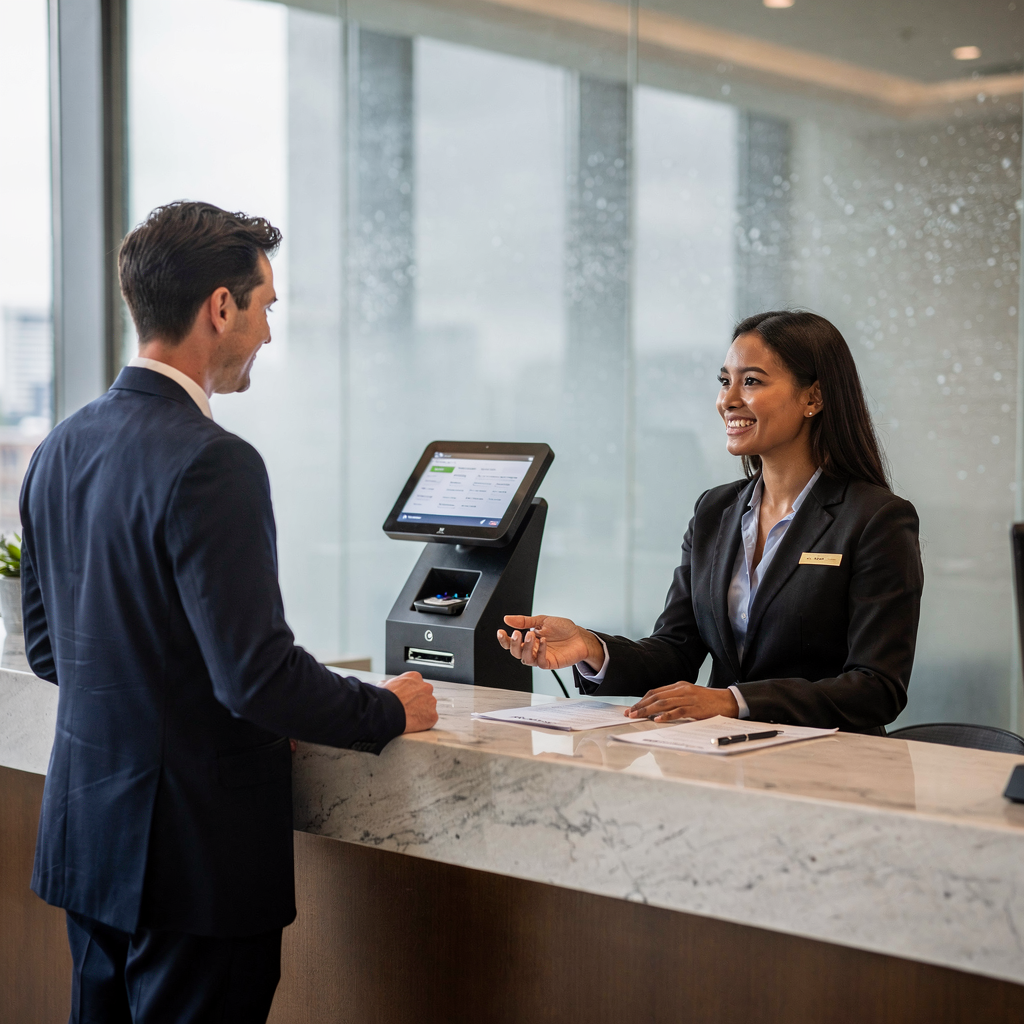
AI agent and the single ai assistant model each reduce routine front desk load. They automate check-in and check-out, confirm reservations, handle faqs and process simple refunds. They also manage conversational booking flows. In practice, a conversational AI or chatbot can take a booking, recommend rate upgrades and answer questions about amenities. This fast handling lowers queue times and improves guest satisfaction.
Hotels can use AI to automate messaging across channels. Web chat captures guests who would otherwise leave for OTAs. Phone bots triage urgent issues. Messaging assistants handle multilingual support for international travellers. Importantly, integration with PMS keeps room status and rates current. Short, consistent replies reduce mistakes and speed reconciliation with property management systems.
Operational benefits also include lower error rates and reduced workload for hotel teams. For example, an AI agent can confirm a late check-in, send a digital key link and update the guest record. This frees hotel staff to manage complex guest requests and maintain service at scale. Staff report that automation helps them focus on high-impact tasks while the system executes repeatable ones.
From a tech view, successful deployments connect conversational AI to the booking engine, the PMS and to payment flows. Vendors supply APIs and templates so hotels can start with common workflows and expand. If your team already automates email-heavy operations, look at integrations that prove ROI quickly. Virtualworkforce.ai automates repetitive email workflows and shows how end-to-end automation reduces handling time; see our virtual assistant logistics page for a comparable use case virtual assistant example.
Drowning in emails?
Here’s your way out
Save hours every day as AI Agents label and draft emails directly in Outlook or Gmail, giving your team more time to focus on high-value work.
hotelier: revenue management, hotel marketing and booking uplift
Hotel revenue teams use AI agent insights to tune pricing and offers. AI systems feed dynamic pricing tools and personalise upsell messages based on a guest profile. As a result, ancillary revenue and conversion rise. Case studies show double-digit uplifts in upsell acceptance when hotels present relevant offers at the right moment.
AI chat also shifts bookings to direct channels. When a conversational agent answers an inquiry fast and offers a tailored rate, guests often complete the booking on-property channels rather than via an OTA. This reduces commission costs and strengthens guest relationships. The shift supports a clear move in hotel marketing toward first-party bookings.
KPIs for a hotelier to track include direct bookings, conversion rate, ADR impact and ancillary revenue. Also measure resolution time, refunds and NPS. Some pilots return ROI within months. For operators used to manual pricing cycles, AI-driven analytics improve response time to demand changes and help revenue management teams focus on strategy rather than data wrangling.
Also consider loyalty programs. A personalized service and timely offers can lift repeat stays. According to research on AI-enabled service attributes, personalized recommendations and fast responses positively influence customer loyalty that study finds. For busy hotel teams facing high volumes of guest emails, automation tools that route and draft replies from operational data reduce errors and accelerate responses. See how automating logistics emails has parallels with automating reservation-related emails automated correspondence.
agentic and agentic ai: agent for hotels and ai travel agents used in travel planning
Agentic AI refers to systems that complete multi-step tasks with minimal human input. In hotel contexts, an agent for hotels can search, compare, hold a room and even rebook after a disruption. Agentic AI is artificial intelligence that can sequence actions across services. These systems act more like an assistant than a tool.
AI travel agents can shortlist options, negotiate rates and alert guests to better choices. They support travel planning by monitoring prices and rebooking when a better option appears. Autonomous ai agents can run these workflows 24/7 and scale across many customers. For hotels, that capability reduces friction and keeps guests loyal when problems arise.
With this power come risks. Agentic deployments need clear guardrails for spend limits, cancellation rules and privacy. You should log decisions so teams can audit automated moves. Also, ensure the AI systems may learn from interactions in controlled ways so they improve over time without drifting from policy.
Practically, hotels must define escalation paths so human staff handle complex or sensitive requests. Safer designs include audit trails and role-based controls. When you combine agentic functionality with conversational ai, you get a smoother guest journey and fewer manual touchpoints. For operations teams already automating repetitive emails, watching how AI routes and resolves requests offers a useful template; explore how to scale logistics operations with AI agents for parallel lessons scale operations guide.
Drowning in emails?
Here’s your way out
Save hours every day as AI Agents label and draft emails directly in Outlook or Gmail, giving your team more time to focus on high-value work.
guest journey and touchpoint automation: seamless check‑in, concierge robots and improved guest experience
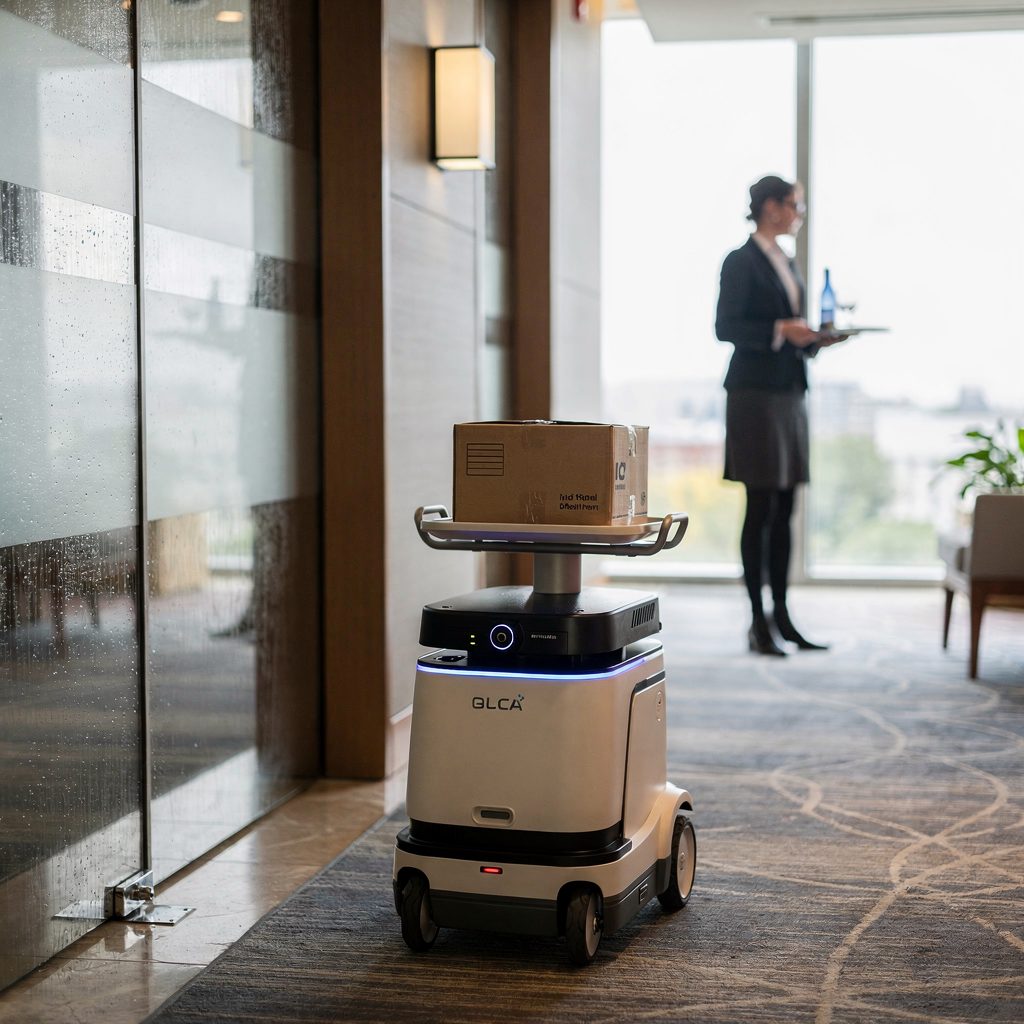
Touchpoints from web search to post-stay feedback now include AI. Sites start with a web chat that converts a visitor to a booking. Then hotels automate pre-arrival messages, digital check-in, room-service ordering and in-stay messaging. Robots handle luggage and F&B delivery in some properties. The net effect is a more seamless guest journey and faster responses.
AI agents are transforming how guests interact with staff. Guests get recommendations based on profile data and prior stays. This personalization makes stays feel more tailored. Studies show AI-enabled robots and assistants can improve guest satisfaction when they handle simple tasks and free staff to address complex requests research on robot assistants.
Combine automation with human touch. Robots and bots handle predictable work. Human staff address complex guest issues. This hybrid model meets guest expectations for speed and warmth. It also helps boutique hotels and luxury hotel brands scale service without diluting quality. In addition, multilingual support opens doors to international markets and reduces misunderstanding at check-in.
For implementation, ensure your PMS and property management systems share data with front‑end bots. Real-time updates prevent overbooking and keep inventory accurate. Aim for a plan that balances novelty with reliability so hotel teams maintain control. When you design the journey, map each touchpoint and measure time to resolution, CSAT and ancillary spend. This data drives continuous improvement and ensures the guest experience really improves over time.
future of hospitality: faqs for implementation, regulation and measurable outcomes for ai agents for hospitality
Start with clear goals. Hotels must set KPIs before you pilot. Focus on conversion uplift, resolution time and revenue per available room. Also track NPS, refunds and complaint volumes. Frame pilots with a clear ROI horizon and choose use cases that show fast wins.
Implementation FAQs include vendor selection, security and staff retraining. Ask vendors about integration with PMS and with your booking engine. Also ask how the system logs decisions and handles data privacy. Frequently asked questions often include how to fallback to a human agent when needed and how to tune tone for brand voice. If your operations team deals with email bottlenecks today, note how similar automation solves those workflows by grounding replies in ERP and other systems. See a related approach in ERP email automation for logistics ERP email automation.
Regulation and ethics matter. Be transparent when an AI agent responds. Provide opt-out choices for guests and respect data protection laws. Monitor automated choices and keep audit trails. Remember that agentic ai and autonomous ai agents can act across services, so governance must match the level of autonomy.
Measure outcomes tightly. Use A/B tests to validate conversion gains and to test message variants. Report on booking process times, upsell acceptance and cost per request. Hotels need to ensure systems improve over time, learn from interactions and remain aligned with business rules. As a practical next step, learn how AI agents are transforming service at scale and plan phased rollouts that protect guest relationships while unlocking operational capacity.
FAQ
What is an AI agent in a hotel context?
An AI agent is software or a robot that automates routine tasks for a hotel, such as answering queries, handling bookings or delivering items. It combines conversational interfaces and backend integrations to act on guest requests and reduce manual work.
How do AI agents improve direct booking conversion?
AI agents convert visitors by answering questions in real time and by offering tailored rates or packages during the booking process. Studies show web chat can triple conversion versus non-AI journeys source, which lowers reliance on OTAs and increases direct revenue.
Do hotels need to change their PMS to use AI agents?
Not always, but integration yields better results. Linking the AI to your PMS and booking engine prevents rate and availability mismatches and enables real-time updates. Property management systems integration is a key step for reliable automation.
Can AI handle multilingual guest interactions?
Yes. Many AI agents include multilingual support to serve international guests. This capability reduces misunderstandings at check-in and improves guest satisfaction across diverse markets.
Are robot concierges useful for luxury or boutique hotels?
Robots can add efficiency and novelty, and they fit well in both luxury hotel and boutique settings when paired with human service. They perform predictable tasks so staff can focus on personalized service and complex guest requests.
What governance should hotels apply to autonomous agents?
Hotels should set spend limits, cancellation rules and escalation paths for agentic systems. Keep audit logs and role-based control so staff can review automated choices and protect guest relationships.
How do I measure ROI for an AI agent pilot?
Track conversion uplift, resolution time, ancillary revenue, NPS and cost per request. Use A/B tests and short pilots to validate assumptions and estimate payback periods.
Will AI replace front desk staff?
No. AI automates repetitive tasks and frees staff for high-value interactions. Hotels need humans to handle complex guest situations and to maintain the brand voice and hospitality standards.
How secure is guest data when AI handles bookings?
Security depends on vendor controls and integration practices. Choose providers that support encryption, audit trails and compliance with local data protection laws. Always verify how data flows between systems.
Where can I learn practical automation examples for operational teams?
Look at case studies where teams automated repetitive, data-driven communications, such as end-to-end email automation in operations. Practical examples and implementation guides appear at virtualworkforce.ai pages that cover logistics and automated correspondence automated correspondence and AI for freight communication freight communication.
Drowning in emails?
Here’s your way out
Save hours every day as AI Agents label and draft emails directly in Outlook or Gmail, giving your team more time to focus on high-value work.