


ai agent, food and beverage, supply chain, food and beverage industry — what AI agents do and why they matter
First, an AI agent is a software system that senses, decides, and acts. Next, it runs rules, learns from data, and interacts with tools. For operations teams a typical AI agent handles monitoring, decisioning, and tool use across logistics, inventory, and customer messages. Also, an AI agent can triage an incoming order, query an ERP, and either route the case or respond automatically. Therefore, AI agents reduce repetitive work and free people for higher-value tasks.
Also, AI agents help in core supply chain functions such as inventory checks, expiry tracking, and routing. For example, studies show that about 64% of businesses expect productivity gains from AI. In addition, academic work highlights how “AI’s intelligence for improving food safety is only as strong as the data it processes” and warns that data quality matters for outbreak detection and supply-chain monitoring (research). Also, case reports show measurable improvements in waste reduction and inventory turnover when teams adopt AI for demand signals and replenishment.
AI agent for food teams can provide clear business cases. First, track waste %, inventory turnover, and on-time fill rate. Next, measure forecast accuracy and days of inventory. Then, compare handling time for operational emails before and after automation. For example, virtualworkforce.ai automates end-to-end email workflows so ops teams can reduce manual triage time and improve response consistency. Also, that approach supports better traceability and faster corrective action in food distribution and quality control. Finally, these metrics show whether an AI agent delivers cost savings, improves operational efficiency, and helps your food and beverage companies stay compliant and agile.
ai-driven inventory management, demand forecasting, workflow, optimize — reduce waste and improve stock levels
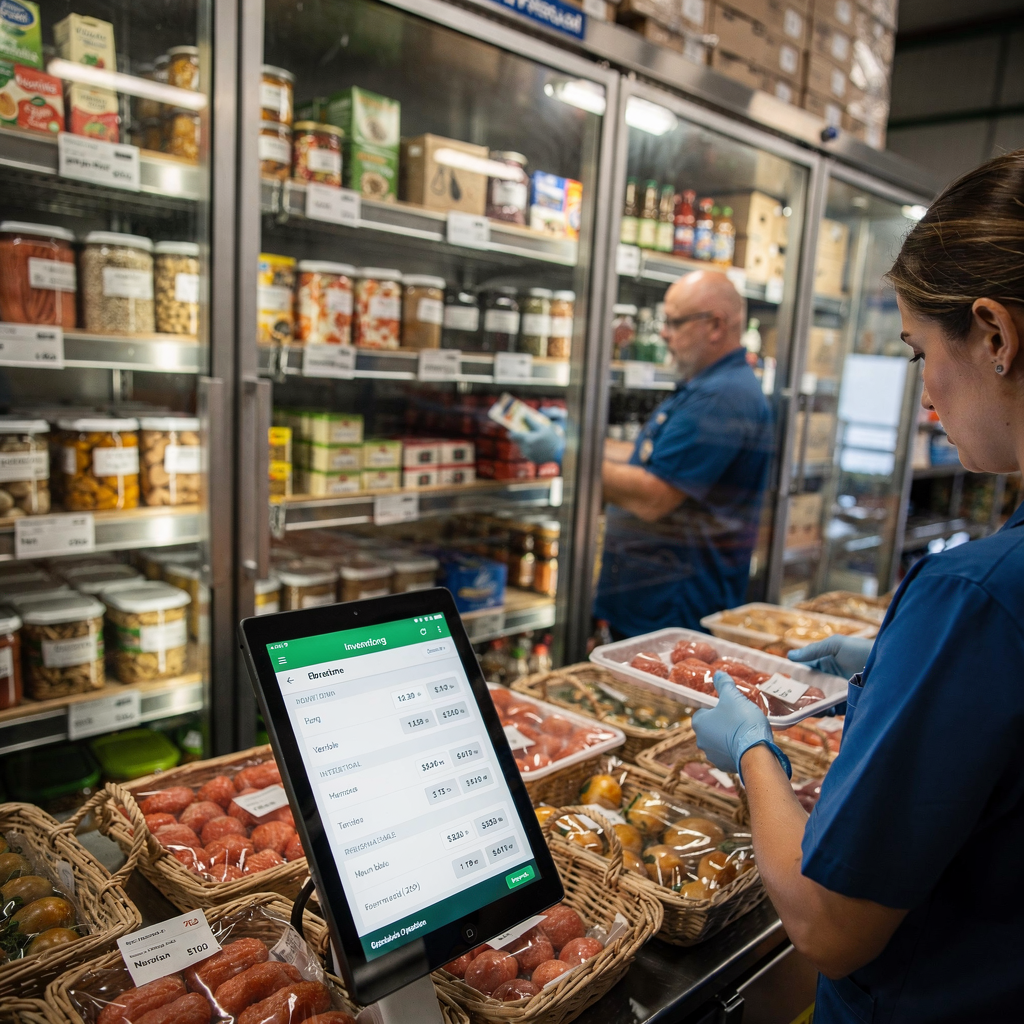
Also, demand forecasting matters for perishable goods. First, AI-driven demand forecasting blends sales history, promotions, weather, and events to predict demand. Next, automated replenishment systems use those signals to place orders and maintain target stock levels. For restaurants and retailers this approach can optimize purchases and reduce spoilage. For example, restaurants using dynamic pricing and targeted discounts move surplus items faster and lower food waste, similar to the Too Good To Go model. In addition, industry case reports suggest reductions in over-ordering and waste on the order of 15–25% when teams adopt intelligent forecasting and automated replenishment.
Moreover, a short implementation checklist helps teams move faster. First, gather point-of-sale and ERP transaction history plus supplier lead times and cold-chain constraints. Then, clean the data and tag SKUs with shelf life. Next, pilot with a handful of high-turn SKUs and measure forecast accuracy, days of inventory, and waste tonnes. Also, define KPIs such as forecast accuracy, days of inventory, and waste tonnes. Additionally, connect the AI to inventory management systems and supplier portals so replenishment can automate without manual data rekeying.
Practical benefits appear quickly. For example, improved forecast accuracy reduces safety stock. Then, stock levels fall and working capital improves. Also, better turnover reduces the risk of expired inventory and cut losses on perishable lines. Therefore, teams report cost savings and operational efficiency improvements. Finally, invest in a clear change plan and train staff on exception handling so automation complements human judgment. If you want a model that automates operational emails and data lookups to support reorder flows, see virtualworkforce.ai’s pages on logistics email automation for real operations workflows logistics email drafting AI and automated logistics correspondence automated logistics correspondence.
Drowning in emails?
Here’s your way out
Save hours every day as AI Agents label and draft emails directly in Outlook or Gmail, giving your team more time to focus on high-value work.
agentic ai, automation, food distribution, food distributors — autonomous logistics and route optimisation
First, agentic AI means systems that plan, act, and coordinate across multiple tools and teams. Next, autonomous AI agents can propose routes, reassign deliveries, and alert drivers when conditions change. Also, these agents use optimization algorithms to minimize time in transit and to protect product freshness. For food distributors that step reduces spoilage and keeps products within cold-chain windows. In addition, on-device sensing and TinyML enable real-time quality checks and immediate interventions at the pallet or truck level, which improves traceability and reduces losses.
Moreover, route optimisation often yields fast returns. For example, companies that use route and load planning report lower fuel cost and shorter delivery times. Also, fewer delays cut the risk of product freshness loss and reduce claims. Therefore, agentic systems that tie dispatch, TMS, and warehouse systems can automate reroutes when weather or traffic changes. In addition, AI agents can coordinate backhaul and suggest consolidation opportunities that reduce empty miles.
However, risks exist and controls matter. First, data quality from suppliers and telematics must be reliable. Then, governance rules must prevent autonomous agents from taking unsafe actions. Also, put audit trails in place so every decision is traceable for regulatory compliance and quality control. Next, define escalation thresholds where human approval is required. Finally, combine autonomous AI agents with proven basic automation tools and an ai platform that integrates ERP and TMS data. If you manage freight and customs correspondence, consider solutions that automate message drafting while grounding replies in operational systems AI for freight forwarder communication and ERPs ERP email automation for logistics.
ai-powered, generative ai, product development, accelerate, future of food and beverage, future of food — speed R&D and launch new products
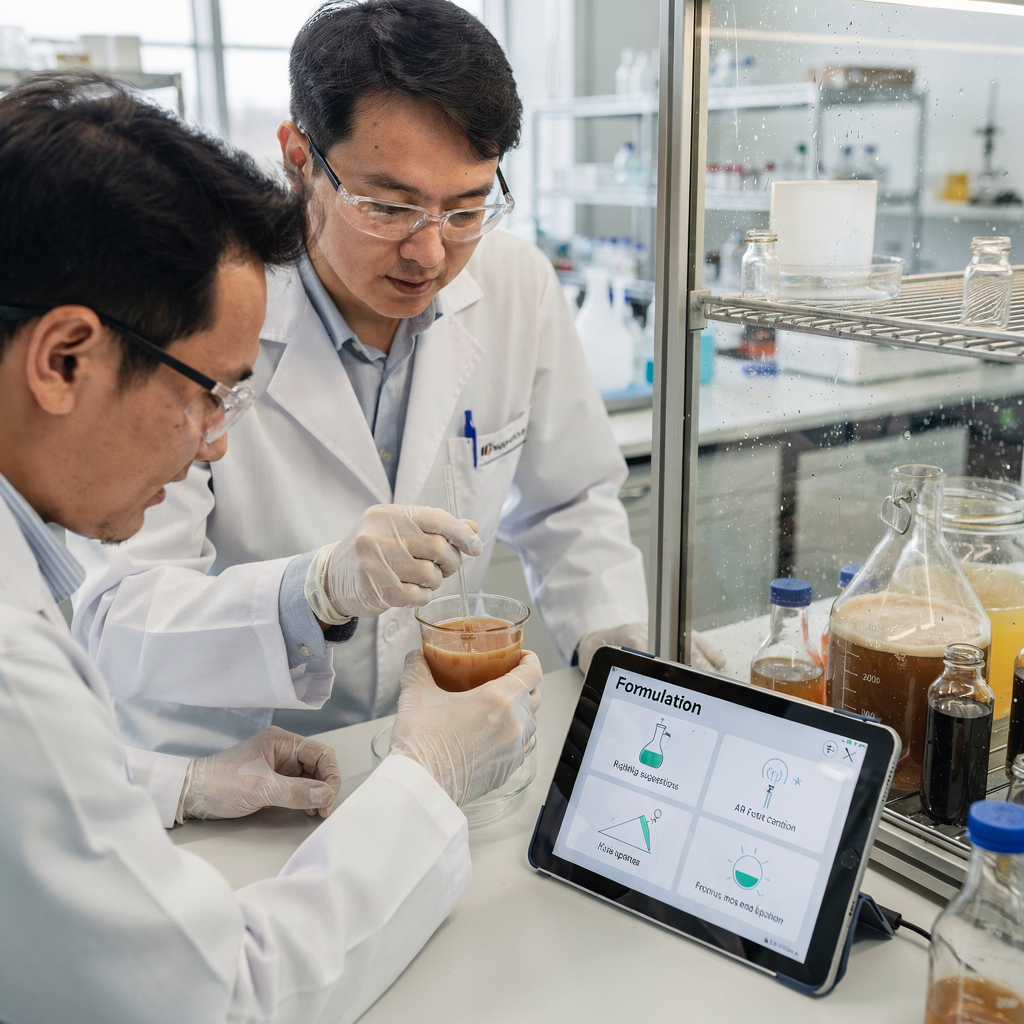
First, AI-powered experimentation speeds the discovery of new formulations and flavor compositions. Next, generative AI can propose novel ingredient blends and route plausible prototypes for lab testing. Also, surrogate models shorten iteration cycles by predicting process outcomes and sensory scores. For R&D teams, that reduces the time and cost of bringing a new product to market. In fact, industry reports from McKinsey note that AI can accelerate product development cycles and address rising R&D costs (McKinsey).
Also, machine learning and digital screening let teams virtually filter thousands of candidate formulas before any bench work. Then, labs focus only on the most promising leads. As a result, you accelerate validation and cut reagent and sensory testing costs. Additionally, companies use ai-driven surrogate models in manufacturing to fine-tune process variables and to preserve consistency at scale (MDPI). Therefore, teams can reduce time-to-market for a new product while improving predictability of production output.
Practical guidance for pilots: first, define a narrow objective such as a single shelf-stable sauce or beverage. Next, integrate lab LIMS data and supplier specifications into an ai platform. Then, set guardrails for intellectual property and regulatory compliance so you protect formulations and meet food safety regulations. Also, ensure the pilot plans to measure sensory fit, cost per unit, and time to scale. Finally, collaborate with formulation scientists so generative AI suggestions stay practical. For teams that want to drive innovation and scale your business, AI can help you adapt quickly in a fast-paced market and support the future of food and beverage development while ensuring regulatory compliance.
Drowning in emails?
Here’s your way out
Save hours every day as AI Agents label and draft emails directly in Outlook or Gmail, giving your team more time to focus on high-value work.
ai agents in food, food supply chain, use cases, seamless, across the food and beverage — safety, compliance and quality control
First, use cases for AI agents in food are concrete. For example, outbreak detection, allergen tracking, expiry management, and traceability all benefit from automated monitoring. Also, AI models detect patterns in supplier reports and point-of-sale spikes that might signal a recall risk. In addition, automated compliance reporting simplifies audit prep and regulatory submissions. Therefore, teams can react faster and with more precision when a problem arises.
Also, empirical work has shown AI helps outbreak detection and supply-chain monitoring when data is strong (research). Next, TinyML and edge analytics let plant-floor devices perform checks without heavy cloud latency, enabling real-time alerts for temperature excursions or packaging defects (review). Also, surrogate process models improve product consistency in manufacturing (MDPI case). Therefore, AI agents can form a seamless monitoring layer across procurement, production, and distribution.
Implementation tips help operations teams adopt safely. First, build data lineage and audit trails so every decision links back to source values. Then, embed traceability tags at SKU and batch level so recalls isolate quickly. Also, integrate automated alerts with your operational inboxes and workflows so staff receive context-rich messages rather than raw alarms. For example, virtualworkforce.ai maps email intent and data from ERP, TMS, and WMS to produce traceable replies and structured records. Finally, prioritize quality control metrics, such as defect rate, time-to-detect, and corrective action time, and track improvements after deployment.
ai adoption, ai tools, use ai, forecast, ai across, food industry — implementation roadmap, metrics and next steps
First, a phased roadmap keeps risk low and value high. Also, start with quick wins such as demand forecasting pilots and expiry alerts. Then, expand to mid-term projects like route optimisation, autonomous scheduling, and intelligent automation for communications. Next, plan long-term for agentic orchestration and autonomous ai agents that coordinate across ERP, TMS, and WMS. In addition, choose between vendor solutions and build options based on domain fit, time-to-value, and governance needs.
Also, common AI tools include forecasting engines, optimization solvers, TinyML sensors, and large language models for communications. Then, combine those tools with an ai platform that supports data-driven governance and traceability. For logistics-heavy teams, look at vendor pages describing how to scale logistics operations without hiring and how to automate routine freight messages scale logistics operations and AI in freight logistics communication. Also, map change management steps and train users on exceptions and escalation paths.
Measure success with clear metrics. First, track forecast accuracy, waste reduction %, and inventory turnover. Next, monitor time to market for new product launches and safety incident rates. Also, quantify cost savings from reduced spoilage and from lower labor handling time. Finally, build governance that documents data sources, model versions, and decision thresholds so you can audit and improve over time. By following this roadmap, food and beverage brands can adopt AI solutions that streamline operations, improve customer service, and help teams stay ahead of the competition.
FAQ
What is an AI agent and how does it differ from standard automation?
An AI agent is a system that senses its environment, makes decisions, and acts, often learning from data. Standard automation follows fixed rules, while an AI agent adapts and can use data-driven models to handle new or ambiguous situations.
Can AI reduce food waste in my operation?
Yes. AI-driven demand forecasting and automated replenishment can cut over-ordering and spoilage. Studies and case reports often cite reductions in waste of 15–25% when teams apply intelligent forecasting and automated inventory actions.
How quickly can a pilot show results?
Quick pilots for forecasting or expiry alerts can show measurable gains within weeks. However, connect data sources and validate model outputs carefully to ensure results are reliable and reproducible.
Are there risks with autonomous routing decisions?
Yes. Data quality, governance, and safety checks are essential to avoid harmful or costly actions. Implement audit trails and escalation thresholds so human teams can review and override autonomous AI decisions.
How does generative AI help product development?
Generative AI proposes new formulations and accelerates screening by suggesting candidate recipes based on constraints. Then, scientists test the most promising candidates, which reduces lab time and cost.
What data do I need for demand forecasting?
Point-of-sale, historical orders, promotions, supplier lead times, and shelf-life data form the core inputs. Also include external signals such as weather and local events to improve predict demand accuracy.
How do AI agents support compliance and traceability?
AI agents can tag batches, log decisions, and generate audit-ready reports automatically. Also, they speed investigation during recalls by linking trace data across suppliers, production, and distribution.
Should we buy an AI platform or build in-house?
That depends on your team’s skills, time-to-value needs, and governance requirements. Vendors can accelerate adoption, while in-house builds provide control; often a hybrid approach works best.
Can AI improve customer service in food and beverage?
Yes. AI assistants and automated email workflows reduce response times and increase consistency. For logistics and order queries, automated drafting grounded in ERP and TMS data improves accuracy and speed.
What metrics should we track first?
Start with forecast accuracy, waste reduction %, inventory turnover, and time to respond to operational emails. Also track safety incident rates and time-to-market for new product launches so you measure both cost savings and strategic impact.
Drowning in emails?
Here’s your way out
Save hours every day as AI Agents label and draft emails directly in Outlook or Gmail, giving your team more time to focus on high-value work.