


ai in hotel groups: what AI agents are and why the hotel industry must act now
AI in hotel groups refers to software that uses natural language processing, machine learning and large language models to answer guests, personalise offers and manage bookings in real-time. An AI agent can handle routine guest inquiries, route requests and suggest upsells at the point of interest. What an AI agent does is simple to state: it reads intent, consults guest profiles and responds with context-aware messages. Hotels using AI agents report measurable commercial gains. For example, more than 70% of hotel groups had adopted these tools by 2025 to increase direct bookings and reduce third-party fees (source). The same studies show a 15–20% lift in direct reservations after deployment and typical RevPAR uplifts of 5–10% when AI pricing tools run continuously (source).
Why act now? Distribution shifts are accelerating. Distribution Darwinism means intermediaries and new agents change how inventory moves. Hotel groups that delay risk losing share and paying higher OTA commissions. Short-term gains include faster response times and direct booking increases. Long-term gains include improved guest engagement, reduced operational costs and stronger guest loyalty. A leading analyst put it succinctly: “AI agents are not just tools but strategic partners that enable hotels to create more meaningful and profitable guest interactions” (quote).
Context matters. Integrate AI with property management systems and channel feeds to make pricing and availability reliable. Measure adoption and recovery metrics quickly. As a practical note, our platform virtualworkforce.ai automates high-volume email workflows and can plug into reservation and CRM feeds to reduce manual triage and improve speed. For hotelier teams, acting now preserves margin and positions brands to compete in an era of intelligent agents.
hospitality industry use cases: how ai agent improves booking conversion and guest experience
AI agents for hospitality drive higher conversion by intercepting demand and nudging travellers to book direct. For booking automation, agents integrate with a booking engine and with property management systems to offer real-time availability, confirm hotel reservations and handle modifications. Hotels see faster confirmations and fewer abandoned sessions when an AI booking widget answers questions as shoppers compare dates. Case studies of large chains show AI chatbots reduced response time by up to 50% and materially increased direct reservations (source).
Personalisation and translation matter. Generative AI and multilingual capabilities let teams serve guests across multiple languages and multiple languages improves conversion for international segments (source). An AI concierge or ai voice interface can propose upsells, room upgrades and dining offers that match guest segments and booking patterns. This raises conversion and improves the guest experience at each touch.
Practical use cases include intercepting direct booking campaigns, automated booking amendments, multilingual chat and personalised upsell messaging. Key KPIs to track include direct bookings %, conversion rate on the direct channel, response time, and guest satisfaction or guest feedback. Track guest queries and guest inquiries to spot friction. Intelligent agents can reduce time to answer and increase conversion while freeing hotel staff to focus on complex guest needs and in-person guest service.
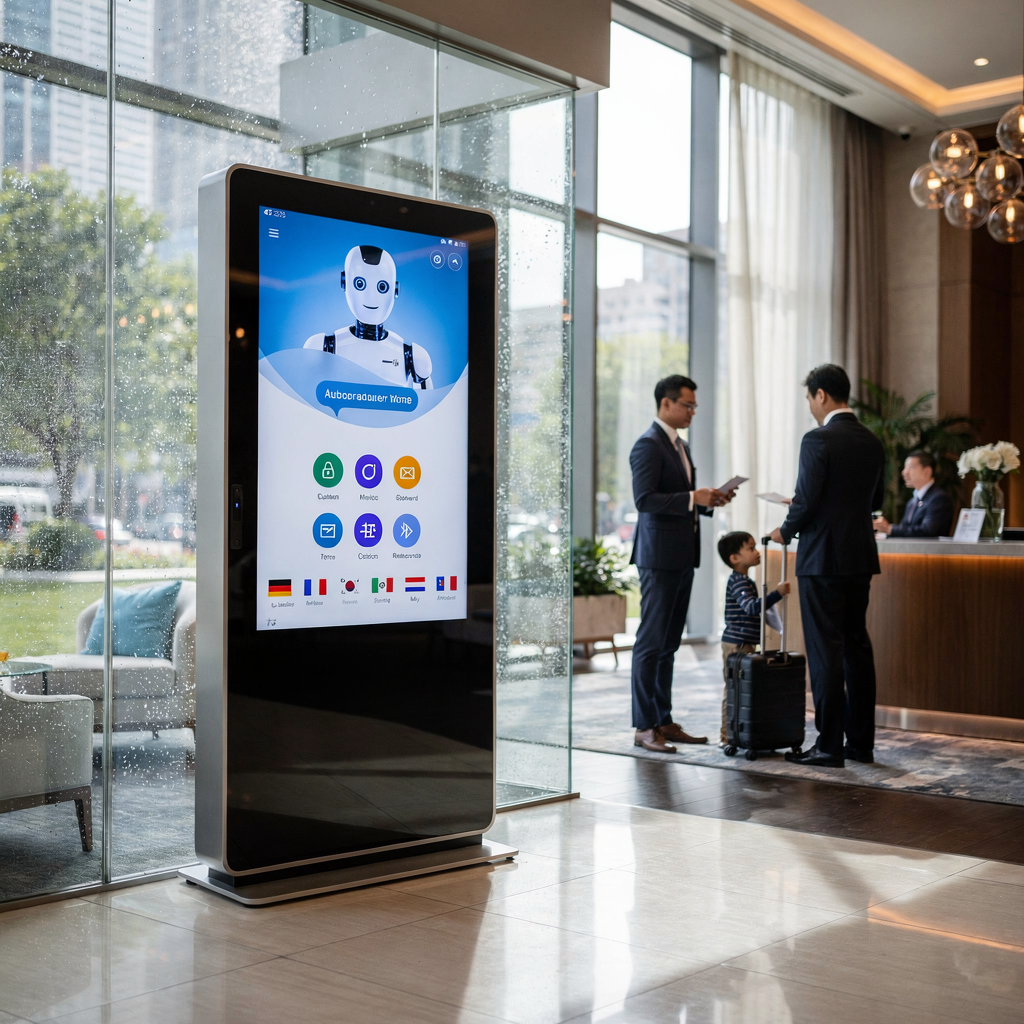
Drowning in emails?
Here’s your way out
Save hours every day as AI Agents label and draft emails directly in Outlook or Gmail, giving your team more time to focus on high-value work.
hotel ai and hotel tech for revenue: how to recover lost revenue and optimise RevPAR
Revenue playbook starts with dynamic pricing and accurate demand forecasting. AI pricing engines apply analytics and machine learning to react to demand shifts and competitor moves. Hotels and resorts that adopt AI-driven revenue management recover lost revenue from static price rules and reduce leakage on high-demand dates. Implementations of RMS often report a 5–10% RevPAR gain when models run live and integrate with booking tools (source).
Integration checklist is straightforward. Connect RMS to property management systems, the booking engine and channel manager. Ensure management systems sync inventory and that guest data flows into pricing signals. A/B test price rules and measure uplift by segment. Monitor OTA share and set targets to increase direct bookings through targeted campaigns. Use analytics to spot patterns by guest segments and booking patterns. These insights that help revenue teams identify lost opportunities.
Measuring ROI and payback requires metrics. Track net room revenue, RevPAR, direct booking conversion and reduction in OTA commissions. Start a pilot on a high-volume property and aim to recover lost revenue within a few months. AI agents improve revenue decisions when they feed demand signals into the RMS. For hoteliers, the ROI is clearer when AI provides transparent rules and historical performance. Also consider governance: define who owns price rules and who signs off on daily changes to avoid unintended margin erosion.
For teams focused on operations, tying RMS outputs to operational staffing plans reduces cost and limits overbooking. Tools that streamline revenue tasks free hotel staff to serve guests during peak times and improve guest satisfaction overall.
automate operations with ai agents for hospitality to keep the guest journey seamless and never miss requests
Mapping the guest journey is the first step to automate routine workflows. Identify triggers from booking to check-in, in-stay service and check-out. Intelligent agents can handle FAQs, process room-service orders, create maintenance tickets and update housekeeping schedules. This reduces response time and lowers the number of missed requests. Case studies show hotels using chatbots and conversational platforms reduce wait times and increase guest satisfaction scores (source).
Automation rules and fail-safes must be clear. Set triggers for escalation to a human when an inquiry is urgent or complex. Keep an audit trail for compliance and guest care. Agents that automate email and messaging workflows can integrate with ERP-like hotel systems and property management systems to pull reservation status and guest profiles. This approach ensures responses are grounded in accurate data and helps answers guest questions with context.
Operational wins include faster resolution and fewer missed guest requests. Staff to focus on high-value interactions while AI handles volume. A practical implementation route is to start with high-frequency inquiries such as check-in procedures, late check-out requests and simple amendments to hotel reservations. Then expand to room amenities and local recommendations. Design escalation flows so front desk teams receive full context when a handover occurs. This reduces friction and preserves service standards across multiple properties.
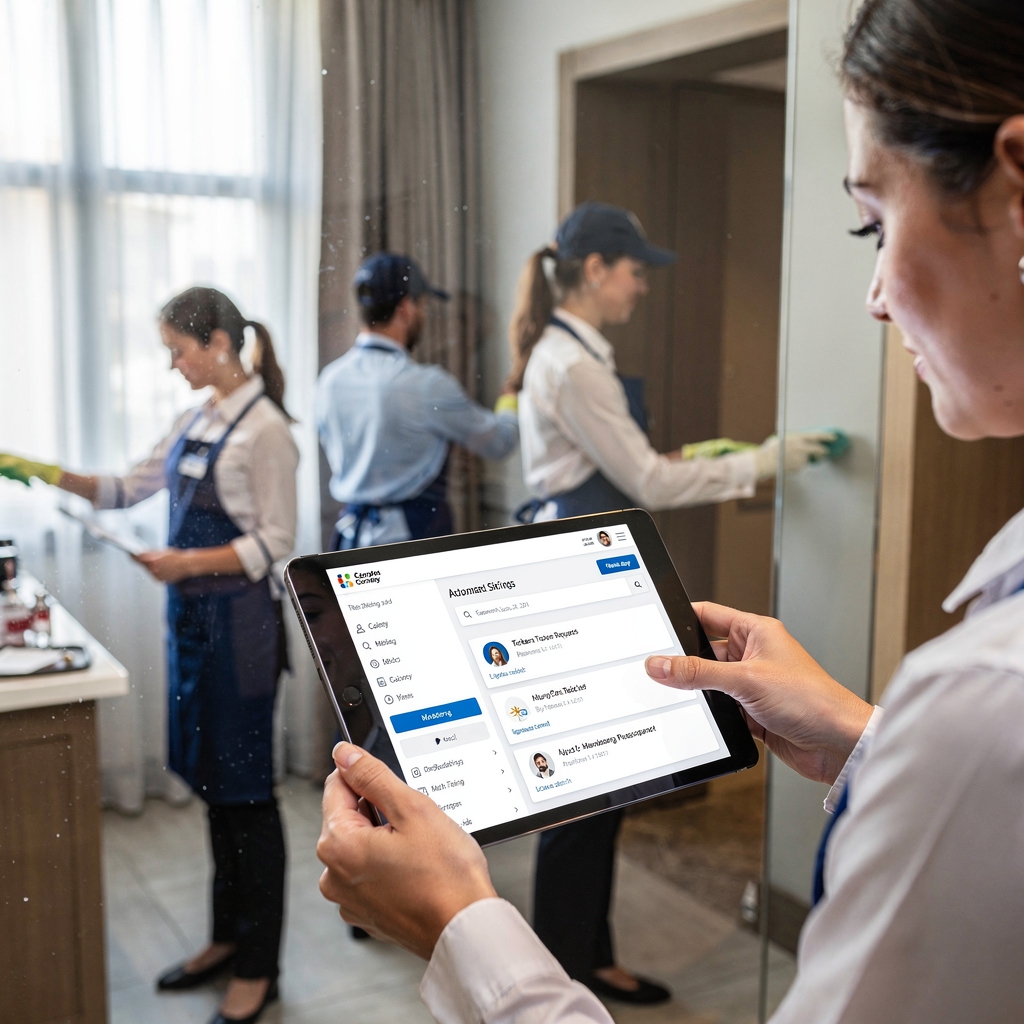
Drowning in emails?
Here’s your way out
Save hours every day as AI Agents label and draft emails directly in Outlook or Gmail, giving your team more time to focus on high-value work.
agent for hotels and intelligent agents that boost hotelier productivity and staff support
AI acts as an assistant for hotel staff, freeing teams from repetitive work and enabling better guest care. An agent for hotels can surface guest history, suggest personalised experiences and draft replies for common guest communications across email and chat. virtualworkforce.ai focuses on automating the full email lifecycle for ops teams, which is especially useful when hotel staff juggle high volumes of operational messages. The platform learns context, routes messages and drafts grounded replies so employees spend less time on manual lookups and more time on guest support.
Roles and responsibilities must be defined. Decide which tasks AI handles autonomously and which require human sign-off. Train staff to trust AI suggestions and to edit drafts rather than rewrite them. Use the technology acceptance model to measure acceptance: perceived usefulness and ease of use predict adoption (source). Regular accuracy checks, governance and guest-acceptance surveys keep systems aligned with guest expectations.
Benefits for hoteliers include operational efficiency, consistent service standards and faster decision-making. AI answers routine guest inquiries and surfaces analytics to inform offers and staffing. This helps hotels deliver personalized guest service at scale while keeping the human touch for complex guest needs. Introduce model update governance and a cadence for measuring guest satisfaction and guest satisfaction scores. With clear ownership, the hotelier gains a reliable assistant that supports staff and elevates hospitality excellence across properties.
best ai and hospitality ai solutions: selection, deployment, frequently asked questions and next steps
Procurement checklist should prioritise accuracy of NLP, multilingual support and integrations. Evaluate vendors for property management systems, CRM, RMS and booking engine compatibility. Check security, data residency and demonstrated ROI. The best ai picks balance powerful ai with clear controls so teams can govern updates and escalations.
Pilot metrics matter. Run a pilot on a single brand segment or a boutique hotels unit. Track direct booking uplift, response time, guest feedback and the rate of correct auto-resolves. A rapid pilot lets you measure increase direct bookings and guest engagement before a full roll-out. For teams that need email automation, see examples of how to automate logistics and customer correspondence with AI to learn patterns for operational email automation Learn more. If you want to connect AI replies into Gmail or Outlook, there are resources on automating emails with Google Workspace and virtualworkforce.ai (integration guide).
Top FAQs include privacy, GDPR controls, handover to human agents, multilingual errors and maintenance costs. Address these early and include SLAs and audit logs. A quick rollout plan looks like this: choose a high-volume property, integrate with PMS and the booking engine, run a 90-day pilot, then scale with a documented playbook. For another practical read on scaling with AI agents, review a guide about how to scale logistics operations without hiring, which shares lessons relevant to hotel operations and staffing models (scaling guide).
Finally, build governance for model updates, keep a human-in-the-loop for sensitive decisions and measure results carefully. Use analytics and guest reviews to fine-tune offers. That process helps hotels recover lost revenue and maintain consistent customer experience as new ai tools roll out.
One-page checklist
– Pilot metrics: direct booking %, conversion, response time, CSAT and RevPAR uplift target (5–10%).
– Integrations: property management systems, booking engine, RMS and CRM.
– Governance: owner for price rules, escalation flows, data residency and GDPR controls.
– Training: staff acceptance checks, regular accuracy audits and guest-acceptance surveys.
– Scale plan: 90-day pilot, A/B price tests, measured rollout across multiple properties.
FAQ
What is an AI agent and how does it differ from chatbots?
An AI agent is software that uses NLP, machine learning and LLMs to act on intent, not just respond. While chatbots answer scripted prompts, an AI agent can access guest profiles, booking engine data and automation rules to resolve tasks. It therefore provides a deeper, data-driven service.
Can AI improve direct booking performance?
Yes. Hotels using AI tools report a 15–20% lift in direct reservations in published studies (source). AI helps by answering guest queries promptly, personalising offers and reducing friction in the booking engine.
How do I protect guest data and comply with privacy rules?
Choose vendors that offer clear data residency and GDPR controls. Implement access policies and audit logs so guest data stays secure. Define which data fields the AI can use and require human approval for sensitive actions.
Will AI replace hotel staff?
No. AI is designed to handle volume and routine inquiries so hotel staff can focus on complex guest needs and high-value service. It reduces workload and improves response speed while preserving the human touch where it matters.
How do I measure ROI for an AI deployment?
Track direct booking %, RevPAR, response time, guest satisfaction and reductions in manual handling time. For email-heavy ops, measure handling time per message and the reduction in escalations. These KPIs show payback and guide scale decisions.
What is the best way to start a pilot?
Pick one high-volume property or a brand segment. Integrate the AI with your property management systems and booking engine. Run a 90-day pilot with clear KPI targets and A/B tests for pricing and messaging.
How do multilingual features work in AI for hotels?
Generative AI and translation components let agents converse in multiple languages and multiple languages support. Test common languages for your guest mix and monitor accuracy. Escalate errors to humans quickly to protect guest experience.
Can AI handle booking changes and cancellations?
Yes. With integrations into the booking engine and PMS, AI can modify reservations, process cancellations and confirm updates in real-time. Ensure business rules prevent unwanted refunds or policy breaches.
What governance should I put in place?
Define owners for price rules, escalation matrices and model update schedules. Conduct regular accuracy checks and guest-acceptance surveys to ensure the system meets guest expectations. Keep an audit trail for compliance.
How does AI help recover lost revenue?
AI pricing tools and agents that personalise offers reduce leakage on high-demand dates and encourage direct bookings. By connecting RMS, analytics and guest interactions, hotels can identify upsell opportunities and recover lost revenue through smarter decisions (source).
Drowning in emails?
Here’s your way out
Save hours every day as AI Agents label and draft emails directly in Outlook or Gmail, giving your team more time to focus on high-value work.