


Why ai matters now in the hotel industry and hospitality
AI matters now for hotels because guest expectations are rising and operations must scale quickly. First, hotels face higher volumes of routine tasks. Next, staff need tools to regain time. Third, owners want clear ROI on tech investments. For proof, consider that 78% of hotel chains have integrated AI across roughly 11,000 properties, and that 89% plan to expand AI soon. These stats show adoption is not a fad but a structural shift.
AI reduces repetitive workload and speeds responses. It also supports personalized offers that drive revenue and loyalty. Therefore hotels can lift service levels and cut cost without replacing staff. For example, an AI can triage guest inquiries, route them, and draft replies. Then staff handle exceptions. This approach improves consistency and saves minutes on each interaction.
AI also helps management meet sustainability targets. Agentic AI analyzes energy use and occupancy patterns and suggests optimizations that lower waste. As Smartvel explains, “Agentic AI is perfect for hospitality because it not only personalizes guest interactions but also helps hotels become more sustainable by analyzing energy consumption data and optimizing resource use” (Smartvel). Thus hotels can enhance guest comfort while trimming energy bills.
Quick takeaway: view AI as a tool to enhance human teams. Staff gain focus on high-value guest service. Technology handles routine tasks like confirmations, simple complaints, and FAQ responses. Consequently guest satisfaction often improves. Hotels should plan pilots that measure conversion, response time, and guest satisfaction scores. Finally, to learn how AI agents can scale operational email workflows in non-hotel sectors and how that experience maps to hospitality, read a practical guide on how to scale logistics operations with AI agents.
How an ai agent and concierge can automate booking and improve the guest journey
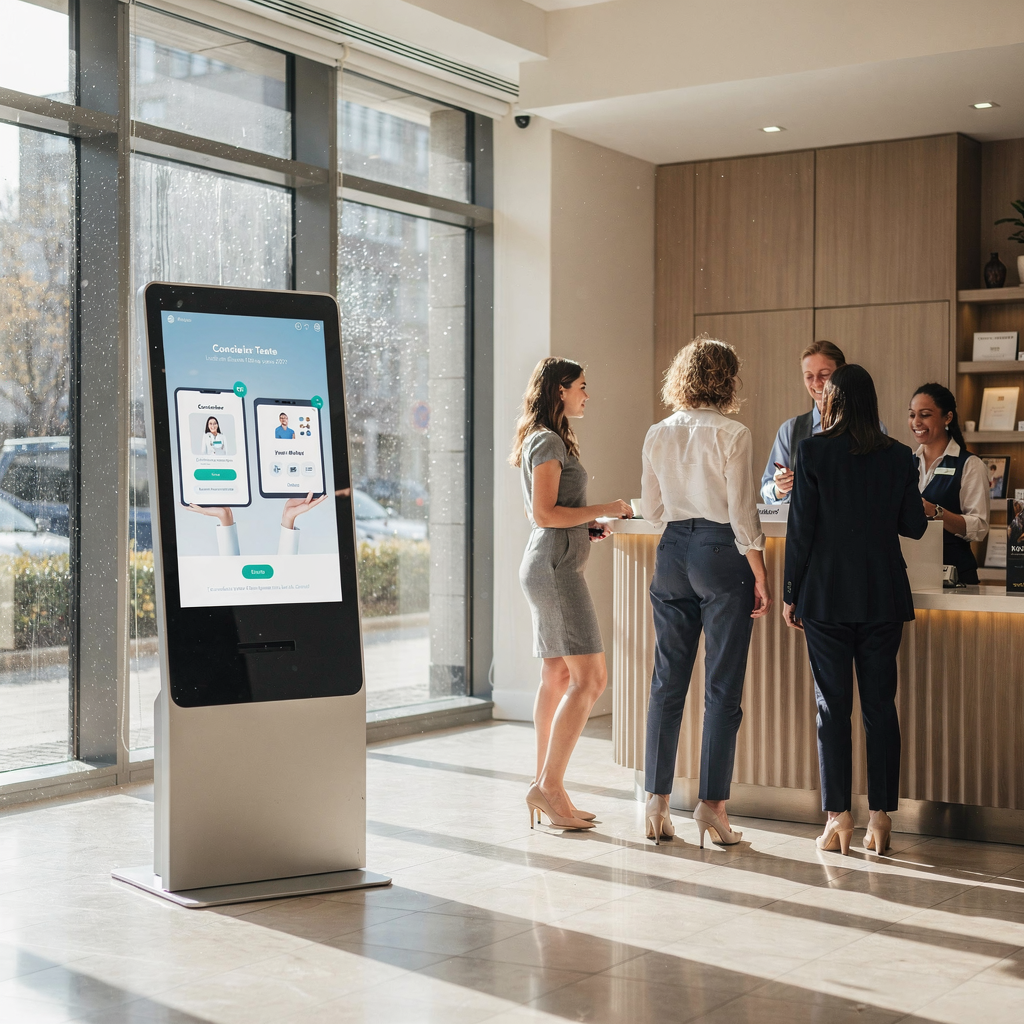
An AI agent can act as a virtual concierge all day and night. It answers questions, handles upgrades, and completes booking flows. For guests this reduces wait times and gives instant personalization. For hotels this boosts conversion on upsells and reduces front desk queues. Studies show AI agents improve booking speed and satisfaction. For context, many hotels report faster check-in and better guest satisfaction after automating key touchpoints.
Start with 24/7 virtual concierge services that handle common guest inquiries. Then add multilingual support to reach more guests. AI supports room recommendations, local experiences, and tailored offers. For example, an AI booking assistant can confirm availability, apply loyalty benefits, and present relevant upgrades. This streamlines the guest booking path and reduces abandoned booking requests.
Practical steps work best. First, implement booking automation for simple reservations and confirmations. Second, add scripts for common concierge requests such as directions, check-in time, and room service menus. Third, integrate with property management and payment systems so responses are accurate and fast. You can begin with a single booking flow, measure results, and then expand to more complex offers. An AI assistant that links to your hotel management systems and property management systems prevents errors and keeps data consistent.
AI also personalizes the guest journey in real time. It uses guest data and past stays to suggest relevant amenities. As a result hotels deliver personalized service without slowing staff. For hotels that want to test an email-centered ops approach, virtualworkforce.ai offers examples of automating operational messages and improving response time; see a guide on automate emails with Google Workspace and virtualworkforce.ai. Start small. Then measure conversion and guest satisfaction metrics. Over time the AI concierge will handle more requests and free teams for higher-value guest service.
Drowning in emails?
Here’s your way out
Save hours every day as AI Agents label and draft emails directly in Outlook or Gmail, giving your team more time to focus on high-value work.
Agent for hotels: operational gains, energy use and hotels use of agentic ai
AI agents help hotel operations in three clear ways: scheduling, predictive maintenance, and energy optimization. First, AI schedules housekeeping based on bookings and real-time occupancy. Second, AI predicts maintenance needs before failures occur. Third, AI analyzes HVAC and lighting patterns to reduce energy waste while keeping guests comfortable. These improvements translate into lower costs and higher operational reliability.
Agentic AI plays a special role. It can act across multiple systems to coordinate actions. For example, agentic AI can adjust HVAC set points when occupancy falls and then inform housekeeping to delay cleaning in empty rooms. Smartvel notes that agentic AI reduces waste and lowers carbon footprint while preserving guest comfort (Smartvel).
Operational pilots deliver measurable ROI. Start by piloting AI on a single system such as HVAC. Then monitor energy use and guest satisfaction. Hotels often see measurable energy savings within months. Independents tend to see faster ROI than big chains because they can implement changes faster and test local strategies; a report on AI adoption highlights faster ROI for independents (source).
Implementation advice is practical. Integrate AI with hotel systems and property management systems to ensure data flows correctly. Use dashboards to track key KPIs and to surface exceptions to staff. Also ensure that AI agents escalate complex guest requests to humans with full context. For example, virtualworkforce.ai automates the lifecycle of high-volume emails for operations teams and shows how to reduce handling time while preserving traceability; see a study on virtualworkforce.ai ROI for operations here: virtualworkforce.ai ROI for operations.
Finally, aim to automate hotel workflows incrementally. Implement one pilot, measure energy saved and guest satisfaction, and then scale. Doing so proves value. It also builds confidence among hotel staff. That combination accelerates broader adoption across the property and across hotel groups.
types of ai agents crushing routine tasks: chatbots, ai agent for hospitality and humanoid assistants
Hotels use several types of AI agents. Each type fits specific tasks. Rule-based chatbots handle high-volume FAQ. Conversational AI agents manage more complex guest requests. Agentic AI plans and executes multi-step tasks. Physical humanoid assistants act as visible guest-facing staff. Choose the right type based on the task and ROI prediction.
Chatbots scale cheaply. They answer basic questions and free staff to focus on finer guest interactions. For example, chatbots can confirm hotel policies, share check-in times, and list room service options. However chatbots need good content and frequent updates. For more nuanced tasks, an AI assistant that uses natural language and context works better. This type can handle booking modifications or group reservations and it can integrate with hotel management systems to update availability instantly.
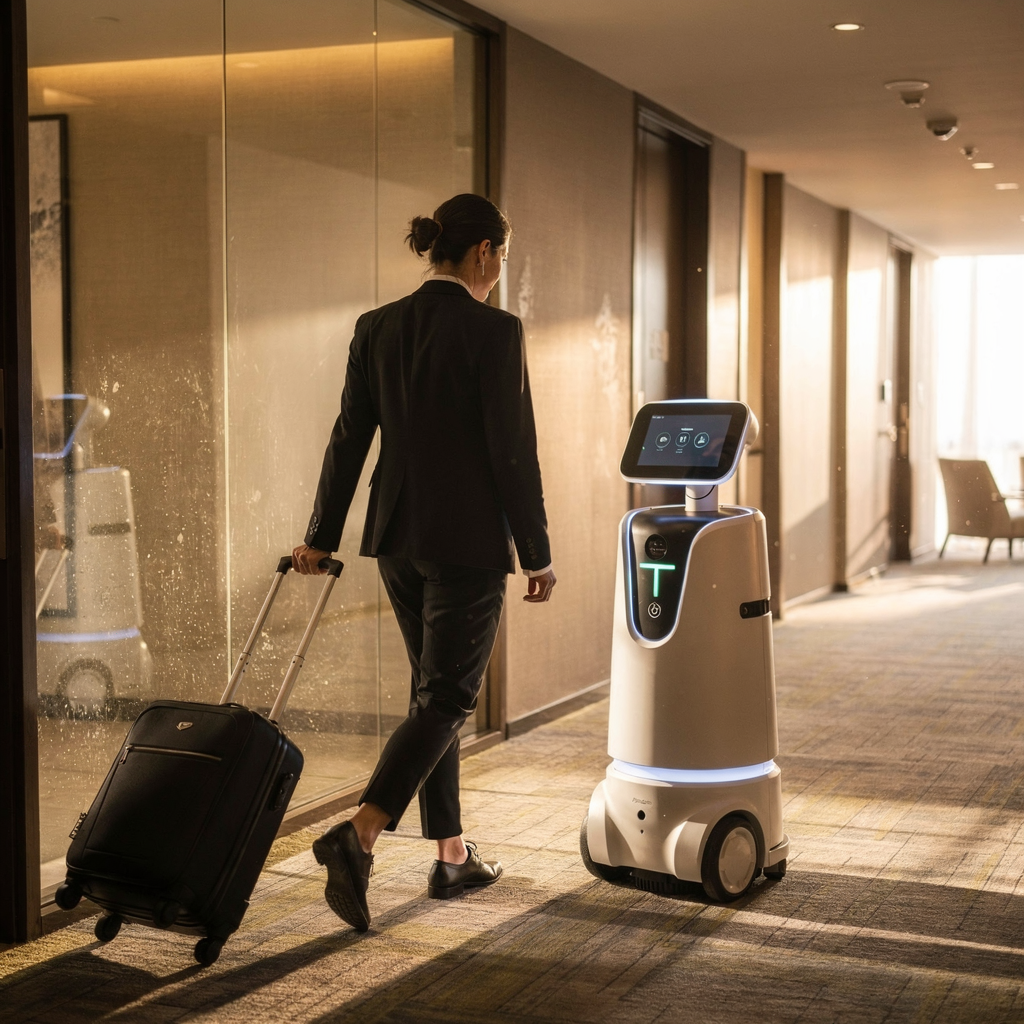
Agentic AI excels at workflows. It can coordinate housekeeping, maintenance teams, and energy systems. It also handles multi-step guest scenarios like late check-in that requires room readiness, billing adjustments, and a welcome message. A full ai agent can connect to multiple data sources, including property management systems, and deliver a consistent outcome. Meanwhile humanoid agents add a unique touch. They improve guest engagement and the visible guest service experience. Yet they require investment and a clear use case to justify cost.
Selection rule: match agent type to the task. High-volume, repetitive inquiries favor chatbots. Complex guest needs that require orchestration favor an AI agent for hospitality or agentic AI. For hotels aiming to automate hotel emails and repetitive ops messages, systems like virtualworkforce.ai demonstrate how to route and resolve messages while escalating only when needed; see the example automation for logistics email drafting at logistics email drafting AI. Choose tools that integrate with hotel systems, support multilingual support, and provide a dashboard for KPIs. That approach helps hotels decide which investment will deliver the best ROI.
Drowning in emails?
Here’s your way out
Save hours every day as AI Agents label and draft emails directly in Outlook or Gmail, giving your team more time to focus on high-value work.
Picking the best ai and ai agent for hotels: ai tools, integration and ROI in independent and chain properties
Choosing the best AI means balancing speed, integration, and value. Independents often see faster ROI because they can test quickly. Chains focus on standardization, data governance, and enterprise integrations. Before procurement, define measurable KPIs such as conversion, response time, energy saved, and guest satisfaction by offering new services.
Use a procurement checklist. Confirm data privacy and EU or local compliance. Verify property management and payment integrations. Check support for multilingual natural language and escalation to hotel staff. Also require analytics and a dashboard to track the results. Insist on measurable KPIs and an onboarding plan. Finally, require references and case studies from hospitality businesses.
When you implement AI, begin modularly. Start with booking flows or a concierge script to handle common guest inquiries. Then add an ai booking assistant for upsells and confirmations. Next, integrate with hotel management systems and the PMS. This staged approach lowers risk and shows quick wins. For companies that rely on email as a major operational channel, virtualworkforce.ai demonstrates how end-to-end automation can cut handling times and create structured data from messages; a useful resource is automated logistics correspondence.
ROI expectations differ. Independents often see rapid improvements in guest satisfaction and revenue per available room. Chains gain through scale, consistency, and centralized management systems. For both, plan A/B tests, run pilots for 8–12 weeks, and iterate every 4–8 weeks based on KPI outcomes. Choose modular ai tools that allow phased roll-outs. That way hotels can expand from simple chatbots to ai-powered agentic modules as confidence and data maturity grow.
frequently asked questions and the future of hospitality: seamless guest experience, first ai wins and next steps
This chapter answers common concerns and outlines next steps. First, will AI replace jobs? No. AI shifts tasks and frees hotel staff for higher-value guest interactions. Staff often move to roles that require empathy, upselling, and complex problem solving. Next, what about data safety? Implementations must follow GDPR and local rules and encrypt guest data at rest and in transit. Hotels that integrate AI with robust governance protect guest information.
What are the first AI wins? Booking automation, digital check-in, and virtual concierge services often deliver quick value. Hotels typically test these first because they touch many guests and produce clear KPIs. For email-centered operational work, automating intent classification and reply drafting yields rapid handling-time reductions. virtualworkforce.ai demonstrates how to reduce email handling time and raise consistency across operations; see a practical guide on virtual assistant for logistics to understand transferable principles for hotels.
How quickly can hotels implement AI? Basic chatbots and booking assistants can run in weeks. More complex agentic AI that integrates HVAC or property management requires more planning. Still, a 3‑month pilot is realistic for many pilots. Key steps are defining KPIs, integrating with hotel systems, and training staff on escalation flows.
Looking ahead, the future of hospitality will center on seamless, hyper-personalized experiences. Agentic AI will coordinate the entire guest journey across channels and systems. Hotels that act now will gain an advantage in guest engagement and operational efficiency. To prepare, identify one high-volume touchpoint, define KPIs, run a 3‑month pilot, and integrate AI workflows with staff routines. That sequence delivers measurable improvement and builds momentum for broader change.
FAQ
What is an AI concierge and how does it help hotels?
An AI concierge is a digital service agent that answers guest questions and handles routine tasks. It helps hotels by automating bookings, providing local recommendations, and reducing front desk pressure so staff can focus on complex guest needs.
How quickly can a hotel implement a booking automation pilot?
Many hotels can implement a booking automation pilot in a few weeks for basic flows. More integrated pilots that link to PMS or payment systems often take 6–12 weeks, depending on data integrations and testing.
Will AI replace hotel staff?
No. AI automates repetitive tasks and triage, freeing staff for higher-value guest service and personalized interactions. Hotels often re-skill staff toward roles that enhance guest engagement and experience.
How do AI agents improve guest satisfaction?
AI agents improve guest satisfaction by reducing wait times, providing personalized recommendations, and ensuring consistent replies. They can also handle requests day or night so guests get timely support.
Are AI systems secure for guest data?
Yes, when implemented with strong governance and encryption and when they follow GDPR and local privacy rules. Hotels must verify vendor security practices and data access controls before integration.
What is a good first AI use case for small hotels?
Start with a virtual concierge for FAQs, booking confirmations, and simple upsells. These touchpoints produce quick wins and measurable KPIs such as conversion and response time.
How do hotels measure ROI from AI?
Measure ROI via conversion lift, response time reduction, energy savings, and guest satisfaction scores. Track KPIs in a dashboard and run A/B tests to prove causation.
Can AI handle multilingual guest inquiries?
Yes. Many AI solutions include multilingual support and natural language processing that lets hotels respond accurately in multiple languages. That capability expands reach and improves guest engagement.
What is agentic AI and why does it matter to hotels?
Agentic AI coordinates multi-step tasks across systems, such as linking HVAC adjustments with housekeeping schedules. It matters because it boosts operational efficiency and sustainability while keeping guest comfort.
How should a hotel start integrating AI into workflows?
Identify one high-volume touchpoint, define clear KPIs, run a short pilot, and ensure staff workflows include escalation paths. Use modular ai tools and iterate every 4–8 weeks to scale successful pilots.
Drowning in emails?
Here’s your way out
Save hours every day as AI Agents label and draft emails directly in Outlook or Gmail, giving your team more time to focus on high-value work.