


AI: ai agent and ai agents for hospitality — what AI does in the hospitality industry
AI means machines that sense, learn, and act in ways that help people. An AI agent is a software actor that takes steps on behalf of a user. In hotels, AI agents for hospitality usually arrive as chatbots, voice assistants, recommendation engines, or ai-powered concierge services. These tools answer guest inquiries, guide the booking flow, suggest upgrades, and trigger actions in property management systems. They run 24/7 and work in real-time to reduce friction for guests and staff.
Chatbots can resolve up to 70% of standard queries, which cuts repeated work and improves response rates (hotel chatbots guide). Hotels report faster response times and improved guest satisfaction after deploying conversational AI. For example, Hilton uses bot-driven messaging to shorten resolution time and increase guest engagement (Hilton example). AI also helps property management by integrating with PMS and channel managers so hotel teams see a unified view of requests and reservations.
Key terms you will see frequently include PMS, CRS, and OTA. A PMS is the property management system that holds reservations and room status. A CRS connects rates and inventory across channels. OTAs drive lots of bookings, but AI can help hotels regain direct conversion through better onsite experiences. AI agents route messages, answer an inquiry, and complete steps in the booking process. They free staff to add personalized service where it matters most.
AI systems learn from interactions and improve over time, so they reduce repetitive tasks while increasing accuracy. Virtualworkforce.ai automates large, email-based workflows for operations teams and shows how data grounding and routing logic cut handling time dramatically. You can see that the same principles scale to hotel operations: connect data, set rules, and let the agent handle routine work so staff can focus on high-value guest care. That improves operational speed, guest satisfaction, and staff morale.
Booking: boost direct bookings with ai assistant and revenue management
AI drives direct booking growth by making it easier for guests to buy. An AI assistant on a website or messaging channel can create conversational booking flows that lift conversion. Hotels that use AI booking agents and on-site ai-powered assistants report typical direct-booking uplifts of 20–40% (2025 State of Hotel Guest Technology Report). Direct bookings improve margins compared with travel agencies and OTAs because hotels avoid commission fees and control the guest relationship.
Practical tactics include personalized offers, dynamic pricing signals from revenue management platforms, and a streamlined booking engine that pre-fills guest details. AI uses data from management systems and past stays to propose relevant room types and upsells. When a guest asks a query, the assistant responds in real-time with options, price comparisons, and clear CTAs that speed the booking process. The result: higher conversion rate, larger average booking value, and fewer cancellations.
Measure success with conversion rate, average booking value, OTA share, and cancellations. A direct increase in bookings matters, but so does RevPAR and distribution cost savings. Revenue management teams should integrate dynamic pricing tools and the AI assistant so that offers match current demand and yield goals. Keep an eye on bias: some LLM-powered agents can favor structured OTA data unless you ensure balanced signals and fair logic (PwC on agentic commerce).
Use a phased rollout. Test conversational flows on a low-traffic page, then expand. Track followup actions in a dashboard so you see bookings that started in chat and finished on the site. For hotels that want an operational example, our team at virtualworkforce.ai automates email and messaging workflows for operations and shows how routing and data grounding improve conversion for complex processes. Integrate the AI assistant with property management systems and CRM so every booking maps back to the guest record.
Drowning in emails?
Here’s your way out
Save hours every day as AI Agents label and draft emails directly in Outlook or Gmail, giving your team more time to focus on high-value work.
Agent for hotels: automate hotel management and operational workflows
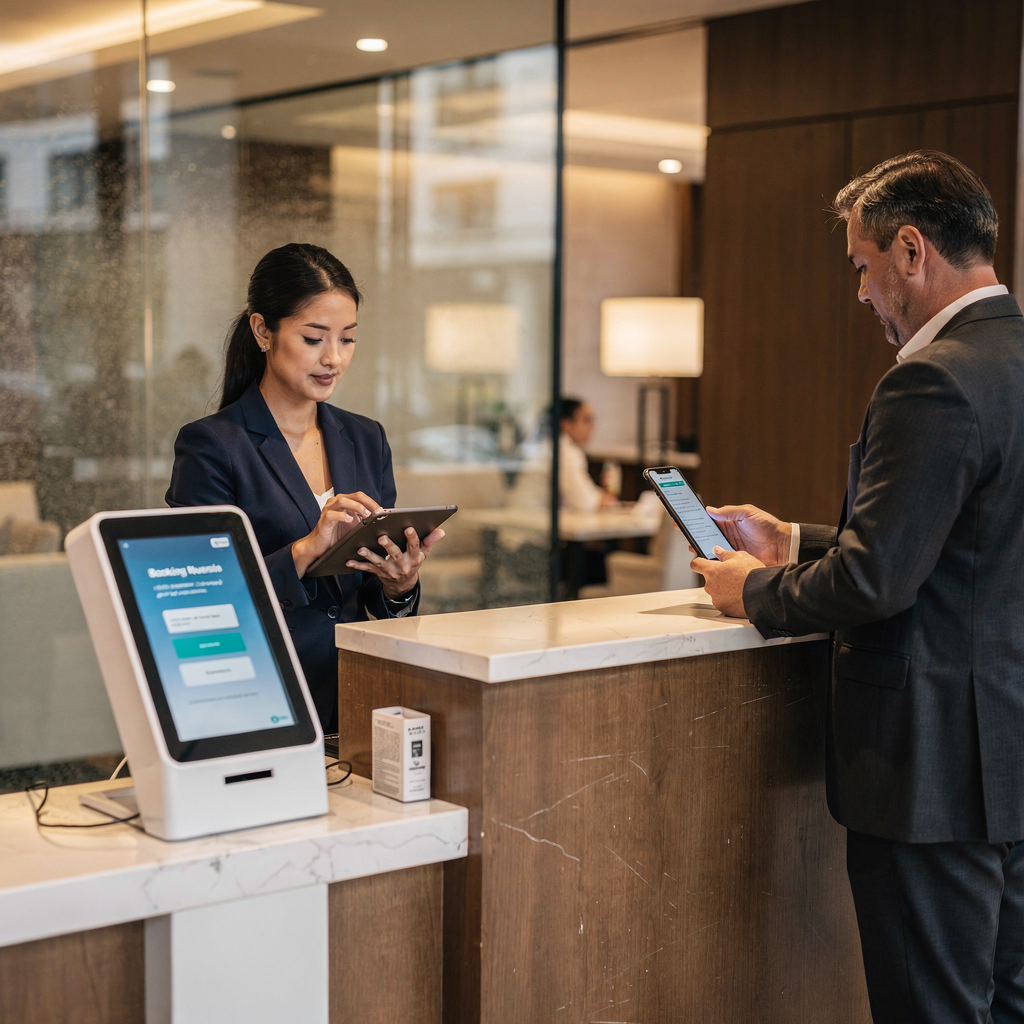
An agent for hotels connects channels, systems, and staff so workflows move without friction. It can automate front desk check-in steps, housekeeping updates, F&B orders, and back-office reconciliation. The core idea is simple: let AI handle routine steps and route only exceptions to hotel staff. That drive reduces repetitive workload and cuts operational costs by roughly 10–15% according to recent studies (EHL research).
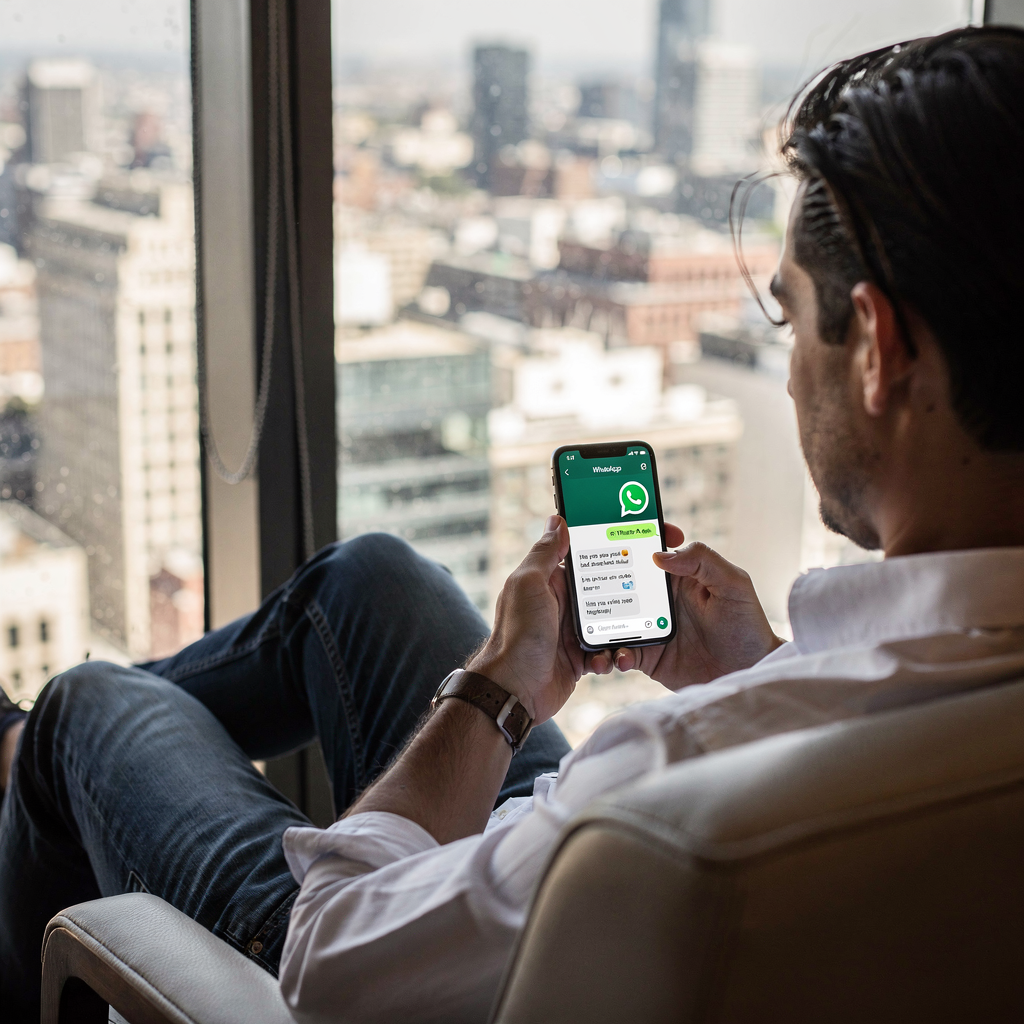
Integration is central. The agent must connect to PMS, CRM, POS, and the channel manager. When a guest requests late check-in via WhatsApp, the agent updates the property management system and notifies housekeeping. When a guest sends an inquiry about breakfast hours, the agent replies in real-time with accurate information. Good agents create structured data from messages and push it back into hotel management systems so accounting and operations stay aligned.
PMS and property management systems form the backbone of this work. Data mapping and API connections let the agent read room availability, apply dynamic pricing rules, and mark rooms as cleaned. If the agent cannot resolve a request, it triggers a human handover with full context attached so hotel teams can act fast. Integration also enables a single dashboard that shows unresolved tasks, followup items, and service trends. That improves visibility and supports smarter staffing.
To automate hotel effectively, plan for fallback, privacy, and governance. Define escalation paths and service agent roles so staff know when to step in. Virtualworkforce.ai demonstrates this model in operations by grounding replies in ERP and related data while preserving traceability. For hotels, the same approach reduces errors and gives staff time to deliver personalized service to guests. Use APIs, map data fields, and test the agent across peak periods before scaling.
Guest experience: chatbots, whatsapp and a seamless guest journey for better guest engagement and guest support
The guest journey spans discovery, booking, arrival, stay, and followup. AI can improve each stage so guests enjoy a seamless path from first contact to post-stay feedback. Chatbots and WhatsApp messaging provide 24/7 multilingual support that raises guest satisfaction and loyalty. Channels like WhatsApp and progressive web apps yield higher open and response rates than email, which helps conversion and timely service.
Use cases include pre-arrival upsell, digital check-in, in-stay service requests, local recommendations, and post-checkout feedback. A guest can request extra towels, order room service, or book a spa slot via a message. The ai-powered assistant confirms availability and updates the PMS. That reduces the load on the front desk and helps hotel staff focus on on-site interactions that require empathy and attention.
Design conversational flows with short replies and clear CTAs. Offer multilingual support so international guests get help in their language. Include privacy notices when you collect data and define a human handover trigger for complex guest requests. UX matters: simple buttons, suggested replies, and clear next steps reduce friction. Track metrics like response time, resolution rate, and post-stay NPS to measure improvement in guest engagement and guest satisfaction.
For in-stay support, ai concierge features can suggest local experiences and arrange transport. Unlike traditional chatbots, agentic assistants can manage multi-step tasks, such as booking dinner then reserving a table and confirming a parking slot. Use WhatsApp for quick messages and email for formal confirmations. Offer the ability to scale by training the agent to learn from interactions so the system improves over time and handles complex guest scenarios more reliably.
Drowning in emails?
Here’s your way out
Save hours every day as AI Agents label and draft emails directly in Outlook or Gmail, giving your team more time to focus on high-value work.
Agentic and agentic ai: the future of hospitality and agentic commerce
Agentic systems describe AI that plans and executes multi-step actions across services. Agentic AI will recommend hotels, negotiate options, and complete bookings across channels. By 2027, AI will often be the primary guide for hotel bookings, recommending between 2 and 8 hotels per query and steering choices with high precision (AI search trends). Agentic commerce links shopping, rates, and logistics so guests enjoy tailored outcomes with less friction.
Agentic models will combine conversational ai, dynamic pricing tools, and CRS data to act autonomously under guardrails. They can check availability, propose a rate, and book a room while honoring revenue management constraints. That gives revenue teams powerful levers, but it also creates risk. Models that rely on structured OTA feeds can bias choices toward travel platforms unless you monitor recommendations for fairness (PwC agentic commerce).
Control and governance must focus on transparency, accuracy checks, and human-in-the-loop approvals for revenue-impacting actions. Run A/B tests and monitor recommendation bias, then adjust the agent’s data sources. A phased rollout helps you validate business rules without exposing core revenue to untested logic. Track key KPIs in a dashboard and maintain audit logs so teams can trace decisions and followup.
Agentic AI does more than book rooms. It can orchestrate transport, coordinate special requests for a luxury hotel stay, and handle post-booking changes. For hotels that want to streamline hotel processes while protecting revenue, the strategy is clear: start small, prove impact, then expand. The future of hospitality will blend human and agentic capabilities so guests enjoy faster service and hotel teams keep strategic control.
faqs and frequently asked questions for deploying an ai agent for hotels
This section answers the top operational and commercial questions hotels ask when they deploy an AI agent. Use it as a checklist and a quick guide to launch.
Data privacy and GDPR?
– Use encrypted connections and set data retention rules. Ensure consent flows in messaging channels and document processing for audit.
How long does multilingual support take to enable?
– Basic multilingual support can be active in weeks with templates and translation memory. Full contextual multilingual support takes longer as you train the agent to learn from interactions.
What’s the integration time with a PMS?
– Simple API-based integrations may take a few weeks. Complex property management systems or legacy hotel management systems require more mapping and testing. Always start with key endpoints: reservations, room status, and rate plans.
What are costs and ROI timelines?
– Costs vary by scope, channel count, and integrations. Many hotels see measurable cost savings and faster booking recovery within 6–12 months due to reduced manual work and higher direct bookings.
When does a human takeover occur?
– Define handover rules for complex guest requests, disputes, and high-value bookings. The agent should attach full context so hotel staff can resolve issues quickly.
How do we measure boost direct bookings?
– Track conversion rate, OTA share, average booking value, and cancellations. Use a dashboard to attribute guest bookings that start on chat or WhatsApp and finish on the website or PMS.
Quick checklist for launch:
– Choose channels (web, WhatsApp), confirm PMS API access, set KPIs (bookings, CSAT, cost saved), train fallbacks, plan staff retraining, and run a pilot. Also, consider email and operations automation best practices for post-stay followup; our resources on scaling operations with AI agents offer useful templates (how to scale operations).
Where can I read practical case studies?
– Look for vendor case studies and examples like Hilton-style deployments in industry guides. For operations-focused automation, see virtualworkforce.ai’s examples of automating email-based workflows and logistics correspondence to learn how structured data and routing rules improve response speed (automated logistics correspondence).
What about automated email and shared inboxes?
– Email can be the largest unstructured workflow. Systems that automate the full lifecycle of operational email reduce handling time and create traceable actions. For guidance on AI-powered drafting and routing, review examples that link data from ERP and other back-office systems (ERP email automation).
FAQ
What is an AI agent and how does it differ from a chatbot?
An AI agent plans and executes multi-step tasks and acts across systems, while a chatbot mainly answers messages. Agents can update a PMS, trigger staff tasks, and complete bookings, whereas chatbots typically handle single-turn interactions.
Can AI increase direct bookings for my hotel?
Yes. Hotels using AI booking assistants report direct-booking uplifts between 20% and 40% in industry studies. Combining conversational booking flows with revenue management integration drives better conversion and higher margins.
How does the AI connect to our property management systems?
Connections use APIs and data mapping. The agent reads reservations, updates room status, and writes back notes. Plan for testing and a small pilot to validate fields and workflow before full rollout.
Will AI handle guest inquiries 24/7?
Yes, AI can respond day or night to common guest inquiries and reservations. Set human handover rules so staff manage complex guest or VIP issues.
How long does deployment take?
Basic deployments can take a few weeks if APIs are available. Integrations with legacy hotel management systems or complex revenue management setups will need more time and testing.
Does AI support multiple languages?
Many systems offer multilingual support. Start with templates and translations, then improve accuracy as the agent learns from interactions and guest feedback.
What KPIs should we track?
Track conversion rate, average booking value, OTA share, guest satisfaction, and cost saved. Use a dashboard to monitor booking paths that start in chat and end in the PMS.
How do we avoid bias toward OTAs?
Monitor recommendation outputs and balance data sources. Avoid relying solely on structured OTA feeds and include hotel-owned inventory and direct rates in the agent’s decision set.
What governance is needed for revenue-impacting actions?
Define approval rules, audit logs, and human-in-the-loop checks for pricing and rate changes. Run A/B tests and keep a transparent dashboard for review and followup.
Where can I learn more about automating operations with AI?
Start with vendor resources and case studies that show data grounding and email automation in operations. For hands-on examples of end-to-end automation and routing logic, see virtualworkforce.ai’s documentation on automating logistics email and ERP-grounded replies.
Drowning in emails?
Here’s your way out
Save hours every day as AI Agents label and draft emails directly in Outlook or Gmail, giving your team more time to focus on high-value work.