


ai agent, maritime logistics and supply chain: real-time route optimisation to reduce fuel use
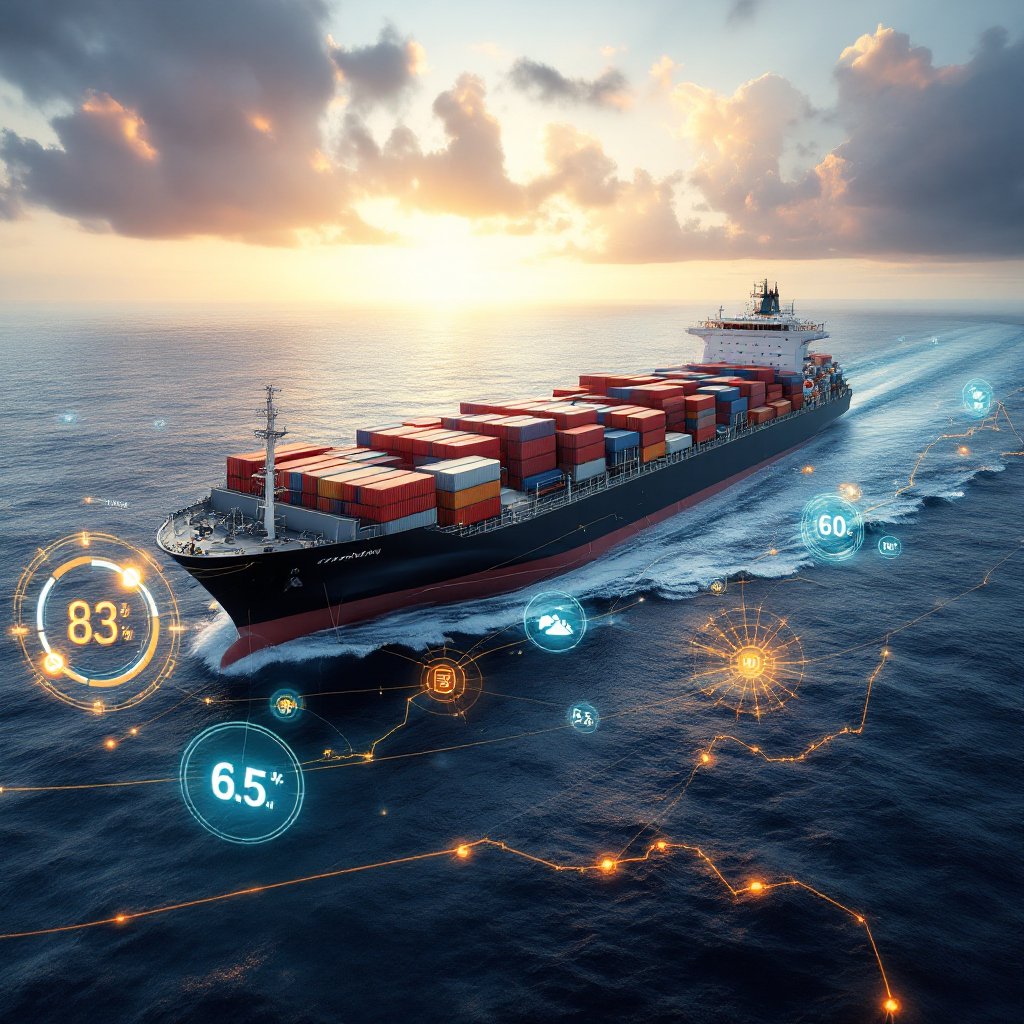
An ai agent sits at the center of modern route planning, and it processes weather, traffic and vessel telemetry to produce safer, cheaper itineraries. By fusing AIS feeds, fleet telematics and weather models, these systems create plans that reduce fuel consumption while keeping schedule integrity. For example, AI-driven route optimization has cut fuel consumption by up to 12%, and Just‑In‑Time arrival tactics reduce idle burn at anchorage. Also, agents monitor engine loads and trim settings, and they adapt speed profiles to expected berth windows to avoid slow steaming that wastes fuel. This reduces operational cost for shipping companies and helps meet emissions targets.
Practically, a single ai agent ingests real-time data from port ETA systems, weather feeds, and vessel sensors, and then autonomously issues new speed and heading advisories. The approach uses advanced ai models trained on historical voyages, and it evaluates tradeoffs between fuel consumption and arrival times. As a result, fleet schedulers get both a planned route and an updated recommended speed sequence for the day. The agent can also surface an alert when conditions force a different plan, so human operators accept or override changes with minimal delay.
Trials that combined JIT coordination with dynamic routing showed clear before/after improvements in fuel curves and waiting time. For instance, fleets that adopted dynamic rerouting reported noticeable drops in bunker burn during slow weather patterns, and operators saw smoother arrival times. Data sources for this work typically include AIS, meteorological models and onboard telemetry, and they supply the real-time data the agent needs to act. For teams that handle many inbound emails and slot requests, tools like virtualworkforce.ai help automate email responses tied to ETA changes, which turns arrival alerts into coordinated actions without extra manual work. Finally, shipping companies that adopt these systems gain better supply chain visibility and measurable cost savings in fuel consumption while reducing bottleneck risk and improving arrival times.
logistics, ai agents in logistics and port operations: predictive analytics to cut turnaround and congestion
Port operations benefit when an ai agent applies predictive analytics to berth allocation, crane scheduling and cargo sequencing. By forecasting demand and congestion, agents allocate berths and equipment before queues form, which reduces waiting and cuts emissions from idling ships. Studies report port throughput improvements of up to 15% after deploying predictive models, and industry research shows turnaround time reductions of 10–20% when AI coordinates operations.
Specifically, ai agents in port operations analyze terminal operating system feeds, vessel ETA streams and cargo manifests to predict peak windows, and they propose allocation plans that change dynamically. This frees planners to focus on exceptions instead of routine rescheduling. For example, South Korean ports used predictive models to anticipate congestion and reassign berths ahead of time, which improved throughput and lowered berth idle time. The same approach also reduces container dwell and helps customs clearances run faster, and it gives logistics teams better visibility across inbound and outbound flows.
These agents operate by combining ai systems for demand forecasting with optimization engines that consider crane availability, yard capacity and container priorities. The result is a heatmap of berth use and a queue time reduction chart that planners can trust. Also, when an agent issues an alert about an approaching bottleneck, downstream stakeholders can act, and they can update terminal systems automatically. For teams that rely on long email threads to coordinate slots, a no-code email agent can draft and send contextual responses tied to the port plan, which further reduces the scheduling overhead. In sum, ports gain throughput, cut turnaround and lower operational cost, while regulators and IMO-aligned initiatives see reduced emissions due to less idling.
Drowning in emails?
Here’s your way out
Save hours every day as AI Agents label and draft emails directly in Outlook or Gmail, giving your team more time to focus on high-value work.
use cases, ai agent use cases and ai agents for smarter marine transportation: autonomous vessels and operational scaling
AI agents for smarter marine transportation run across a spectrum of use cases, from harbour pilots that augment watchkeepers to full autonomous agents on trials at sea. Early pilot projects paired human officers with ai agents to support watchkeeping, and they improved response times to hazards and reduced human error. A systematic review found that autonomous and assisted navigation trials saw around 30% fewer incidents in controlled programs, which demonstrates clear safety benefits.
Use cases roll out in stages. First, assisted-navigation stacks provide route advisories and collision avoidance suggestions, and they operate with a human on the loop. Next, regional rollouts handle coastal transit tasks and optimize fleet routing across trades. Finally, full integration ties scheduling and remote monitoring together so vessels can operate more autonomously. In each phase, agents provide predictive insights, they optimize plans, and they send agent alerts when crew intervention is required. Autonomous agents also help scale operations by freeing skilled officers to focus on exception handling while routine transits run more efficiently.
Specific implementations include hybrid human-AI watchkeeping, autonomous route negotiation between vessels in restricted waters, and fleet-level scheduling that balances load, crew availability and port windows. These ai tools reduce crew costs and improve fuel economics when implemented well. Importantly, stakeholder acceptance rises when the system is transparent and when operators can override decisions. For companies that want to transform communication and orchestration, integrating email automation for freight confirmations and berth requests speeds up coordination. For example, virtualworkforce.ai helps shipping teams manage the flood of schedule changes and keeps documentation tidy during pilot and roll‑out phases. Ultimately, these ai models and ai systems let operators grow capacity without linear increases in headcount, and they help shipping companies meet the future of the industry with safer, more efficient marine transportation.
maritime operations, ai agents in maritime operations and marine operations: safety, predictive maintenance and uptime
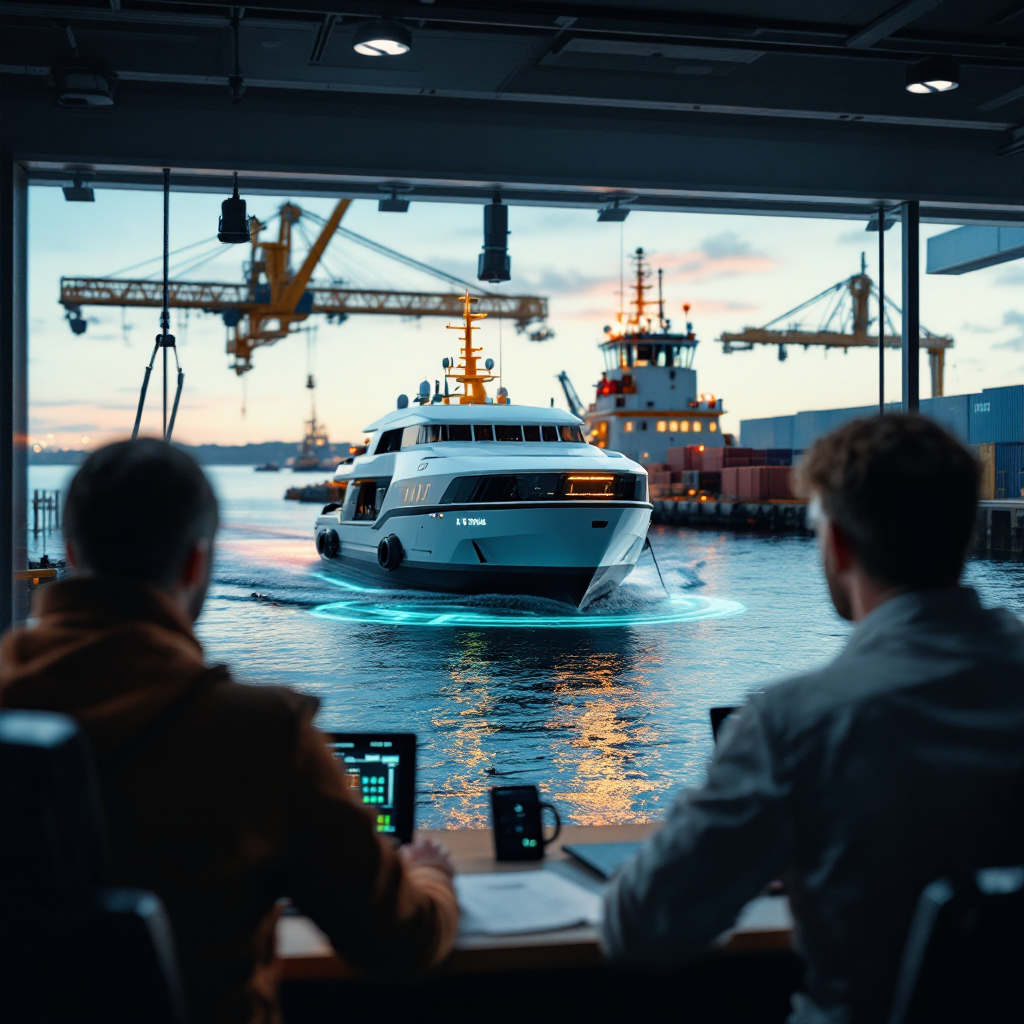
AI agents play a vital role in safety and predictive maintenance across marine operations. They monitor sensor fleets, detect anomalies and trigger inspections before failures occur. Condition‑based maintenance driven by ai agents can cut maintenance cost by about 20–25% and increase uptime by roughly 15%, which reduces unscheduled downtime for fleets and terminals. These savings show up as lower repair bills, fewer emergency port calls and more reliable schedules.
Agents operate by analyzing vibration, temperature and performance telemetry with prognostics models. When a model flags a degrading component, the agent issues a prioritized work order and suggests spare parts. The process lowers operational cost and improves parts planning, and it shortens response times to faults. For maintenance teams, this means predictable workloads instead of constant firefighting. Also, because the agent logs its reasoning, auditors and classification societies can review the decision trail for regulatory compliance.
Deployment follows a simple checklist: install sensors, stream data to a secure cloud or edge node, train ai models on historical failures, and then run pilots with human intervention enabled. The ROI model typically includes sensor costs, model development and recurring savings from fewer exchanges and less downtime. For example, a medium fleet that reduces unscheduled downtime by 15% will see significant gains in availability and reduced overtime. Shipping companies gain both cost savings and a safer operating environment. Finally, agents monitor fatigue and safety indicators for crew, and they help reduce human error by prompting corrective actions when systems drift outside safe bands.
Drowning in emails?
Here’s your way out
Save hours every day as AI Agents label and draft emails directly in Outlook or Gmail, giving your team more time to focus on high-value work.
automation, agentic ai and using ai to enhance workflow in port and freight‑forwarding operations
Agentic ai and automation reshape how paperwork, coordination and exception handling work in port and freight‑forwarding operations. AI agents provide context-aware drafting for emails, they pull data from ERP and TMS systems, and they reduce manual copy‑paste across platforms. For freight teams, automating document flows speeds up processing times; one study reported document processing acceleration of about 40% when AI handled routine correspondence. This reduces errors and frees staff to handle complex exceptions.
Using ai for routine correspondence means agents read booking details, check container status and draft replies that cite the correct contract clauses and ETAs. Agents can also autonomously update systems when they receive confirmations, which streamlines the exception loop. Integration points include TMS, terminal systems and customs portals, and a no-code setup can cut rollout time while keeping IT in control of connectors. For teams drowning in mail, a targeted agent that integrates with ERP and stored email memory reduces handling time per message and raises consistency in communications.
Practical examples include autonomous agents negotiating berth slots in busy ports, automated bill of lading processing, and orchestration agents that sequence pickups with DRayage partners. For governance, human-in-the-loop design keeps final approvals where required, and role-based access plus audit logs preserve accountability. Also, this approach lowers the bottleneck risk in high-volume periods. For readers who want to evaluate tools, our guide to logistics email drafting and the page on ERP email automation explain how to connect systems and measure ROI. Ultimately, agentic AI helps logistics management move from reactive tasks to proactive orchestration.
maritime, ai agents for smarter logistics and wrap‑up: quantified benefits, barriers and next steps for adoption
The quantified benefits of AI adoption are compelling: throughput +~15%, turnaround −10–20%, maintenance cost −20–25%, fuel −~12% and accidents −~30% in trials. These headline metrics come from multiple studies and industry reports, and they offer a clear business case for investment. For operational leaders, the numbers translate into lower operational cost, fewer delays and measurable emissions reductions. Shipping companies and terminals that act now can secure competitive advantage in global supply chains.
Still, barriers remain. Data quality and fragmented data sources make it hard to train robust ai models. Cyber‑security and regulatory compliance add complexity, and crew training plus approval from bodies like IMO can slow rollouts. Also, standards for interoperability across TOS, ERP and customs systems need consensus. For these reasons, pilots should include governance, KPIs and stakeholder mapping early on. A good pilot checklist covers data readiness, sensor coverage, integration points, human intervention rules and a defined ROI model.
Next steps are pragmatic. First, run scoped pilots that target clear KPIs such as fuel consumption, downtime or document cycle time. Second, choose partners who understand the logistics operations domain and who can integrate with your ERP and terminal systems. Third, set governance for data access, audit trails and escalation paths. For teams that manage heavy inbox traffic, tools that convert emails into tracked actions and that draft replies can accelerate adoption while reducing error. To explore how to scale operations without hiring, read our guide on how to scale logistics operations with AI agents. Finally, stakeholders should measure early wins, iterate quickly and expand proven agents across trades. By leveraging AI capabilities responsibly, supply chain leaders can revolutionize processes, improve supply chain visibility and prepare for the future of the industry.
FAQ
What is an ai agent in maritime logistics?
An ai agent is an autonomous software component that processes vast amounts of data to recommend or issue operational decisions in maritime logistics. It can optimize routes, predict maintenance needs and draft communications to reduce manual work and improve consistency.
How much fuel can AI-driven route optimization save?
Route optimization can reduce fuel consumption by up to about 12% in field trials. Savings depend on fleet mix, trade lanes and how well agents integrate weather, AIS and engine telemetry.
Can AI reduce port turnaround times?
Yes, AI applied to berth allocation and equipment scheduling has cut turnaround in trials by roughly 10–20%. Predictive analytics also helps ports increase throughput and lower idling emissions.
Are autonomous vessels safe?
Trials of autonomous and assisted navigation stacks showed lower incident rates, with some programs reporting about 30% fewer accidents. Safety improves when ai systems work with human watchkeepers and when clear override rules exist.
How does predictive maintenance work on ships?
Predictive maintenance uses sensor data and prognostics models to forecast component failures, and then it schedules service before failures occur. This approach reduces maintenance costs and unscheduled downtime while improving uptime.
What operational processes can be automated with agentic AI?
Agentic AI can automate email drafting, document processing, berth negotiation and exception routing for freight operators. It connects to ERP, TMS and terminal systems to keep records current and to shorten response times.
How do I start a pilot for AI in my operations?
Begin with a clear KPI, pick a contained use case such as ETA updates or predictive maintenance, and secure the key data feeds. Include governance, human intervention rules and a measurement plan before scaling.
What regulatory hurdles exist for autonomous trials?
Regulatory oversight from maritime authorities and IMO guidance affects trials and deployment. Compliance requires transparent decision logs, safety cases and often staged approvals with human‑in‑the‑loop monitoring.
Can AI help freight forwarders handle email volume?
Yes. AI that integrates with ERP and mail history can draft context-aware replies and update systems, cutting handling time per email and reducing errors. See dedicated resources on freight forwarder communication for implementation details.
What is the biggest barrier to AI adoption in maritime?
Data fragmentation and quality are the main barriers, together with cybersecurity and change management. Addressing these with clear data contracts, secure connectors and operator training speeds adoption and reduces risk.
Drowning in emails?
Here’s your way out
Save hours every day as AI Agents label and draft emails directly in Outlook or Gmail, giving your team more time to focus on high-value work.