


ai to transform the pharmaceutical industry — enter ai for pharmaceutical logistics
AI has moved from experiment to operational tool in pharma logistics. The sector now uses AI to predict demand, to manage cold chain risks, and to shorten delivery times. For many organisations, enter ai means adding autonomy to existing processes and layering intelligence over manual work. The result is faster responses, reduced waste, and clearer visibility across the value chain.
Key facts support this shift. Industry analyses report that AI-driven demand forecasting can reduce inventory holding costs by about 20–30% (Prismetric). Automated route planning has cut delivery times by 15–25% in logistics pilots (ITRex Group). And real-world cold chain monitoring reduced temperature excursions by over 30–40% in deployments that combine sensors and analytics (PMC). These numbers explain why global investment flows into pharma logistics. The market sits at roughly US$99bn and is growing as companies adopt smarter tools.
Short example: a leading distributor uses AI-driven forecasting and real‑time analytics to smooth supply for seasonal therapies. The system analyses sales history, public health alerts, and weather data. It then recommends stock transfers and adjusts safety stock for priority SKUs. As a result, wastage falls and patient care improves.
For operations teams, the entry point is clear. Start with high-quality data. Then run a small pilot that integrates ERP records and shipment telemetry. Use that pilot to measure fill rate and lead time. If results match expectations, scale the pilot and repeat the tests. Across this work, the emphasis is practical: reduce manual handoffs, raise visibility, and let AI assist people rather than replace them. This approach helps pharma companies adopt AI responsibly and gain measurable outcomes fast.
agentic ai and ai agent drive automation across the supply chain
Agentic AI and an AI agent are related but different. An agentic AI is a multi-step autonomous system that plans, re-plans, and executes tasks end-to-end. An AI agent is a single-purpose, autonomous or semi‑autonomous module that handles a specific task, such as routing or forecasting. Together, they form a layered automation strategy for supply chain operations.
Agentic ai in pharma can orchestrate exception handling during a transit disruption. It can assess a delay, re-route freight, and notify stakeholders automatically. Multiple AI agents then act as specialised microservices. One agent monitors temperature. Another predicts demand. A third updates inventory records. This pattern gives resilience. Pilot projects show faster decision cycles and improved response to surprises, and they demonstrate how AI systems can accelerate recovery from disruption (Salesforce).
Practical architecture is simple to describe. Orchestration layer → AI agents → edge devices and sensors. For example:
– Orchestration schedules shipments and assigns agents.
– Forecasting agents predict demand using sales history and external signals.
– Tracking agents ingest IoT telemetry and flag anomalies.
– Routing agents compute cost‑aware paths and update carriers.
This design lets teams combine specialised tools with a central controller. It also enables phased adoption: start with single-purpose agents, then add an agentic layer for coordination. That approach minimises risk and provides a clear path to automate more functions. A focused pilot can show benefits within weeks. For email and coordination tasks, virtualworkforce.ai provides no-code AI email agents that draft replies and update systems, which helps tie agent outputs to team workflows (virtualworkforce.ai: virtual assistant for logistics).

Drowning in emails?
Here’s your way out
Save hours every day as AI Agents label and draft emails directly in Outlook or Gmail, giving your team more time to focus on high-value work.
inventory management and supply chain management for pharma and pharmaceutical companies
Inventory management is a central use case for AI in pharma. AI demand models combine sales history, seasonality, and external indicators to forecast need more precisely. The models reduce both overstock and stockouts, which lowers holding costs and improves service levels. One industry source estimates holding cost reductions in the range of 20–30% when forecasting is AI-driven (Prismetric). Those savings free capital and reduce expiry risk.
AI adjusts inventory levels dynamically. It flags slow‑moving SKUs and prioritises cold-chain stock for active rotation. This makes inventory management more responsive. For launches, AI runs scenario planning and suggests tiered safety stock based on risk. That method helps pharmaceutical companies manage scarce therapies during supply pressure.
Short case: a cold‑chain vaccine roll‑out. A distributor used a predictive model that merged clinic order history, weather forecasts, and transport constraints. The model recommended local buffer stock and assigned priority carriers for rural routes. The result was fewer stockouts during peak demand, and wastage fell because cold chain routes had been optimised.
Checklist for procurement teams:
– Create a centralised data lake that unifies ERP, WMS, and sales data.
– Validate models with a tiered test: retrospective, near‑term forecast, and stress scenarios.
– Define tiered safety stock by SKU criticality and shelf life.
– Run scenario planning for launches and supplier disruption.
– Integrate outputs into purchase orders and transport booking systems.
For teams that need to automate correspondence about inventory, our no-code email agents speed replies and ensure data is grounded in ERP and WMS records (virtualworkforce.ai: ERP email automation). Use that capability to reduce administrative work and to keep planners focused on exceptions rather than routine queries.
compliance and pharmaceutical cold‑chain integrity: automation to protect product safety
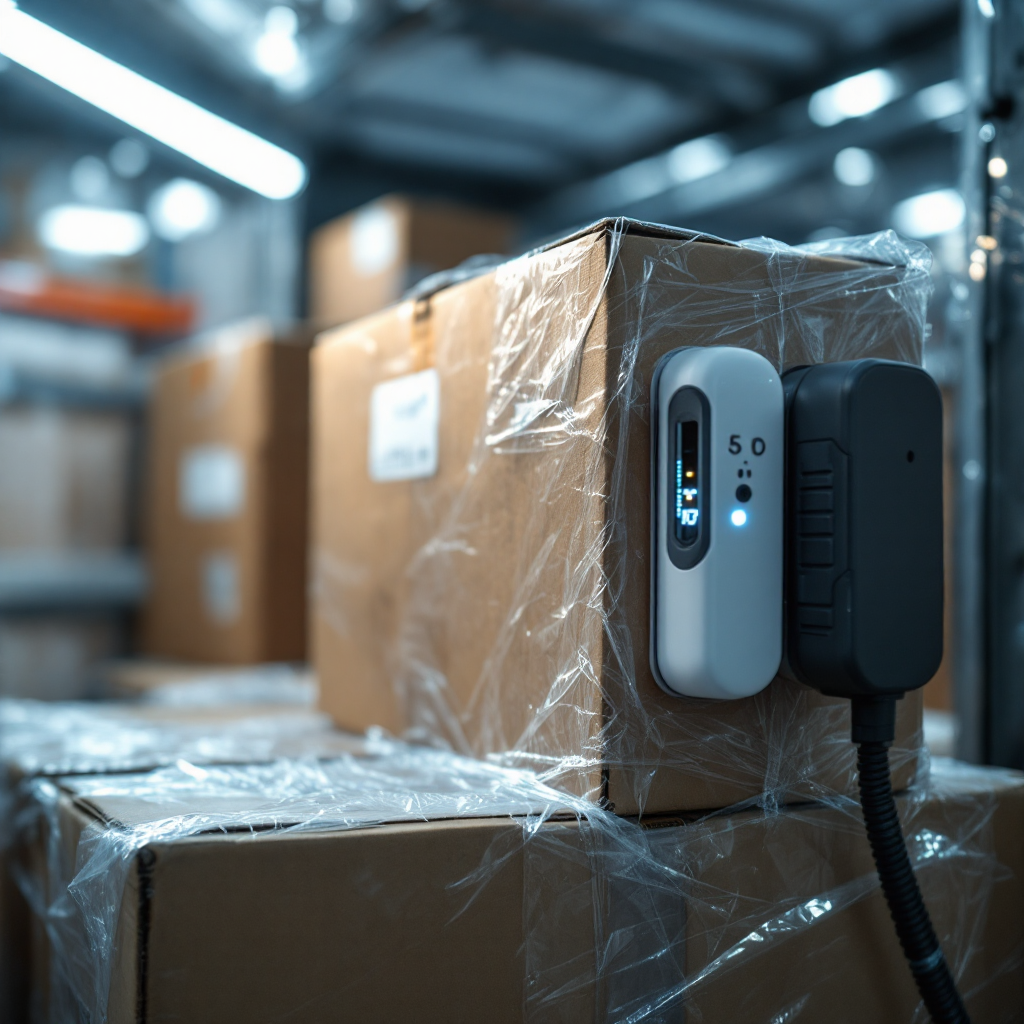
Regulators expect traceability and consistent quality across pharmaceutical supply chains. Compliance includes good distribution practice and GxP-aligned records. Automated monitoring and AI help meet these requirements while reducing human error. AI-enabled IoT monitoring systems, combined with analytics, have been reported to reduce temperature excursions by roughly 30–40% (PMC). That lowers spoilage and supports a compliant audit trail.
Practical controls are straightforward. First, deploy continuous sensors and store raw telemetry with timestamps. Second, run anomaly detection agents that flag drifts or sudden events in real-time. Third, automate corrective actions such as route switches or alerts to carriers. Fourth, persist tamper logs and immutable records for audits and inspections. These steps support regulatory compliance and help protect product safety.
Compliance checklist (GxP/GDP focus):
– Data lineage: ensure every measurement links back to device, time, and user action.
– Alerts: establish thresholds, define escalation paths, and record responses.
– Retention: set secure, read-only archives that match regulatory windows.
– Audit trail: maintain signed logs that show who changed configurations and why.
AI agents continuously monitor shipments and can generate pre-filled reports for inspectors. Those agents reduce manual data entry and produce consistent evidence during reviews. For teams that manage shipment correspondence, integrating AI assistants reduces time spent compiling compliance notes and ensures records are accurate and complete (virtualworkforce.ai: AI for customs documentation emails). This combination of sensor data, anomaly detection, and automated reporting strengthens the pharmaceutical supply chain and keeps patients safer.
Drowning in emails?
Here’s your way out
Save hours every day as AI Agents label and draft emails directly in Outlook or Gmail, giving your team more time to focus on high-value work.
deployment, productivity and best practices for entering ai at scale
Successful deployment follows stages: pilot, hybrid operations, then scaled operations. The pilot proves value quickly. Hybrid stages pair humans with agents for exceptions. Scaled operations run many agents with governance in place. Define KPIs early. Typical metrics include fill rate, lead time, temperature excursions, and admin hours saved. Teams often see admin time fall by 50–80% after automating routine correspondence and documentation.
Best practices to follow:
– Start with high‑quality data and clear ownership.
– Build modular AI agents that do one job well and expose APIs.
– Require explainability so models can support audits and regulatory compliance.
– Roll out in phases and measure outcomes at each stage.
– Create cross‑functional governance with IT, quality, and operations.
Six‑point deployment checklist:
1. Identify the highest‑impact use case (for example, demand forecasting or cold‑chain alerts).
2. Provision secure data connectors to ERP, WMS, and telemetry systems.
3. Run a 6–12 week pilot with measurable KPIs.
4. Implement human+agent workflows for exception handling.
5. Validate models for audit and regulatory needs.
6. Scale with a governance board and a roadmap for additional agents.
Governance template highlights: remit, data access rules, change control, audit points, and escalation paths. Change management matters. Train staff on what agents will do and what they must not do. Use role‑based access and an audit trail for every automated action.
For teams drowning in repetitive emails, no-code AI email agents can accelerate replies and keep system updates consistent, which boosts productivity and reduces risk. virtualworkforce.ai reports typical handling time cut from about 4.5 minutes to 1.5 minutes per email when teams use grounded AI-powered drafting tied to ERP and WMS data (virtualworkforce.ai ROI case). That is a concrete productivity win that helps scale operations without hiring.
How pharma can transform supply chain outcomes and next steps to enter ai responsibly
Pharma leaders are turning to AI to lower costs, to improve delivery times, and to strengthen compliance. Expected outcomes include lower inventory cost, faster deliveries, fewer cold‑chain failures, and a stronger compliance posture. Targets are realistic: 20–30% lower inventory costs, 15–25% faster delivery, and 30–40% fewer temperature excursions in many pilot reports (Prismetric) (ITRex Group) (PMC).
Next steps to enter ai responsibly:
– Gap analysis: map current processes, data sources, and staff skills.
– Vendor and agent selection: prefer modular ai platform vendors with explainability and clear SLAs.
– Pilot plan: define scope, timeline, and KPIs for a 90–120 day starter roadmap.
– Regulatory engagement: brief quality and legal teams early and align on documentation needs.
– ROI metrics: model savings from reduced stock, fewer excursions, and lower admin hours.
Starter roadmap (90–120 days): week 0–2 gap analysis and data access approvals; week 3–6 pilot install and initial model training; week 7–10 live pilot and KPI measurement; week 11–16 governance reviews and go/no-go for scale. That timeline lets teams validate benefits before heavy investment.
Three recommended KPIs for executive briefings: fill rate improvement, reduction in temperature excursions, and hours saved per week in administrative tasks. These metrics link directly to cost, quality, and patient care. Finally, choose partners that understand logistics workflows and can integrate with ERP/TMS/WMS systems. For email and coordination tasks, consider tools that ground every response in source systems to reduce error and to automate updates to management systems (virtualworkforce.ai: how to scale with AI agents). By following a clear, phased path, pharma can adopt AI and transform supply chain outcomes while staying compliant and keeping patients safe.
FAQ
What is the difference between agentic ai and an ai agent?
Agentic AI refers to autonomous systems that plan and execute multi-step tasks across a process. An AI agent is usually a single-purpose module that performs one task, such as routing or anomaly detection. Both approaches can work together to automate supply chain operations efficiently.
How does AI improve inventory management in pharma?
AI analyses sales history, seasonality, and external signals to produce more accurate demand forecasts. This reduces holding costs, lowers expiry-related waste, and keeps essential therapies available when needed.
Can AI protect cold chain integrity for pharmaceutical shipments?
Yes. AI paired with IoT sensors monitors temperature and detects anomalies in real-time. Automated alerts and corrective actions reduce temperature excursions and support a compliant audit trail.
What initial KPIs should pharma track when deploying AI?
Start with fill rate, delivery lead time, and temperature excursions. Also track hours saved in administrative work to measure productivity gains and ROI.
How do regulators view AI use in the pharmaceutical supply chain?
Regulators expect traceable, auditable records and transparent processes. Explainability and robust data lineage are essential to demonstrate regulatory compliance during inspections.
Will AI replace logistics staff in pharma companies?
AI is more likely to augment staff than to replace them. It automates routine tasks and frees people to focus on exceptions and decisions that require human judgement. This improves workflow and job satisfaction.
How should pharma companies start a pilot for AI in logistics?
Begin with a high‑impact use case such as demand forecasting or cold‑chain monitoring. Secure data access, define clear KPIs, and run a time‑boxed pilot with cross‑functional governance. Use results to decide on scaling.
What role can no-code AI email agents play for ops teams?
No-code AI email agents draft context-aware replies and ground answers in ERP and WMS data. They reduce handling time, improve accuracy, and keep audit records of communications.
How do you ensure AI models stay compliant over time?
Use versioned models, maintain data lineage, and keep an immutable audit trail for model outputs. Regular revalidation and governance checks help keep AI operations compliant with quality standards.
What are three short-term benefits pharma will see from adopting AI?
In the short term, pharma can expect improved forecast accuracy, faster decision cycles in logistics, and reduced administrative burden. These benefits translate to lower costs, better service levels, and stronger compliance.
Drowning in emails?
Here’s your way out
Save hours every day as AI Agents label and draft emails directly in Outlook or Gmail, giving your team more time to focus on high-value work.