


ai in restaurants: an ai agent that helps restaurant chains never miss another call
AI is changing how restaurants answer phones, and the shift matters because customers expect fast replies and accurate information. Recent research shows about 70% of restaurants are either using or piloting AI technologies, which proves industry momentum and explains why operators look for a phone answering solution that helps them never miss another opportunity to book a table or sell a meal Research: 70% of Restaurants Either Actively Using or Piloting AI. An AI agent sits at the front line of calls, and it answers common questions so staff can focus on service during busy friday night shifts.
An AI agent that handles inbound calls reduces manual triage and speeds up confirmations. Restaurants that adopt these systems report measurable results, including an average +22% revenue uplift and about a −17% drop in labour costs, which highlights real business impact AI Impact on Restaurant Jobs. In practice, an AI agent takes reservations, confirms bookings, captures guest details, and passes complex cases to human staff. This approach raises reservation conversion, lowers wait times, and improves the dining experience for repeat guests.
Why this matters to a restaurant chain is simple: answering every call increases covers, and consistent service preserves brand standards across locations. The AI handles routine confirmations in multiple languages when required, and it routes special requests to the right team. For restaurant operators, that means more predictable covers per service and fewer missed revenue opportunities. A well-built AI agent integrates with POS and reservation software, so availability and menus stay in sync and double-books are avoided. If you want to read about automated logistics email work that informs how to map operational data, see the virtual workforce approach to automating inbound workflows on enterprise email how to scale logistics operations with AI agents, which shows patterns you can reuse for guest communications.
The best ai agent solutions are conversational and fast, and they free hosts to focus on providing exceptional food service. They also give analytics on call patterns so managers can optimize staff scheduling and peak hours coverage. In short, an AI agent helps restaurants handle high call volumes without sacrificing hospitality or standards, and it ensures that teams do not miss bookings when phone lines spike during peak call times.
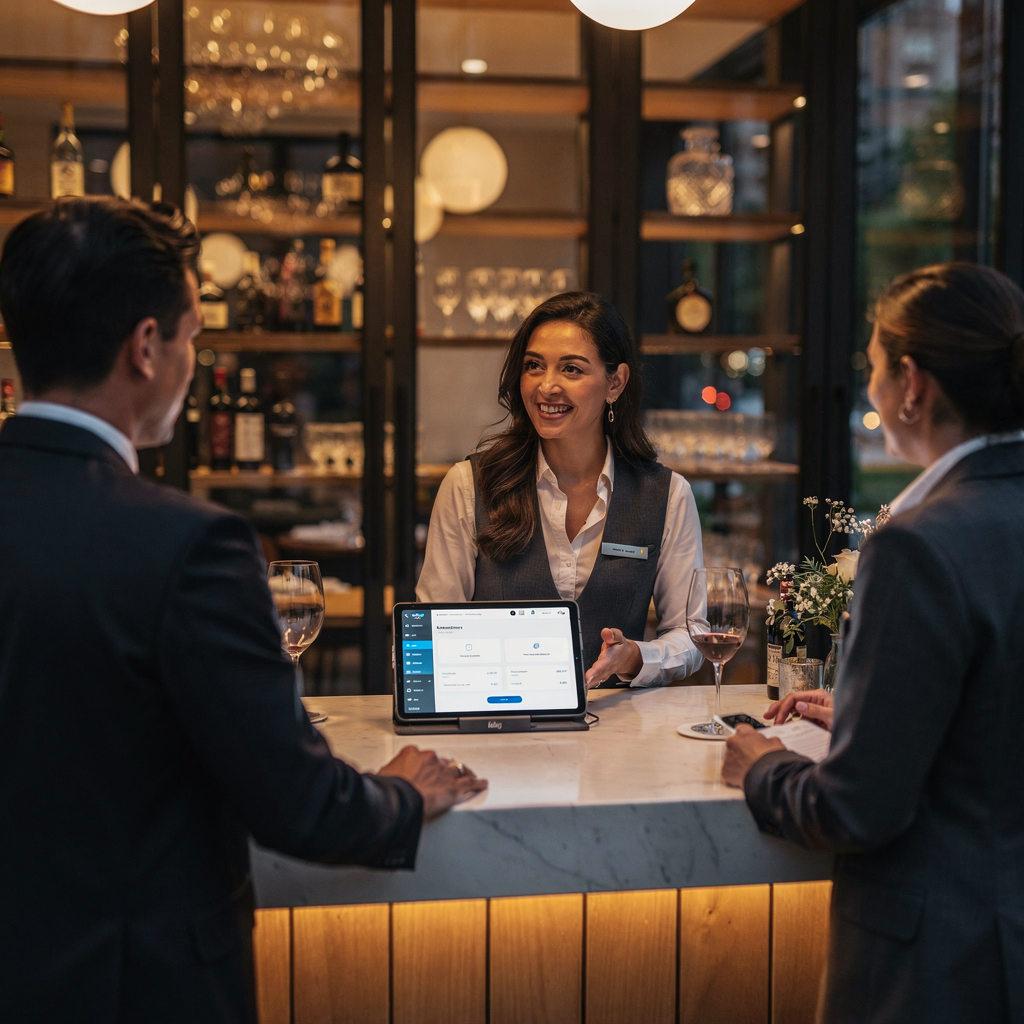
ai phone and voice ai: turn every call into action with voice technology built for restaurants
Voice technology built for restaurants can turn every call into a booking or sale by combining phone answering with natural language understanding. A dedicated ai phone or voice AI solution answers calls 24/7 and captures intent for orders and reservations, and it converts more inquiries into covers. Driving higher answer rates reduces lost covers and improves order accuracy for drive-thru and phone orders. Studies of conversational setups in drive-thrus show that natural language recognition can reduce errors and speed throughput Conversational AI Agents in Drive-Thrus.
Core capability includes always-on answering, natural‑language booking, and order confirmation tied to menu data and live availability. When a caller asks about hours and directions, the ai answers quickly and then offers a reservation or delivery option, which helps to turn every call into value. Chains that connect voice AI to their menu data see scalable benefits because menu items, prices, and promotions stay coordinated across channels. Salesforce explains how AI agents minimize errors by using natural language recognition and menu data to confirm choices AI Agents for Restaurants: Benefits & Use Cases.
Beyond bookings, voice assistants handle FAQs, loyalty sign-ups, and simple order edits, which frees staff on the floor at busy times. With an ai assistant on calls, hosts and line managers can focus on table turns and food quality rather than fielding routine questions. Voice tech also captures structured data from calls so marketing teams can follow up with personalized offers, and so managers get business intelligence on common requests and peak call times. For independent restaurants that cannot staff a 24/7 desk, voice AI offers a phone answering solution that keeps sales growing after hours.
Implementing voice technology requires testing for language accuracy and integration with POS and reservation platforms. Start small, then measure conversion rates and order accuracy. In driven deployments, an ai-powered voice system reduces misheard orders and speeds service, which optimizes throughput during peak hours and improves customer satisfaction. If you are exploring ai tools and want guidance on mapping operational data to conversational flows, virtualworkforce.ai documents approaches to automating structured communication in other industries that apply to hospitality and restaurant management virtual assistant logistics.
Drowning in emails?
Here’s your way out
Save hours every day as AI Agents label and draft emails directly in Outlook or Gmail, giving your team more time to focus on high-value work.
integrates with your existing restaurant stack: how AI agents integrate with existing restaurant systems
Successful deployments depend on connecting AI agents to the systems you already run. Key integrations include POS, reservation platforms, CRM and marketing systems, kitchen display, and workforce tools via APIs or webhooks. When an AI agent synchronises menus, live availability and guest history, it avoids double-bookings and reduces manual edits. Integration with POS keeps the average check and menu items accurate across channels, and that improves reporting for managers.
Integration matters because it turns a call or chat into a real action. For example, when an AI answers a reservation request it checks live seat availability, confirms the table, and writes the booking to the reservation platform. That workflow preserves a single source of truth and keeps restaurant operations consistent. Teams that choose agents that integrate with your existing tech stack minimize custom work and accelerate time to value. If you need middleware, pick vendors who provide clear data flows and mapping tools to speed implementation.
Security and governance must be defined up front. Ensure vendors support encryption, role-based access, and audit logs so you comply with EU and other regional rules. Ask for SOC reports and penetration test results before you share guest data. Define escalation paths so staff receive context-rich handoffs when a call needs human attention, and ensure the agent logs the inquiry and action in the CRM so marketing and operations have visibility.
Practical setup includes preparing menu feeds, mapping POS SKUs to spoken menu items, and configuring escalation rules for allergies or VIP guests. Integration reduces manual work and lets staff focus on guest service. If you want to see how operational email automation maps to data sources such as ERP and other systems, review strategies used in logistics to create structured data and route messages automatically automated logistics correspondence. These integration patterns translate to restaurant management: they ensure seamless ordering, reduce errors, and provide analytics so teams can optimize staffing and menu performance.
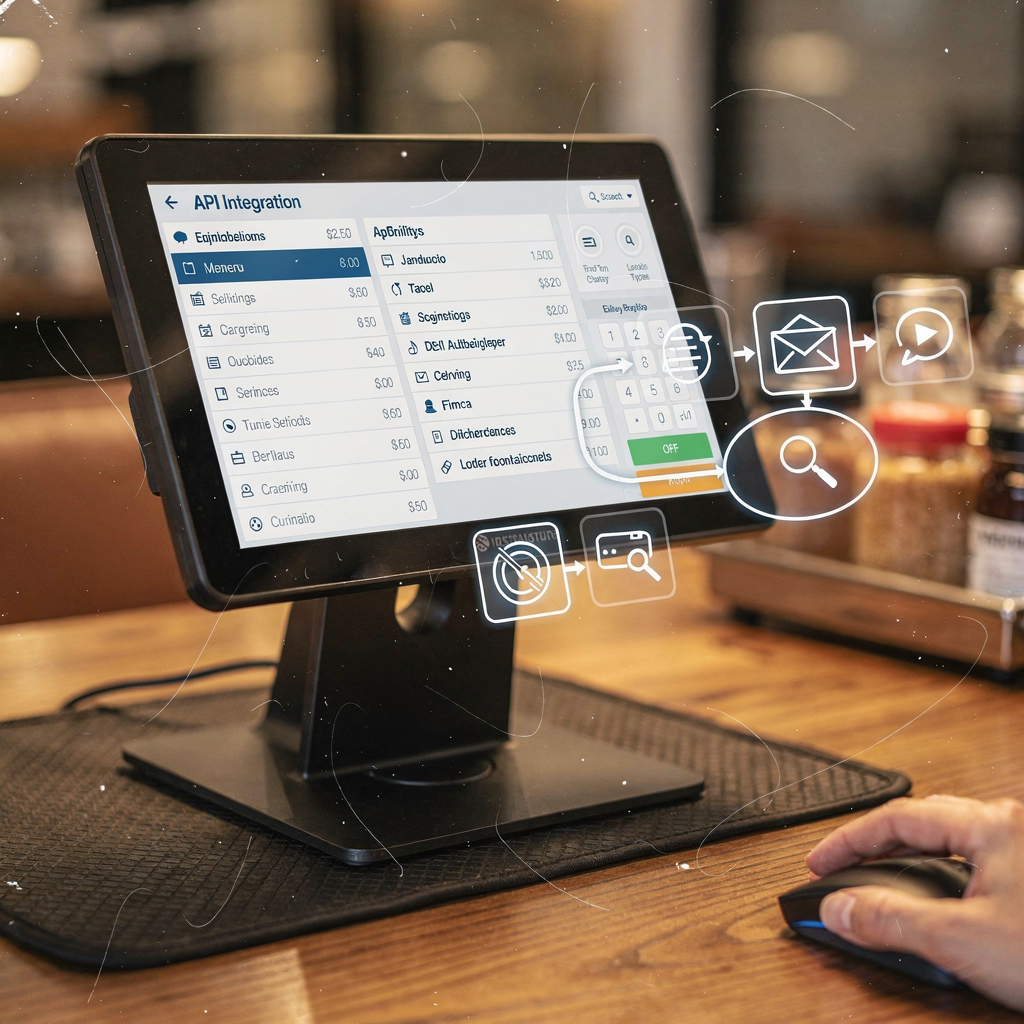
implementing ai: a step-by-step plan restaurant operators can use ai to deploy agents
Implementing AI starts with clear goals, and a phased plan helps teams move from pilot to scale. First, define objectives: improve reservation conversion, reduce missed calls, cut labour time on routine tasks, or improve order accuracy. Then pilot a single concept for 4–8 weeks. Measure KPIs and iterate; after validation, expand across sites over 3–6 months. This approach reduces risk and shows quick wins early on.
Operationally, prepare menu data, call scripts, escalation rules, and staff training materials. Configure the agent to route complex inquiries to designated staff so people remain in control. Track meaningful KPIs: call answer rate, reservation conversion, covers per service, average check, labour hours saved and customer satisfaction. Use analytics to spot peak hours and adjust staffing or menu options. For example, with detailed call analytics you can see which hours and directions queries spike and then match staff scheduling to demand.
Choose vendors that provide a phone answering solution with clear SLAs, and demand security evidence like penetration tests. Ask how the vendor maps to your existing restaurant stack and what middleware is required. A no-code setup for basic flows speeds testing, while deeper integration with POS and kitchen display systems unlocks operational gains. Virtualworkforce.ai demonstrates how rules and data grounding speed automation for operations teams, and similar techniques apply to guest communications to reduce manual lookup and routing time ERP email automation patterns.
Start with the highest-volume call flows—reservations, hours and directions, and basic menu inquiries—because they deliver the fastest ROI. Train staff on escalation expectations so hosts and managers know when to step in. Review results frequently and adjust routing and scripts. Over time, expand use cases to loyalty sign-ups and tailored upsells that suggest menu items based on past visits and preferences. Implementing AI this way lets you automate routine tasks while enabling staff to focus on providing exceptional service and improving the overall dining experience.
Drowning in emails?
Here’s your way out
Save hours every day as AI Agents label and draft emails directly in Outlook or Gmail, giving your team more time to focus on high-value work.
use cases: how restaurants use AI agents to free staff, increase covers and turn every call into bookings
Restaurants use AI agents to automate reservations, manage call-to-order flows, and handle drive-thru speech ordering. Common use cases include FAQ handling, loyalty sign-ups, marketing follow-ups, and simple edits to an existing reservation. By automating routine tasks, an AI handles confirmations and basic changes so staff can focus on floor service and guest experience. The result is more efficient front-of-house work and better conversion on inbound calls.
In practice, AI agents offer 24/7 answering and can capture guest details during every call, so restaurants handle patterns in demand and reduce no-shows with automated confirmations. When voice technology integrates with POS and reservation platforms, it creates seamless ordering and dispatches delivery orders or seat assignments without repeated manual entry. This reduces manual errors and lets staff concentrate on hospitality and food quality. For restaurants that want to scope expanded automation, review industry learnings from automated correspondence projects to see how structured data and routing cut handling time how to improve customer service with AI.
Another use case is drive-thru or takeout. Conversational ai reduces misheard items and speeds throughput, which increases covers served per hour. AI handles upsell prompts that suggest menu items based on past visits and current promotions, which boosts average check. For loyalty and marketing, capturing consent and emails during a call lets the marketing team build targeted campaigns that increase repeat visits and lifetime value.
Deployment tip: start with reservations and high-volume inquiries to prove value quickly. Use the data you collect to optimize staff scheduling and reduce food waste through better forecasting from booking analytics and covers patterns. AI agents are already helping multi-brand groups standardize service and scale successful digital programs. A small pilot that focuses on every call and high-frequency tasks will often pay back within months when volumes are significant, and it frees staff to focus on creating memorable guest interactions.
frequently asked questions: voice assistants, privacy and ROI concerns restaurant operators ask most
Ethics and privacy come up first. Risks include misuse of customer data, algorithmic bias and cybersecurity gaps. Mitigate those risks with clear consent, data minimisation, encryption, and comprehensive audit logs so you comply with GDPR and other laws. Insist on vendor penetration testing, SOC reports and a clear breach procedure to protect guest data and your brand.
People impact and cost are also central. AI supplements routine tasks, and operators should measure redeployment of staff versus redundancy. Many restaurants see payback in months when call volume is high because the solution reduces manual booking time and improves conversion. Track outcomes like reservation conversion and labour hours saved to see the financial picture clearly.
Operators often ask about integration effort. That depends on the existing restaurant stack and the quality of vendor APIs. Plan to map POS SKUs, menu items and reservation objects so the agent can write bookings and update availability in real-time. Ensure the vendor documents escalation rules and audit trails so restaurant managers have full context on any handoff.
Security and compliance questions are common. Ask for penetration test results and service compliance reports, and require granular access controls. Also ask vendors how they handle multiple languages and local dialects so voice assistants match guest expectations. Finally, request a vendor checklist covering integration, security, support and local language accuracy—this makes vendor selection faster and less risky.
FAQ
What can an AI agent do for my restaurant?
An AI agent can answer calls, take reservations, confirm bookings, handle simple order edits and capture guest details. It automates routine tasks so staff can focus on floor service and improving the guest experience.
Will AI replace my hosts and staff?
AI supplements routine work rather than replacing skilled hospitality roles in most deployments. Many restaurants redeploy hosts to greet guests and manage the dining experience while the agent handles repetitive inquiries.
How quickly can we pilot a phone AI?
Most pilots run 4–8 weeks from setup to measurable data, depending on integration needs. Start with a simple reservation or FAQ flow to get early wins and then expand to orders and upsells.
How does an AI agent protect guest privacy?
Vendors should offer encryption, audit logs and data minimisation, and they must support regional rules like GDPR. Require penetration testing and SOC evidence before sharing personal data with any provider.
What KPIs should restaurant operators track?
Track call answer rate, reservation conversion, covers per service, average check, labour hours saved and customer satisfaction. These metrics show both operational impact and return on investment.
Can an AI handle drive-thru and phone orders?
Yes, conversational AI and voice assistants can process drive-thru and phone orders with improved accuracy when tied to menu and POS data. This reduces errors and speeds throughput.
How does integration with POS and reservation systems work?
Integration uses APIs or webhooks to sync menu items, availability and bookings in real-time. Proper mapping ensures the agent can write reservations and reduce double-bookings.
What about language support?
Choose vendors that support multiple languages and local dialects to match your guest base. Test accuracy in live calls to ensure the system meets expectations.
How long before we see ROI?
Typical payback occurs within months for restaurants with high call volumes because automation reduces manual booking time and increases conversion. Measure labour hours saved and revenue uplift to validate results.
How do I pick the best AI solution?
Look for integrations with your existing restaurant management tools, strong security and support, and proven accuracy for local menus. Use a vendor checklist that covers integration, security, support and language accuracy before you sign an agreement.
Drowning in emails?
Here’s your way out
Save hours every day as AI Agents label and draft emails directly in Outlook or Gmail, giving your team more time to focus on high-value work.