


How ai and ai agent accelerate staffing agency workflow
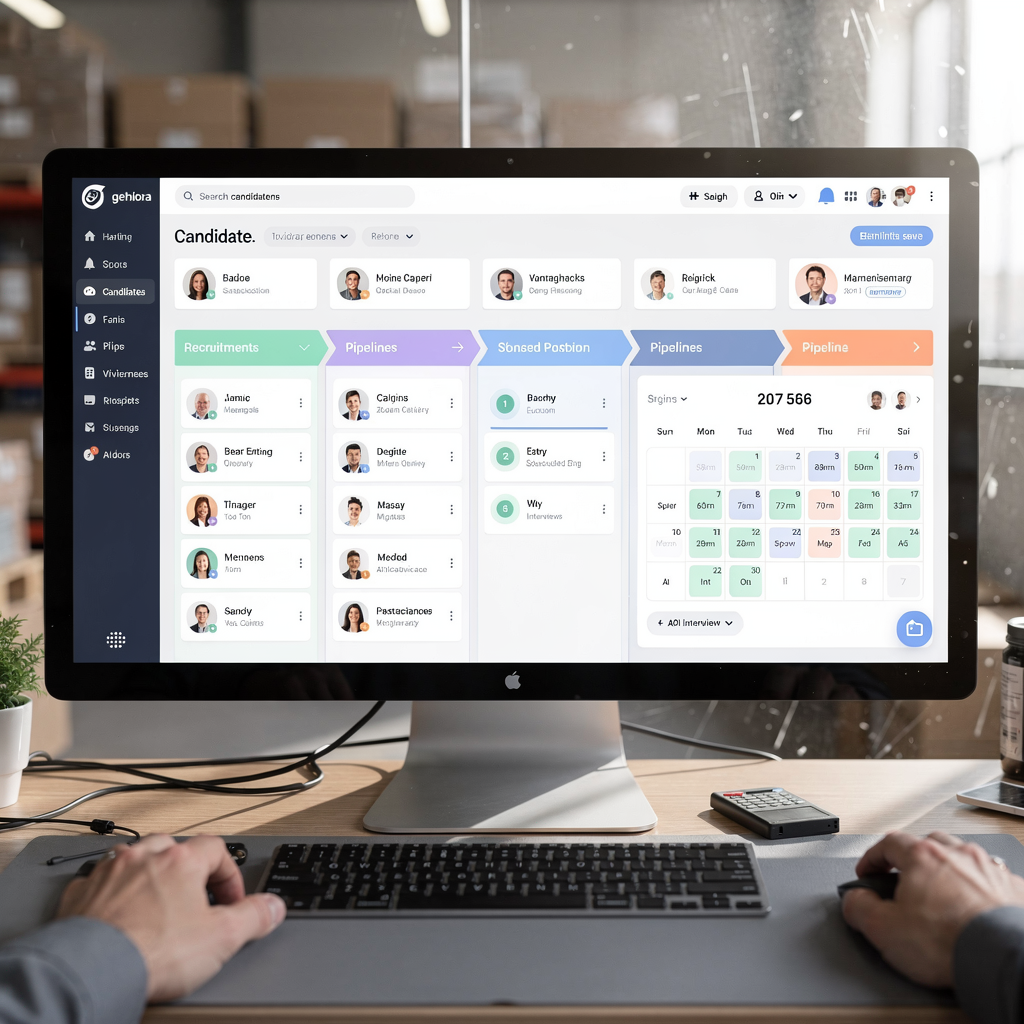
AI changes how staffing teams work. First, AI automates resume parsing, candidate matching and scheduling so the hiring process moves faster. For example, scheduling tools that use AI saved organizations about 36% of recruiter time when compared with manual calendars, which shortens cycles and reduces churn in candidate pipelines Phenom study. Next, a clear workflow map shows sourcing → screening → interview → offer, and automation removes bottlenecks at each step. In sourcing, advanced search and ai algorithms scan CVs and external profiles. Then, in screening, AI systems rank best-fit candidates and filter for right skills. Next, ai interviewers or scheduling agents set interviews. Finally, offer workflows speed up approval and placement.
Staffing teams gain higher throughput and consistent screening. Also, recruiters spend less time on admin and more time on relationships. Staffing agency operations become more data-driven, and candidate quality improves when AI reduces manual errors. At scale, AI agents for staffing automate repetitive tasks, and staff report faster response cycles. However, risks need managing. Data quality must be checked, candidate data must stay private, and firms must follow regulations across regions like the EU and other markets. Therefore, staffing firms should audit ai algorithms and keep human review where complexity or cultural fit matters.
To streamline adoption, many organizations run pilots on high-volume roles first. For more technical operations, virtualworkforce.ai shows how AI agents can automate the full email lifecycle so ops teams triage and reply faster, which also helps recruiters who handle inbound candidate messages learn more about operational email automation. In short, AI and the AI agent concept accelerate workflow, reduce manual processes, and allow recruiters to focus on relationships and strategy. For staffing and recruitment leaders, the power of AI lies in measurable time savings and improved candidate engagement, while remaining mindful of compliance and ethics.
ai staffing and ai recruiter: automate sourcing to speed the hiring process and recruit better
AI staffing platforms and an AI recruiter assistant surface best-fit candidates from CV pools and external source databases. First, these platforms use machine learning and advanced search to index resumes and profiles. Then, models score candidates against job criteria and historical hiring decisions. As a result, recruiters receive ranked shortlists that help them find top talent faster. The growing adoption of ai recruiting shows that many firms report positive outcomes; industry surveys from 2024 to 2026 highlight rapid uptake and investment in ai systems AI in Recruitment – Boterview. Therefore, firms that invest early often see shorter time-to-fill and better candidate quality.
Practical checks keep models sharp. First, tune matching models with recruiter feedback and regular data scientists reviews. Second, track quality-of-hire and time-to-fill metrics to ensure models do not drift. Third, avoid overreliance on automation for roles that need nuanced judgement; always validate culture fit and complex competencies with human interviews. For example, a staffing agency might combine AI shortlists with recruiter interviews to balance speed and judgment. In addition, team workflows can incorporate automated outreach templates and dynamic re-ranking so pipelines stay fresh and responsive.
Use cases include sourcing passive candidates, re-engaging previous applicants, and surfacing qualified candidates quickly from large CV stores. For firms that need to integrate candidate tracking, look for ATS compatibility and data-driven dashboards. Virtualworkforce.ai helps operations teams by automating email-driven workflows; staffing teams can similarly streamline candidate communications and reduce lost messages see how inbox automation improves throughput. Finally, keep a checklist for model governance, and ensure recruiters remain central to final hiring decisions to protect candidate experience and long-term retention.
Drowning in emails?
Here’s your way out
Save hours every day as AI Agents label and draft emails directly in Outlook or Gmail, giving your team more time to focus on high-value work.
ai interviewer and ai-powered screening: boost recruiter productivity and cut manual processes
AI interviewers and ai-powered screening tools manage first-round interviews at scale. For example, a large test that ran about 67,000 interviews showed AI voice agents outperforming human baselines on many hiring metrics AI Magazine report. AI interviewers use conversational AI to ask structured questions, capture candidate responses, and score answers by competency. As a result, recruiters can screen many more candidates without fatigue. This increases throughput and reduces time wasted on scheduling and manual processes.
Benefits include consistent questioning and objective scoring. In high-volume hiring, AI-powered screens maintain fairness across candidates and reduce interviewer variance. Recruiter time shifts from repetitive interviews to quality evaluation and offer negotiation. Metrics to monitor include interview completion rates, candidate experience scores, and predictive validity versus hires. Also, track candidate engagement to ensure response rates stay high and to flag any dropoffs early.
Ethical safeguards are essential. Disclose that AI will conduct the interview and obtain candidate consent. Run bias audits and explainability checks on the ai algorithms, and allow human review for borderline cases. In addition, combine AI screening with human follow-up for complex or senior roles. For staffing firms that want to measure business impact, the result is often faster shortlisting and better placement outcomes. Remember that AI solutions should support recruiter judgement, not replace it, and that candidate trust depends on transparency and an honest process.
agentic ai, ai agents for recruiting and ai agents for staffing in agentic teams
Agentic AI describes autonomous agents that act on behalf of recruiters. Agentic systems run multi-agent flows for sourcing, outreach, scheduling and follow-up. For example, an AI agent can proactively surface candidates, send tailored emails, and reschedule interviews when conflicts arise. In this model, ai teams of specialized agents collaborate and hand off work to human recruiters when judgment is required. This design helps staffing firms scale while preserving quality.
Use cases include automated outreach campaigns, dynamic re-ranking of candidate pipelines, continuous talent pooling, and systematic re-engagement. Agents can monitor candidate data and update profiles, so pipelines remain live and fresh. The team model shows agents handling routine tasks while recruiters concentrate on relationship building and strategic hiring decisions. For staffing industry leaders, agentic deployments mean lower cost-per-hire and quicker access to right talent.
Governance is key. Define role boundaries and escalation rules. Set human-in-the-loop checkpoints for final approvals. Also, maintain audit trails and clear logs so compliance teams can review decisions. For operational email-heavy processes, virtualworkforce.ai demonstrates how end-to-end agents handle intent, routing and drafting with traceability and control virtualworkforce.ai operations overview. Finally, train agents with feedback loops from recruiters and data scientists so models adapt and remain aligned with recruiting methods and organizational needs.
Drowning in emails?
Here’s your way out
Save hours every day as AI Agents label and draft emails directly in Outlook or Gmail, giving your team more time to focus on high-value work.
talent acquisition, talent intelligence and talent management: measurable roi for staffing firms and staffing industry
AI ties directly to commercial KPIs for talent acquisition. Measure time-to-fill, placement rate, retention, cost-per-hire and ROI. Surveys show most organizations report positive outcomes after adopting AI, but only some fully meet ROI expectations without rigorous tracking PwC AI survey. Therefore, staffing firms should set clear metrics before pilots. Start with a few measurable goals, such as reducing recruiter time on administrative tasks and increasing placement percentage week over week.
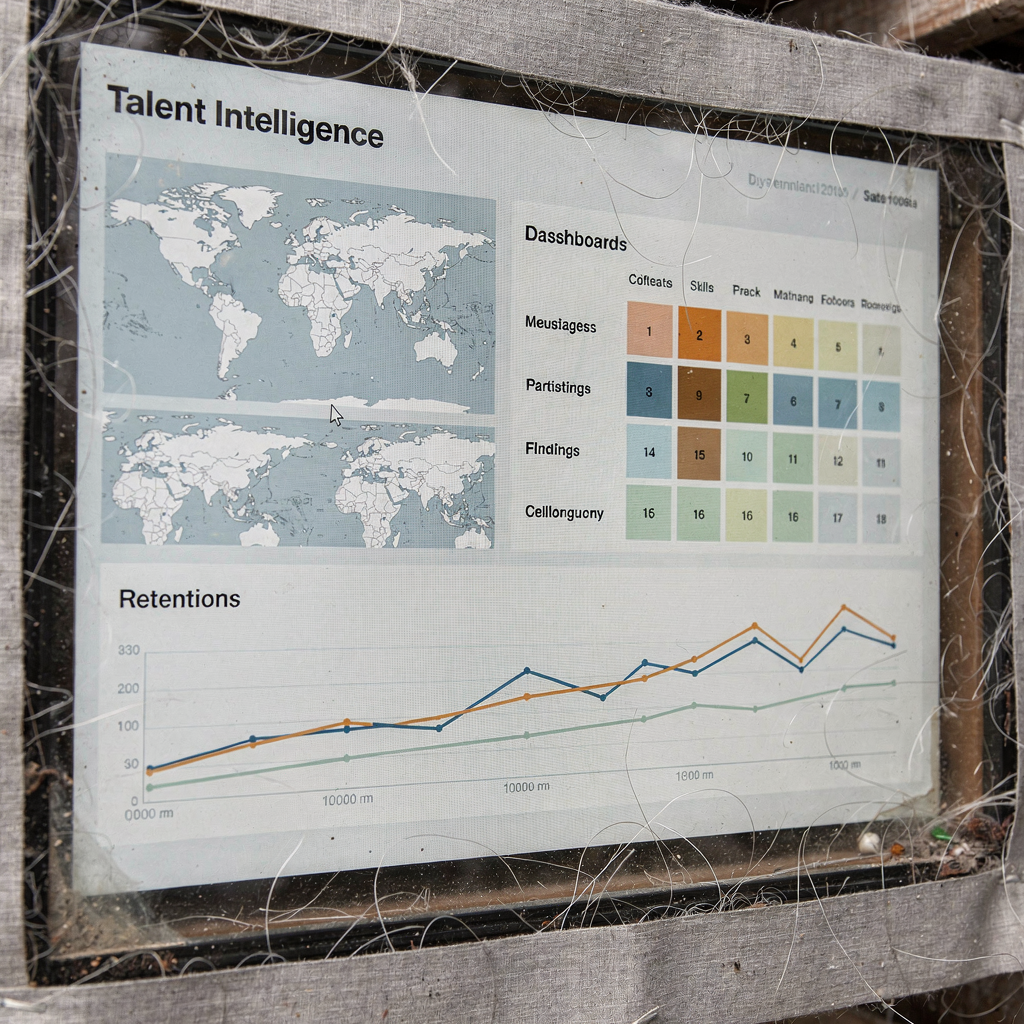
Talent intelligence layers aggregated candidate data into market insights. Use analytics and predictive analytics to map pay benchmarks, skill supply and global talent pools. This intelligence helps executive teams make strategic hiring decisions and plan capacity. For high-volume roles, AI improves candidate quality and speed. Place emphasis on dashboards that show qualified candidates, conversion by stage, and long-term retention. That way, leaders see ROI and can adjust investment levels.
Not all gains appear immediately. Run phased rollouts and measure intermediate wins. Use a combination of quantitative metrics and candidate feedback. Track placement quality versus speed to avoid short-term trades that harm retention. With the right approach, staffing firms can realize meaningful cost savings and better placement metrics. Additionally, AI can help with succession planning and talent management by highlighting internal candidates who have the right skills for future roles.
Implementation checklist: customizable ai technology, generative ai, ai experts and seamless integration for global talent
Choose customizable platforms and involve ai experts and recruiters in vendor selection. First, map current ATS and CRM integrations and ensure the chosen solution supports your data flows. Then, run pilots on critical roles to validate outcomes. Ensure the vendor supports generative AI for job descriptions, outreach and candidate summaries, but measure for accuracy and bias before full rollout. Also, involve data scientists to validate models and create monitoring rules.
Integration steps include secure data mapping, privacy reviews and vendor SLAs. Make sure the solution can push structured candidate data into your ATS and other systems. Train HR teams and recruiters on new workflows so adoption happens seamlessly. For email-driven recruitment and operations, systems like virtualworkforce.ai show that automating the full lifecycle reduces handling time and preserves traceability, which helps teams scale without hiring more staff scaling operations resources. Also, ensure change management includes clear escalation paths and human oversight for critical hiring decisions.
Priorities include continuous audits for ethical ai, transparency to candidates, and documented metrics for ROI. Create dashboards that track candidate quality, placement, and retention. Finally, maintain a feedback loop so agents improve; keep humans in the loop for culture fit and complex negotiations. With the right governance and a focus on data-driven outcomes, AI delivers measurable value and supports the future of work for staffing and recruiting teams.
FAQ
What are AI agents in staffing and how do they work?
AI agents are autonomous software components that perform recruitment tasks like sourcing, outreach and scheduling. They use AI algorithms and integrations to parse candidate data, rank best-fit candidates and automate routine communications while escalating decisions to humans when needed.
Can AI reduce time-to-fill for typical roles?
Yes. AI can shorten time-to-fill by automating screening and scheduling, and by improving shortlists. For instance, scheduling automation alone has shown around 36% time savings in some studies, which speeds the overall hiring process and reduces backlog.
How do firms ensure AI does not introduce bias?
Firms run bias audits, use explainability tools and maintain human review checkpoints. They also tune models with recruiter feedback and track hiring outcomes to detect and correct skew in data or predictions.
What is agentic AI and why does it matter for recruiting?
Agentic AI refers to autonomous agents that can take actions on behalf of recruiters, such as outreach, re-ranking pipelines and scheduling. It matters because it lets teams scale routine tasks while recruiters focus on strategic and relationship work.
How do I measure ROI after deploying AI in staffing?
Measure clear KPIs like time-to-fill, placement rate, cost-per-hire, retention and recruiter time saved. Run phased pilots and compare against baseline metrics to attribute improvements to AI solutions.
Is candidate consent required for AI interviews?
Yes. Ethical AI practices require transparent disclosure and candidate consent before AI interviewers collect responses or profile data. Transparency improves candidate trust and legal compliance.
What integrations should I look for when selecting AI staffing tools?
Look for ATS and CRM connectors, secure data flows, and the ability to push structured candidate data back into systems. Integration with email systems and ERPs is also helpful for operational workflows.
How do agentic teams interact with human recruiters?
Agents handle routine tasks and surface recommendations while recruiters make final hiring decisions and handle nuanced assessments. Escalation rules and checkpoints define when humans intervene.
Can AI help with talent intelligence?
Yes. AI aggregates candidate data to provide market insights, pay benchmarks and skill mapping. Talent intelligence helps leaders make data-driven hiring decisions and plan workforce strategies.
What initial steps should a staffing firm take to adopt AI?
Start with a pilot on a high-volume role, involve ai experts and recruiters in selection, ensure ATS integration and set clear metrics for success. Also plan training and governance to ensure smooth adoption and measurable impact.
Drowning in emails?
Here’s your way out
Save hours every day as AI Agents label and draft emails directly in Outlook or Gmail, giving your team more time to focus on high-value work.