


ai agent for grocery shopping: what an AI agent does for lists, recommendations and in-store help
An ai agent for grocery shopping acts like a personal shopping assistant. It builds a shopping list from a shopper’s purchase history, suggests recipes and adjusts recommendations for dietary preferences. In practice, an ai agent will pull a user’s purchase history, match items to recipes and then propose a shopping list that aligns with budgets and allergens. This reduces time spent planning and helps provide personalized shopping that fits daily life.
For customers, the value is immediate. For example, a family used an ai agent to create weekly menus. The agent read past receipts, suggested three dinner plans and auto-generated a shopping list. The family reported faster store runs and fewer forgotten items. Pilot programmes for AI-guided assistance have shown around a 15% uplift in customer satisfaction when shoppers use voice or chat guidance, which highlights the customer experience gains reported in industry pilots.
Technologies behind this include natural language processing and automatic speech recognition so a shopper can talk to a shopping assistant by voice or chat. Recommender systems personalise offers and integrate with mobile apps for in-store maps and checkout assistance. Because the agent can personalize suggestions, promotions and lists, it improves the entire shopping journey and reduces friction at checkout. The term agentic commerce describes agents that “anticipate consumer needs, navigate shopping options, negotiate deals, and execute transactions, all with minimal human intervention” —McKinsey. This definition explains why retailers invest in ai agent technology.
Designers often add chatbots and voice interfaces so customers who prefer talking can interact naturally. In addition, systems ground suggestions on transaction data and allow shoppers to edit lists before a visit. For retailers, an ai agent offers a route to personalize offers and optimize basket size while keeping the in-store flow smooth. For operations teams that still handle many queries by email, tools such as a no-code virtual assistant can reduce handling time and keep context-rich replies tied to ERP and inventory systems; see how a virtual assistant for logistics streamlines replies and data fusion here.
retailer operations: how supermarkets integrate autonomous agents to automate inventory and optimise replenishment
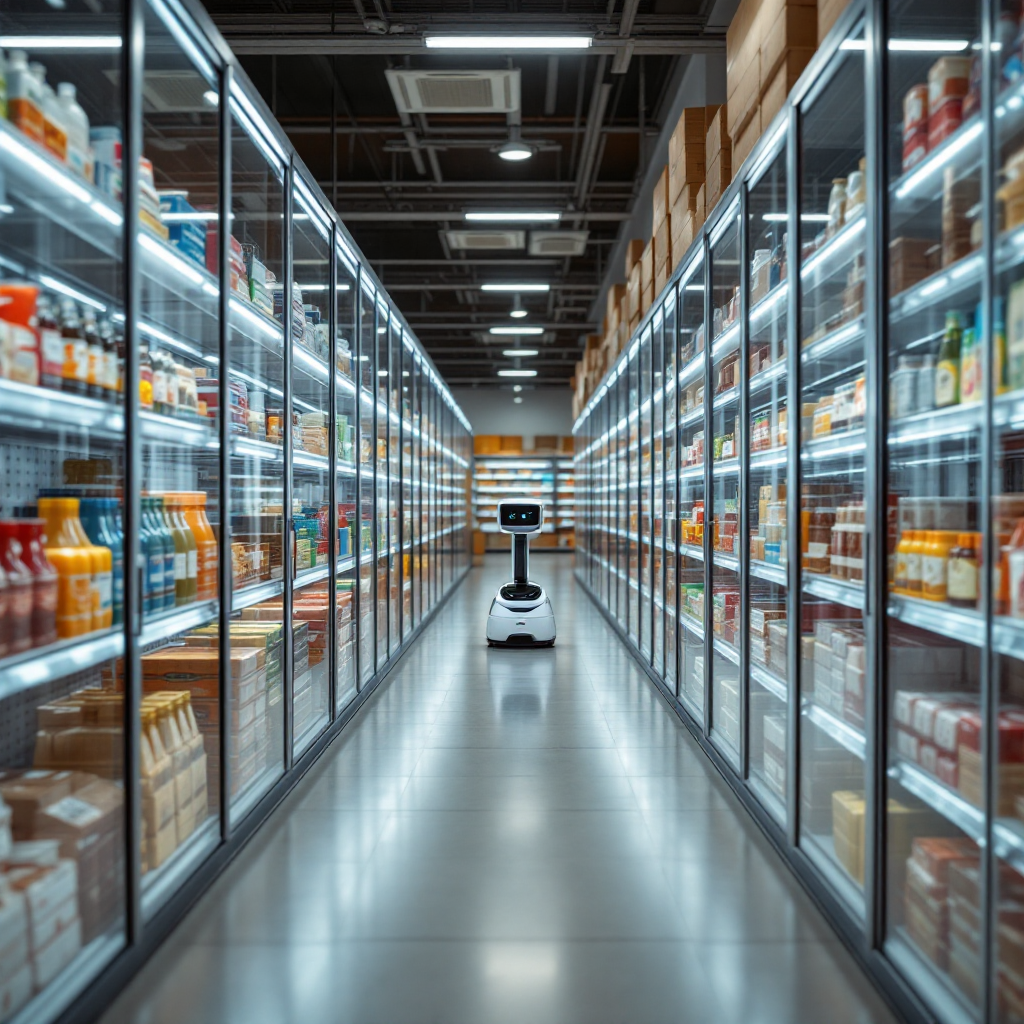
Supermarkets integrate autonomous agents into back-of-house operations to automate shelf checks and optimise replenishment. Robots scan aisles and feed real-time stock updates into inventory systems. This lets teams set automated reorder triggers and reallocate staff to higher-value tasks. Early deployments in Europe have shown inventory robots can improve stock accuracy by about 30%, which reduces out-of-stock incidents and speeds shelf replenishment according to case studies.
Typical technologies include computer vision for item recognition, RFID integration for batch tracking, edge computing for low-latency processing and inventory optimisation models that recommend order quantities. A simple process flow idea looks like this: robots scan shelves → data sent to edge servers → analytics compares counts to sales data → reorder triggers created → supplier notifications issued. This loop enables real-time adjustments and reduces manual stock-check time substantially. Retailers such as Rossmann and Lindex have reported measurable improvements after launching pilots with shelf-scanning robots documented by industry reports.
Automation here does more than save time. It improves operational efficiency and helps the supply chain become more predictable. With better stock visibility, stores can optimize promotions and reduce waste by shifting inventory between locations before spoilage. In addition, the data helps planning teams forecast demand and synchronise replenishment with distribution centres. For retail business leaders, this is an opportunity to transform manual cycles into faster, automated processes that free staff for customer-facing roles.
Integration is the practical challenge. Teams need APIs that connect robots to inventory management and point-of-sale systems. They also need audit trails and data contracts so supplier and ordering systems remain consistent. A staged pilot works best: validate robot accuracy, sync counts to the ERP, then expand to more aisles. If you want a concrete example of automating correspondence and preserving context across systems, see how automated logistics correspondence tools keep replies tied to ERP and email memory in our case studies.
Drowning in emails?
Here’s your way out
Save hours every day as AI Agents label and draft emails directly in Outlook or Gmail, giving your team more time to focus on high-value work.
artificial intelligence and generative ai: powering personalised offers, dynamic promotions and ecommerce integration
Generative AI and other artificial intelligence techniques fuel personalised offers and dynamic promotions that link in-store and ecommerce. Generative models can create tailored meal plans, craft product descriptions and assemble promotions that match customer preferences. They can also personalise bundles and messaging at scale so campaigns feel bespoke. McKinsey frames agentic commerce as agents that “anticipate needs, navigate options and execute transactions,” showing how agents combine decision-making with execution —McKinsey.
Practically, generative ai helps generate personalised product recommendations, creative copy and recipe suggestions. Yet risks exist. Generative models may hallucinate prices or product facts unless they use retrieval guards. A common technical pattern is retrieval-augmented generation (RAG): the model retrieves catalogue entries and verified sales data, then generates text that cites those facts. RAG reduces hallucination and keeps promotional content aligned with the catalogue and point-of-sale pricing.
Integrating these capabilities with ecommerce and in-store systems creates a seamless shopping experience. For example, a customer might receive a personalised meal plan via email, then scan a QR code in-store to load a shopping list in the app. The same agent can then apply promotions in real-time and update basket prices at checkout. Retail AI solutions that link sales data with promotions in real-time based market data can increase conversion and average basket value. However, guardrails are essential: sync the catalogue, validate prices before pushing offers and maintain logs for auditability.
Generative AI also powers creative merchandising. It can draft product descriptions and A/B test variants at scale, which saves copywriting hours and keeps messaging fresh. For retailers concerned about consistency, a hybrid approach works best: use generative ai for drafts, then present them to humans for final checks. If your team needs to automate emails and ensure replies reference ERP facts, tools that ground responses in system data can help operations teams respond faster and with fewer errors; learn more about improving logistics customer service with AI in our guide.
ai tools to integrate with grocery chains: demand forecasting, workforce scheduling and POS orchestration
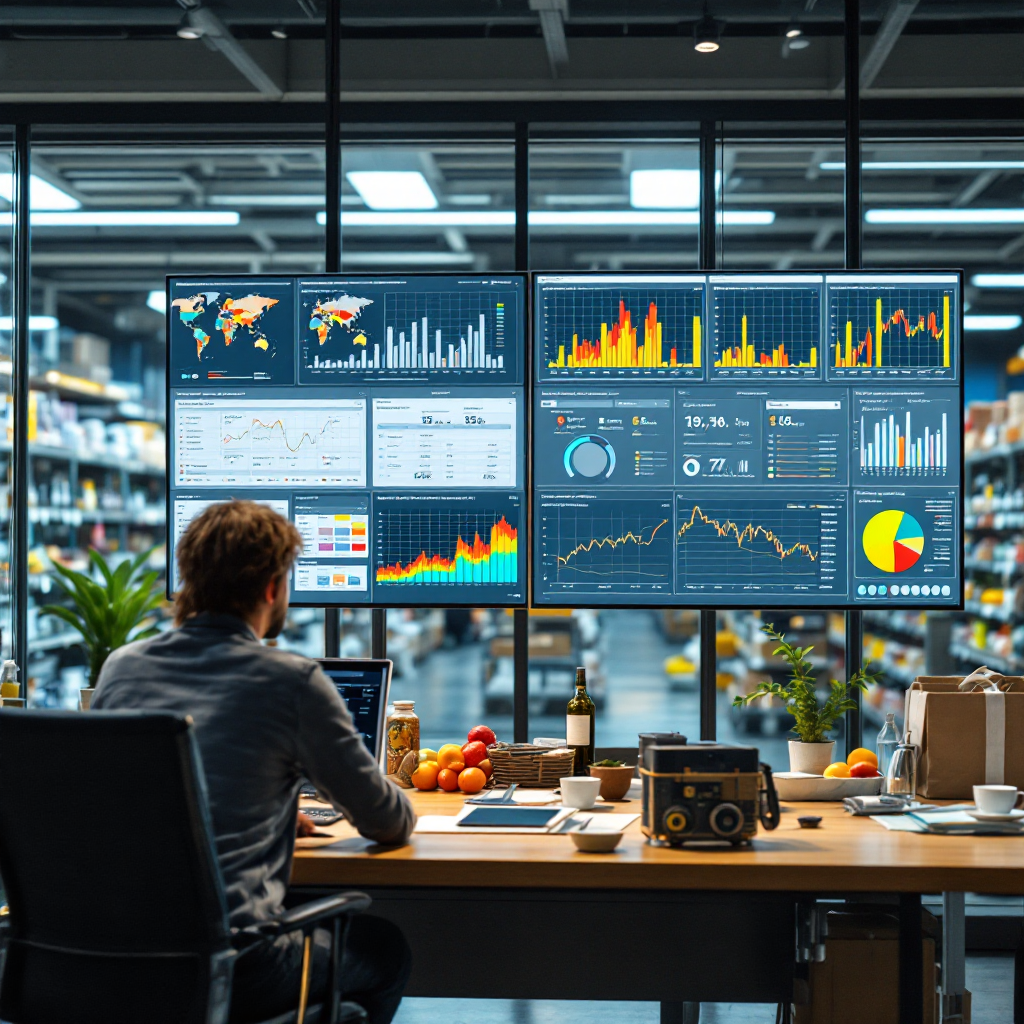
Grocery chains adopt ai tools to improve demand forecasting, dynamic pricing, workforce scheduling and POS orchestration. Demand forecasting models reduce forecast error and lower both overstocks and stockouts. Some studies report forecast improvements of 20–50%, which helps reduce waste and improve shelf availability. Better forecasts also inform dynamic pricing and promotions in real time based on market data and sales velocity.
Workforce scheduling uses optimisation algorithms that balance predicted footfall with staff skills. This yields labour-efficiency gains and helps managers match service levels to demand. For the point-of-sale, APIs allow promotions to apply at checkout and sync with ecommerce carts. Systems that orchestrate POS, ecommerce and inventory provide the real-time data that enables agents to act and products are always available when customers need them.
Integration tips include choosing API-first systems and defining clear data contracts. Start small with one pilot store, then measure key metrics such as stock accuracy, labour hours per transaction and CSAT. Define KPIs before you launch and ensure technical teams log traceable events across systems. Also, keep one eye on governance: data analysis and audit trails prevent mismatch between pricing and catalogue records.
Here is a 6-step pilot checklist to follow: 1) gather data sources and confirm permissions; 2) provision infrastructure and API gateways; 3) select a pilot store and scope; 4) define metrics and dashboards; 5) train staff and adjust workflows; 6) scale once targets are met. For operational teams that handle high email volumes and need fast, accurate replies grounded in ERP/TMS/WMS data, consider no-code ai tools that reduce handling time and keep replies consistent; see our automated logistics correspondence solution for an example.
Drowning in emails?
Here’s your way out
Save hours every day as AI Agents label and draft emails directly in Outlook or Gmail, giving your team more time to focus on high-value work.
benefits of ai agents: measurable gains — inventory accuracy, labour cost savings and customer retention
AI agents deliver measurable benefits across the retail business. Key metrics include a roughly 30% increase in stock accuracy and up to 25% labour cost reductions in some automated deployments. Pilot CSAT uplifts around 15% have been reported for ai-powered shopping assistance. These figures support a clear business case for investment in automation and agentic ai that helps a retailer increase efficiency and satisfaction and industry reports.
The payback levers are straightforward. Improved stock accuracy reduces lost sales from out-of-stock items and cuts waste. Labour savings come from automating repetitive tasks, which frees staff for higher-value customer interactions. Moreover, personalised shopping experiences and ai recommendations drive repeat visits and higher basket sizes. To model ROI, compare baseline KPIs against post-AI outcomes for inventory accuracy, labour hours and conversion rates. A compact table often helps: baseline vs post-AI for stock accuracy, labour cost, CSAT and basket size. This table makes trade-offs clear when weighing OPEX versus CAPEX.
When building a case, include scenarios for minimal human intervention and agent-assisted modes. Some autonomous ai agents will act autonomously for routine tasks, while others require human oversight for exceptions. Also consider softer returns, such as higher satisfaction and loyalty, which correlate with long-term revenue. For teams that manage logistics emails and require rapid, accurate replies, integrating ai systems that fuse ERP and email memory can also show rapid productivity gains; learn more about how to scale logistics operations with AI agents in practice here.
Finally, include a short checklist for ROI modelling: baseline metrics, pilot targets, implementation costs, expected labour savings, and risk buffers. This disciplined approach helps decision-makers quantify benefits of ai agents before a full rollout.
integrate, automation and the future: governance, privacy, staff training and autonomous agents in-store
Integration, governance and change management are essential when supermarkets adopt autonomous agents. Systems must meet data privacy rules such as GDPR, include audit logs for decisions and embed safety limits for robots operating near customers. Integration complexity is real. Vendors and stores must agree data contracts, test end-to-end flows and verify that agents act only within authorised boundaries.
Staff training is critical. Teams need procedures for supervising robots, handling exceptions and explaining agent behaviour to customers. Reskilling plans reduce resistance and increase adoption. To build trust, stores should publish simple customer notices that explain what data the agent uses and how it protects privacy. This transparency helps improve customer confidence and reduces friction.
Ethical and safety considerations include ensuring agents do not make price or product claims that are false. Maintain human review for unusual promotions and keep audit trails for generative outputs. Vendor lock-in risk can be mitigated by insisting on open APIs and data portability. As the market evolves, standards for agents to work safely in public retail spaces will emerge and agent-to-agent negotiation between supplier and store systems may become common. That future of ai includes tighter ecommerce integration and agents that autonomously negotiate replenishment with suppliers.
For supermarket leaders ready to act, here are five next steps: 1) pilot a single store with clear KPIs; 2) measure stock accuracy and customer satisfaction; 3) establish governance and data contracts; 4) train staff on new workflows; 5) scale where metrics show benefit. If your ops teams need to reduce hours spent on repetitive emails and keep replies grounded on ERP facts, investigate ai email agents that improve turnaround and accuracy; see how ai for freight forwarder communication can be adapted to grocery supplier workflows as a model.
FAQ
What does an ai agent do for grocery shopping?
An ai agent automates tasks such as building a shopping list, suggesting recipes and guiding in-store navigation. It personalizes offers using purchase history and customer preferences to improve the shopping experience.
How do supermarkets use autonomous agents for inventory?
They deploy shelf-scanning robots and integrate the data with inventory optimisation models to automate reorder triggers. This reduces manual stock checks and improves stock accuracy.
Are generative ai models safe for promotions?
Generative ai can create personalised promotions, but it must use retrieval-augmented generation to avoid hallucinations. Guardrails like catalogue sync and price validation are essential before launch.
What practical ai tools should grocery chains prioritise?
Start with demand forecasting, workforce scheduling and POS orchestration tools that use APIs and clear data contracts. Pilot in one store and measure stock accuracy and labour efficiency before scaling.
What measurable benefits do ai agents provide?
Benefits include improved inventory accuracy (around 30%), labour cost reductions up to 25% and CSAT uplifts in pilot programmes. These figures help build a quantifiable ROI case.
How do stores handle data privacy with agents?
Stores must comply with laws such as GDPR, implement role-based access and keep audit logs for decisions. Clear customer-facing notices also support trust and transparency.
Will ai agents replace store staff?
Agents typically automate repetitive tasks so staff can focus on customer-facing roles. Staff reskilling and new workflows are required, but full replacement is rare in early deployments.
How do agents integrate with suppliers?
Integration uses APIs and real-time data feeds so agents can trigger orders or negotiate replenishment with suppliers. Standardised data contracts reduce errors and speed adoption.
Can small grocery chains use these tools?
Yes, many ai solutions are offered as modular services and support staged pilots. Start with focused use cases like demand forecasting or automated email replies to see early returns.
Where can I learn more about operational AI for logistics and replies?
Explore resources on automating logistics correspondence and virtual assistants that ground replies in ERP and email memory. These tools show how to cut handling time and improve accuracy across operations see an example.
Drowning in emails?
Here’s your way out
Save hours every day as AI Agents label and draft emails directly in Outlook or Gmail, giving your team more time to focus on high-value work.