


ai & ai in construction — why the construction industry needs an ai-powered assistant
AI assistants automate routine estimating and procurement tasks, cut human error and speed decision-making on materials. For busy teams, that matters because manual copy-paste across ERP and email threads wastes hours. Also, AI helps construction professionals turn static estimates into living documents that reflect changing market prices and delivery windows. The global AI in construction market is forecast to grow from US$4.86bn in 2025 to US$22.68bn by 2030, a roughly 35% CAGR, which shows how fast firms are adopting this tech (market projection).
In practice, an AI assistant reduces rework and delays by automatically checking project specifications and submittals against approved materials. For example, an assistant can flag mismatched certificates before purchase orders go out. Project managers get a live estimate that reflects real-time constraints. Also, contractors win tighter budgets and fewer overruns when they use AI to detect price spikes and supplier shortages. Case studies show automated takeoff and estimating tools can cut estimator time dramatically; some vendors report 70–80% time savings in specific workflows (time-savings evidence).
Our team at virtualworkforce.ai sees another daily win: email becomes a workflow tool instead of a bottleneck. For instance, no-code AI email agents can draft accurate, context-aware replies that cite inventory from an ERP and surface delivery ETAs. This reduces the endless hunt for data and lets teams focus on decisions. In short, AI assistant adoption helps residential builders and remodelers as well as large contractors deliver projects faster, with fewer disputes and better compliance. Therefore, early pilots that focus on high-volume trades pay back quickly.
Action checklist:
– Start a pilot that automates one repeatable email or purchase flow.
– Measure estimator hours saved and track fewer procurement errors.
– Verify integration with your ERP and document management system.
Real-world example: a mid-sized contractor replaced manual takeoffs for finishes with AI-assisted measurement and then cut takeoff time by more than half, letting estimators spend more time on cost strategy and risk review.
construction software for project management: integrating ai tools with Procore for construction project management
Tie AI takeoff and estimate outputs into existing construction software so the estimate becomes a live source of truth. Integration means the takeoff no longer lives in a PDF. Instead, the estimate syncs to purchase orders, submittals and RFIs. For example, Togal.ai integrates with Procore to auto-map takeoff data into project records. That reduces manual re-entry and versioning errors while keeping your construction cloud current.
Prioritise APIs, mapping rules and user-permission flows to keep data consistent across bidding, scheduling and procurement. Also, set up mapping rules that translate measurement types into purchase units. Next, ensure that user roles prevent accidental changes to the master estimate. This approach keeps project teams aligned and reduces disputes with subcontractors.
Integration goes beyond data sync. It enables automation in procurement and document crunch tasks. When a project document like a drawing or spec changes, AI software can detect differences, update the takeoff and push a notification to procurement. That shortens lead times. Moreover, managers get predictive insights that help them plan deliveries and avoid on-site stockouts. For construction firms that use Autodesk Construction Cloud or Procore, the objective is the same: keep the estimate as the single source of truth for project delivery.
Action checklist:
– Audit APIs for your Procore instance and other management software.
– Define mapping rules for units, cost codes and approval flows.
– Train users on permission levels and change workflows.
Real-world example: a general contractor connected takeoff exports to Procore and cut purchase-order rework. The integration shortened administrative cycles and improved on-time deliveries.

Drowning in emails?
Here’s your way out
Save hours every day as AI Agents label and draft emails directly in Outlook or Gmail, giving your team more time to focus on high-value work.
estimate, takeoff and estimator workflows: how ai-powered tools like togal.ai speed bids
AI-powered takeoff tools streamline measurement and counting so estimators can focus on pricing strategy and risk. For instance, togal.ai ingests drawings and produces structured counts that map to cost codes. This cuts time per bid and helps firms respond to more opportunities. Vendors report typical reductions in takeoff time from roughly 50% up to 10–20× faster in some claims, and specific case studies show 70–80% savings in manual effort (takeoff savings).
As a result, estimator roles change. Instead of measuring every item, estimators validate AI outputs, review supplier pricing and set contingency. That shift makes the bid process faster and more consistent. Also, having a live estimate means teams can run iterative pricing while preserving version history. The workflow becomes collaborative: model, validate, price, and route to procurement.
Buildxact AI estimator tools are designed specifically for residential work, while enterprise tools integrate with ERP and construction management systems for larger jobs. Document crunch tasks like extracting line items from PDFs also get faster with AI-driven OCR and parsing. This helps when teams must compare supplier quotes or check historical pricing. The net effect is lower overhead for each bid and higher hit rates when targeting strategic projects.
Action checklist:
– Pilot an AI takeoff on a high-volume trade and compare outputs to historic estimates.
– Establish a validation loop: automated measurement, estimator review, supplier quote loop.
– Integrate the AI outputs into your procurement and scheduling tools.
Real-world example: a remodel firm used togal.ai on window and door packages and reduced bid turnaround time by half, which increased their win rate on competitive projects.
risk management and procurement automation: integration, automation, subcontractors, construction firms and project delivery
Risk management improves when estimates update with real-time supplier pricing and availability. AI pulls market data, detects material shortages and predicts where cost escalation may occur. Therefore, firms can adjust procurement strategies before shortages cause stoppages. This proactive risk management reduces risk and helps teams keep projects within budget.
Automation in procurement goes further. When thresholds trigger, the system can auto-create purchase orders or alert purchasing leads. That reduces over-ordering and waste and supports on-time project delivery. For example, automated reorder thresholds synced to delivery forecasts cut excess inventory while keeping on-site needs met. Also, construction firms can centralise material requirements and compliance data so subcontractors receive clear, approved lists that reduce disputes.
Subcontractor coordination benefits when project data flows through shared systems. AI-driven alerts for late deliveries or missing submittals enable quick corrective action. Project managers and procurement staff get predictive insights on lead times and supplier performance. Consequently, teams can re-route orders or adjust sequencing. These capabilities help reduce risk while improving procurement efficiency.
Action checklist:
– Implement automated reorder rules tied to your ERP or procurement system.
– Share approved material lists with subcontractors and track submittals in one place.
– Monitor supplier delivery performance and set contingency plans for critical items.
Real-world example: a construction firm integrated AI to detect steel lead-time changes and rerouted orders to a secondary supplier, avoiding a two-week delay and keeping the foundation schedule intact.
Drowning in emails?
Here’s your way out
Save hours every day as AI Agents label and draft emails directly in Outlook or Gmail, giving your team more time to focus on high-value work.
job sites and construction progress: analytics, construction projects, construction management and a single source of truth
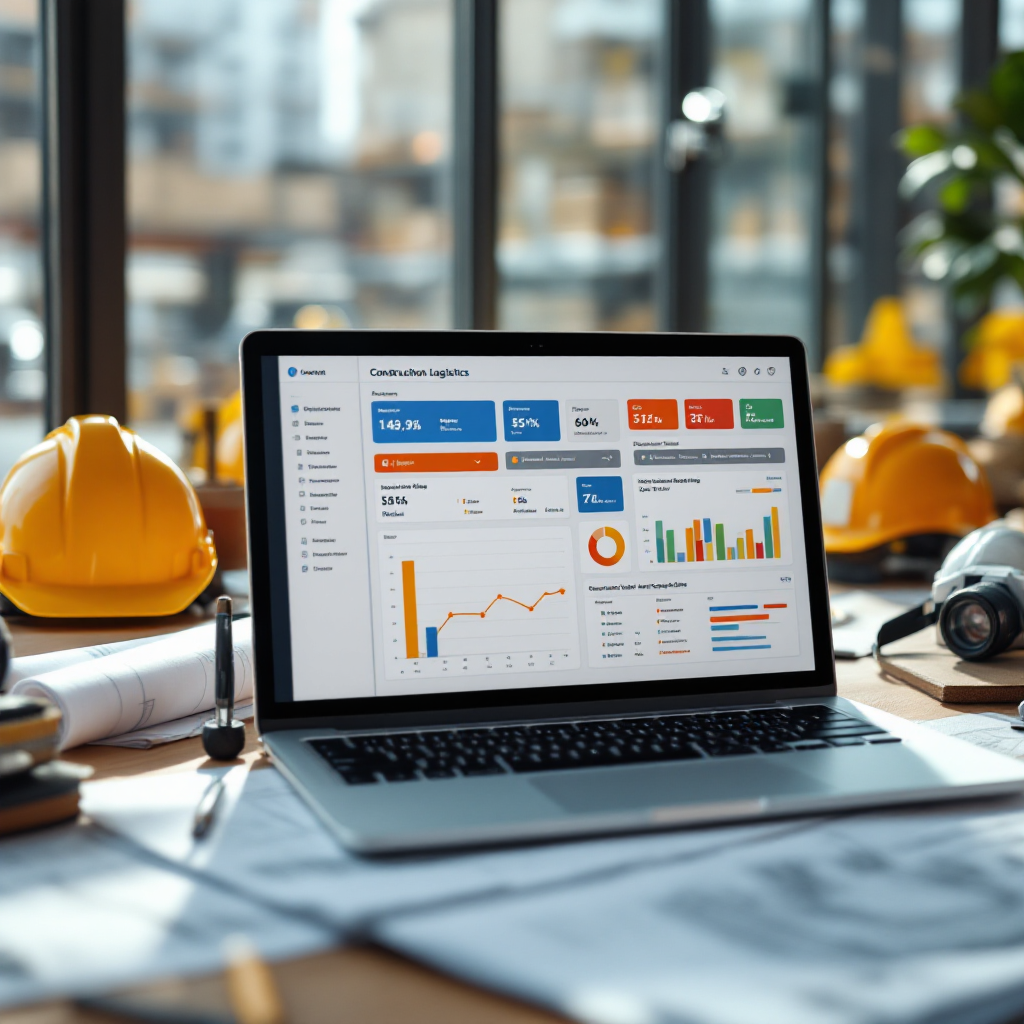
Combine AI with sensors, BIM and daily logs to predict material needs by phase and avoid delays on job sites. On-site data from deliveries, inspections and progress photos feeds analytics that flag divergences between planned and actual material usage. Then teams can act before a shortage becomes a schedule impact. Dashboards summarise project progress and link purchase orders to physical receipts so project teams always know what is expected on-site.
Keeping a single source of truth matters. When the latest estimate drives procurement and scheduling, teams reduce double-orders and rework. Also, AI can detect mismatches between data from drawings and actual procurement lists and surface them for fast resolution. This reduces disputes and improves quality and safety issues because teams have consistent project specifications across systems.
AI software that tracks jobsite stock and inspection outcomes can also support predictive insights around needed inspections or materials that often cause rework. For construction project management, that means fewer stoppages and a clearer path to deliver projects faster. In addition, linking daily logs to the estimate allows proactive changes to sequencing, which saves time and cost.
Action checklist:
– Connect on-site sensors or mobile check-ins to your estimate and POs.
– Use analytics to compare planned vs actual material usage weekly.
– Make the estimate the master record for purchasing and progress reporting.
Real-world example: a large contractor used on-site scanning and AI analytics to cut material wastage by 12% while improving site cleanliness and inspection pass rates.
industry leaders and the future of construction: ai is transforming preconstruction, bid processes and revolutionizing the construction industry
Industry leaders adopt AI for preconstruction to win bids faster and reduce contingency buffers. Early adopters report schedule reductions of around 16% when they combine AI schedule optimization with tighter material planning (schedule study). Also, AI helps teams deliver projects faster with less waste by optimising quantities and logistics (sustainability perspective).
To move from pilot to scale, leaders recommend a staged adoption checklist: pilot on one trade, verify accuracy against historical projects, document integration points with ERP or Procore and train estimators and suppliers. In addition, build governance so that AI features and outputs can be audited. This reduces risk and secures buy-in from procurement and field teams.
The future of construction will include more conversational AI tools for suppliers and subs, plus generative AI that drafts scopes and RFIs from drawings. Vendors like Togal.ai already show part of that future by automating data from drawings into estimates. Meanwhile, tools that tie email to ERP data help procurement teams respond faster to exceptions; virtualworkforce.ai focuses on no-code AI email agents that draft context-aware replies grounded in your systems. This type of automation frees up staff for higher-value tasks and supports scalable operations (data analysis trends).
Action checklist:
– Pilot AI on a single trade with clear success metrics.
– Document integrations with project documents and ERP systems.
– Train estimators, procurement and suppliers before broad roll‑out.
Real-world example: a national contractor who piloted AI in preconstruction cut bid cycle time and reduced contingency buffers, improving win rates and margin consistency.
FAQ
What is an AI assistant for construction materials?
An AI assistant automates tasks like quantity takeoff, price tracking and procurement alerts. It uses project documents and real-time market data to keep estimates current and reliable.
How does integration with Procore help materials workflows?
Integration moves takeoff outputs into a live project record so purchase orders, submittals and RFIs use the same source of truth. That reduces manual re-entry and versioning errors across teams.
Can AI really speed up takeoffs and estimates?
Yes. Automated takeoff vendors report large time savings, with some case studies showing 70–80% reductions in manual effort. Estimators then validate outputs and focus on pricing and risk review.
Will AI reduce procurement risk?
AI that pulls real-time supplier pricing and availability lowers exposure to volatility and supply delays. It also enables automated reorder thresholds and forecasted deliveries to reduce over-ordering.
How does AI help on-site material management?
On-site sensors, BIM and AI analytics predict material needs by phase and flag divergences between planned and actual usage. This helps avoid delays and cuts waste.
Is AI suitable for small residential builders?
Yes. Tools like buildxact ai estimator and purpose-built modules for residential builders and remodelers make takeoff and pricing faster for smaller jobs. They scale as the business grows.
How do I start piloting AI on my projects?
Begin with one trade, compare AI outputs to historical estimates, and document how the AI integrates with your ERP or construction cloud. Train your estimators and suppliers before expanding use.
What compliance benefits does an AI assistant provide?
AI tracks material certificates and project specifications so teams avoid non-compliance penalties and delays. It also keeps submittals and inspection records synchronised with the estimate.
Can AI help with supplier and subcontractor communication?
Yes. Conversational AI can draft or respond to email queries and surface supplier ETAs based on ERP data, which speeds resolution of exceptions. For logistics-focused automation, see resources on automating logistics emails and ERP email automation for logistics.
What metrics should we track to measure AI success?
Track estimator hours saved, bid turnaround time, purchase-order rework, on-site material waste and schedule adherence. Also monitor supplier lead times and the accuracy of predictive insights for procurement.
Drowning in emails?
Here’s your way out
Save hours every day as AI Agents label and draft emails directly in Outlook or Gmail, giving your team more time to focus on high-value work.