


ai: integrate ai in wholesale to streamline retail and consumer goods distribution by 2025
AI now sits at the core of modern wholesale distribution strategy, and firms must adapt fast. First, distributors face tighter margins and higher customer expectations. Therefore, leaders turn to AI to streamline merchandising, logistics and customer channels. AI-driven automation can cut operational costs by up to 20% and improve order accuracy and delivery speed; this efficiency stat highlights why companies invest now (Turian Blog). In addition, more than half of U.S. consumers are trying generative AI, and almost half say it improves their shopping experience, which gives retailers a clear incentive to adopt new tech (Deloitte, Master of Code).
Those facts matter for supply chain teams. For example, unified inventory visibility across distribution centers reduces stockouts, and real‑time promo responsiveness lifts conversions. McKinsey highlights the rise of agentic commerce where AI can act on behalf of customers, and that signals a shift in how retailers sell (McKinsey). Today, many distributors move from point tools to a single AI platform that ties merchandising, logistics and customer channels together. This shift streamlines operations and creates a consistent shopping experience.
At the same time, awareness gaps persist. About 14% of retail and CPG teams remain unaware of relevant AI technologies, so education must accompany deployment (NVIDIA). For wholesale distribution, the outcome is clear. By 2025, leaders will favor integrated AI systems that combine forecasting, inventory management and customer-facing agents. Companies that learn how AI can help with inventory visibility, dynamic offers and order fulfilment will win shelf space and loyalty. For example, virtualworkforce.ai helps ops teams reply faster to order queries by grounding replies in ERP and WMS data, which reduces errors and boosts throughput. Next, we will look at how AI assistant and virtual assistant tools replace routine tasks in order processing and service.
ai assistant and virtual assistant: ai-powered assistants for order processing, inventory and customer service
AI assistant solutions speed up order processing and cut repetitive work. Many teams deploy a virtual assistant to validate orders, triage returns, and answer basic queries. These AI-powered assistants handle routine emails and system updates, and they free human agents for exceptions. Using a virtual assistant, ops teams reduce handling time per email from about 4.5 minutes to 1.5 minutes by grounding replies in ERP, TMS and WMS data. For more on automating logistics mail, see this practical guide on AI-driven email drafting (logistics email drafting).
In practice, assistants use natural language to parse requests and then call APIs to update systems. When teams integrate AI into their OMS and WMS, they automate order validation, match invoices, and flag exceptions for human review. This reduces manual order errors and speeds fulfilment cycles. 24/7 coverage raises customer satisfaction and shortens SLAs. Additionally, some deployments include voice assistants for phone intake, which then convert calls into structured tasks for the warehouse.
However, firms must handle risks. Generative AI chatbots can “hallucinate” or invent facts if not properly grounded, so verify transactional replies and show provenance for quoted ETA data (EdgeTier). Teams should set clear fallbacks and escalation paths when the assistant cannot confirm details. Implement role‑based controls, logging and human review gates. For teams that want to scale without hiring, consider stepwise rollout: pilot the assistant on a shared mailbox, measure error rates, then expand to other mailboxes (how to scale logistics operations without hiring).

Drowning in emails?
Here’s your way out
Save hours every day as AI Agents label and draft emails directly in Outlook or Gmail, giving your team more time to focus on high-value work.
ai tool and use ai tools: analytics and forecasting tools that use ai to optimise inventory and demand planning
Analytics and forecasting form the backbone of predictive distribution. Deploy ML forecasting engines to optimize stock levels and reduce waste. When a retailer links POS, promo calendars, weather and external events, the analytics reveal demand patterns that humans alone miss. Improved forecast accuracy by roughly 20% lowers both stockouts and overstock. That outcome reduces waste and supports sustainability goals. Use a mix of explainable ai models and routine back‑testing to keep models honest.
Start by defining KPIs such as forecast error, fill rate and days of inventory. Then run A/B tests for promotional offers and replenishment rules. An ai tool that supports explainability makes it easier to gain stakeholder trust. Also, connect models to the storefront and OMS to automate reorder triggers in real‑time. For operational teams, this approach automates reorder decisions and frees planners to focus on exceptions.
Governance matters. Regularly evaluate model drift and maintain training data hygiene. Track data provenance and ensure compliance with privacy rules when models ingest customer data. For teams that want an end‑to‑end path, learn how AI ties forecasting to order execution and exceptions handling (automated logistics correspondence). By combining ML forecasting with human oversight, distributors can optimize replenishment while keeping control. This balanced approach lets retailers and distribution centers optimize cost, service and sustainability.
shopping assistant and ai shopping assistants: personalised ai shopping assistants and shopping assistant agents (agentic commerce) to boost conversions
Personalized shopping assistants reshape the online shopping journey. AI shopping assistants deliver tailored suggestions, manage subscriptions and remind consumers to reorder staples from their shopping list. They analyze past purchases and current promotions to create personalized recommendations that feel timely and helpful. For many shoppers, this improves the online shopping experience and shortens decision cycles.
Agentic commerce takes this further. Agentic AI can compare offers, negotiate discounts and even complete purchases autonomously under preset rules. McKinsey describes agentic commerce as a new era where AI agents act on behalf of consumers, which will change how merchants present inventory and pricing (McKinsey). Companies must design guardrails so autonomous ai behaves within negotiated limits and protects customer consent.
Consumers show growing acceptance. Studies report that a significant share of shoppers trust AI for faster service, and almost half of consumers believe generative AI improves their shopping experience (Master of Code). Still, transparency and control are essential. Offer clear controls for how an agent may act, and provide an easy override. Build APIs that allow dynamic offers and negotiation rules so the shopping assistant can act on live inventory and pricing. Also, protect against malicious agent behaviour by rate‑limiting autonomous actions and auditing agent decisions.
Retailers and distribution business leaders should start by integrating shopping assistants into loyalty flows and subscription models. Test personalized product recommendations on a segment, measure conversion lift, then scale. Combining conversational ai with contextual rules gives customers a seamless path from discovery to purchase while retailers retain oversight and control.
Drowning in emails?
Here’s your way out
Save hours every day as AI Agents label and draft emails directly in Outlook or Gmail, giving your team more time to focus on high-value work.
automate and streamline workflow: top use cases to automate warehouse, routing and returns to improve efficiency
Warehouse operations deliver immediate ROI when teams automate the right workflows. Top use cases include automated picking and packing, route optimisation, returns triage, invoice matching and sales order automation. These tasks create frequent manual work and many exceptions. By automating them, firms lower labour overhead and reduce cycle times. In practice, start with the highest‑volume, highest‑error workflows, then pilot and scale. Combine robotics and vision with conversational AI to tie hands‑free tasks back to order records.
Route optimisation algorithms cut transport miles and improve delivery windows. Returns triage that uses AI to classify reason codes speeds restocking and reduces fraud. Invoice matching that uses AI reduces reconciliation time and improves cash flow. Use dashboards to surface exceptions and include human agents for edge cases. Regularly review metrics and run continuous improvement loops.
Integration tips matter. Connect automation into ERP, TMS and WMS so data flows without manual copy‑paste. For example, virtualworkforce.ai integrates email context and ERP records to draft accurate replies and to update systems automatically, which improves throughput and lowers error rates (virtual assistant logistics). Also ensure your automation includes clear escalation rules and audit trails for compliance and data privacy. Finally, track impact on operational costs and customer satisfaction so you can justify incremental investments and broaden the automation scope across the network.
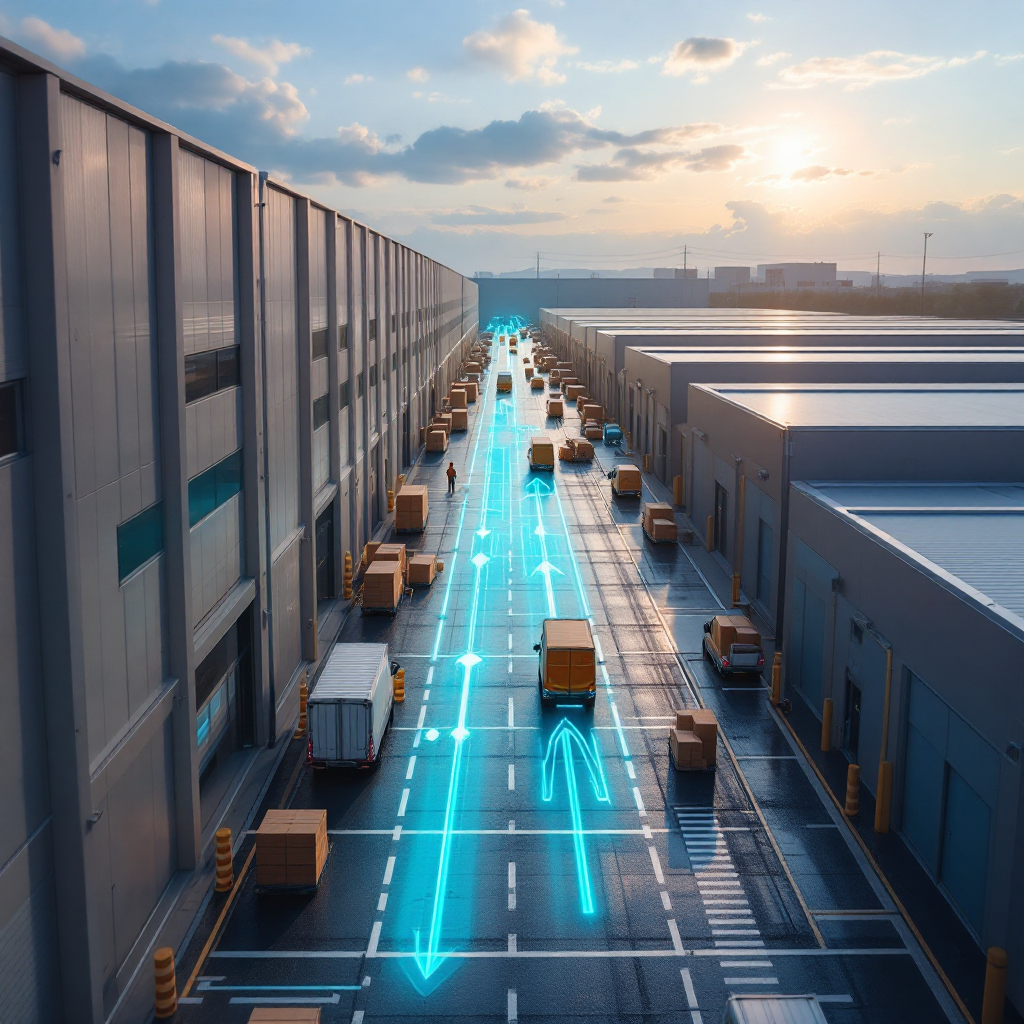
consumer goods, solutions for retail and consumer and ai solutions: deployment roadmap, analytics and top use cases for wholesale distribution
Deploying AI at scale requires a practical roadmap. First, assess the highest‑value use cases and proof points. Typical top use cases include demand forecasting, order automation, personalised shopping assistants, routing and warehouse automation, and fraud/returns detection. Next, pilot analytics and AI assistant pilots at a single DC or market. Then scale to an ai platform that ties forecasting, fulfillment and customer channels. This staged approach reduces risk and speeds ROI.
Governance and risk controls must run in parallel. Ensure data quality and model explainability, collect user consent for customer data, and implement supplier integrations with secure APIs. Mitigate hallucination risk for generative models by enforcing provenance and verification for transactional replies. Monitor KPIs and set SLA targets to measure improvement. Also, address data privacy early and document compliance steps.
Operational guidance helps teams move faster. Define KPIs, choose to build or buy, and integrate with OMS and WMS. Set human escalation rules and monitor performance continuously. Tools like those from virtualworkforce.ai show how no‑code AI email agents can cut handling time and lift accuracy by grounding answers in systems of record (ERP email automation). Finally, invest in change management so staff adopt new patterns and feel confident in the ai journey. With clear governance and practical pilots, wholesalers can leverage ai to manage inventory management, improve customer behavior insights and to deliver better service across the network.
FAQ
What is an AI assistant in wholesale distribution?
An AI assistant automates routine communication and decision tasks in wholesale distribution. It can draft emails, validate orders, and surface inventory insights by connecting to ERP and WMS systems.
How does AI improve inventory management?
AI improves inventory management by analyzing POS, promo and external signals to forecast demand. This leads to fewer stockouts and reduced overstock, while lowering waste and operating costs.
Are generative AI chatbots safe for customer messages?
Generative AI can help, but it can also hallucinate if not grounded. Use provenance checks, human escalation and strict templates for transactional replies to keep accuracy high (EdgeTier).
What adoption rates should retailers expect for AI?
Many consumers already adopt generative AI and retailers find rising acceptance. Over half of U.S. consumers are experimenting with generative AI, and this trend supports broader AI adoption in commerce (Deloitte).
Which workflows deliver the fastest ROI?
High‑volume, error‑prone workflows like returns triage, invoice matching and order processing often deliver the fastest ROI. Start with these and scale automation after initial wins.
How do I prevent AI from making wrong commitments to customers?
Enforce verification rules and cite system sources for ETA and inventory claims. Configure the assistant to escalate uncertain cases to human agents and to log every decision for review.
Can AI personalize the shopping experience?
Yes. AI shopping assistants can personalize product suggestions and manage subscriptions, which increases conversions and repeat purchases. Provide clear controls and transparency so customers trust automated recommendations.
What governance is needed for AI deployment?
Governance should include data quality checks, model explainability, user consent, and compliance with data privacy rules. Also define KPIs and monitor drift and performance continuously.
How do I integrate AI with existing systems?
Use APIs to connect AI tools to OMS, WMS and ERP systems, and maintain an access layer for secure data across systems. No‑code connectors can speed deployment for ops teams.
Where can I learn practical examples of AI for logistics emails?
See resources on automating logistics correspondence and virtual assistant logistics to learn practical deployments and measurable impact. For example, check guides on automated logistics correspondence (automated logistics correspondence).
Drowning in emails?
Here’s your way out
Save hours every day as AI Agents label and draft emails directly in Outlook or Gmail, giving your team more time to focus on high-value work.