


ai in logistics: what an ai assistant and ai-powered analytics do for cross-dock operations
Cross-dock operations move goods directly from incoming vehicles to outgoing carriers with minimal storage. An AI assistant in this environment sequences pallets, assigns dock doors and coordinates handoffs so staff and machines work without delay. In practice, the system merges carrier ETAs, GPS feeds, port traffic, and WMS inputs to create a single operational view that enables fast choices. For example, published pilots show unloading and loading times fall by up to ~20%, while schedule accuracy can improve by about 15%. These figures illustrate why teams choose to use AI for dynamic sequencing and allocation.
Real-time analytics power the recommendations. The pipeline typically looks like: data sources → AI model → recommendations → operator or automation actions. Data sources include telematics, EDI messages, carrier status pages, and a warehouse management system. The AI model applies predictive analytics and AI algorithms that forecast arrival windows and suggest slot reallocation when conditions change. Then the system surfaces short, actionable instructions to the operator or directly to AGVs and autonomous forklifts in the yard.
From a technology perspective, integrating AI requires connectors to ERP and TMS systems and realtime feeds. virtualworkforce.ai accelerates this by grounding email and task automation in ERP/TMS/WMS context, so staff get fitted, context-aware instructions inside Outlook or Gmail and can respond faster. For teams that prefer a deeper technical read, the literature frames this as a move toward an intelligent, coordinated dock that optimizes throughput and reduces detention and other operational costs across hybrid cross-dock facilities. As Dr. Maria Lopez stated, “AI assistants are transforming cross-dock operations by enabling dynamic, data-driven decisions that were previously impossible at scale” source.
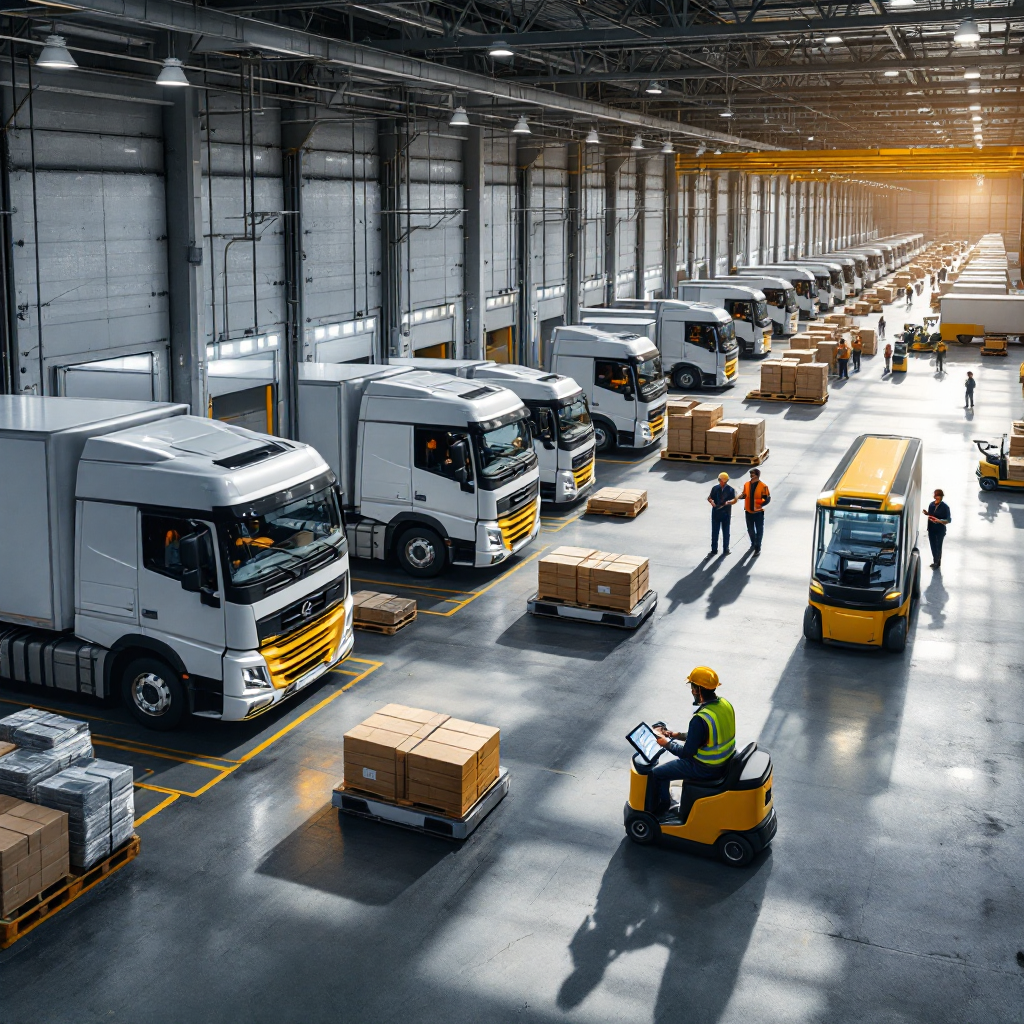
To summarize, AI brings real-time visibility and predictive insight to cross-dock operations so teams can proactively reduce delays. This enables tighter synchronization between inbound and outbound flows, and it allows operations to optimize delivery performance while keeping labour and space usage lean.
dock scheduling and inbound optimization: using real time data, tms integration and anomaly detection to streamline delivery
Dock scheduling starts with real-time feeds and a clear rule set that links slots to capacity. By combining GPS, telematics, and EDI with TMS and WMS inputs, systems produce dynamic appointment schedules and buffer windows that absorb variation. Predictive models estimate arrival times and gate-to-dock activity. When a carrier drifts from plan, the AI flags the change and proposes slot reallocation or outbound reshuffles. Teams then accept or adjust recommendations to keep yard flow steady.
In detail, the logic includes predictive ETA calculations, slot reallocation rules, and multi-agent scheduling that balances worker skills, dock doors and truck size. The system uses historical data to learn typical dwell patterns and to set adaptive buffers. When anomalies arise, the model detects them quickly: late arrivals, mismatched SKUs, pallet-type errors or capacity breaches. It then suggests contingency actions such as reassigning a different dock door, rescheduling the outbound shipment, or staging exceptions for manual inspection.
Anomaly detection is critical. A single wrong pallet type can block an entire bay and create cascading outbound delays. Therefore the AI marks high-risk arrivals and creates a prioritized exception list for supervisors. Metrics to monitor include door utilisation, truck turnaround time, detention costs and schedule adherence. These KPIs link directly to lower operational costs when the system performs well.
Teams often integrate this capability with existing TMS APIs and the warehouse management system so that every adjustment writes back to records. For teams that need help with logistics correspondence and appointment handling, virtualworkforce.ai offers automated logistics correspondence tools that reduce manual email handling and let schedulers focus on exceptions. By automating routine appointment emails and confirmations, operations reduce errors and speed response time, which helps optimize delivery and prevents disruptions.
Overall, dock scheduling powered by predictive analytics and integrated telematics turns reactive work into proactive planning. The result is less downtime, fewer expedited shipments, and more consistent performance against service targets.
Drowning in emails?
Here’s your way out
Save hours every day as AI Agents label and draft emails directly in Outlook or Gmail, giving your team more time to focus on high-value work.
automation and ai agents: warehouse automation, ai agents and generative ai to raise productivity
Automation links software decisions to physical movement. AI agents coordinate labour, autonomous mobile robots (AMRs) and conveyors so tasks proceed without break. The roles for AI agents include autonomous appointment handling, suggested labour plans, and direct dispatching of AMRs to designated bays. These agents run rule sets, consult predictive models and then act or notify humans. They increase rhythm and reduce handoffs between systems, and they let supervisors focus on exceptions.
Generative AI helps translate decisions into human-friendly outputs. For example, it can create shift briefings, exception explanations and concise handover notes for the incoming shift. These texts include context about reallocated dock doors, special handling instructions, and any safety flags. That reduces friction on the floor and helps reduce manual scheduling work by offering clear, auditable instructions.
Examples from pilots show that AI orchestration can nearly double throughput during short peaks and that automated scheduling can reach ~95% autonomous success on routine appointments. That frees staff to handle complex exceptions and safety checks. However, human-in-the-loop controls remain essential. Teams must set decision boundaries, escalation rules and audit trails so a supervisor reviews high-risk changes. This preserves safety and accountability.
System architecture for this use case typically couples an optimisation engine with a messaging and orchestration layer. The optimisation engine runs algorithms that assign tasks and balance workloads, while the orchestration layer sends commands to the warehouse automation fleet and updates the WMS and TMS. To bridge human workflows, platforms like virtualworkforce.ai connect these signals to email and messaging so humans receive grounded, context-aware prompts and can instantly update records without switching screens. This reduces cycle time and supports higher productivity on the dock.
Finally, apply predictive maintenance so automation stays reliable. Sensors and machine learning monitor conveyor and vehicle health and flag parts that need service. This prevents unexpected downtime and keeps throughput steady during demand spikes.
ai solutions for warehouse management and logistics operations: analytics, WMS/TMS orchestration and ROI
An enterprise AI solution combines several components: prediction models, an optimisation engine, an integration layer for WMS/TMS, dashboards and APIs. Prediction models forecast arrival windows and load profiles. The optimisation engine assigns dock doors and sequences unload/load operations to maximize throughput while minimising labour peaks. The integration layer ensures that updates propagate to ERP, WMS and TMS records, creating a single source of truth across the yard.
KPI tracking matters. Standard metrics include throughput, dock turnaround, labour utilisation, expedited freight spend and carbon emissions per shipment. Linking these metrics to financials allows teams to build an ROI case. Published ranges show 10–20% efficiency gains and a 10–12% supply chain efficiency lift in collaborative scenarios, which supports faster payback on system cost source. In addition, AI-driven scheduling can cut expedited shipping events and detention fees by roughly 20% in some pilots source.
To illustrate ROI, consider a modest centre that pays $500k per year in detention and expedited freight. A 20% reduction saves $100k, plus labour and energy gains. If the solution costs $60k annually, the centre recovers the investment in under 12–18 months while also lowering operational costs and emissions. These calculations include benefits of reduced manual processing and better inventory management because the system reduces stockouts and misroutes through better routing and scheduling.
When implementing, teams must prepare data and governance. Ensure data connectors to ERP and WMS are robust, set access rights for the management system, and define escalation paths for anomalies. Include a single ai systems integration test before rollout. For readers wanting product-level guidance on automating logistics emails and operational messaging, see virtualworkforce.ai’s resources on automated logistics correspondence and how to scale logistics operations without hiring for step-by-step workflows.
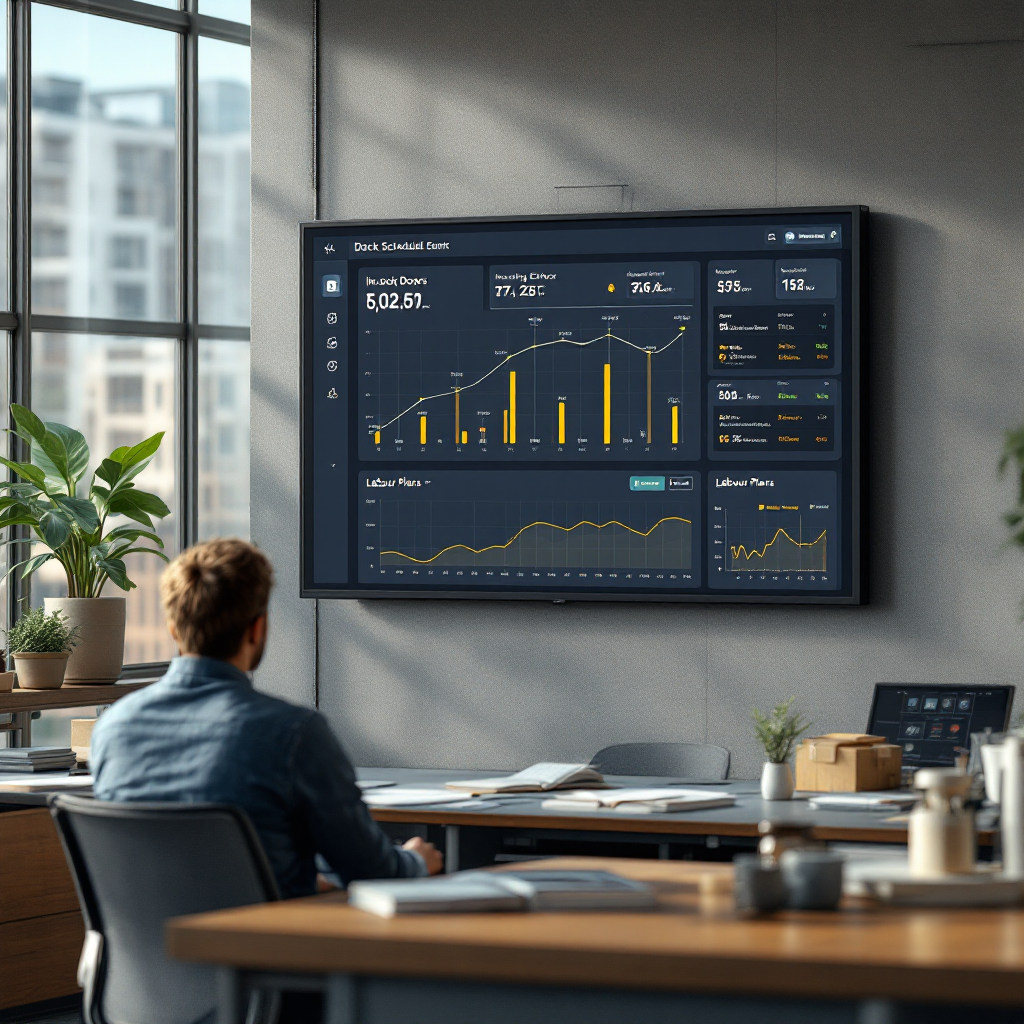
With these building blocks, the platform delivers measurable optimisation and a clear business case for wider roll-out.
Drowning in emails?
Here’s your way out
Save hours every day as AI Agents label and draft emails directly in Outlook or Gmail, giving your team more time to focus on high-value work.
ai-powered delivery and customer satisfaction: automate handovers, reduce anomalies and improve on-time performance
Better dock scheduling yields better delivery outcomes. When the yard operates predictably, fewer shipments miss their windows. AI provides more accurate ETAs and automatic notifications so customers and carriers see timely updates. Systems can generate automated handover confirmations, proof-of-delivery messages and exception alerts. These outputs reduce disputes and improve customer satisfaction.
Operationally, AI improves OTIF and reduces claims by catching anomalies early and creating structured exception workflows. For instance, if a truck arrives with damaged pallets, the system auto-creates a claims ticket and notifies customer-service with grounded facts so agents can respond quickly. That cuts email handling time and error rates. virtualworkforce.ai focuses on reducing repetitive, data-dependent email work so teams cut handling time from ~4.5 minutes to ~1.5 minutes per message, which speeds resolution and raises customer satisfaction.
Customer-facing features include real-time tracking links, automated ETA updates, and AI-generated exception messages that explain next steps. These features help customers plan and reduce churn. Measurable benefits include improved OTIF scores, fewer claim disputes and lower customer service costs. Adoption of ai-powered virtual assistants in logistics is growing, with deployment increasing across major ports and centres in recent years source and a stronger focus on sustainability and port efficiency in related research source.
Risk management and ethics must guide deployment. Data privacy and clear audit trails are essential. Systems need human oversight for high-impact decisions and must record rationale for each automated action. This ensures regulatory compliance and preserves trust with customers and partners across the entire supply chain.
future of ai and the power of ai in ai in warehouse management: roadmap, risks and steps to implement at the dock
Start small and scale fast. A pragmatic roadmap begins with a pilot on one dock or one shift, validate KPIs, then expand to the full yard and finally integrate robotics and predictive maintenance. Early pilots should target clear goals: reduce truck turnaround by X% in 90 days, or lower detention spend by Y. Track progress against these metrics and iterate.
Implementation checklist: ensure data readiness, confirm TMS and WMS APIs, pick pilot metrics, plan staff training and set governance and privacy controls. Configure escalation rules so the AI recommends but does not act where human approval is required. Keep fallback manual procedures for critical paths to avoid disruption when models drift or feed issues occur. Model drift mitigation includes regular retraining with recent historical data and alerts when anomaly rates rise. This reduces false positives and prevents unnecessary changes to dock activity.
Common risks include legacy integration complexity, model drift, and operational resistance. Mitigations are practical: maintain integration adapters for existing systems, schedule frequent model validation, and run tabletop exercises with supervisors to build confidence. Also ensure audit logs and role-based access to protect data security.
Looking ahead, tighter AI in warehouse management and more capable ai agents will bring deeper automation across inbound and outbound flows, and improved predictive maintenance will reduce downtime. To begin, baseline your current dock metrics, choose a 90-day pilot metric such as reducing turnaround by a defined percent, and run a controlled trial. If you need help automating logistics emails, appointment confirmations or exception replies during the pilot, virtualworkforce.ai provides no-code AI email agents that integrate ERP, TMS and WMS sources and cut manual work substantially. Discover how AI can optimize delivery and reduce operational costs while preserving human oversight and control.
FAQ
What is cross-dock operations and how does AI improve them?
Cross-dock operations transfer goods from inbound to outbound vehicles with minimal storage. AI improves sequencing, dock assignment and real-time coordination so movement is faster and more reliable. It reduces manual work and helps avoid delayed shipments.
How does real-time data change dock scheduling?
Real-time data such as GPS and telematics lets systems update ETAs and reassign dock doors on the fly. This reduces idle time and supports proactive contingency handling when anomalies occur. The result is fewer missed windows and lower detention costs.
Can AI handle anomalies like wrong pallet types?
Yes, anomaly detection flags mismatches and suggests contingency steps such as rerouting to another dock or staging items for inspection. These suggestions help supervisors make faster decisions and prevent cascade effects in the yard.
What role do generative AI tools play on the dock?
Generative AI creates clear shift briefings, exception explanations and handover notes so staff understand context quickly. That reduces errors and shortens decision time during busy periods.
How do AI agents interact with warehouse automation?
AI agents coordinate task assignments, send dispatches to AMRs and update WMS/TMS records. They act as orchestrators, ensuring human teams and robots work in sync. Human-in-the-loop controls remain for high-risk decisions.
What KPIs should I track to measure ROI?
Track throughput, dock turnaround, labour utilisation, expedited freight spend and carbon emissions per shipment. These KPIs tie to financial savings and support a clear ROI calculation for piloting AI solutions.
How long does it take to see payback from AI in docking?
Many pilots show payback in 12–18 months when the system reduces detention and expedited shipping. Results depend on baseline inefficiencies and the scope of automation implemented.
Are there privacy or compliance risks with AI on the dock?
Yes, data security and privacy require governance, role-based access and audit logs. Ensure that systems maintain clear trails for automated decisions and that sensitive data is protected under company policies.
How do I start a pilot for AI at my dock?
Begin with one dock or one shift, define specific KPIs, connect necessary APIs for ERP/TMS/WMS and train staff on escalation rules. Run the pilot for 60–90 days and iterate based on measured outcomes.
Where can I learn about automating logistics emails and appointment handling?
For practical guidance on automating logistics correspondence and reducing manual email effort, see automated logistics correspondence resources and how to scale logistics operations without hiring. These pages explain how email agents can ground replies in ERP, TMS and WMS data to speed responses and reduce errors.
Drowning in emails?
Here’s your way out
Save hours every day as AI Agents label and draft emails directly in Outlook or Gmail, giving your team more time to focus on high-value work.