


How ai and artificial intelligence transform elearning and corporate learning
AI reshapes elearning and corporate training with tangible gains. AI extends tutoring, analytics and automation across online courses and workplace programmes. It adapts content and helps learners stay on track, and it reduces repetitive work for instructors and admins. Research shows strong adoption. For example, 77% of companies are exploring or using AI to improve services (National University). Also, a Dartmouth study finds that AI can deliver personalized learning at scale and provide trusted, 24/7 support (Dartmouth). An experimental study links frequent AI interactions to higher performance and completion rates (OpenPraxis). Students report that chatbots help create study guides and summarise content effectively (student survey).
The impact areas matter. AI helps with recommendation of learning paths and automated assessments. It supplies 24/7 support, and it detects skill gaps for corporate learning and development. For workplace training, map high-value training use cases first. Start with onboarding, compliance and sales enablement. Then quantify ROI. For example, improving time-to-proficiency by weeks can save significant budget and speed hiring.
Practical steps stay simple. Identify the business value, and pilot with a focused cohort. Measure learning outcomes and engagement. Use short cycles to refine prompts, and then scale. If your team also needs help automating operational tasks tied to training logistics, see how we scale workflows without hiring at how to scale logistics operations with AI agents. Finally, remember that artificial intelligence must operate with clear governance, and data privacy must be planned from day one.
Why an ai assistant inside your learning platform or learning management system lifts workplace training
An AI assistant inside the learning platform or learning management system changes everyday training. It answers questions on demand. It gives micro-tutoring. It nudges learners with tailored reminders. It works where learners already spend time. UX placement matters. Put the learning assistant on the LMS dashboard, mobile app, or chat tools like Slack and Teams. That raises usage and reduces friction.
Evidence points to better outcomes. Frequent AI interactions correlate with improved completion and performance (study). Many teachers and students now consider AI assistants essential for learning and workforce readiness (YSU). A built-in AI assistant can handle routine queries, and it frees L&D teams to focus on higher-value design. For operations-heavy training, automated email and correspondence tied to learning schedules matter; teams can learn from automation patterns similar to those used in logistics at automated logistics correspondence.
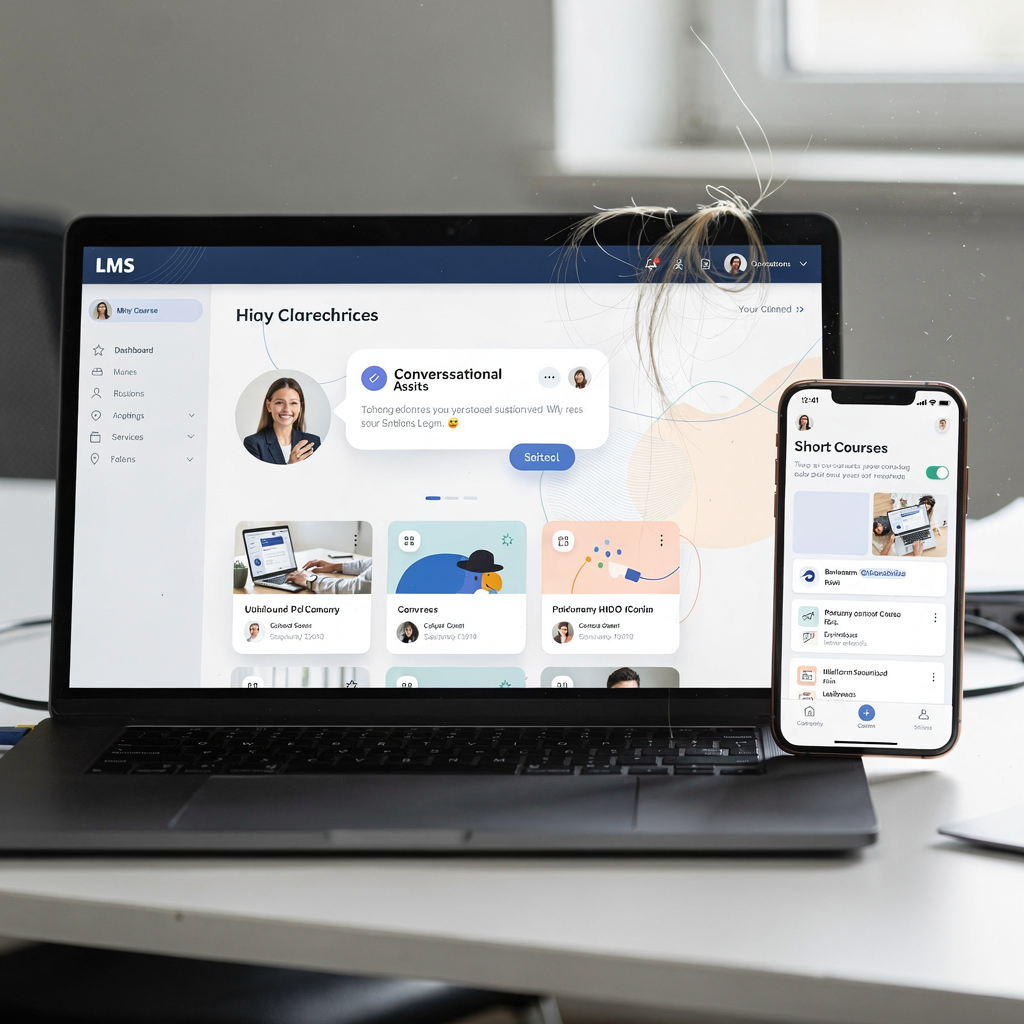
UX tips keep adoption high. Place the assistant where the learner already works. Keep messages short. Offer quick actions like “resume course” and “ask tutor”. Track KPIs. Measure time-to-completion, course completion rate, and helpdesk ticket reduction. Also track learning outcomes, skill-gap closure, and time-to-proficiency for key roles. A conversational AI tool reduces simple support tickets and improves consistency across cohorts. Finally, configure escalation rules so humans step in when required, and set clear admin controls to monitor accuracy.
Drowning in emails?
Here’s your way out
Save hours every day as AI Agents label and draft emails directly in Outlook or Gmail, giving your team more time to focus on high-value work.
What ai-powered learning and ai-powered learning platform features speed up create elearning and elearning content production
AI-powered learning platforms speed content creation and iteration. Key features include automated content summarisation, auto-generating quizzes, templated modules, and versioning via generative tools. An authoring tool with a built-in AI can draft lesson outlines and suggest media. When a platform comes with a powerful authoring option, teams move from concept to launch faster. Instructional designers then pair subject-matter experts with AI-first templates to keep content accurate and compliant.
Generative engines reduce elearning development time and let teams scale updates quickly. For example, platforms that include an ai content generator let teams create elearning content, quizzes, and microlearning modules in hours rather than days. Use a powerful authoring tool and a clear review workflow. Have SMEs check facts and regulatory items. Also, use version control so learning materials stay auditable.
Vendor selection matters. Look for platforms that integrate content automation with LMS reporting. Prioritise a tool with a built-in AI that supports common export formats and xAPI/SCORM. Examples include AI-native authoring suites and add-on ai tools that plug into established LMS platforms. If your operations rely on automated messaging or document handling, explore how automation for logistics emails links to training workflows at virtual assistant logistics. Finally, balance speed with quality. Keep human review in the loop, and measure development hours saved and the impact on learner performance.
How generative ai and adaptive learning personalize training and improve learning design
Generative AI and adaptive learning personalize training in measurable ways. Generative AI creates tailored explanations, examples, and practice items. Adaptive learning changes sequence and difficulty based on performance. Together, they produce a more tailored learning journey and improve engagement. Use generative AI to vary practice and to produce explanations that match learner language and level.
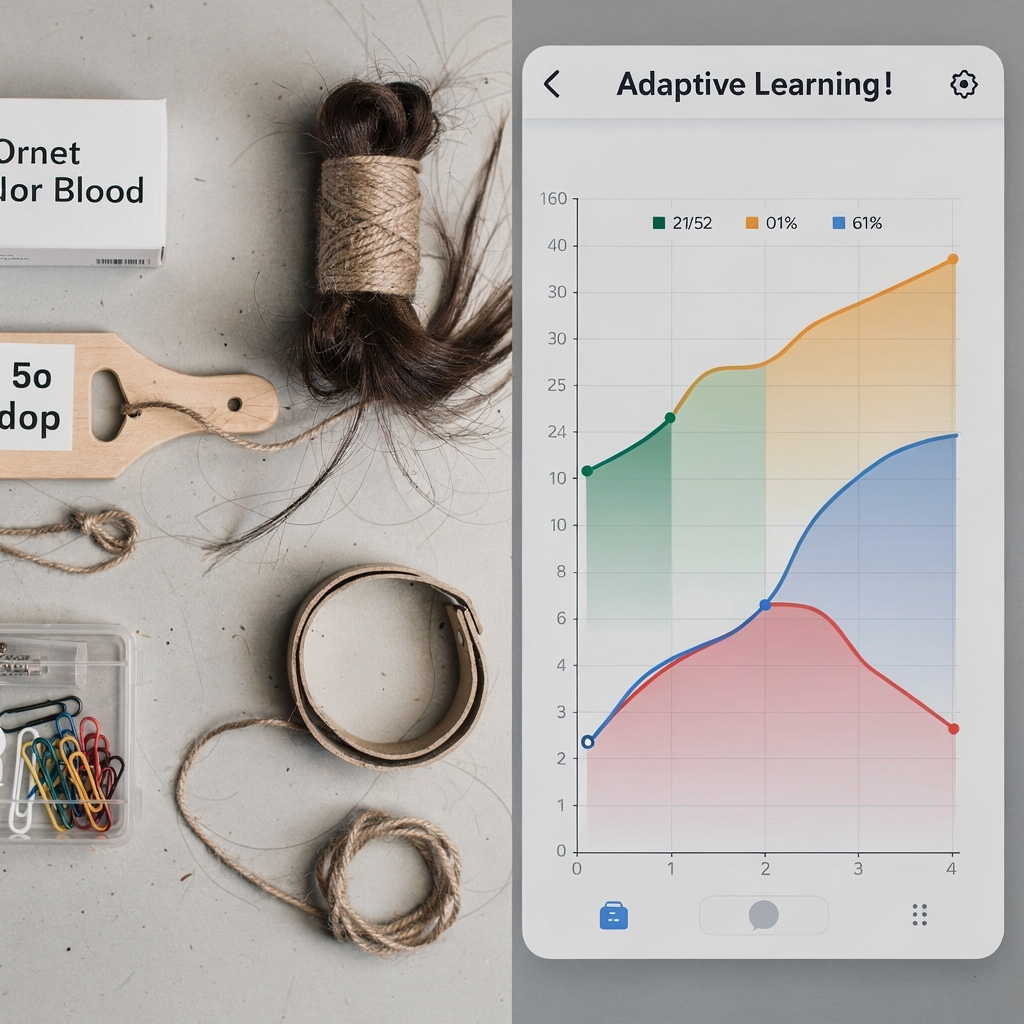
Evidence supports this approach. Adaptive systems raise retention and engagement, especially when they include targeted practice and feedback. Compare pre/post assessment scores and retention at 30 and 90 days to measure impact. Also track time-to-proficiency for target roles. Design guidance is straightforward. Embed frequent low-stakes checks, use AI to generate varied practice, and maintain human oversight for model outputs. That way, designers keep control and improve learning design.
Practical tips help teams implement these patterns. First, map training goals and identify where tailored support adds the most value. Second, start with key workflows like compliance training and onboarding. Third, set thresholds for AI suggestions and require sign-off on any content that impacts certification. Finally, measure rigorously. Track learning outcomes, and then iterate on prompts and rules. If you want to explore platforms that combine adaptive sequencing and content automation, search for ai learning platform options that integrate analytics and content generation. Adaptive learning allows teams to personalize learning experiences at scale while keeping SMEs in the loop.
Drowning in emails?
Here’s your way out
Save hours every day as AI Agents label and draft emails directly in Outlook or Gmail, giving your team more time to focus on high-value work.
Choosing the best ai lms or ai-powered learning management system: what to look for in an ai and which ai training tools matter
Choosing the best AI LMS requires a checklist. First, ask about provenance and explainability. Confirm a vendor can show how an AI assistant arrives at recommendations. Second, insist on data privacy controls and GDPR compliance. Third, check HR and SSO integrations. Fourth, evaluate analytics, xAPI or SCORM support, and authoring features. Also check for built-in AI assistants and strong admin controls.
Look for these features to prioritise: personalised learning paths and conversational assistants, automated content creation, robust reporting, and easy authoring. A platform that includes an ai learning assistant and good reporting will help you measure learning outcomes. If you want a familiar name for certain enterprise buyers, evaluate options like Litmos AI or other ai lms platforms, but do not pick a solution without testing hallucination safeguards and admin review flows. When you look for in an AI vendor, add checks for model transparency and update cadence.
Categorise tools by function. AI-native LMS solutions give end-to-end features. Add-on conversational assistants slot into existing systems. Generative content engines accelerate elearning content creation. Analytics platforms map skills and recommend personalized learning paths. Also verify vendor compliance, and ensure a proper escalation path to human reviewers. If your teams need operational automation tied to training logistics and communication, review vendor case studies such as virtualworkforce.ai ROI for logistics to understand integration patterns (ROI case). Prioritise platforms that help you deliver personalized learning paths, that ship with a powerful authoring tool, and that support ongoing governance and audit trails.
Practical steps: let ai support scale, assessment and ethics in ai-powered learning for corporate learning
Start small and scale fast. Pilot one programme, measure outcomes, refine prompts and rules, and then expand with governance. Build a pilot that maps to clear business metrics, and use data to decide where to scale. For example, pick onboarding or compliance training, and measure time-to-completion and retention. Track support costs and reduced helpdesk volume as part of your ROI assessment. Also keep humans in the loop for content review.
Ethics and governance matter. Define data use, require explicit consent, and set rules for data retention. Retain human oversight and create content moderation policies to prevent unsafe outputs. Train admins on prompt design and model limitations. For training management and operational tasks tied to emails, companies can learn from systems that automate correspondence and route messages with rules; see how automation improves response time in logistics workflows at automate logistics emails with Google Workspace.
Expect concrete benefits. AI reduces development hours, lowers support costs, and improves learner throughput. Measure those gains with pilot metrics: development hours saved, improved course completion rate, and time-to-proficiency. Finally, prepare teams. Train L&D staff on AI training tools and governance. Document prompts, track model drift, and audit outputs regularly. These steps help your organisation refine training, ensure compliance training remains accurate, and create impactful learning experiences. When done right, AI helps you support self-directed learning and free up educators to focus on high-value learning design.
FAQ
What is an AI assistant in an LMS?
An AI assistant in an LMS is a conversational or embedded tool that supports learners and admins. It answers questions, suggests next steps, and can automate routine tasks so human staff focus on design and strategy.
How does AI improve elearning outcomes?
AI personalizes content and provides targeted feedback, which raises engagement and retention. Studies show frequent AI interactions correlate with better academic performance and completion rates (study).
Are there privacy risks with AI in corporate learning?
Yes. AI systems process learner data and may store sensitive information. Implement clear data policies, limit retention, and require vendor compliance with GDPR and other regulations.
Can AI speed up elearning content creation?
Yes. Generative features and authoring tool integrations can create drafts, quizzes, and summaries quickly. Pair AI with subject-matter experts to maintain accuracy and compliance.
What metrics should I track in an AI pilot?
Track course completion rate, time-to-proficiency, helpdesk ticket reduction, and pre/post assessment gains. Also measure development hours saved and content update frequency.
How does adaptive learning differ from generative AI?
Adaptive learning adjusts sequence and difficulty based on performance. Generative AI creates content like explanations and practice items. Use both together for personalized learning paths.
What should I look for in the best AI LMS?
Look for explainability, data privacy, HR integrations, robust reporting, conversational assistants, and a strong authoring tool. Also verify vendor safeguards against hallucinations and provide admin review controls.
Can AI replace instructors?
No. AI augments instructors by automating routine tasks and personalising practice. Human oversight remains essential for quality, ethics, and complex feedback.
How do I ensure AI content stays accurate?
Require human review for high-stakes content, maintain version control, and document source provenance. Use SMEs to verify regulatory and technical items before publishing.
Where can I learn more about AI automating workflows tied to training?
Explore case studies on operational automation that link to training logistics and communications. For applied examples, see virtualworkforce.ai resources on logistics automation and ROI (ROI).
Drowning in emails?
Here’s your way out
Save hours every day as AI Agents label and draft emails directly in Outlook or Gmail, giving your team more time to focus on high-value work.